
Morning Sickness and Coffee: What Pregnant Women Should Know
Quick answer
- For many pregnant women, moderate coffee consumption (around 200 mg of caffeine per day) is generally considered safe and may even help alleviate morning sickness symptoms for some.
- However, caffeine can exacerbate nausea and heartburn in others, so listening to your body is crucial.
- The acidity of coffee can also be a trigger for heartburn, a common pregnancy discomfort.
- If you experience increased nausea or discomfort after drinking coffee, it’s best to reduce or eliminate it.
- Consider decaffeinated coffee or herbal teas as alternatives if regular coffee causes issues.
- Always discuss your caffeine intake and any concerns with your healthcare provider.
If regular coffee causes issues with nausea or heartburn, consider switching to decaffeinated coffee as a great alternative.
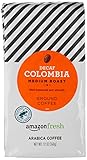
- Balanced, full-bodied medium roast with a smooth finish
- One 12-ounce bag of ground coffee
- Decaffeinated
- 100% Arabica coffee grown in Colombia
- Roasted and packed in the U.S.A.
Key terms and definitions
- Morning Sickness: A common pregnancy symptom characterized by nausea and vomiting, typically occurring in the first trimester.
- Caffeine: A stimulant found naturally in coffee beans, tea leaves, and cocoa beans, as well as added to some sodas and energy drinks.
- Gastroesophageal Reflux Disease (GERD): A chronic digestive disease where stomach acid or bile irritates the food pipe lining. Heartburn is a common symptom.
- Decaffeination: The process of removing caffeine from coffee beans, usually resulting in a product with very little caffeine content.
- Acidity: The level of acid in a substance, which can affect taste and can be a trigger for digestive issues like heartburn.
- Stimulant: A substance that raises levels of physiological or nervous system activity.
- Dehydration: A condition where the body loses more fluid than it takes in, which can worsen nausea.
- Trimester: A period of three months during pregnancy.
- Electrolytes: Minerals in your body that have an electric charge, essential for maintaining fluid balance and nerve function.
- Hormonal Changes: Fluctuations in pregnancy hormones like hCG and estrogen, which are believed to contribute to morning sickness.
How it works
- Caffeine is a stimulant that affects the central nervous system.
- In coffee, caffeine can increase stomach acid production.
- The acidity of coffee itself, independent of caffeine, can also irritate the stomach lining.
- Caffeine can relax the lower esophageal sphincter, the muscle that prevents stomach contents from backing up into the esophagus, potentially leading to heartburn.
- For some, the ritual and perceived energy boost from coffee can be a comforting distraction from nausea.
- However, for others, the stimulating effects can heighten anxiety or jitters, which may be perceived as or contribute to nausea.
- Dehydration can worsen nausea, and while coffee is a fluid, its diuretic effect (though often mild in regular consumers) can be a consideration.
- The body’s increased sensitivity during pregnancy means that substances that were previously tolerated might now cause adverse reactions.
- Hormonal shifts during pregnancy can significantly alter digestive processes and sensitivities.
- Individual responses to caffeine and coffee’s acidity vary greatly among pregnant individuals.
What affects the result
- Caffeine Content: The amount of caffeine in your coffee directly influences its stimulating effects and potential to worsen nausea or cause jitters.
- Coffee Acidity: Different coffee beans and roasting methods result in varying levels of acidity, which can be a primary trigger for heartburn and stomach upset.
- Brewing Method: The way coffee is brewed can affect its strength and acidity. For example, cold brew coffee is often less acidic than hot brewed coffee.
- Amount Consumed: Drinking a large cup of strong coffee will have a different impact than a small, weaker cup.
- Individual Sensitivity: Each person’s body reacts differently to caffeine and acidic foods. Pregnancy often amplifies these sensitivities.
- Timing of Consumption: Drinking coffee on an empty stomach may lead to more pronounced digestive upset than having it with food.
- Hydration Levels: Being adequately hydrated can help mitigate some of the potential negative effects of coffee, like dehydration from caffeine’s mild diuretic properties.
- Other Pregnancy Symptoms: Existing nausea, heartburn, or food aversions can make you more susceptible to coffee’s negative effects.
- Dietary Intake: What else you consume alongside coffee can influence how your body processes it.
- Coffee Strength and Roast: Lighter roasts are generally more acidic than darker roasts. Stronger brews will have more caffeine and potentially more of other compounds.
- Additives: Milk, cream, sugar, or artificial sweeteners can also affect digestion and how coffee is tolerated.
- Gestational Stage: How your body feels and responds can change throughout pregnancy, particularly during the first trimester when morning sickness is most common.
Pros, cons, and when it matters
- Pro: Potential Nausea Relief: For some, the familiar taste and ritual of coffee can be a comforting distraction or even seem to temporarily settle their stomach.
- Con: Exacerbated Nausea: For many, caffeine and coffee’s acidity can significantly worsen feelings of nausea and queasiness.
- Pro: Familiar Comfort: Continuing a familiar morning routine can provide a sense of normalcy and control during a time of significant change.
- Con: Increased Heartburn: Coffee’s acidity and its effect on the esophageal sphincter make it a common trigger for heartburn, which is already prevalent in pregnancy.
- Pro: Energy Boost: Caffeine can help combat pregnancy-related fatigue, a welcome benefit for many.
- Con: Jitters and Anxiety: The stimulant effect can lead to increased anxiety, restlessness, or jitters, which can be uncomfortable and mimic or worsen nausea.
- Pro: Social Ritual: Enjoying a cup of coffee can be a social activity or a moment of personal indulgence.
- Con: Dehydration Risk: While often mild, caffeine can have a diuretic effect, and staying hydrated is crucial during pregnancy.
- Pro: Antioxidants: Coffee contains antioxidants, though their impact during pregnancy is less studied.
- Con: Sleep Disturbances: Caffeine can interfere with sleep, which is already a challenge for many pregnant individuals.
- Matters For: Women who have a history of digestive sensitivity, GERD, or are experiencing severe morning sickness.
- Matters For: Women who find that coffee reliably makes their nausea or heartburn worse, regardless of caffeine intake.
- Matters For: Women who are concerned about caffeine intake and its potential effects on fetal development, though moderate intake is generally considered safe.
Common misconceptions
- Misconception: All coffee is bad for pregnant women.
- Reality: Moderate amounts of caffeine (up to 200 mg per day) are generally considered safe by most health organizations for pregnant women.
- Misconception: Decaf coffee is completely caffeine-free.
- Reality: Decaffeinated coffee still contains a small amount of caffeine, though significantly less than regular coffee.
- Misconception: Coffee always causes or worsens morning sickness.
- Reality: While it can for some, others find it doesn’t affect their nausea or may even provide temporary relief. Individual responses vary greatly.
- Misconception: The only concern with coffee is caffeine.
- Reality: The acidity of coffee itself can be a major trigger for heartburn and stomach upset in pregnant women, independent of caffeine.
- Misconception: You must eliminate all caffeine once pregnant.
- Reality: Many healthcare providers recommend limiting caffeine to around 200 mg per day, which is roughly equivalent to one 12-oz cup of brewed coffee.
- Misconception: Coffee is a significant cause of dehydration in pregnancy.
- Reality: While caffeine has a mild diuretic effect, its fluid content usually offsets this for regular coffee drinkers, and dehydration is more commonly caused by inadequate fluid intake.
- Misconception: Cold brew coffee has no caffeine.
- Reality: Cold brew coffee typically has a similar or even higher caffeine content than hot brewed coffee due to the higher coffee-to-water ratio used.
- Misconception: Coffee stunts fetal growth.
- Reality: Research suggests that high caffeine intake (significantly over 200 mg daily) might be associated with lower birth weight, but moderate intake is not typically linked to growth restriction.
FAQ
Q1: Can coffee make morning sickness worse?
Yes, for many pregnant women, the caffeine and acidity in coffee can trigger or worsen nausea and heartburn. It’s important to pay attention to how your body reacts.
If coffee consistently exacerbates your nausea and heartburn, exploring safe anti-nausea remedies might be beneficial.

- GINGER TRAVEL LOZENGES FOR NAUSEA: Our ginger nausea relief lozenges help to quickly and effectively provide relief from motion sickness and nausea*
- BENEFITS OF GINGER: These ginger chews for nausea relief contain ginger, which has been used for thousands of years to relieve occasional nausea
- DRUG AND SUGAR FREE: No nasties in our sugar free ginger candy. Our Ginger lozenges are both drug and sugar free
- NATURAL CHOICE FOR NAUSEA RELIEF: We carry an array of natural options for morning & motion sickness relief & anti-nausea, including acupressure wristbands, ginger gum, lozenges & aromatherapy rollettes
- HSA/FSA Approved
Q2: How much caffeine is considered safe during pregnancy?
Most health organizations recommend limiting caffeine intake to no more than 200 mg per day, which is about one 12-ounce cup of brewed coffee. Always check with your healthcare provider for personalized advice.
Q3: What are the alternatives to regular coffee if it causes nausea?
Decaffeinated coffee, herbal teas (like ginger or peppermint, but check with your doctor about specific types), or water infused with fruit can be good alternatives.
For those seeking alternatives to coffee, various herbal teas designed for pregnancy, like ginger or peppermint, can be soothing options.

- Organic Tea Bags: Boost immunity with these Yogi Tea favorites; every Yogi Tea in the Get Well sampler gift box is blended for both delicious flavor and healthful benefit
- Yogi Tea Get Well Gift Set: Tea sample variety pack box includes 9 of Yogi's most popular wellness teas: Bedtime, Blueberry Sage Stress Relief, Breath Deep, Cinnamon Horchata Sleep and Stress, Echinacea Immune Support, Elderberry Lemon Balm Immune and Stress, Sweet Lemon Everyday Immune, and Throat
- 9 Flavors, 45 Total Tea Bags: Our teas come thoughtfully packaged in a special, giftable Yogi tea sample box that you can enjoy yourself or gift to a friend
- Organic Tea Ingredients: This Yogi tea is vegan, USDA Organic, and NON-GMO, so you can be sure you're getting the best in every cup
- Uniquely Yogi: We believe in using the highest quality spices and botanicals, complementing them with intriguing, delightful flavors, qualities that make all of our teas uniquely Yogi
Q4: Is decaf coffee safe if I’m sensitive to caffeine?
Decaf coffee still contains a small amount of caffeine, but it’s significantly reduced. If you’re very sensitive, you might still experience some effects, or you may find it perfectly fine.
Q5: Can coffee cause heartburn during pregnancy?
Yes, coffee is a common trigger for heartburn in pregnancy because it’s acidic and can relax the lower esophageal sphincter, allowing stomach acid to back up.
Q6: Should I stop drinking coffee if I have morning sickness?
Not necessarily, unless you find it consistently makes your symptoms worse. If you tolerate it well in moderation, it may be fine. Discuss this with your doctor.
Q7: Does the type of coffee matter (e.g., espresso vs. drip)?
The caffeine content and acidity can vary. Espresso shots have concentrated caffeine but are usually consumed in smaller volumes. Drip coffee can have more total caffeine per serving depending on strength. Acidity also varies by bean and roast.
Q8: What if I crave coffee but it makes me feel sick?
Try switching to decaf, a weaker brew, or a cold brew which is often less acidic. You could also try having it with a meal or adding milk to buffer the acidity.
What this page does NOT cover (and where to go next)
- Specific recommendations for brands or types of coffee.
- Detailed nutritional breakdowns of coffee or its components.
- Clinical treatment protocols for severe morning sickness.
- Advice on caffeine intake for specific medical conditions or high-risk pregnancies.
- Information on the effects of other stimulants or medications during pregnancy.