
How to Make A Frozen Coffee Coolatta: Step-by-Step Guide
Quick answer
- Use strong, cold brewed coffee or espresso as your coffee base for a robust flavor.
- Combine coffee with milk, sweetener, and ice in a high-powered blender.
- For a thicker texture, use less liquid or add a thickening agent like xanthan gum.
- Adjust sweetness and coffee strength to your personal preference.
- Blend until completely smooth with no ice chunks remaining.
- Serve immediately in a chilled glass for the best experience.
- Experiment with flavorings like vanilla, caramel, or chocolate syrup.
For the smoothest texture, a high-powered blender is essential. It ensures all the ice is perfectly crushed for a creamy, consistent drink.
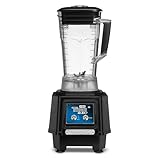
- Motor: 2 Horsepower high-performance motor delivers 24,000 max RPM for consistent blending power in commercial kitchens and bars, ensuring reliable operation during peak service hours
- Container: 64 oz BPA-free copolyester jar with stackable design maximizes storage efficiency while providing durable construction for high-volume blender use in professional settings
- Controls: 2-speed toggle switch provides simple operation with reliable performance for bartenders and kitchen staff in fast-paced commercial environments and busy food service operations
- Drive: Stainless steel user-replaceable drive coupling ensures long-lasting durability and easy maintenance for continuous commercial blender operation in demanding restaurant environments
- Certifications: cULus and NSF approved for commercial food service applications, meeting strict safety and sanitation standards for professional kitchen use in restaurants and bars
Who this is for
- Anyone craving a refreshing, coffee-infused frozen drink at home.
- Home baristas looking to replicate popular coffee shop frozen beverages.
- Individuals who enjoy customizing their coffee drinks to their exact taste.
What to check first
Brewer type and filter type
For a frozen coffee coolatta, you’ll need a strong coffee concentrate. This can be achieved with various brewers.
- Drip Brewer: Brew a very strong batch, using more coffee grounds than usual for the same amount of water, or brew a smaller volume of coffee with your standard ratio. A paper filter is common here.
- Espresso Machine: Pull 1-2 shots of espresso. This provides a concentrated coffee flavor ideal for frozen drinks.
- French Press: Use a coarse grind and a longer steep time (4-5 minutes) to create a strong coffee. The mesh filter will allow some fine sediment, which is generally fine for a blended drink.
- Cold Brew Maker: Prepare a cold brew concentrate in advance. This offers a smooth, less acidic coffee base perfect for frozen drinks.
Water quality and temperature
The quality of your water significantly impacts the taste of your coffee.
- Filtered Water: Always use filtered water for brewing your coffee. Tap water can contain impurities or off-flavors that will transfer to your coffee, and subsequently, your frozen drink.
- Brew Temperature (for hot coffee): If brewing hot coffee, ensure your brewer reaches the optimal temperature range of 195-205°F for extraction. For cold brew, room temperature water is fine for the steeping process.
Grind size and coffee freshness
These factors are crucial for brewing strong, flavorful coffee.
- Grind Size: Adjust grind size based on your brewing method. Fine for espresso, medium for drip, coarse for French press or cold brew. An inconsistent grind can lead to uneven extraction.
- Coffee Freshness: Use freshly roasted coffee beans, ideally ground just before brewing. Stale coffee loses its aromatic compounds, resulting in a flat-tasting drink. Store beans in an airtight container away from light and heat.
Coffee-to-water ratio
The ratio determines the strength of your coffee base.
- Strong Brew: For a frozen coolatta, you need a stronger coffee base than typical brewed coffee. A common starting point is 1:15 (coffee to water by weight) for drip, or even 1:12 for a very strong brew. For cold brew concentrate, ratios can be as low as 1:4.
- Espresso: Standard espresso shots are highly concentrated by nature.
Cleanliness/descale status
A clean coffee maker and blender are essential for taste and function.
- Coffee Maker: Regularly clean your coffee maker according to the manufacturer’s instructions. Descale it every 1-3 months, depending on your water hardness, to prevent mineral buildup that can affect heating elements and flavor.
- Blender: Ensure your blender is clean before use. Residue from previous blends can impart unwanted flavors to your coolatta.
Step-by-step (how to make a frozen coffee coolatta)
1. Brew Strong Coffee:
- What to do: Prepare 4-6 oz of strong, concentrated coffee. This can be 2-3 shots of espresso, 4-6 oz of very strong hot-brewed coffee (using double the normal coffee grounds), or 4-6 oz of cold brew concentrate.
- What “good” looks like: The coffee should be dark, rich, and have a robust aroma. If hot-brewed, allow it to cool completely, or even chill it in the refrigerator.
- Common mistake and how to avoid it: Using weak, standard brewed coffee will result in a bland, watery coolatta. Avoid this by intentionally brewing a stronger-than-usual batch or using espresso/cold brew concentrate.
2. Gather Ingredients:
- What to do: Have all your ingredients ready: cooled strong coffee, milk (dairy or non-dairy), sweetener (sugar, simple syrup, flavored syrup), ice, and any optional flavorings.
- What “good” looks like: All ingredients are measured and within reach.
- Common mistake and how to avoid it: Forgetting an ingredient mid-blend can lead to uneven mixing or a melted drink. Prepare everything beforehand.
3. Add Liquid Base to Blender:
- What to do: Pour your cooled strong coffee (4-6 oz) and 4-6 oz of milk (e.g., whole milk, almond milk, oat milk) into a high-powered blender.
- What “good” looks like: The liquids are in the blender and ready for other ingredients.
- Common mistake and how to avoid it: Adding ice first can cause the blender blades to struggle and not blend smoothly. Always add liquids first.
4. Add Sweetener and Flavorings:
- What to do: Add 2-4 tablespoons of your preferred sweetener (e.g., granulated sugar, simple syrup, vanilla syrup, caramel sauce). Start with less and add more later if needed.
- What “good” looks like: Sweetener is dissolved into the liquid.
- Common mistake and how to avoid it: Over-sweetening initially makes it difficult to adjust. Start conservative and taste-test.
5. Add Ice:
- What to do: Add 1.5-2 cups of ice cubes to the blender. The amount of ice will largely determine the thickness of your coolatta.
- What “good” looks like: The blender pitcher is about 3/4 full with ice and liquid.
- Common mistake and how to avoid it: Adding too little ice results in a watery drink; too much can make it too thick or prevent smooth blending. Adjust based on your desired consistency.
6. Blend Until Smooth:
- What to do: Secure the lid and blend on high speed. Start with a pulse function if your blender has one, then switch to continuous high speed. Use the tamper if your blender has one to push down ingredients.
- What “good” looks like: The mixture is completely smooth, with no visible ice chunks or gritty texture. It should have a slushy, uniform consistency.
- Common mistake and how to avoid it: Not blending long enough leaves ice chunks. Blend until perfectly smooth, even if it takes a minute or two.
7. Check Consistency and Taste:
- What to do: Stop blending and open the lid. Use a spoon to check the texture and taste the coolatta.
- What “good” looks like: The coolatta is thick but pourable, and the flavor balance of coffee, sweetness, and milk is to your liking.
- Common mistake and how to avoid it: Skipping this step means you might end up with a drink that’s too thin, too sweet, or not sweet enough.
8. Adjust (if needed):
- What to do: If too thick, add a splash more milk or coffee. If too thin, add a few more ice cubes and re-blend. If not sweet enough, add more sweetener and blend briefly.
- What “good” looks like: The coolatta has reached your ideal consistency and flavor profile.
- Common mistake and how to avoid it: Adding too much liquid or ice at once when adjusting. Make small additions and re-blend to avoid over-correcting.
9. Pour and Serve:
- What to do: Pour the frozen coffee coolatta into a chilled glass.
- What “good” looks like: The coolatta fills the glass, and its smooth, icy texture is appealing.
- Common mistake and how to avoid it: Serving in a warm glass can cause the coolatta to melt faster. Chill your glass beforehand.
10. Garnish (Optional):
- What to do: Top with whipped cream, a drizzle of chocolate or caramel syrup, or a sprinkle of cinnamon or cocoa powder.
- What “good” looks like: The coolatta is visually appealing and ready to enjoy.
- Common mistake and how to avoid it: Over-garnish or using garnishes that don’t complement the flavor. Keep it simple.
Common mistakes when making a frozen coffee coolatta (and what happens if you ignore them)
| Mistake | What it causes | Fix |
|---|---|---|
| Using weak coffee base | A watery, bland coolatta with little coffee flavor. | Brew extra strong coffee, use espresso shots, or opt for cold brew concentrate. |
| Not chilling hot coffee before blending | Melts the ice too quickly, resulting in a thin, watery drink. | Allow hot coffee to cool completely in the refrigerator before use. |
| Too little ice | A thin, liquidy consistency that isn’t truly “frozen.” | Add more ice cubes, a few at a time, and re-blend until desired thickness. |
| Too much ice | A very thick, unblended, or difficult-to-drink coolatta; can also strain the blender. | Add a splash more milk or coffee and re-blend. |
| Not blending long enough | Icy chunks and an inconsistent texture. | Blend on high speed for at least 1-2 minutes, using a tamper if available, until completely smooth. |
| Adding ice before liquids | Blender blades struggle to catch and blend ingredients effectively. | Always add liquids (coffee, milk) to the blender first, then ice. |
| Over-sweetening initially | An overly sweet, cloying drink that masks the coffee flavor. | Start with less sweetener (e.g., 2 tbsp) and taste-test before adding more. |
| Using warm serving glass | The coolatta melts much faster, losing its icy texture. | Chill your serving glass in the freezer for 10-15 minutes before pouring. |
| Ignoring blender’s capacity | Overfills and can lead to spills or inefficient blending. | Do not fill the blender beyond its maximum liquid line, especially when adding ice. |
| Not cleaning blender properly | Imparts off-flavors from previous blends or leaves residue. | Wash the blender pitcher and lid thoroughly after each use. |
Decision rules for your frozen coffee coolatta
- If your coolatta is too thin, then add more ice because the additional frozen mass will thicken the mixture.
- If your coolatta is too thick, then add a splash more milk or coffee because this will thin the consistency without compromising flavor too much.
- If your coolatta lacks coffee flavor, then next time use more coffee grounds when brewing or add an extra shot of espresso because a stronger coffee base is key.
- If your coolatta is too sweet, then next time reduce the amount of added sweetener because it’s easier to add sweetness than to remove it.
- If your coolatta is not sweet enough, then add another tablespoon of sweetener and re-blend because small adjustments are best.
- If your coolatta has ice chunks, then blend for a longer duration on high speed because complete pulverization of ice is essential for smoothness.
- If your coolatta melts too quickly, then ensure your coffee base is thoroughly chilled and your serving glass is cold because warmth accelerates melting.
- If you want a creamier coolatta, then use whole milk or add a tablespoon of heavy cream because higher fat content contributes to a richer texture.
- If you want a dairy-free coolatta, then use plant-based milk like almond, oat, or soy milk because these alternatives blend well and offer different flavor profiles.
- If you want a thicker, more stable coolatta, then consider adding 1/4 teaspoon of xanthan gum (start small!) because it acts as a powerful thickening agent and emulsifier.
- If your blender is struggling with the ice, then add a little more liquid or pulse a few times before continuous blending because this helps break up the ice initially.
FAQ
Can I use instant coffee to make a frozen coffee coolatta?
Yes, you can use instant coffee, but ensure it’s a strong brew. Dissolve 2-3 teaspoons of instant coffee in a small amount of hot water (about 2-3 oz) to create a concentrated coffee liquid. Let it cool completely before adding it to your blender. The flavor might not be as rich as brewed coffee or espresso, but it’s a convenient option.
How can I make my coolatta thicker without adding more ice?
To achieve a thicker coolatta without diluting the flavor with excessive ice, you can try a few methods. Use less liquid overall in your recipe, or add a small amount (1/4 teaspoon) of xanthan gum, which is a common food thickener. A scoop of vanilla ice cream or frozen yogurt can also add thickness and creaminess.
What kind of milk is best for a frozen coffee coolatta?
The best milk depends on your preference. Whole milk will provide the creamiest, richest texture. Skim milk will result in a lighter drink. Plant-based milks like almond, oat, or soy milk are excellent dairy-free alternatives and can add their own subtle flavors. Oat milk, in particular, often provides a good creamy consistency.
Can I prepare the coffee in advance?
Absolutely. Brewing your strong coffee or espresso ahead of time and chilling it in the refrigerator is highly recommended. This ensures your coffee is cold when it goes into the blender, preventing it from melting the ice and making your coolatta watery. Cold brew concentrate is also ideal for advance preparation.
How can I add different flavors to my coolatta?
There are many ways to customize the flavor. You can add flavored syrups like vanilla, caramel, hazelnut, or chocolate. A tablespoon of cocoa powder can create a mocha version. Extracts like peppermint or almond can also be used sparingly. Experiment with different combinations to find your favorite.
Is it possible to make a decaf frozen coffee coolatta?
Yes, simply use decaffeinated coffee beans or decaf instant coffee to brew your strong coffee base. All other steps remain the same. This allows you to enjoy the delicious taste and texture of a frozen coffee coolatta without the caffeine.
Why is my coolatta separating after blending?
Separation can occur if there isn’t enough emulsification or if the ingredients aren’t blended smoothly enough. Ensure you blend on high speed until there are absolutely no ice chunks. Adding a very small amount of xanthan gum (1/8 to 1/4 teaspoon) can also help stabilize the mixture and prevent separation.
What this page does NOT cover (and where to go next)
- Detailed comparisons of specific blender models for frozen drinks.
- In-depth chemical analysis of coffee extraction and flavor compounds.
- Commercial coolatta machine operation and maintenance.
- Historical origins of frozen coffee beverages.
- Advanced latte art techniques for coolatta toppings.
- Specific brand recommendations for coffee beans or syrups.