
Whip Up A Delicious Paleo Coffee Drink
Quick answer
- Stick to black coffee or add compliant dairy-free milks like almond, coconut, or macadamia.
- Sweeten naturally with dates, honey, or maple syrup (in moderation).
- Embrace spices like cinnamon, nutmeg, or cardamom for flavor.
- Avoid processed sugars, artificial sweeteners, and non-paleo creamers.
- Focus on quality beans and proper brewing for the best base flavor.
- Experiment with fat sources like ghee or coconut oil for a creamy texture.
Who this is for
- Folks diving into the paleo lifestyle and wondering about their morning brew.
- Coffee lovers who want to keep their indulgence aligned with their dietary goals.
- Anyone looking for healthier, natural ways to flavor their coffee without the usual suspects.
What to check first
Brewer type and filter type
Your coffee maker matters. A simple pour-over, French press, or even a good old drip machine can work. Just make sure your filters are chlorine-free paper or reusable metal/cloth. No plastic filters if you’re being super strict.
Water quality and temperature
Good coffee starts with good water. Filtered water is your best bet. Aim for a brewing temperature around 195-205°F. Too cool, and you get weak coffee. Too hot, and you can scorch those grounds.
Grind size and coffee freshness
Freshly ground beans are king. Get a burr grinder if you can. The grind size depends on your brewer – coarser for French press, finer for espresso. Stale beans just won’t cut it.
For the freshest flavor, consider investing in a quality coffee bean grinder. A burr grinder will give you the most consistent results for your paleo brew.
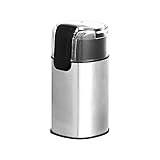
- Electric coffee bean grinder appliance for home use
- Can grind 30 grams/1 ounce of beans for drip coffee brewing in 10 seconds
- Grind coffee beans, herbs, spices, grains, nuts, and more
- Clear safety lid allows you to easily see the results in progress
- Heavy-duty stainless steel grind blade
Coffee-to-water ratio
This is key for strength. A good starting point is about 1:15 to 1:18 (coffee to water by weight). So, for 10 oz of water, try around 0.6-0.7 oz of coffee. Adjust to your taste.
Cleanliness/descale status
Your brewer needs to be clean. Old coffee oils can make your brew taste bitter or rancid. Descale your machine regularly, especially if you have hard water. It’s a simple step that makes a big difference.
Step-by-step (brew workflow)
1. Start with fresh, whole beans.
- What to do: Select high-quality, freshly roasted coffee beans.
- What “good” looks like: Beans that smell aromatic and haven’t been sitting on the shelf for ages.
- Common mistake: Using pre-ground coffee that’s lost its punch. Avoid this by grinding right before you brew.
2. Grind your beans.
- What to do: Grind the beans to the appropriate size for your brewing method.
- What “good” looks like: A consistent grind. For pour-over, think coarse sand; for drip, medium.
- Common mistake: Inconsistent grind size, leading to uneven extraction. Use a burr grinder for consistency.
3. Heat your filtered water.
- What to do: Heat filtered water to the optimal brewing temperature (195-205°F).
- What “good” looks like: Water that’s hot but not boiling. A thermometer helps.
- Common mistake: Using tap water that can impart off-flavors or boiling water that scorches the grounds.
4. Prepare your brewer and filter.
- What to do: Place your filter in the brewer and rinse it with hot water.
- What “good” looks like: A clean brewer and a rinsed filter that won’t impart paper taste.
- Common mistake: Not rinsing paper filters, which can leave a papery taste in your coffee.
5. Add ground coffee to the filter.
- What to do: Measure your ground coffee and add it evenly to the prepared filter.
- What “good” looks like: A level bed of grounds.
- Common mistake: Tamping down the grounds or creating an uneven surface, which can lead to channeling.
6. Bloom the coffee.
- What to do: Pour just enough hot water to saturate the grounds and let it sit for 30 seconds.
- What “good” looks like: The grounds puffing up and releasing CO2. This is the “bloom.”
- Common mistake: Skipping the bloom. This step releases gases that can make your coffee taste sour.
7. Slowly pour the remaining water.
- What to do: Continue pouring water in slow, steady circles, ensuring all grounds are evenly saturated.
- What “good” looks like: A controlled pour that doesn’t disturb the coffee bed too much.
- Common mistake: Pouring too fast or all at once, which can lead to under-extraction or uneven brewing.
8. Let it drip/steep.
- What to do: Allow the coffee to finish brewing through the filter or steep for the recommended time (e.g., 4 minutes for French press).
- What “good” looks like: The brewing process completes within the expected timeframe.
- Common mistake: Letting it brew too long, which can lead to over-extraction and bitterness.
9. Serve immediately.
- What to do: Pour your freshly brewed coffee into your mug.
- What “good” looks like: A hot, aromatic cup of coffee.
- Common mistake: Letting it sit on a hot plate, which can cook the coffee and make it taste burnt.
10. Add paleo-friendly additions (optional).
- What to do: Stir in compliant additions like a splash of almond milk, a touch of honey, or a pinch of cinnamon.
- What “good” looks like: Your coffee enhanced with natural flavors or textures.
- Common mistake: Adding non-paleo sweeteners or creamers, which defeats the purpose.
When adding a creamy texture, remember to use paleo-friendly options. If you’re looking for a convenient paleo coffee creamer, there are some great dairy-free choices available.

- COLLAGEN + MCT IN YOUR COFFEE: A french vanilla creamer made with grass-fed collagen and coconut MCT oil powder — turning your morning coffee into a clean, functional ritual.
- SUGAR-FREE & KETO: Sweetened with monk fruit, not sugar — zero added sugar and keto-friendly, so it fits low-carb mornings without the crash.
- NON-DAIRY, CREAMY TEXTURE: A smooth, dairy-free creamer that blends without clumping — all the richness, none of the dairy, soy, or gluten.
- GRASS-FED COLLAGEN: Adds the collagen peptides that support skin, hair, and nails to a cup you already drink every day.
- THE NATIVEPATH PROMISE: Every ingredient in our products is meticulously selected with the highest standard of purity and excellence to provide supplements that are as close to nature as possible. This means zero GMOs, fillers, artificial sweeteners, gluten, grains, dairy, seed oils, or sugar.
Common mistakes (and what happens if you ignore them)
| Mistake | What it causes | Fix |
|---|---|---|
| Using stale coffee beans | Flat, lifeless flavor; lack of aroma. | Buy freshly roasted beans and grind them just before brewing. |
| Incorrect grind size | Under-extraction (sour) or over-extraction (bitter). | Use a burr grinder and match grind size to your brewing method. |
| Water too hot or too cold | Scorched taste (too hot) or weak taste (too cold). | Use a thermometer to aim for 195-205°F. |
| Not rinsing paper filters | Papery, unpleasant taste in your coffee. | Rinse paper filters with hot water before adding grounds. |
| Skipping the coffee bloom | Sour, underdeveloped flavor due to trapped CO2. | Allow grounds to bloom for 30 seconds after initial wetting. |
| Pouring water too quickly | Uneven extraction; weak spots and bitter spots. | Pour water slowly and deliberately in controlled stages. |
| Over-extraction (brewing too long) | Bitter, harsh, and astringent coffee. | Time your brew and remove grounds promptly when done. |
| Using non-paleo sweeteners | Disrupts dietary goals; potential sugar crash. | Use natural paleo sweeteners like honey or maple syrup sparingly. |
| Using non-paleo milks/creamers | Introduces non-compliant ingredients. | Stick to almond, coconut, macadamia, or cashew milk. |
| Dirty brewing equipment | Rancid, bitter, or off-flavors. | Clean your brewer and grinder regularly; descale as needed. |
Decision rules (simple if/then)
- If your coffee tastes sour, then you likely under-extracted it because the grind might be too coarse, the water too cool, or the brew time too short.
- If your coffee tastes bitter, then you likely over-extracted it because the grind might be too fine, the water too hot, or the brew time too long.
- If your coffee tastes weak, then you need to increase the coffee-to-water ratio or ensure your grind size is appropriate for your brewer.
- If you’re adding a creamy texture, then use full-fat coconut milk or a splash of ghee for a paleo-compliant fat boost.
- If you want to sweeten your coffee, then use a small amount of raw honey or pure maple syrup, as these are paleo-friendly options.
- If you notice an off-flavor, then check your water quality and ensure your brewing equipment is clean and descaled.
- If you’re new to paleo coffee, then start with black coffee and gradually introduce compliant additions to see what you like.
- If you’re using a French press, then ensure your grind is coarse to avoid sediment and over-extraction.
- If you’re using a pour-over, then a medium-fine grind and a controlled pour are crucial for a balanced cup.
- If you want to add spice, then cinnamon, nutmeg, or cardamom are excellent, naturally paleo-friendly flavor enhancers.
FAQ
What are the best paleo-friendly milk alternatives for coffee?
Almond milk, coconut milk (full-fat for creaminess), and macadamia milk are excellent choices. They add a nice texture and subtle flavor without non-compliant ingredients.
Almond milk, coconut milk, and macadamia milk are excellent dairy-free coffee milk alternatives for your paleo brew. They add a nice texture and subtle flavor without non-compliant ingredients.

- THE BETTER PLANT POWERED PROTEIN: Ripple Shakes provide 20 grams of pea protein, which has higher nutritional value, tastes better, and is more sustainable than other plant-based proteins.
- DELICIOUS & NUTRITIOUS: Includes 30% of your daily recommended value of iron, an excellent source of calcium, phosphorus, iron and potassium. Our shakes are also low calorie & low sugar!
- CONVENIENT, ON THE GO NUTRITION: In ready-to-drink bottles, Ripple is the perfect premade breakfast, post-workout snack or light meal replacement for those on the go.
- SHELF-STABLE: Enjoy at your own pace (before the expiration date of course). Our shelf-stable pea protein shakes are able to be used instantly or saved in the pantry until you are ready. Making it the perfect option for a quick, healthy, grab & go beverage! Super convenient!
- BUSINESS FOR GOOD: As both a Public Benefit Corporation (PBC) and a Certified B Corp company, we’re committed to high standards of sustainability, transparency and performance across all areas of our business.
Can I use honey or maple syrup in my paleo coffee?
Yes, in moderation. Raw honey and pure maple syrup are considered paleo-friendly sweeteners. Use them sparingly to keep your sugar intake in check.
What about creamer? Are there paleo-friendly creamers?
Most commercial creamers are not paleo-compliant due to added sugars, thickeners, or dairy. Your best bet is to make your own using coconut milk or other compliant nut milks, perhaps with a touch of vanilla extract.
How do I make my paleo coffee taste richer or creamier?
Adding a tablespoon of ghee (clarified butter) or a bit of full-fat canned coconut milk can create a rich, creamy texture, similar to a latte. Blend it well for a smooth finish.
What spices can I add to my paleo coffee?
Cinnamon is a classic. Nutmeg, cardamom, ginger, and even a tiny pinch of cloves can add wonderful warmth and complexity to your coffee.
Is black coffee paleo?
Absolutely. Black coffee, made with compliant beans and water, is perfectly paleo. It’s the simplest and purest way to enjoy your brew.
What if I want a “bulletproof” style paleo coffee?
This typically involves blending coffee with MCT oil (derived from coconut or palm oil) and grass-fed butter or ghee. Ensure all components are paleo-compliant.
How do I avoid bitterness in my paleo coffee?
Ensure your grind size is correct for your brewer, your water temperature is in the optimal range, and you don’t over-extract the coffee by brewing for too long.
What this page does NOT cover (and where to go next)
- Specific brand recommendations for coffee beans or brewing equipment. (Next: Research reputable coffee roasters and brewing gear reviews.)
- Detailed guides on advanced brewing techniques like siphon or Aeropress. (Next: Explore specialized brewing guides for specific methods.)
- The nuances of different coffee bean origins and roast profiles. (Next: Dive into coffee tasting notes and roast level guides.)
- Recipes for complex paleo coffee beverages beyond simple additions. (Next: Look for paleo-friendly coffee recipe blogs or cookbooks.)