
Create The Perfect Frozen Iced Coffee At Home
Quick answer
- Brew strong coffee, then chill it fast.
- Use a high-quality blender.
- Add your sweetener and flavorings before blending.
- Don’t over-blend; you want icy, not watery.
- Experiment with ice ratios for the right texture.
- A dash of xanthan gum can improve texture.
Who this is for
- Anyone craving a coffee shop treat without the trip.
- Home baristas looking to master a new cold drink.
- Folks who like their coffee cold and their calories controlled.
What to check first
Brewer type and filter type
This is your foundation. A good brew makes a good frozen drink. Whether it’s a pour-over, French press, or a simple drip machine, make sure it’s clean. Paper filters generally give a cleaner cup, which is good for iced drinks. Metal filters let more oils through, which can add body.
Water quality and temperature
Your coffee is mostly water. If your tap water tastes off, your coffee will too. Consider filtered water. For iced coffee, you’ll want to brew it hot, then cool it. Standard brewing temps are around 195-205°F.
Grind size and coffee freshness
Freshly ground beans are key. A medium grind usually works well for most brewers. Too fine, and you might get bitterness. Too coarse, and it’ll be weak. Use beans roasted within the last few weeks for peak flavor.
Coffee-to-water ratio
This is crucial for strength. For iced coffee, you often want it stronger than your usual hot cup. A good starting point is 1:15 to 1:17 (coffee to water by weight). So, for 15 oz of water, use about 1 oz of coffee. Adjust to your taste.
Cleanliness/descale status
Gunk builds up. It affects taste and can clog your machine. Regularly clean your brewer and descale it according to the manufacturer’s instructions. A clean machine means cleaner, better-tasting coffee.
Step-by-step (brew workflow)
1. Brew your coffee.
- What to do: Use your preferred method to brew a strong batch of coffee. Aim for about 12-16 oz, depending on your blender size and desired drink volume.
- What “good” looks like: A robust, flavorful coffee that isn’t watered down.
- Common mistake: Brewing a weak batch. You need concentrated flavor to stand up to ice. Avoid this by using more coffee grounds or less water than you normally would for hot coffee.
2. Chill the coffee rapidly.
- What to do: Pour the hot coffee into a metal container or a heat-safe bowl. Place this in an ice bath (a larger bowl filled with ice and water) or pop it in the freezer for 15-20 minutes. Stir occasionally.
- What “good” looks like: Coffee that’s cold enough to not melt all the ice immediately, but not frozen solid.
- Common mistake: Letting coffee sit at room temperature. This dilutes flavor and can lead to a slushy, not icy, texture. Avoid this by actively cooling it down quickly.
3. Gather your ingredients.
- What to do: Have your chilled coffee, ice, sweetener (sugar, syrup, etc.), and any flavorings (vanilla, chocolate, caramel) ready.
- What “good” looks like: Everything organized and within reach.
- Common mistake: Forgetting a key ingredient. You don’t want to stop mid-blend. Avoid this by prepping everything before you start.
4. Add liquids and flavorings to the blender.
- What to do: Pour the chilled coffee into the blender. Add your sweetener and any flavorings now. This ensures they blend in smoothly.
- What “good” looks like: The base liquids are in the blender, ready for ice.
- Common mistake: Adding ice first. It can make it harder for the blades to catch the liquid. Avoid this by always adding liquids before solids.
5. Add ice.
- What to do: Fill the blender about halfway to two-thirds full with ice. Start with less; you can always add more.
- What “good” looks like: A good amount of ice, but not so much that the blender can’t handle it.
- Common mistake: Overfilling with ice. This strains your blender and can lead to an uneven blend. Avoid this by adding ice in stages if needed.
6. Blend on low, then increase speed.
- What to do: Start the blender on a low setting to break up the ice. Gradually increase the speed to high until the mixture is smooth and icy.
- What “good” looks like: A thick, frosty texture, like a slushy but with distinct ice crystals.
- Common mistake: Blending too long on high. This can melt the ice and create a watery drink. Avoid this by pulsing and checking the texture frequently.
7. Check consistency.
- What to do: If it’s too thin, add more ice and blend briefly. If it’s too thick, add a splash more chilled coffee or liquid.
- What “good” looks like: A perfectly thick, drinkable consistency that holds its shape.
- Common mistake: Settling for a less-than-ideal texture. Avoid this by making small adjustments until it’s right.
8. Pour and serve.
- What to do: Pour the frozen iced coffee into a tall glass.
- What “good” looks like: A beautiful, frosty beverage.
- Common mistake: Not serving immediately. It will start to melt. Avoid this by having your glass ready.
9. Add toppings (optional).
- What to do: Top with whipped cream, a drizzle of sauce, or chocolate shavings if you like.
- What “good” looks like: A visually appealing and decadent finish.
- Common mistake: Going overboard. Sometimes simple is best. Avoid this by tasting before you add too many extras.
Common mistakes (and what happens if you ignore them)
| Mistake | What it causes | Fix |
|---|---|---|
| Using hot coffee directly | Watery, melted drink; diluted flavor | Chill coffee rapidly before blending. |
| Brewing weak coffee | Bland, uninspiring frozen drink | Use a stronger coffee-to-water ratio when brewing. |
| Over-blending | Melts ice, creating a thin, slushy texture | Blend in short bursts, checking consistency often. |
| Adding ice before liquids | Blender struggles, uneven ice distribution | Always add liquids and flavorings first. |
| Not chilling coffee enough | Melts too much ice, weakens flavor | Use an ice bath or freezer to cool coffee quickly. |
| Using stale coffee beans | Flat, dull flavor | Use freshly roasted and ground beans. |
| Forgetting sweeteners/flavorings | Plain-tasting drink | Add all flavorings and sweeteners before blending. |
| Not cleaning the blender | Off-flavors, residue in your drink | Wash blender parts immediately after use. |
| Using too much ice | Strains blender, can create an icy, dry texture | Start with less ice and add more as needed. |
| Not adjusting for ice melt | Drink becomes watery as you consume it | Brew extra strong coffee to compensate for melting ice. |
| Using poor quality water | Off-flavors in the final drink | Use filtered water for brewing. |
| Not cleaning coffee maker regularly | Bitter tastes, machine issues | Descale and clean your brewer according to manufacturer guidance. |
Decision rules (simple if/then)
- If your frozen coffee is too watery, then add more ice and blend briefly because you need more frozen solids.
- If your frozen coffee tastes weak, then brew your next batch stronger or add more chilled coffee because the coffee flavor isn’t dominant enough.
- If your blender is struggling, then stop and add a splash of liquid because you have too much ice or not enough liquid to get things moving.
- If your drink isn’t sweet enough, then add more sweetener and pulse the blender because sweetness is a key flavor component.
- If your coffee tastes bitter, then check your grind size and brewing method because over-extraction or fine grinds can cause bitterness.
- If you want a smoother texture, then consider adding a tiny pinch of xanthan gum before blending because it acts as a stabilizer and emulsifier.
- If your coffee is too thick to drink, then add a little more chilled coffee or milk because you need more liquid to achieve a pourable consistency.
- If you’re in a hurry, then brew a large batch of coffee and chill it in the freezer in an ice cube tray because coffee ice cubes won’t water down your drink.
- If you prefer a richer flavor, then use a darker roast coffee because darker roasts generally have bolder flavors that hold up well in frozen drinks.
- If your drink lacks depth, then add a complementary flavor like a dash of cinnamon or a pump of vanilla syrup because these enhance the coffee notes.
- If your blender is old and weak, then let the coffee chill thoroughly and consider a “pulse” blending technique because this puts less strain on the motor.
If you’re in a hurry, then brew a large batch of coffee and chill it in the freezer in an ice cube tray because coffee ice cubes won’t water down your drink. Consider using these durable ice cube trays for perfectly sized coffee cubes.
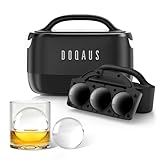
- ✅ Achieve Bar-Quality Clarity with Directional Freezing: Stop settling for cloudy, bubble-filled ice. Our clear ice cube maker utilizes advanced physics to push impurities away, creating 3 crystal-clear spheres and 4 cubes per cycle. It is the secret weapon for the home mixologist wanting presentation-ready drinks without expensive machinery.
- ✅ Preserve Complex Flavors with Slow Dilution: Designed for the purist, this whiskey ice cubes mold produces dense, 2.5-inch ice that melts 40% slower than standard ice. Enjoy your single malt or bourbon chilled but undiluted, ensuring the aromatic profile remains distinct from the first sip to the last.
- ✅ Effortless Release with Premium Hybrid Design: Unlike rigid plastic trays that crack, our flexible silicone ice ball maker mold ensures smooth removal. The non-stick material lets you pop out perfect shapes instantly, making drink preparation seamless for relaxing solo evenings or busy gatherings.
- ✅ Versatile 2-in-1 Capacity for Entertaining: Hosting a cocktail night? This round ice cube mold creates 7 pieces simultaneously, catering to different glass styles. Whether serving an Old Fashioned (sphere) or a Negroni (cube), you will have the right ice shape ready for every guest's preference.
- ✅ The Sophisticated Choice for Gifting: More than just a standard ice mold, this clear ice system is an essential upgrade for any wet bar. Packaged to impress, it creates a tangible experience, making it an ideal gift for fathers, partners, or enthusiasts who value the ritual of a perfectly poured drink.
FAQ
How do I make my frozen coffee taste like a coffee shop’s?
Coffee shops often use specific syrups and high-powered blenders. You can replicate this by using quality syrups for flavor and sweetness, and by brewing a strong coffee concentrate that can stand up to the ice.
Can I use leftover hot coffee?
Yes, but you absolutely must chill it thoroughly first. Leaving hot coffee out will melt your ice and dilute the flavor, leading to a disappointing drink.
What’s the best way to chill coffee for frozen drinks?
The fastest way is an ice bath. Pour hot coffee into a metal container, then place that container in a larger bowl filled with ice and water. Stir frequently. Freezing it in an ice cube tray is also a great option.
How much ice should I use?
A good starting point is filling your blender about halfway to two-thirds full with ice after adding your liquid ingredients. You can always add more if it’s too thin, but it’s harder to fix if it’s too thick and icy.
What if I don’t have a good blender?
You can still make a decent frozen coffee. Brew your coffee extra strong, chill it well, and then pour it over a generous amount of ice in a sturdy glass. Stir it vigorously with a spoon until it’s slushy. It won’t be perfectly smooth, but it’ll be cold and caffeinated.
Can I make this dairy-free?
Absolutely. Use non-dairy milk (like almond, oat, or soy) as your liquid base if you’re adding milk, or just use water and your coffee concentrate. Many syrups are also dairy-free.
How do I get a thicker consistency?
Besides using less liquid and more ice, you can add a small amount (like 1/4 teaspoon) of xanthan gum before blending. This natural food thickener helps create a smoother, more stable frozen texture.
What this page does NOT cover (and where to go next)
- Specific blender models and their capabilities. (Consider researching blender reviews based on your budget and needs.)
- Detailed nutritional information for various sweeteners and additions. (Check product labels or use online calculators.)
- Advanced latte art techniques for frozen drinks. (Look for specialty beverage and mixology guides.)
- Commercial-grade coffee brewing equipment. (Consult professional barista resources.)
- The science of ice crystal formation in beverages. (Explore culinary science or food engineering topics.)