
Which Coffee Makers Produce Superior Coffee?
Quick answer
- The best coffee makers for superior coffee often feature precise temperature control, allowing water to reach optimal brewing temperatures (195-205°F).
- Look for machines with good water distribution systems that saturate the coffee grounds evenly.
- Consider brew basket design and filter type; cone filters can allow for better extraction than flat-bottomed ones.
- Programmable features and built-in grinders can enhance convenience and freshness, contributing to better taste.
- Simplicity in design and ease of cleaning are also important factors for consistent, superior coffee.
- Ultimately, superior coffee also depends heavily on the quality of your beans and your grinding technique.
Buying priorities
- Brewing Temperature: Aim for machines that can maintain a consistent water temperature between 195°F and 205°F, which is ideal for extracting the best flavors from coffee grounds.
- Water Distribution: A showerhead design that evenly wets all coffee grounds ensures uniform extraction and prevents bitter or weak spots in your brew.
- Filter Type and Basket Design: Cone-shaped filters generally allow for slower water flow and better extraction compared to flat-bottomed filters. The basket should hold grounds effectively.
- Material Quality: Stainless steel or BPA-free plastics are preferred for components that come into contact with water and coffee, ensuring no off-flavors are imparted.
- Carafe Type: Thermal carafes keep coffee hot for longer without “cooking” it on a hot plate, preserving flavor. Glass carafes are often more affordable but require a hot plate.
- Grinder Integration: A built-in burr grinder ensures fresh grounds for every brew, which is a significant factor in coffee quality.
- Ease of Cleaning: Removable, dishwasher-safe parts and descaling indicators simplify maintenance, crucial for consistent taste.
- Capacity: Consider how much coffee you typically brew to ensure the machine meets your household’s needs, from single cups to full pots.
- Brew Strength Control: Some machines offer options to adjust brew strength, allowing for customization to personal preference.
- Certifications: Look for certifications like SCA (Specialty Coffee Association) Gold Standard, which indicates the machine meets rigorous brewing standards.
Feature comparison
- Brew Method: Drip coffee makers are the most common, but some advanced models offer pour-over simulation or cold brew capabilities.
- Capacity: Varies widely, from single-serve machines (e.g., 8-12 oz) to full-pot brewers (e.g., 8-14 cups, or about 40-70 oz).
- Temperature Control: High-end models maintain precise temperatures (195-205°F). Others may have less control, potentially affecting extraction.
- Filter Type: Most use paper filters (cone or basket style). Some have reusable metal or mesh filters, which can allow more oils and sediment through.
- Cleaning: Ranges from fully automatic descaling cycles and dishwasher-safe parts to manual scrubbing.
- Footprint: Can vary from compact countertop models (e.g., 6″ W x 10″ D) to larger units (e.g., 12″ W x 15″ D).
- Grinder: Some include a built-in burr grinder for maximum freshness; others require a separate grinder.
- Carafe: Thermal carafes (stainless steel) maintain temperature without a heating element, preserving flavor. Glass carafes often sit on a warming plate, which can degrade coffee quality over time.
- Water Reservoir: Fixed reservoirs are common, but some offer removable ones for easier filling and cleaning.
- Programmability: Features like auto-start timers, brew strength selection, and auto-shutoff enhance user experience and convenience.
- Pre-infusion/Bloom Cycle: Some machines saturate grounds briefly before full brewing, mimicking pour-over techniques for better bloom and extraction.
- Water Filtration: Built-in water filters can improve taste by removing impurities from tap water.
For a reliable and straightforward brewing experience, a quality drip coffee maker is a fantastic choice. We recommend checking out the drip coffee maker for its consistent performance.
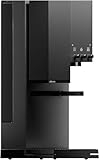
- 1. Three Levels of Automation for Any Skill Level: Choose from Autopilot, Copilot, or Free Solo mode. Autopilot handles the entire brewing process automatically. Copilot provides step-by-step guidance. Free Solo gives you full manual control. This coffee machine works for beginners and professional baristas alike.
- 2. Intuitive User Interface with Tactile Knobs and LED Matrix: The Studio features physical control knobs and a clear LED Matrix display. You can adjust grind size, water temperature, and flow rate in real time without navigating complicated touchscreen menus.
- 3. Full Customization via the xBloom App: Use the xBloom app to create, adjust, save, and share your favorite coffee recipes. Every brewing parameter can be fine-tuned and synced to the machine instantly. Your perfect cup is saved and repeatable.
- 4. Compostable xPod System for Minimal Waste and Maximum Flavor: Each xPod contains carefully selected whole beans and a built-in filter. Tap the recipe card, pour the beans into the grinder, place the pod into the dock, and press start. No capsules, no extra paper filters, no unnecessary waste.
- 5. What Is Included in the Box: The package includes the xBloom Studio, Omni Dripper 2 with Hyperflow Bottom, 10 paper filters, xPod Dock, Magnetic Dosing Cup, default recipe card, quick start guide, cleaning brush, universal power cord, and a 2-Year xbloom brand warranty. Everything you need is included—along with long-term peace of mind.
How to choose step-by-step
1. Assess your daily coffee needs.
- What to do: Think about how many cups of coffee you and your household typically drink in a day.
- What “good” looks like: If you’re usually brewing for one or two, a smaller capacity machine (e.g., 4-6 cups) is sufficient. For a family or office, a 10-14 cup brewer is more appropriate.
- Common mistake and how to avoid it: Buying a large pot brewer when you only drink one cup. This leads to stale coffee if you don’t drink it all, or wasted energy heating a large amount of water. Avoid this by being realistic about your consumption.
2. Determine your preferred brew method.
- What to do: Decide if you want a standard drip coffee maker, or if you’re interested in features like cold brew or single-serve pods.
- What “good” looks like: A standard drip machine is versatile and widely available. If you enjoy cold brew, look for machines specifically designed for it.
- Common mistake and how to avoid it: Choosing a machine with a brew method you won’t use. For example, buying a single-serve pod machine if you prefer to grind your own beans. Avoid this by focusing on the brewing style that best suits your taste and habits.
3. Consider your budget.
- What to do: Set a price range you’re comfortable with.
- What “good” looks like: Coffee makers range from under $50 to over $300. A good mid-range option (e.g., $100-$200) often balances features and quality.
- Common mistake and how to avoid it: Overspending on features you don’t need or buying the cheapest option and being disappointed with the coffee quality. Avoid this by researching features within your budget and reading reviews for that price point.
4. Prioritize brewing temperature control.
- What to do: Look for coffee makers that heat water to the ideal brewing range of 195-205°F.
- What “good” looks like: Machines with SCA certification or those that explicitly state their brewing temperature capabilities are good indicators.
- Common mistake and how to avoid it: Purchasing a machine that heats water to lower temperatures, resulting in under-extracted, sour coffee. Avoid this by checking product specifications or reviews for temperature accuracy.
5. Evaluate the water delivery system.
- What to do: Examine how the machine distributes hot water over the coffee grounds.
- What “good” looks like: A wide, multi-stream showerhead that evenly saturates the grounds is ideal for consistent extraction.
- Common mistake and how to avoid it: Using a machine with a narrow water outlet that only wets a portion of the grounds, leading to uneven extraction and poor flavor. Avoid this by looking for descriptions of the showerhead design.
6. Check the filter and brew basket design.
- What to do: Consider whether you prefer paper or reusable filters, and the shape of the brew basket.
- What “good” looks like: Cone-shaped baskets often work well with cone filters, allowing for a slower, more controlled flow. Reusable filters can be convenient but may require more cleaning.
- Common mistake and how to avoid it: Using a machine with a basket that doesn’t fit your preferred filter type, or a design that causes grounds to bypass the filter. Avoid this by confirming filter compatibility and basket construction.
7. Decide on carafe type.
- What to do: Choose between a thermal carafe or a glass carafe with a warming plate.
- What “good” looks like: A thermal carafe keeps coffee hot for hours without a heating element, preserving flavor.
- Common mistake and how to avoid it: Opting for a glass carafe with a warming plate if you often let coffee sit for extended periods. The heat can “cook” the coffee, leading to a burnt or bitter taste. Avoid this by understanding how warming plates affect coffee flavor.
8. Consider convenience features.
- What to do: Think about features like programmability, built-in grinders, and ease of cleaning.
- What “good” looks like: A programmable timer for morning coffee, a built-in burr grinder for freshness, and removable, dishwasher-safe parts for easy cleanup are highly desirable.
- Common mistake and how to avoid it: Forgetting about maintenance. A machine that is difficult to clean can lead to mold and affect the taste of your coffee over time. Avoid this by prioritizing machines with accessible parts and clear cleaning instructions.
Common mistakes (and what happens if you ignore them)
| Mistake | What it causes | Fix |
|---|---|---|
| Using stale, pre-ground coffee | Flat, dull, or bitter taste; loss of aromatic compounds. | Grind beans fresh just before brewing. Store whole beans in an airtight container away from light and heat. |
| Incorrect coffee-to-water ratio | Weak, watery coffee (too little coffee) or overly strong, bitter coffee (too much coffee). | Start with a 1:15 to 1:18 ratio (e.g., 1 gram of coffee to 15-18 grams of water) and adjust to taste. Use a scale for accuracy. |
| Brewing with water that’s too hot or cold | Under-extracted, sour coffee (too cold); over-extracted, bitter coffee (too hot). | Ensure your coffee maker heats water between 195-205°F. If using a manual method, use a thermometer. |
| Not cleaning the coffee maker regularly | Buildup of coffee oils, mineral deposits (scale), and potential mold, leading to off-flavors and odors. | Descale your machine monthly and clean removable parts weekly. Follow manufacturer instructions for descaling. |
| Using poor-quality or filtered water | Off-flavors from impurities in tap water; scale buildup in the machine. | Use filtered or bottled water. If using tap water, ensure it’s clean and free of strong odors or tastes. |
| Grinding coffee too fine or too coarse | Too fine: clogs filter, leads to over-extraction and bitterness. Too coarse: water passes too quickly, weak. | Use a burr grinder for consistent particle size. Adjust grind size based on your brew method and machine type. |
| Overfilling the brew basket | Grounds can overflow, leading to a mess and uneven extraction, or coffee can brew too quickly and weakly. | Measure your coffee grounds accurately and ensure they don’t exceed the fill line of the brew basket. |
| Letting coffee sit on a warming plate | Coffee becomes “cooked,” developing a burnt, bitter, and stale taste. | Use a thermal carafe, or brew only what you will drink immediately. Reheat gently if necessary, but avoid prolonged warming. |
| Incorrectly storing coffee beans | Loss of freshness and flavor due to exposure to air, light, moisture, and heat. | Store whole beans in an opaque, airtight container at room temperature. Avoid the refrigerator or freezer for daily use beans. |
| Not pre-rinsing paper filters | Paper taste can be imparted to the coffee. | Rinse paper filters with hot water before adding coffee grounds to remove any papery taste and preheat the brew basket. |
Decision rules (simple if/then)
- If you drink multiple cups daily and want to keep them hot without affecting flavor, then choose a coffee maker with a thermal carafe because warming plates can degrade coffee quality over time.
- If you value the freshest possible coffee, then opt for a machine with a built-in burr grinder because grinding beans immediately before brewing preserves volatile aromas and flavors.
- If you want to avoid bitter or sour coffee, then select a coffee maker that heats water to the optimal 195-205°F range because this temperature is crucial for proper coffee extraction.
- If you are sensitive to subtle flavors, then look for a machine with an even water distribution system (e.g., a wide showerhead) because this ensures all coffee grounds are saturated uniformly, leading to balanced extraction.
- If you prefer a rich, full-bodied cup with some oils, then consider a coffee maker that uses a metal or mesh filter because paper filters can trap these oils.
- If you have limited counter space, then choose a compact coffee maker with a smaller footprint because larger machines can take up valuable kitchen real estate.
- If you want to customize your coffee strength, then look for a brewer with adjustable brew strength settings because this allows you to tailor the coffee to your personal preference.
- If you are concerned about mineral buildup affecting taste and machine longevity, then select a coffee maker with a water filtration system or plan to use filtered water because hard water can cause scale.
- If you want to wake up to freshly brewed coffee, then choose a programmable coffee maker with a timer because you can set it the night before.
- If you are on a tight budget, then a basic drip coffee maker without advanced features can still produce good coffee if paired with quality beans and proper technique, because the core brewing process is what matters most.
- If you want to easily maintain your machine and ensure consistent taste, then prioritize models with removable, dishwasher-safe parts and clear descaling indicators because regular cleaning is vital.
- If you are interested in brewing different coffee styles, then explore machines that offer multi-brew capabilities, such as cold brew or single-serve options, because they provide greater versatility.
FAQ
Q: Do some coffee makers really make better coffee than others?
A: Yes, the design and features of a coffee maker significantly impact the quality of the brew. Factors like temperature control, water distribution, and filter type all play a role in how well coffee is extracted.
Q: What is the ideal brewing temperature for coffee?
A: The Specialty Coffee Association (SCA) recommends a brewing temperature between 195°F and 205°F. This range is optimal for extracting the desirable flavors from coffee grounds without burning them.
Q: Is a built-in grinder necessary for superior coffee?
A: While not strictly necessary, a built-in burr grinder can greatly enhance coffee quality by allowing you to grind beans immediately before brewing, preserving their freshness and aroma.
Q: What’s the difference between a thermal carafe and a glass carafe with a warming plate?
A: A thermal carafe uses insulation to keep coffee hot for hours without a heating element, preserving flavor. A glass carafe sits on a warming plate, which can overheat and “cook” the coffee, leading to a burnt taste if left on too long.
Q: How often should I clean my coffee maker?
A: It’s recommended to clean removable parts daily or weekly, and to descale the machine every 1-3 months, depending on your water hardness and usage. Regular cleaning prevents mineral buildup and coffee oil residue that can affect taste.
Q: Can I use tap water in my coffee maker?
A: You can use tap water if it tastes good and is free of strong odors or chlorine. However, filtered or bottled water is generally preferred as it can improve coffee flavor and reduce scale buildup in the machine.
Q: What does “SCA Certified” mean for a coffee maker?
A: SCA certification means a coffee maker has been tested and meets rigorous standards set by the Specialty Coffee Association for brewing quality, including water temperature, brew time, and extraction.
Q: Does the filter type matter for coffee taste?
A: Yes, the filter type can influence taste. Paper filters tend to trap more oils and sediment, resulting in a cleaner cup. Metal or mesh filters allow more oils and fine particles to pass through, which can lead to a richer, fuller-bodied brew.
Q: How important is the coffee-to-water ratio?
A: Very important. The ratio affects the strength and flavor of your coffee. A common starting point is 1:15 to 1:18 (coffee to water by weight), but this can be adjusted to personal preference.
What this page does NOT cover (and where to go next)
- Specific Brand Recommendations: This guide focuses on features and principles, not specific product endorsements. For brand-specific reviews, consult reputable consumer testing publications or coffee enthusiast websites.
- Detailed Grinding Techniques: While grinder importance is mentioned, advanced grinding techniques, burr vs. blade grinder comparisons, and grind size charts are not covered here. Explore guides on coffee grinding for more in-depth information.
- Advanced Brewing Science: The nuances of extraction chemistry, water mineral content impact, and specific roast profiles are complex topics not detailed in this overview. For deeper scientific understanding, research coffee brewing science resources.
- Maintenance for Specific Models: Detailed cleaning and descaling instructions vary by manufacturer. Always refer to your coffee maker’s user manual for model-specific care.
- Espresso and Other Specialty Brewing Methods: This article primarily addresses drip coffee makers. If you’re interested in espresso, Moka pots, Aeropress, or French presses, you’ll need to seek out guides dedicated to those brewing methods.