
When Too Much Coffee Makes You Feel Unwell
Quick answer
- Consuming excessive amounts of coffee can lead to a range of unpleasant physical and mental symptoms, often referred to as feeling “sick” or unwell.
- Common symptoms include jitters, anxiety, rapid heartbeat, upset stomach, headaches, and difficulty sleeping.
- The primary culprit is caffeine, a stimulant that affects the central nervous system.
- Individual sensitivity to caffeine varies greatly, meaning what’s “too much” for one person might be fine for another.
- Factors like body weight, metabolism, and regular caffeine intake influence how your body reacts.
- Reducing your coffee intake, staying hydrated, and considering decaffeinated options can help alleviate these symptoms.
If you’re experiencing negative effects from too much caffeine, consider switching to decaffeinated coffee. It offers the familiar taste without the stimulating jolt.

- Balanced, full-bodied medium roast with a smooth finish
- One 12-ounce bag of ground coffee
- Decaffeinated
- 100% Arabica coffee grown in Colombia
- Roasted and packed in the U.S.A.
Key terms and definitions
- Caffeine: A naturally occurring stimulant found in coffee beans, tea leaves, and cocoa beans, known for its energizing effects.
- Stimulant: A substance that raises levels of physiological or nervous activity in the body.
- Dosage: The amount of a substance, such as caffeine, consumed at one time.
- Sensitivity: The degree to which an individual’s body reacts to a particular substance or stimulus.
- Withdrawal: The physical and mental symptoms that occur after stopping or significantly reducing the intake of a substance that the body has become dependent on.
- Gastrointestinal (GI) Upset: Discomfort or pain in the stomach or intestines, often characterized by nausea, bloating, or diarrhea.
- Anxiety: A feeling of worry, nervousness, or unease, typically about an imminent event or something with an uncertain outcome.
- Insomnia: Persistent problems falling or staying asleep.
- Dehydration: A condition where the body loses more fluid than it takes in.
- Metabolism: The chemical processes that occur within a living organism in order to maintain life.
How it works
- Coffee contains caffeine, a psychoactive stimulant that blocks adenosine, a neurotransmitter that promotes relaxation and sleepiness.
- By blocking adenosine, caffeine increases the activity of other neurotransmitters like dopamine and norepinephrine, leading to increased alertness and energy.
- This stimulation affects the central nervous system, impacting brain function and various bodily processes.
- Caffeine can also stimulate the release of adrenaline, the “fight or flight” hormone, which can cause a rapid heartbeat and increased blood pressure.
- For some individuals, caffeine can increase stomach acid production, potentially leading to heartburn or an upset stomach.
- It can also act as a mild diuretic, meaning it can increase urine production, though this effect is generally minimal in regular coffee drinkers.
- The body metabolizes caffeine, breaking it down into various compounds that have different effects.
- The speed at which your body metabolizes caffeine is influenced by genetics and other factors.
- When consumed in large quantities, the stimulating effects can become overwhelming, leading to negative physical and mental responses.
- These overwhelming responses are what people often describe as feeling “sick” or unwell from too much coffee.
What affects the result
- Caffeine Content: Different coffee beans and brewing methods yield varying levels of caffeine per serving. A strong espresso shot has more caffeine than a large drip coffee, for example.
- Serving Size: Simply put, drinking more cups of coffee means consuming more caffeine. A 16 oz cup will have more impact than an 8 oz cup.
- Individual Sensitivity: Genetics play a significant role in how efficiently your body processes caffeine. Some people are “fast metabolizers,” while others are “slow metabolizers.”
- Body Weight: Generally, a larger person can tolerate more caffeine than a smaller person before experiencing negative effects.
- Regular Consumption: If you drink coffee daily, your body may develop a tolerance to caffeine, requiring more to feel the same effects and potentially masking the symptoms of overconsumption.
- Time of Day: Consuming coffee late in the day can interfere with sleep, leading to fatigue and other issues that might be compounded by caffeine’s stimulant effects.
- Other Stimulants: Combining coffee with other caffeinated beverages (like energy drinks or certain sodas) or supplements can significantly increase your total caffeine intake.
- Medications: Certain medications can interact with caffeine, either increasing its effects or slowing down its metabolism, leading to amplified symptoms.
- Hydration Levels: Being dehydrated can sometimes make the effects of caffeine feel more pronounced. Staying well-hydrated can help mitigate some adverse reactions.
- Brewing Method: Methods like cold brew can result in a smoother, less acidic coffee, which might be easier on the stomach for some, while others might experience more acidity from French press coffee.
- Freshness of Beans: While not directly related to caffeine’s physiological effects, stale beans can produce a less palatable cup, which might contribute to a general feeling of unease.
- Food Intake: Drinking coffee on an empty stomach can lead to faster absorption of caffeine and a more intense experience, potentially causing stomach upset.
Pros, cons, and when it matters
- Pro: Increased Alertness and Focus: Coffee can temporarily boost cognitive functions, making it easier to concentrate on tasks. This is beneficial for demanding work or study sessions.
- Con: Jitters and Anxiety: Too much caffeine can overstimulate the nervous system, leading to shakiness, nervousness, and a feeling of unease. This is problematic when trying to relax or perform tasks requiring fine motor skills.
- Pro: Improved Physical Performance: Caffeine can enhance athletic performance by increasing adrenaline and mobilizing fatty acids from fat tissues. Useful for athletes during training or competition.
- Con: Sleep Disturbances: The stimulant properties of caffeine can make it difficult to fall asleep or stay asleep, especially when consumed close to bedtime. This is a major concern for individuals with sleep disorders or those needing consistent rest.
- Pro: Antioxidant Properties: Coffee contains antioxidants that may contribute to overall health.
- Con: Digestive Issues: For some, coffee can trigger heartburn, acid reflux, or an upset stomach due to increased stomach acid production. This matters for individuals with pre-existing gastrointestinal sensitivities.
- Pro: Social and Ritualistic Aspect: Coffee drinking is a common social activity and a comforting daily ritual for many.
- Con: Dependency and Withdrawal: Regular high consumption can lead to caffeine dependency, resulting in headaches, fatigue, and irritability if intake is stopped abruptly. This matters for those who want to reduce their reliance on stimulants.
- Pro: Mood Enhancement: Caffeine can temporarily lift mood for some individuals.
- Con: Rapid Heartbeat and Palpitations: Excessive caffeine can cause a racing heart or noticeable palpitations, which can be alarming and uncomfortable. This is a concern for individuals with heart conditions.
- Pro: Potential for Increased Metabolism: Caffeine can slightly boost metabolic rate, though the effect is usually modest.
- Con: Headaches: While caffeine can alleviate some headaches, overconsumption or withdrawal can also trigger them. This is a double-edged sword for headache sufferers.
Common misconceptions
- Misconception: All coffee has the same amount of caffeine.
- Reality: Caffeine content varies significantly based on bean type, roast level, grind size, and brewing method.
- Misconception: Coffee is inherently dehydrating.
- Reality: While caffeine is a mild diuretic, the water in coffee largely offsets this effect for most regular drinkers.
- Misconception: Only strong coffee has a lot of caffeine.
- Reality: A large cup of weaker drip coffee can contain more total caffeine than a small, strong shot of espresso.
- Misconception: Caffeine affects everyone equally.
- Reality: Individual sensitivity, metabolism, and tolerance levels differ greatly.
- Misconception: Coffee is bad for your heart.
- Reality: For most healthy adults, moderate coffee consumption is not linked to increased risk of heart disease. However, excessive intake can cause temporary increases in heart rate and blood pressure.
- Misconception: You can “sweat out” the caffeine.
- Reality: Caffeine is metabolized by the liver. While exercise can increase metabolism slightly, it doesn’t directly remove caffeine from your system.
- Misconception: Decaf coffee has zero caffeine.
- Reality: Decaffeinated coffee still contains a small amount of caffeine, though significantly less than regular coffee.
- Misconception: Coffee is the only source of caffeine.
- Reality: Caffeine is also found in tea, soda, chocolate, and many energy drinks and supplements.
- Misconception: More coffee always means more energy.
- Reality: Consuming too much caffeine can lead to an energy crash, anxiety, and fatigue, counteracting the desired effect.
- Misconception: Coffee stains your teeth significantly more than other beverages.
- Reality: While coffee can contribute to staining, acidic beverages and dark-colored drinks can also have similar effects.
FAQ
Q: What is considered “too much” coffee?
A: There’s no single answer, as it depends heavily on individual sensitivity. However, for most healthy adults, the FDA suggests up to 400 milligrams of caffeine per day (about 4 cups of brewed coffee) is generally safe. Consuming more than this can increase the risk of experiencing negative side effects.
Q: What are the most common symptoms of drinking too much coffee?
A: The most frequent symptoms include jitters, anxiety, a racing heart, upset stomach, headaches, and difficulty sleeping. Some people may also experience dizziness or irritability.
Q: Can I get sick from drinking too much coffee?
A: Yes, you can feel unwell or “sick” from consuming excessive amounts of coffee. This is usually due to the overstimulation of your nervous system by caffeine, leading to the unpleasant symptoms mentioned above. It’s not typically a sign of a serious illness but rather an overreaction of your body to the caffeine dose.
If you’re feeling unwell from too much coffee, exploring coffee alternatives can be a great way to enjoy a warm beverage without the caffeine. Many options mimic the taste and ritual of coffee.

- CLOSE TO COFFEE TASTE: Experience a delightful Turkish-style sip with this coffee substitute; its flavor profile is made from healthy date seeds but resembles traditional coffee; perfect for those seeking a non coffee alternative
- CAFFEINE-FREE DELIGHT: Enjoy the rich aroma crafted from decaffeinated date seeds, you can enjoy the delicious taste of coffee without compromising on taste or experiencing side effects from caffeine
- VEGAN FRIENDLY CHOICE: Our herbal beverage is ideal for vegans or those following a plant-based diet; enjoy the closer-to-coffee taste without any animal products
- EASY TO MAKE: Our coffee alternative is made just like regular Turkish coffee; simply add one to two teaspoons of our ground Eastern Brew to your cezve filled with water for a perfect brew
- ORGANIC & HEALTHY: A healthy coffee alternative, date seeds are a natural source of antioxidants and polyphenols, which may help promote heart health; gluten-free, no artificial ingredients, colors, or flavors
Q: How quickly do coffee’s effects wear off?
A: The effects of caffeine typically begin within 15-45 minutes of consumption and can last for several hours. The half-life of caffeine (the time it takes for your body to eliminate half of it) is generally around 5 hours, but this can vary.
Q: What should I do if I feel sick from drinking too much coffee?
A: The best approach is to stop consuming coffee immediately. Drink plenty of water to stay hydrated, and try to relax. If symptoms are severe or persistent, consider consulting a healthcare professional.
Q: Can I develop a tolerance to coffee?
A: Yes, regular consumption of caffeine can lead to tolerance, meaning you may need to drink more coffee to achieve the same stimulating effects. This can also make you more susceptible to withdrawal symptoms if you stop drinking it.
Q: Does drinking coffee on an empty stomach make it worse?
A: For some people, drinking coffee on an empty stomach can lead to faster absorption of caffeine and may exacerbate symptoms like stomach upset or jitters. Eating a small snack before or with your coffee can sometimes help mitigate these effects.
Q: Are there any long-term health risks associated with drinking too much coffee?
A: While moderate coffee consumption is generally considered safe and may even have health benefits, chronic excessive intake could potentially contribute to issues like chronic insomnia, persistent anxiety, or exacerbate pre-existing conditions like heart arrhythmias or ulcers.
For those who enjoy the focus caffeine provides but want more control, consider caffeine supplements. They allow for precise dosing, helping you avoid the pitfalls of excessive coffee intake.
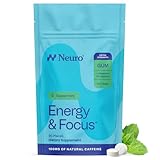
- Fast-Acting Nootropic - Our energy supplements deliver an extra boost of energy and clarity with a blend of natural caffeine, L-theanine, and vitamin b6 & b12. Your go-to chewing gum for work, exercise, and daily focus!
- Clean Energy - Each piece of our sugar free gum delivers 100mg of natural caffeine from green coffee beans for a smooth energy boost without crashes or jitters.
- The Perfect Balance - With 60mg of L-theanine per piece, our energy and focus formula promotes enhanced focus and stress reduction to smooth energy boosts.
- How to Use - Chew one piece of the caffeine gum whenever focus or energy is lacking. Ideal for mornings, pre-workout, or afternoon slumps. Effects typically kick in within minutes thanks to optimal absorption through the mouth.
- Made by Neuro, Backed by Science - At Neuro, we combine neuroscience with clean, science backed ingredients to help you do more, think better, and feel your best every single day.
What this page does NOT cover (and where to go next)
- Specific caffeine content for every brand and brewing method. For precise numbers, consult product packaging or brewing guides.
- Medical advice for severe or persistent symptoms. If you experience concerning health issues, please consult a qualified healthcare provider.
- Detailed comparisons of different coffee bean origins and their inherent caffeine levels. Researching specific varietals will provide this information.
- The complex biochemical pathways of caffeine metabolism in the human body. For in-depth scientific understanding, explore biochemistry resources.
- Recipes for specific coffee drinks or advanced brewing techniques. Look for culinary or barista training resources.