
Starbucks Decaf Iced Coffee: Is It Available?
Quick answer
- Starbucks offers decaf options for many of its iced beverages.
- You can order a decaf iced coffee by requesting decaf espresso or decaf brewed coffee.
- Many popular iced drinks can be made with decaf espresso, including lattes and macchiatos.
- While a standard “decaf iced coffee” may not be a default menu item, the components are available.
- It’s best to specify your decaf preference when ordering to ensure accuracy.
Key terms and definitions
- Decaffeination: A process that removes most of the caffeine from coffee beans.
- Espresso: Coffee brewed by forcing a small amount of nearly boiling water under pressure through finely-ground coffee beans.
- Brewed Coffee: Coffee made by steeping coffee grounds in hot water, typically in a drip coffee maker or pour-over method.
- Iced Coffee: Coffee that has been brewed hot and then cooled, usually served over ice.
- Latte: An espresso-based drink made with steamed milk and a small amount of foam.
- Macchiato: An espresso-based drink with a small amount of milk or foam, often served in layers.
- Cold Brew: Coffee made by steeping coffee grounds in cold water for an extended period, resulting in a smoother, less acidic flavor.
- Customization: The ability to modify a standard drink order to meet individual preferences.
How it works
- Starbucks uses a decaffeination process for some of its coffee beans.
- These decaf beans are then used to brew decaf espresso shots.
- Decaf brewed coffee is also available, made from decaffeinated whole beans.
- When you order an iced beverage, the barista can substitute decaf espresso or decaf brewed coffee.
- For drinks like iced lattes, decaf espresso is typically the component that is swapped.
- For a simple iced coffee, decaf brewed coffee can be prepared and chilled.
- The process ensures that the flavor profile of the drink remains largely intact, minus the caffeine.
- This allows customers to enjoy their favorite coffee beverages without the stimulating effects of caffeine.
What affects the result
- Bean Origin and Roast: The type of bean and how it’s roasted impacts the fundamental flavor, whether caffeinated or decaf.
- Decaffeination Method: Different decaffeination processes can subtly alter the bean’s taste.
- Brewing Method: Whether the decaf coffee is brewed as espresso or drip coffee will create different flavor bases.
- Grind Size: For espresso, a fine grind is crucial; for brewed coffee, it varies. Incorrect grind can lead to under or over-extraction.
- Water Quality: Filtered water is recommended to avoid off-flavors from tap water.
- Water Temperature: While less critical for iced coffee brewed hot and then chilled, it’s vital for espresso extraction.
- Coffee-to-Water Ratio: The proportion of coffee grounds to water significantly influences the strength and flavor.
- Steeping Time (for Cold Brew): If considering a decaf cold brew, the duration of steeping is key to flavor development.
- Milk and Sweeteners: Additives can mask or complement the coffee’s inherent taste.
- Ice Level: The amount of ice can dilute the beverage as it melts.
- Freshness of Beans: Older beans can lose their aromatic compounds, impacting taste.
- Cleanliness of Equipment: Residue in the brewer or espresso machine can impart unwanted flavors.
Pros, cons, and when it matters
- Pro: Caffeine Avoidance: The primary benefit is enjoying coffee flavor without the jitters, sleep disruption, or caffeine sensitivity issues.
- Con: Potential Flavor Nuances: Some argue that decaffeination can slightly alter the coffee’s complex flavor notes, though modern methods minimize this.
- Pro: Wider Beverage Accessibility: Allows individuals with health conditions or those limiting caffeine intake to still enjoy coffee shop offerings.
- Con: Not Always a Standard Option: You often need to specifically request decaf, as it might not be the default for every drink.
- Pro: Evening Enjoyment: Enables coffee lovers to have a treat later in the day without impacting sleep.
- Con: Limited Decaf Bean Variety: Starbucks may offer fewer decaf bean choices compared to their regular selection.
- Pro: Consistent Experience: For those who need decaf, it provides a way to replicate familiar coffee orders.
- Con: May Require More Specific Ordering: Customers need to be clear about their decaf preference.
- Pro: Reduced Anxiety: For some, caffeine can trigger or worsen anxiety symptoms.
- Con: Might Be Perceived as Less “Authentic” by Purists: Some coffee enthusiasts prefer the full caffeine experience for its perceived impact on flavor and aroma.
- Pro: Suitable for Pregnancy or Nursing: Decaf coffee is often recommended for individuals who need to limit caffeine intake during these times.
- Con: Still Contains Trace Amounts of Caffeine: Decaffeination is not 100% effective; a very small amount of caffeine usually remains.
Common misconceptions
- Misconception: Decaf coffee has no caffeine at all.
- Reality: Decaffeination processes remove about 97-99% of the caffeine, but trace amounts can remain.
- Misconception: Decaf coffee tastes significantly different from regular coffee.
- Reality: Modern decaffeination methods are very effective at preserving flavor. While subtle differences might exist, they are often imperceptible to most.
- Misconception: All Starbucks iced coffees are available in decaf.
- Reality: While many can be made decaf by using decaf espresso or brewed coffee, a specific “decaf iced coffee” might not be a standard menu item; it’s a customization.
- Misconception: Decaf coffee is unhealthy.
- Reality: Decaf coffee is generally considered as healthy as regular coffee, offering antioxidants without the stimulant effects.
- Misconception: Decaf coffee is made with chemicals that are harmful.
- Reality: Common decaffeination methods include water processing, Swiss Water Process, or solvent-based methods (like ethyl acetate, which occurs naturally in fruits). The solvents used are food-grade and are removed during the process.
- Misconception: Decaf coffee is just regular coffee with water added.
- Reality: Decaf coffee is made from beans that have undergone the decaffeination process before brewing.
- Misconception: Cold brew is inherently less acidic and therefore better than decaf iced coffee.
- Reality: Cold brew is less acidic due to the brewing method, not necessarily the caffeine content. Decaf iced coffee can be made using brewed hot coffee or potentially a decaf cold brew concentrate if available.
- Misconception: You can only get decaf espresso at Starbucks.
- Reality: While decaf espresso is common for many iced drinks, decaf brewed coffee is also an option for a simpler iced coffee.
FAQ
Q: Can I order a plain decaf iced coffee at Starbucks?
A: Yes, you can ask for iced coffee made with their decaf brewed coffee. It’s a customization rather than a standard menu item name.
If you’re looking for a straightforward decaf iced coffee, you can indeed order one. Just ask for iced coffee made with their decaf brewed coffee, and you’ll get a familiar taste without the caffeine kick.
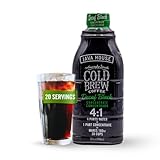
- CONCENTRATED COLD BREW: A convenient unsweetened, concentrated 4:1 strength for instant cold brew.
- JUST ADD WATER: Prepare batches of any size. mix 1 part concentrate with 4 parts water.
- BOLD FLAVOR: Molasses, walnut and cocoa hints with a touch of fruitiness and none of the bitterness.
- SMALL BATCH: Cold water steeped in small batches for 12 hours or more.
- SERVE HOT OR ICED: Premium 100% arabica coffee beans, steeped to perfection. Serve over ice or hot.
Q: How do I order a decaf iced latte?
A: Specify that you want a decaf iced latte. The barista will use decaf espresso shots for your drink.
Q: Does Starbucks offer decaf cold brew?
A: This can vary by location and availability. It’s best to ask your barista if decaf cold brew concentrate is an option.
Q: Will decaf iced coffee taste the same as regular iced coffee?
A: Modern decaffeination methods preserve flavor well. You’ll get a very similar taste profile, just without the caffeine.
Q: What is the difference between decaf iced coffee and an iced Americano with decaf espresso?
A: An iced Americano is made with espresso and water, served over ice. Decaf iced coffee is typically made with brewed coffee, chilled and served over ice.
Q: Are there any health benefits to drinking decaf coffee?
A: Decaf coffee still contains antioxidants found in regular coffee, which can be beneficial. It also avoids potential negative effects of caffeine for sensitive individuals.
Q: Is it more expensive to order a decaf version of a drink?
A: Generally, there is no additional charge for ordering a decaf version of a drink at Starbucks.
Q: Can I get decaf versions of seasonal iced drinks?
A: Most seasonal iced drinks that use espresso as a base can be made with decaf espresso. Always ask your barista for customization options.
What this page does NOT cover (and where to go next)
- Specific Starbucks decaf bean blends and their flavor profiles. (Next: Research coffee bean varietals and roaster notes.)
- The exact chemical processes involved in all decaffeination methods. (Next: Explore the science of coffee processing.)
- Brewing detailed instructions for specific Starbucks brewing equipment. (Next: Consult your coffee maker’s user manual or manufacturer’s website.)
- Comparisons of Starbucks’ decaf offerings to other coffee shop chains. (Next: Look for comparative reviews of coffee shop beverages.)