
Watch: How to Make Traditional Greek Coffee
Quick Answer
- Use a briki (the traditional pot).
- Fine grounds are key – think powdered sugar.
- Cold water is the standard.
- Sugar is usually added during brewing, not after.
- Bring it to a foam, but don’t let it boil over.
- Let the grounds settle before drinking.
Who This Is For
- Anyone curious about authentic coffee experiences.
- Folks who appreciate a ritual with their caffeine.
- Adventurous home baristas looking to expand their skills.
What to Check First
Brewer Type and Filter Type
You’ll need a briki, that’s the classic pot. It’s usually made of brass or copper. No filters here, man. The grounds stay in the cup. It’s part of the charm.
You’ll need a briki, that’s the classic pot. If you don’t have one, you can find a great selection online.

- LASTING QUALITY - This stainless steel briki coffee pot is made to last. No more rusting copper! The sturdy handle stays cool to the touch, so you can pour your hot beverage without burning yourself. Made with solid stainless steel that lasts forever.
- COMPATIBILITY - Suitable for gas, electric coil, and ceramic stovetops - heats quickly and evenly. Not compatible with induction cooktops.
- BEAUTIFUL DESIGN - Show off your new greek briki coffee pot with pride! This beautiful piece is designed to be used as a decorative item while brewing coffee or tea and still holds the same functionality of any other traditional Turkish coffee pot.
- MULTI-PURPOSE - Add a unique touch to your kitchen with this modern design. More than a coffee maker. Many uses including frothing milk for lattes, hot chocolate and brewing tea. Even use it to warm honey, melt butter and coconut oil or make sauces!
- BREW YOUR FAVORITE COFFEE - This greek coffee maker brews your favorite coffee with ease and has a capacity of 15 ounce (450ml). You will be able to share the coffee love with friends and family. Brews 3-4 espresso with ease.
Water Quality and Temperature
Start with cold, fresh water. Tap water is usually fine, but if yours is funky, filtered is better. The cold start is crucial for the foam development.
Grind Size and Coffee Freshness
This is non-negotiable. You need an ultra-fine grind. We’re talking powder, like confectioners’ sugar. If your grinder can’t do it, see if a local roaster can grind it for you. Freshly roasted beans make a difference, always.
This is non-negotiable. You need an ultra-fine grind. We’re talking powder, like confectioners’ sugar. For authentic flavor, make sure you’re using finely ground Greek coffee.
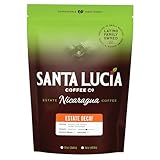
- REFINED ESTATE DECAF - Santa Lucia Coffee’s Estate Decaf Roast is naturally decaffeinated using a gentle process that preserves the bean's integrity. This smooth, full-bodied roast reveals layers of rich cocoa, toasted almond, and soft citrus. Crafted from shade-grown beans harvested on small, family-owned farms in Nicaragua’s high-altitude mountains, it delivers depth without the caffeine.
- LOW ACID, SMOOTH & GENTLE - Expertly roasted to reduce acidity while enhancing natural flavor, this decaf coffee is exceptionally smooth and easy on the stomach. Perfect for coffee lovers seeking a bold yet gentle cup, it provides everyday enjoyment without the sharpness or discomfort found in high-acid blends.
- VOLCANIC SOIL, HIGH-ALTITUDE GROWN - Our Strictly High Grown (SHG) beans mature slowly in mineral-rich volcanic soil, developing dense structure, refined acidity, and complex layers of flavor for a truly elevated coffee experience.
- SMALL-BATCH ROASTED TO PERFECTION - Expertly roasted to reduce acidity while enhancing natural flavor, this decaf coffee is exceptionally smooth and easy on the stomach. Perfect for coffee lovers seeking a bold yet gentle cup, it provides everyday enjoyment without the sharpness or discomfort found in high-acid blends.
- ETHICALLY SOURCED, WOMEN & LATIN OWNED TRADITION - Roasted by a family-run, Latin and women owned business with over 30 years of specialty coffee heritage. Santa Lucia supports sustainable practices that empower Nicaraguan farming communities.
Coffee-to-Water Ratio
A good starting point is one heaping teaspoon of coffee per demitasse cup (about 2-3 oz) of water. You can adjust this later based on your taste. It’s a bit of an art.
Cleanliness/Descale Status
Make sure your briki is clean. Old coffee residue will mess up the flavor. If it’s been a while, a quick scrub is all you need. No descaling needed for these, just a good wash.
Step-by-Step: How to Make Greek Coffee
1. Measure your water. Pour cold water into the briki for each cup you’re making. A standard demitasse cup is about 2-3 oz.
- Good looks like: The water level is below the narrow neck of the briki.
- Common mistake: Overfilling the briki. This will cause it to boil over later. Measure carefully.
2. Add sugar (optional). If you take sugar, add it now. The amount depends on how you like it: sketos (plain, no sugar), metrios (medium sugar), or glykos (sweet). A teaspoon per cup is a good starting point for metrios.
- Good looks like: Sugar dissolving into the water.
- Common mistake: Adding sugar after brewing. It won’t dissolve properly and can make your coffee gritty.
3. Add coffee grounds. Add one heaping teaspoon of your super-fine coffee grounds per cup of water. Don’t stir yet.
- Good looks like: A nice little mound of dark grounds on top of the water.
- Common mistake: Stirring too vigorously. You want the grounds to float initially.
4. Gently stir. Give it a very gentle stir, just enough to wet the grounds. Don’t overmix.
- Good looks like: The grounds are incorporated but not fully dissolved.
- Common mistake: Stirring too much, like you would for drip coffee. This can prevent the foam from forming correctly.
5. Heat slowly. Place the briki over low to medium-low heat. Patience is key here.
- Good looks like: A slow, steady increase in temperature.
- Common mistake: High heat. This will make the coffee boil too fast and scorch.
6. Watch for foam. As it heats, a dark foam will start to form around the edges and rise. This is called the kaimaki.
- Good looks like: A beautiful, thick layer of foam beginning to build.
- Common mistake: Not paying attention. The foam can rise and spill over in seconds.
7. Lift off heat. Just as the foam reaches the brim, lift the briki off the heat. Don’t let it boil over.
- Good looks like: You’ve removed it right at the peak of the foam.
- Common mistake: Letting it boil and bubble. This ruins the kaimaki and makes the coffee bitter.
8. Spoon foam. Some people like to spoon a little bit of the fresh foam into each cup before pouring the rest of the coffee. This is optional but traditional.
- Good looks like: A nice dollop of foam sitting in the bottom of your cup.
- Common mistake: Not having enough foam to spoon. This usually means you let it boil or didn’t use the right grind/heat.
9. Pour carefully. Gently pour the remaining coffee into your cups. Pour slowly to keep the grounds in the briki as much as possible.
- Good looks like: The coffee fills the cup, leaving a bit of space at the top.
- Common mistake: Pouring too fast. This stirs up the grounds and makes the coffee muddy.
10. Let it settle. Let the coffee sit for a minute or two in the cup. This allows the grounds to settle to the bottom.
- Good looks like: You can see a layer of grounds at the bottom of your cup.
- Common mistake: Drinking immediately. You’ll end up with a mouthful of grounds.
Common Mistakes (and What Happens If You Ignore Them)
| Mistake | What it Causes | Fix |
|---|---|---|
| Using a coarse grind | Water flows too fast, weak coffee, no foam | Use an ultra-fine, powder-like grind. |
| Boiling the coffee | Bitter taste, destroyed foam, burnt flavor | Remove from heat just as foam rises to the brim. |
| Using hot water | Foam doesn’t form properly, uneven extraction | Always start with cold water. |
| Adding sugar after brewing | Sugar doesn’t dissolve, gritty texture | Add sugar with the water and coffee grounds before heating. |
| Stirring too much during brewing | Prevents foam formation, can make it bitter | Stir gently only once to wet the grounds. |
| Using dirty equipment | Off-flavors, can impact foam | Wash briki thoroughly after each use. |
| Not letting grounds settle | Gritty texture, unpleasant mouthfeel | Let the coffee rest in the cup for 1-2 minutes before drinking. |
| High heat | Scorched coffee, rapid boil-over | Use low to medium-low heat and be patient. |
| Not measuring coffee/water accurately | Inconsistent strength and flavor | Start with a 1:1 ratio (heaping tsp coffee to 2-3 oz water) and adjust. |
| Using stale coffee | Flat flavor, poor foam development | Use freshly roasted beans and grind them just before brewing. |
Decision Rules
- If your coffee tastes bitter, then you likely boiled it or used too much heat. Reduce heat and remove from flame sooner next time.
- If your coffee is weak, then you need more coffee grounds or a finer grind. Increase grounds slightly or ensure grind is powder-fine.
- If you have no foam, then your grind might be too coarse, your water too hot initially, or you let it boil. Re-check grind and start with cold water, remove from heat promptly.
- If your coffee is gritty, then you didn’t let the grounds settle enough. Let it rest longer in the cup.
- If the sugar isn’t dissolving, then you added it too late. Add sugar with the coffee and water before heating.
- If the briki boils over, then you used too much heat or overfilled it. Use lower heat and measure water carefully.
- If the flavor is off, then check the cleanliness of your briki. A good scrub might be all it needs.
- If you want a stronger coffee, then add an extra half teaspoon of grounds next time.
- If you want a sweeter coffee, then add a bit more sugar at the start.
- If the foam is thin, then your grind might not be fine enough or you stirred too much. Aim for powder-fine and minimal stirring.
FAQ
What kind of coffee beans should I use?
You can use Arabica beans, which are common for Greek coffee. The key is the ultra-fine grind, not necessarily a specific bean origin.
How much coffee do I put in?
A good rule of thumb is one heaping teaspoon of coffee per 2-3 oz cup of water. Adjust to your preference for strength.
Can I use a regular coffee maker?
No, you really can’t. Greek coffee requires a specific pot called a briki and a unique brewing method to get the characteristic foam and settled grounds.
What does “kaimaki” mean?
Kaimaki refers to the thick, rich foam that forms on top of the coffee during brewing. It’s a sign of a well-made Greek coffee.
Do I have to drink the grounds?
Absolutely not. The grounds are meant to settle at the bottom of the cup. Sip slowly and leave the last bit behind.
Is it okay to add milk?
Traditional Greek coffee is usually served black. Adding milk isn’t typical for this style of brewing.
How long does it take to make?
It’s a quick process, usually only 5-7 minutes from start to finish once you get the hang of it. The heat is low, so it’s not rushed.
Can I make it ahead of time?
No, Greek coffee is best enjoyed fresh. The foam dissipates, and the flavors change quickly.
What This Page Does Not Cover (and Where to Go Next)
- Specific brand recommendations for briki or coffee beans. (Look for reviews and quality indicators.)
- Advanced foam techniques or troubleshooting complex briki issues. (Explore forums dedicated to traditional coffee brewing.)
- The history and cultural significance of Greek coffee in detail. (Search for articles on coffee traditions.)
- Variations of Greek coffee in other regions. (Research regional coffee preparation methods.)