
Using Your Hamilton Beach Coffee Maker: A Quick Start
Quick answer
- Always start with fresh, cold water.
- Use a medium grind for most Hamilton Beach models.
- Measure your coffee grounds accurately.
- Don’t overfill the brew basket.
- Clean your machine regularly.
- Check the manual for specific model instructions.
Who this is for
- New owners of a Hamilton Beach coffee maker.
- Anyone looking to get the best cup from their existing machine.
- People who want a straightforward guide to brewing.
What to check first
Brewer Type and Filter Type
Most Hamilton Beach coffee makers are standard drip machines. They usually take cone or basket-style paper filters. Some models might have a permanent mesh filter.
- Action: Identify your model. Does it use paper filters? If so, what shape? Or does it have a reusable filter?
- Good: You have the correct filter type ready.
- Mistake: Using the wrong filter size or type. This can lead to grounds in your coffee or a messy overflow. Always double-check the filter shape and size requirements for your specific Hamilton Beach model.
Water Quality and Temperature
Tap water can have minerals that affect taste. Filtered water is usually best for a clean cup. Always use cold water; the machine heats it up.
- Action: Use fresh, cold, filtered water.
- Good: Water is clear and has no off-putting smells.
- Mistake: Using hot water or water that’s been sitting out. This can affect brewing temperature and extraction. Fresh, cold water is key.
Grind Size and Coffee Freshness
The grind size is super important. Too fine, and it’ll be bitter. Too coarse, and it’ll be weak. Freshly ground beans make a big difference.
For the freshest coffee, consider investing in a quality burr grinder to achieve that perfect medium grind.
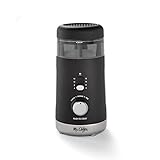
- Hands-free Grinding: Automatic settings for efficient, stress-free use
- Chamber Cleaning System: Twists to clean grounds from chamber walls
- Versatile Uses: 5 grind settings to customize your grind - fine to coarse
- Easy to Clean: Removable grinding chamber ensures mess-free cleaning
- Brew Control: 4-12 cup selector to grind only what you need
- Action: Grind your coffee beans just before brewing. Aim for a medium grind, similar to table salt.
- Good: The grounds look even, not powdery or chunky.
- Mistake: Using pre-ground coffee that’s been sitting around. It loses its flavor fast. Also, using a grind that’s too fine (like for espresso) will clog the filter.
Coffee-to-Water Ratio
This is where you control the strength. A good starting point is 1-2 tablespoons of coffee grounds per 6 oz of water.
To ensure consistent strength, using dedicated coffee scoops can help you measure accurately every time.

- [What makes the Doosu coffee scoop so heavy duty and rustproof?] Crafted from 18/8 food-grade stainless steel, Doosu coffee bean scoop is rust-proof, corrosion-resistant and dishwasher safe. Designed with integrated structure and thickened handle, the coffee measuring spoon won’t bend, break or wrap when scooping heavy coffee beans or dense powder. Unlike plastic or wooden scoops that can absorb lingering smells from spices, tea, or coffee, its non-porous surface resists odor absorption.
- [Why does Doosu design coffee spoon with a short handle?] Our measuring spoon is short enough to fit into coffee bags, canisters, or storage jars. Just store it alongside your coffee beans. No more searching for your tbsp scoop next time you brew coffee. Whether you're brewing at home or packing it for travel, the space-saving design makes it both practical and easy to store. Plus, its shorter length gives you better control and a more stable grip when scooping and mixing.
- [Is Doosu coffee scoop easy to grip and comfortable to hold?] The edges of both the scoop bowl and handle are polished for a comfortable grip, with no sharp spots to scratch hands or coffee containers. The brushed stainless steel finish not only gives it a refined matte look, but also helps resist fingerprints, water spots. The ergonomic handle has a slight thumb indent for a secure grip. And seamless design avoids the handle breaking and food buildup in crevices, so easy to rinse.
- [What ensures Doosu coffee scoop maintain permanently accurate measurements?] Unlike printed markings that can wear off over time, our deeply engraved markings are easy to read and will never fade. The handle is engraved with US (TBSP) and metric (ML) measurements, no need to convert measurement units, adapting directly to all popular coffee brewing ratios. The clear markings ensure consistent accuracy cup after cup, making every brew a balanced experience.
- [What else can you measure besides coffee?] Doosu coffee spoon is more than just for coffee, can be used in all aspects of daily life. Tea lovers can use it to measure loose leaf tea. When baking, it can accurately dispense sugar, flour, baking powder and baking soda. Fitness enthusiasts can use it to measure protein powder, supplements or formula. People who like DIY can use it to dispense bath salts, beauty powders, etc. Also great for scooping spices, herbs.
- Action: Measure your coffee grounds and water.
- Good: You’re using a consistent ratio for each brew.
- Mistake: Guessing the amount. This leads to inconsistent coffee, either too strong or too weak. Use a scoop or scale for accuracy.
Cleanliness/Descale Status
A clean machine makes good coffee. Old coffee oils can build up and make your brew taste stale or bitter.
- Action: Make sure your carafe and brew basket are clean. If you haven’t descaled recently, now’s a good time.
- Good: The machine looks and smells clean.
- Mistake: Brewing with a dirty carafe or brew basket. This is an easy way to ruin a fresh pot. Regular cleaning is non-negotiable.
Step-by-step (brew workflow)
1. Fill the Water Reservoir: Pour fresh, cold, filtered water into the reservoir up to the desired cup marking.
- Good: The water level is clearly visible and matches your intended brew size.
- Mistake: Overfilling the reservoir, which can cause overflow or improper brewing. Always check the max fill line.
2. Insert Filter: Place the correct type and size of filter (paper or permanent) into the brew basket.
- Good: The filter sits snugly in the basket without creasing or gaps.
- Mistake: Forgetting to insert a filter or using one that’s torn. This is a recipe for grounds in your coffee.
3. Add Coffee Grounds: Measure your coffee grounds and add them to the filter. A common starting point is 1-2 tablespoons per 6 oz of water.
- Good: The grounds are evenly distributed in the filter.
- Mistake: Packing the grounds down. This can impede water flow. Just let them sit loosely.
4. Close Brew Basket: Securely close the brew basket lid or compartment.
- Good: The basket is properly seated and locked.
- Mistake: Not closing the brew basket fully. This can prevent the machine from starting or cause steam to escape improperly.
5. Place Carafe: Ensure the carafe is correctly positioned on the warming plate.
- Good: The carafe sits flush with the plate and is centered under the brew basket.
- Mistake: Not placing the carafe correctly. Some machines have a pause-and-serve mechanism that won’t work if the carafe isn’t in place.
6. Turn On Brewer: Press the power button or flip the switch to begin the brewing cycle.
- Good: The indicator light comes on, and you hear the machine start to heat up.
- Mistake: Forgetting to turn the machine on. Seems obvious, but it happens when you’re half-asleep!
7. Brewing Process: Wait for the machine to complete its brew cycle. It will heat the water and drip it through the grounds.
- Good: Coffee is steadily dripping into the carafe.
- Mistake: Interrupting the brew cycle by removing the carafe too early (unless it’s a pause-and-serve feature). This can lead to overflow.
8. Serve: Once brewing is complete, carefully remove the carafe and pour your coffee.
- Good: Hot, fresh coffee fills your mug.
- Mistake: Trying to pour coffee before the brew cycle is finished, risking spills and a weak final cup.
9. Turn Off Brewer: Most Hamilton Beach models have auto-shutoff, but it’s good practice to turn it off manually when done.
- Good: The indicator light is off.
- Mistake: Leaving the machine on indefinitely. This is a safety hazard and wastes energy.
10. Clean Up: Discard used grounds and rinse the brew basket and carafe.
- Good: Everything is clean and ready for the next brew.
- Mistake: Leaving used grounds in the filter for extended periods. They can mold and attract pests.
Common mistakes (and what happens if you ignore them)
| Mistake | What it causes | Fix |
|---|---|---|
| Using old, stale coffee beans | Flat, lifeless, or bitter coffee | Use freshly roasted beans, grind just before brewing. |
| Incorrect grind size (too fine) | Bitter, over-extracted coffee; slow or stopped brew | Use a medium grind; check your manual for specific recommendations. |
| Incorrect grind size (too coarse) | Weak, watery, under-extracted coffee | Use a medium grind; check your manual for specific recommendations. |
| Using tap water with high mineral content | Off-tasting coffee; mineral buildup in the machine | Use filtered or bottled water. |
| Not cleaning the machine regularly | Stale, bitter coffee; clogged components | Follow manufacturer’s cleaning and descaling instructions. |
| Using too much or too little coffee | Coffee too strong or too weak | Use a consistent ratio (e.g., 1-2 tbsp grounds per 6 oz water). |
| Not rinsing the filter (if applicable) | Paper taste in coffee | Rinse paper filters with hot water before adding grounds. |
| Forgetting to place the carafe | Overflow and a huge mess | Always ensure the carafe is properly seated on the warming plate before brewing. |
| Using hot water in the reservoir | Inconsistent brewing temperature; potential damage | Always use cold, fresh water. The machine heats it. |
| Overfilling the brew basket | Overflow and grounds in your coffee | Don’t pack the grounds; leave some space for water to flow. |
Decision rules (simple if/then)
- If your coffee tastes bitter, then try a coarser grind because fine grinds over-extract.
- If your coffee tastes weak, then try a finer grind or more coffee grounds because coarse grinds under-extract.
- If your machine is brewing slowly or not at all, then check for clogs or mineral buildup and descale because this is a common cause.
- If you notice a stale taste, then clean your brew basket and carafe thoroughly because old coffee oils are the culprit.
- If you’re using a paper filter and get a papery taste, then rinse the filter with hot water before adding coffee because this removes the paper taste.
- If you see grounds in your coffee, then check your filter type and ensure it’s seated correctly and not torn because this is a filter issue.
- If your coffee is inconsistent day-to-day, then measure your coffee and water precisely because consistency is key.
- If you want to improve flavor, then use freshly roasted, whole bean coffee and grind it right before brewing because freshness matters most.
- If you’re unsure about the water temperature, then trust the machine; it’s designed to heat it properly, but ensure you start with cold water.
- If your machine seems to be making unusual noises, then check the water level and ensure no parts are blocked because this can indicate an issue.
FAQ
Q: How often should I clean my Hamilton Beach coffee maker?
A: It’s best to rinse the brew basket and carafe after each use. A deeper clean, including descaling, should be done every 1-3 months depending on your water hardness and usage. Check your manual for specific recommendations.
Q: What kind of coffee should I use?
A: For best results, use freshly roasted whole bean coffee and grind it just before brewing. A medium grind is usually ideal for drip coffee makers.
Q: My coffee tastes weak. What should I do?
A: Try using more coffee grounds or a slightly finer grind. Ensure you’re using the correct coffee-to-water ratio.
Q: My coffee tastes bitter. What’s wrong?
A: You might be using too fine a grind, or the coffee might be over-extracted. Try a coarser grind or a bit less coffee. Also, make sure your machine is clean.
Q: How much water should I use?
A: Use the markings on the water reservoir or carafe as a guide. A good starting point for coffee-to-water ratio is 1-2 tablespoons of grounds for every 6 ounces of water.
Q: Can I use a permanent filter with my Hamilton Beach machine?
A: Many Hamilton Beach models can use either paper filters or a permanent mesh filter. Check your specific model’s manual to confirm.
Q: My coffee maker is dripping slowly. What’s the problem?
A: This is often a sign of mineral buildup. You likely need to descale your machine.
Q: Is it okay to leave coffee in the carafe on the warming plate?
A: Most machines have a warming plate designed for this, but coffee quality degrades over time. It’s best to drink it fresh or transfer it to a thermal carafe.
What this page does NOT cover (and where to go next)
- Advanced brewing techniques like pour-over or French press.
- Specific troubleshooting for error codes or electrical issues.
- Detailed comparisons between different Hamilton Beach models.
- Information on espresso machines or other coffee brewing appliances.
- Where to buy specific replacement parts.