
Using Tap Water for Coffee: Is It the Best Choice?
Quick answer
- Tap water can be used for coffee, but its mineral content significantly impacts flavor.
- Ideal coffee water has a balanced mineral profile, which tap water often lacks.
- Filtered tap water is a common and effective solution for improving coffee taste.
- Extremely hard or soft water can lead to under- or over-extraction, affecting bitterness and acidity.
- For the absolute best coffee, consider bottled or specifically formulated brewing water.
- Understanding your local tap water’s composition is the first step to improving your brew.
Filtered tap water is a common and effective solution for improving coffee taste. Consider a good coffee water filter to remove impurities and balance minerals for a better brew.
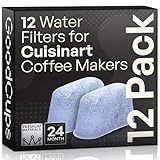
- Universal Compatibility: These premium replacement charcoal water filters are designed to fit all Cuisinart coffee maker models, ensuring a perfect fit for both newer and older models, including Cuisinart coffee maker 12 cup, Grind and Brew, and coffee maker with grinder.
- Enhanced Beverage Flavor: GoodCups charcoal water filters for Cuisinart coffee maker remove calcium, chlorine, and odors, giving you fresh, great-tasting coffee with every brew.
- Superior Filtration: Our charcoal boasts a strong absorption capacity and maximizes filtration efficiency. These water filters for Cuisinart coffee makers protect your brewer, extend its lifespan, and improve every coffee cycle.
- Optimal Water Flow Design: GoodCups filters feature a carefully crafted design that allows for optimal water flow, preventing clogs while ensuring your Cuisinart coffee maker operates smoothly and efficiently.
- Environmentally Conscious: These Cuisinart replacement water filters are made from recyclable materials, demonstrating our commitment to environmental responsibility.
Key terms and definitions
- Minerals: Naturally occurring substances in water that affect its taste and how it interacts with coffee grounds.
- Total Dissolved Solids (TDS): A measure of the total amount of dissolved substances in water, including minerals. Higher TDS often means harder water.
- Hardness: Refers to the concentration of dissolved minerals, primarily calcium and magnesium.
- Alkalinity: The capacity of water to neutralize acids, influenced by bicarbonates. It affects pH and can buffer against acidity in coffee.
- pH: A measure of how acidic or alkaline water is. For coffee, a slightly neutral to slightly alkaline pH is often preferred.
- Extraction: The process where soluble compounds from coffee grounds dissolve into water, creating the brewed coffee.
- Under-extraction: Occurs when not enough compounds are dissolved, resulting in weak, sour, or thin coffee.
- Over-extraction: Happens when too many compounds are dissolved, leading to bitter, harsh, or astringent coffee.
- Chlorine: A common disinfectant in tap water that can impart an unpleasant chemical taste to coffee.
- Specialty Coffee Association (SCA) Standards: Guidelines for ideal brewing water composition, often used as a benchmark for quality.
How it works
- Coffee brewing is essentially a process of dissolving soluble compounds from roasted coffee beans into hot water.
- The water acts as a solvent, carrying flavor molecules, oils, and acids from the coffee grounds into your cup.
- Minerals present in the water play a crucial role in this dissolution process.
- Certain minerals, like magnesium and calcium, help extract desirable flavor compounds.
- Other minerals or impurities, like chlorine, can interfere with flavor extraction or add off-tastes.
- The balance of minerals affects how efficiently and evenly these compounds are extracted.
- Without the right mineral content, the water might not be able to dissolve enough flavor (under-extraction) or might dissolve too much, including bitter elements (over-extraction).
- Therefore, the water’s composition directly influences the final taste, aroma, and body of your coffee.
What affects the result
- Water Hardness: Water that is too hard (high mineral content) can lead to over-extraction, making coffee taste bitter. Too soft water can result in under-extraction, producing sour or weak coffee.
- Mineral Balance: The specific types and ratios of minerals matter. Calcium and magnesium are essential for good extraction, but too much of either can be problematic.
- Alkalinity: High alkalinity can buffer the natural acidity of coffee, leading to a flatter taste. Low alkalinity might allow too much acidity to come through.
- pH Level: Water that is too acidic or too alkaline can negatively impact the perceived flavor and mouthfeel of the coffee.
- Chlorine Content: Tap water often contains chlorine to disinfect it. Chlorine can impart a chemical or medicinal taste that masks coffee’s nuances.
- TDS (Total Dissolved Solids): A general indicator of mineral content. The SCA recommends a TDS range of 75-250 ppm (parts per million) for optimal brewing, with 150 ppm being a common target.
- Water Temperature: While not a property of the water itself, the temperature at which water is used for brewing is critical and interacts with water chemistry.
- Coffee-to-Water Ratio: The proportion of coffee grounds to water directly influences extraction strength and flavor balance.
- Grind Size: Finer grinds have more surface area, leading to faster extraction. Coarser grinds extract slower.
- Coffee Bean Freshness: Freshly roasted beans contain volatile compounds that are best extracted by properly composed water. Stale beans may not extract well regardless of water quality.
- Brewing Method: Different brewing methods (drip, espresso, French press) have varying sensitivities to water composition.
- Local Tap Water Quality: The mineral content and presence of contaminants vary significantly by geographic location.
Pros, cons, and when it matters
- Using Filtered Tap Water
- Pros: Removes chlorine and some impurities, improves taste, generally cost-effective, readily available.
- Cons: May remove beneficial minerals, requires a filter that needs replacement, effectiveness depends on filter type.
- When it matters: When your tap water has a noticeable chlorine taste or odor, or when you want a significant improvement over straight tap water without major expense.
- Using Bottled Spring Water
- Pros: Consistent mineral profile (though it varies by brand), free of chlorine and common tap water contaminants.
- Cons: Can be expensive, contributes to plastic waste, mineral content may not be ideal for coffee.
- When it matters: For consistent results and when you want to avoid tap water issues without dealing with filtration systems.
- Using Distilled or De-Ionized Water
- Pros: Extremely pure, free of all minerals and contaminants.
- Cons: Lacks the minerals needed for proper extraction, resulting in flat, lifeless coffee; can be corrosive to some brewing equipment over time.
- When it matters: For specific scientific experiments or when you plan to remineralize the water yourself. Not recommended for daily brewing.
- Using Specialty Coffee Water
- Pros: Specifically formulated to SCA standards for optimal flavor extraction, consistent results.
- Cons: Most expensive option, requires purchasing a specific product.
- When it matters: For coffee enthusiasts seeking the absolute best possible flavor from their beans and brewing equipment, or for professional baristas.
- Using Unfiltered Tap Water
- Pros: Most convenient and cheapest option.
- Cons: Highly variable taste depending on local water composition, potential for off-flavors from chlorine or excessive minerals, can lead to scale buildup in machines.
- When it matters: When convenience and cost are the absolute top priorities, and you are not particularly sensitive to subtle flavor differences in your coffee.
- Using Reverse Osmosis (RO) Water
- Pros: Removes most impurities and minerals, creating a very clean base.
- Cons: Like distilled water, it lacks essential minerals for flavor extraction unless remineralized. Can be an expensive system to install.
- When it matters: If your tap water has significant undesirable contaminants and you are willing to invest in remineralization.
Common misconceptions
- “All tap water is bad for coffee.” This is not true. While some tap water is problematic, many municipal water supplies are perfectly adequate, especially after simple filtration.
- “Filtered water means mineral-free water.” Most common filters, like activated carbon, primarily remove chlorine and larger particles. They don’t typically strip all minerals.
- “You need special expensive bottled water for good coffee.” While specialty water can enhance coffee, good results are achievable with filtered tap water or even some good quality spring waters.
- “Hard water is always bad for coffee.” Some hardness is necessary for good extraction. The issue is excessive hardness or an imbalanced mineral profile.
- “Boiling tap water removes impurities.” Boiling kills microorganisms but does not remove dissolved minerals, chlorine, or other chemical contaminants. It can even concentrate minerals.
- “The coffee beans are the only thing that affects taste.” Water quality is often cited as the second most important factor after the beans themselves.
- “Any filter will make tap water perfect for coffee.” Different filters target different contaminants. For coffee, a filter that addresses chlorine and general mineral balance is ideal.
- “Using distilled water is the purest and therefore best.” Distilled water lacks the minerals that facilitate flavor extraction, leading to a dull cup.
FAQ
Q: Does tap water make the best coffee?
A: Generally, no. While some tap water might be acceptable, its mineral content is often not ideal for optimal coffee flavor extraction.
Q: What’s the biggest problem with using tap water for coffee?
A: The primary issues are the presence of chlorine, which imparts a chemical taste, and an imbalanced mineral content that can lead to under- or over-extraction of coffee flavors.
Q: Is filtered tap water good enough for coffee?
A: For most people, yes. A good quality water filter, like a Brita or PUR pitcher, can remove chlorine and improve the overall taste, making it a significant upgrade.
Q: How can I tell if my tap water is affecting my coffee negatively?
A: If your coffee consistently tastes bland, sour, bitter, or has a chemical aftertaste, your tap water might be the culprit. Comparing it to coffee made with filtered water can highlight the difference.
Q: What kind of minerals should be in my coffee water?
A: Water needs a balanced level of minerals, particularly calcium and magnesium, to effectively extract desirable flavor compounds from coffee. Too much or too little can be detrimental.
Q: Is it okay to use water from my refrigerator’s dispenser?
A: Many refrigerator dispensers have basic filters that can remove chlorine and sediment, which is usually an improvement. However, they may not address mineral balance as effectively as dedicated coffee water filters.
Q: What is the SCA’s recommendation for coffee brewing water?
A: The Specialty Coffee Association (SCA) recommends water with a TDS between 75-250 ppm, a hardness of 50-175 ppm, and a pH between 6.5 and 7.5 for optimal coffee brewing.
Q: How often should I change my water filter for coffee?
A: Always check your filter’s manual for specific recommendations, but typically, pitcher filters should be replaced every 2-3 months or after a certain gallon capacity has been reached.
What this page does NOT cover (and where to go next)
- Specific brand recommendations for coffee makers or water filters.
- Detailed chemical analysis of your local tap water.
- Advanced water remineralization techniques for home brewing.
- The impact of water on espresso machine longevity and maintenance (descaling).