
Can Coffee Grounds Help Your Grass Grow? Garden Tips
Quick answer
- Coffee grounds can offer benefits to your lawn by improving soil structure and providing nutrients.
- They are acidic, so it’s best to use them in moderation and consider your soil’s pH.
- Composting coffee grounds before applying them to your lawn is a common and effective method.
- Avoid applying large, uncomposted amounts directly, as this can harm grass.
- Coffee grounds can also help deter certain pests in the garden.
- Benefits are most pronounced when grounds are incorporated into the soil rather than left as a thick layer on top.
Key terms and definitions
- pH: A measure of how acidic or alkaline soil is. Grass generally prefers a slightly acidic to neutral pH.
- Nutrients: Essential elements that plants need for growth, such as nitrogen, phosphorus, and potassium.
- Composting: The process of breaking down organic materials into a nutrient-rich soil amendment.
- Aeration: The process of creating small holes in the soil to allow air, water, and nutrients to penetrate.
- Nitrogen: A key nutrient for leafy green growth in plants, often found in coffee grounds.
- Organic Matter: Material derived from living organisms, such as coffee grounds, that improves soil health.
- Soil Structure: The arrangement of soil particles, which affects drainage, aeration, and root growth.
- Leaching: The process where water dissolves and carries away soluble substances from the soil.
- Mulch: A layer of material applied to the surface of soil, often to retain moisture and suppress weeds.
- Microorganisms: Tiny living things in the soil that help break down organic matter and make nutrients available to plants.
How it works
- Coffee grounds introduce organic matter into the soil, improving its texture and ability to retain moisture.
- They contain nitrogen, a vital nutrient that supports green, healthy leaf growth in grass.
- The grounds can help increase the population of beneficial microorganisms in the soil.
- When composted, coffee grounds break down further, releasing nutrients in a more plant-available form.
- Their slightly acidic nature can, in some cases, help lower soil pH if it’s too alkaline.
- As they decompose, coffee grounds can improve soil aeration, allowing roots to breathe.
- They can create a more welcoming environment for earthworms, which further aerate and enrich the soil.
- The physical presence of grounds can help to slightly loosen compacted soil over time.
- They can act as a mild deterrent to some common garden pests.
- The slow release of nutrients from decomposing grounds provides a sustained feeding for your lawn.
Coffee grounds act as a natural soil amendment, introducing organic matter and improving soil structure. For a more comprehensive soil amendment, especially if dealing with compacted soil, consider a dedicated product.
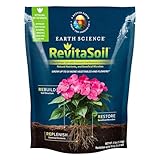
- Premium Soil Revitalizer: Rebuilds depleted soils with premium earthworm castings (worm castings), natural nutrients, and soil-friendly biology
- Boosts Plant Growth: Proven to grow up to 3X more vegetables and flowers with an exclusive patent-pending formula
- Restores Soil Health: One application helps repair structural damage and re-energizes your soil to give you bigger harvests, more flowers, and thriving plants
- Coverage & Convenience: Each 4lb bag revitalizes up to 16 sq ft of soil in gardens, landscapes, raised beds, and pots. Revitalize your existing soil instead of purchasing large, heavy bags of new potting and garden soils
- Natural & Eco-Friendly: Sustainably made and packed full of natural nutrition without any harmful chemicals or pesticides. RevitaSoil is an all-natural solution for gardeners looking to improve soil health, boost growth, and protect the environment.
What affects the result
- Quantity Applied: Too many grounds can create a barrier that prevents water and air from reaching the grass roots.
- Composting Status: Uncomposted grounds are more acidic and can take longer to break down, potentially hindering growth.
- Soil pH: If your soil is already acidic, adding more acidic coffee grounds can lower the pH too much.
- Grass Type: Different grass varieties have varying tolerances to soil conditions and nutrient levels.
- Application Method: Spreading grounds thinly and mixing them into the soil is far more beneficial than leaving a thick layer on top.
- Watering Habits: Proper watering is crucial for both the grass and for helping the coffee grounds decompose effectively.
- Existing Soil Health: Healthy soil will respond better to the addition of coffee grounds than already poor soil.
- Climate: Temperature and rainfall can influence how quickly coffee grounds break down and benefit the soil.
- Frequency of Application: Applying grounds too often without allowing for decomposition can lead to negative effects.
- Presence of Other Amendments: Coffee grounds work best as part of a balanced approach to soil improvement.
- Particle Size: Finer grounds may break down faster but can also clump more easily.
- Grounds from Flavored Coffees: Added flavorings or oils in some coffee grounds might not be beneficial for soil.
Pros, cons, and when it matters
- Pro: Nutrient Boost: Coffee grounds offer nitrogen, which promotes lush green growth. This is beneficial for lawns looking to improve their color and vitality.
- Con: Acidity: Fresh grounds are acidic. This matters if your soil is already on the acidic side, as it could harm grass.
- Pro: Soil Structure Improvement: They add organic matter, helping clay soils drain better and sandy soils retain more water. This is great for improving overall soil health.
- Con: Potential for Compaction: Applied too thickly, grounds can form a mat that hinders water and air penetration. This is a concern for any lawn, especially during dry periods.
- Pro: Pest Deterrent: Some gardeners find coffee grounds help deter slugs, snails, and certain insects. This can be a natural way to manage minor pest issues.
- Con: Slow Decomposition: Uncomposted grounds take time to break down, meaning benefits aren’t immediate. This is important if you’re looking for quick fixes.
- Pro: Composting Synergy: They are an excellent addition to compost piles, adding nitrogen and speeding up the decomposition process. This is a key benefit for home composters.
- Con: May Attract Unwanted Critters: While deterring some pests, the smell of coffee grounds might attract other animals to your yard. This is something to consider if you have issues with certain wildlife.
- Pro: Cost-Effective: For those who drink coffee, used grounds are a free resource for soil amendment. This makes it an economical choice for gardeners.
- Con: Not a Complete Fertilizer: Coffee grounds provide primarily nitrogen; they lack other essential nutrients like phosphorus and potassium. They should not be relied upon as a sole fertilizer.
- Pro: Improved Aeration: As they break down, they can help create air pockets in the soil. This is valuable for lawns in areas with compacted soil.
- Con: Over-Application Risk: It’s easy to use too much if not careful, leading to the cons listed above. Moderation is key.
While coffee grounds offer a nitrogen boost, they aren’t a complete fertilizer. For a more balanced approach, consider an organic fertilizer to ensure your lawn receives all essential nutrients.

- Contains ALL Primary Nutrients: N-P-K
- Contains ALL Secondary Nutrients: Ca-Mg-S
- For ALL Plants; Fruits, Veggies, Roses, Potted, & More!
- Makes 20+ Gallons / Contains Azomite
- Versatile: Apply To Soil, Foliar Feed, and/ or Compost Tea
Common misconceptions
- Myth: Coffee grounds are a magic bullet for all soil problems. Reality: While beneficial, they are just one part of good soil management and may not solve severe issues.
- Myth: You can just dump a huge bag of grounds on your lawn. Reality: This can smother grass and create a barrier to water and air. Gradual, mixed application is best.
- Myth: All grass types love coffee grounds. Reality: Different grasses have different pH preferences, and excessive acidity can be detrimental.
- Myth: Coffee grounds instantly kill weeds. Reality: While they might slightly inhibit some weed growth due to their acidity or texture, they are not a primary weed killer.
- Myth: Fresh grounds are always better than composted. Reality: Composted grounds are generally more beneficial, as they are less acidic and easier for plants to use.
- Myth: Coffee grounds will make your grass smell like coffee. Reality: The coffee aroma dissipates quickly as the grounds dry and decompose.
- Myth: You need to buy special coffee for gardening. Reality: Regular, used coffee grounds from your home brewing are perfectly suitable.
- Myth: Coffee grounds are a complete fertilizer. Reality: They are rich in nitrogen but lack other essential macronutrients and micronutrients.
- Myth: You can use them as a thick mulch layer. Reality: This can lead to matting, preventing water and air from reaching the soil.
- Myth: They will automatically fix drainage issues. Reality: While they improve soil structure over time, they are not a substitute for proper drainage solutions.
FAQ
Q: How much coffee grounds can I put on my lawn?
A: Start with a thin layer, about half an inch, and mix it into the soil. Avoid thick applications. It’s often recommended to apply them in the fall or spring.
Q: Should I compost coffee grounds before using them on my grass?
A: Composting is highly recommended. It neutralizes some of the acidity and breaks down the grounds, making nutrients more accessible and reducing the risk of harming your lawn.
Q: Will coffee grounds make my soil too acidic?
A: Fresh coffee grounds are acidic, but their effect on soil pH is usually mild and temporary, especially when used in moderation or composted. Test your soil’s pH if you’re concerned.
Q: Can I just spread used coffee grounds directly onto my lawn?
A: It’s best to avoid spreading them in thick layers. A light scattering mixed into the top layer of soil or incorporated into compost is a safer approach for your grass.
Q: Do coffee grounds attract pests to my lawn?
A: While they can deter some pests like slugs, the smell of coffee grounds might attract other animals like cats or rodents. This varies by location and other attractants present.
Q: When is the best time to apply coffee grounds to my grass?
A: The best times are generally during the spring or fall when the grass is actively growing and the weather is moderate. This allows the grounds to decompose effectively.
Q: What kind of grass benefits most from coffee grounds?
A: Most cool-season grasses, like fescue or bluegrass, can benefit from the nitrogen and organic matter. However, always use them in moderation and consider your specific soil conditions.
Q: Are coffee grounds a good substitute for fertilizer?
A: Coffee grounds are a good source of nitrogen, which is a key component of many fertilizers. However, they lack other essential nutrients and should be used as a supplement, not a replacement for a balanced fertilization plan.
Q: Can I use grounds from flavored coffee?
A: It’s generally best to stick to plain coffee grounds. Flavorings and oils in flavored coffees are not always beneficial for soil and could potentially harm your grass or soil microorganisms.
What this page does NOT cover (and where to go next)
- Specific recommendations for different grass species and their unique soil needs.
- Detailed soil testing procedures and interpretation of results.
- Advanced composting techniques beyond basic mixing.
- Chemical analysis of coffee grounds and their precise nutrient breakdown.
- Commercial lawn care products and their comparison to organic amendments.