
Understanding the Characteristics of Breakfast Blend Coffee
Quick Answer
- Breakfast blend coffee is designed for a smooth, approachable taste.
- It’s typically a medium roast, balancing acidity and body.
- Often a mix of beans, aiming for broad appeal.
- Less intense than dark roasts, brighter than some light roasts.
- Great for everyday drinking, pairs well with morning food.
- The “blend” part means it’s a mix, not a single origin.
Key Terms and Definitions
- Blend: A mix of two or more different coffee beans. This is key to what makes a breakfast blend coffee.
- Roast Level: How long and at what temperature coffee beans are roasted. Affects flavor, color, and aroma.
- Medium Roast: A common roast level for breakfast blends. Offers a balance of flavors, less bitterness than dark roasts.
- Acidity: The bright, tangy, or “wine-like” taste in coffee. Not to be confused with pH.
- Body: The mouthfeel or weight of the coffee. Can be light, medium, or full.
- Single Origin: Coffee from one specific geographic location, like a farm or region.
- Flavor Notes: Descriptors used to identify specific tastes in coffee (e.g., chocolate, fruit, nut).
- Aroma: The smell of coffee, which heavily influences taste perception.
- Bitterness: A common taste sensation, often more pronounced in darker roasts.
- Aftertaste: The lingering flavor after swallowing coffee.
How Breakfast Blend Coffee Works
- It starts with carefully selected coffee beans. Roasters often pick beans that are naturally smooth and not too complex.
- These beans are typically sourced from different regions. Think Latin America, maybe a touch of Africa.
- The roaster then decides on a blend ratio. This is where the magic happens to create that signature taste.
- Beans are roasted to a medium level. This avoids the super bright notes of a light roast and the heavy bitterness of a dark roast.
- The roasting process develops sugars and oils. This contributes to the balanced flavor profile.
- After roasting, the beans are ground. The grind size depends on how you’ll brew it.
- Finally, hot water is passed through the grounds. This extracts the soluble compounds that give coffee its flavor.
- The result is a cup that’s generally easy to drink. It’s not meant to challenge your palate, just to be enjoyable.
To get the most out of your breakfast blend, consider grinding your beans fresh. A good coffee bean grinder can make a noticeable difference in flavor.
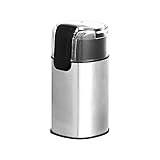
- Electric coffee bean grinder appliance for home use
- Can grind 30 grams/1 ounce of beans for drip coffee brewing in 10 seconds
- Grind coffee beans, herbs, spices, grains, nuts, and more
- Clear safety lid allows you to easily see the results in progress
- Heavy-duty stainless steel grind blade
What Affects Breakfast Blend Coffee Results
- Bean Origin: Even within a blend, the countries or regions the beans come from matter. Different terroirs yield different base flavors.
- Roast Profile: The exact temperature and time during roasting. A slightly longer medium roast can bring out more sweetness.
- Blend Ratio: How much of each bean type is in the mix. This is the secret sauce for the roaster.
- Freshness of Beans: Roasted beans lose flavor over time. Freshly roasted beans will always taste better.
- Grind Size: Too coarse, and you get weak coffee. Too fine, and it can be bitter. Needs to match your brewer.
- Water Quality: Tap water with strong chlorine or mineral tastes will mess with your coffee. Filtered water is usually best.
- Water Temperature: Too hot can scorch the grounds, too cool won’t extract properly. Aim for around 195-205°F.
- Coffee-to-Water Ratio: How much coffee you use for a given amount of water. Too little coffee is weak, too much is too strong.
- Brewing Method: Drip, pour-over, French press – each extracts differently.
- Brew Time: How long the water is in contact with the grounds. Affects extraction strength.
- Cleanliness of Equipment: Old coffee oils build up and make fresh coffee taste stale. Keep your gear clean.
- Grinding Method: Blade grinders chop inconsistently. Burr grinders provide a more uniform grind.
Pros, Cons, and When It Matters
- Pro: Very approachable flavor. Great for people who are new to specialty coffee or just want a reliable cup.
- Con: Can sometimes be seen as generic. Lacks the distinct character of a single-origin coffee for some enthusiasts.
- Matters: Perfect for busy mornings when you need a quick, satisfying cup without fuss.
- Pro: Usually very well-balanced. Hits a sweet spot between acidity and body for many palates.
- Con: Might not satisfy those seeking complex, nuanced flavors. If you love bright Ethiopian or deep Sumatran notes, this might be too mild.
- Matters: An excellent choice for coffee shops that want to serve a crowd-pleasing drip coffee.
- Pro: Often more affordable than single-origin coffees. Blending can utilize beans that might not stand out alone.
- Con: The specific beans used can vary wildly by brand. What one company calls a breakfast blend might be different from another.
- Matters: Ideal for households with diverse coffee preferences. It’s usually a safe bet everyone will enjoy.
- Pro: Designed for smooth drinking. Less likely to have harsh bitterness or overwhelming acidity.
- Con: The “blend” aspect means you lose the story of a single farm or region.
- Matters: A good starting point for experimenting with different brewing methods. Its balanced nature is forgiving.
- Pro: Pairs exceptionally well with breakfast foods. Its mildness doesn’t compete with toast, eggs, or pastries.
- Con: Might be too mild for those who prefer a bold, intense coffee experience.
Common Misconceptions
- Myth: Breakfast blend coffee is always a light roast.
- Fact: It’s most often a medium roast, designed for balance.
- Myth: It’s made from lower-quality beans.
- Fact: Good breakfast blends use quality beans, chosen for how they work together.
- Myth: All breakfast blends taste the same.
- Fact: Each roaster has their own recipe and bean selection, leading to variations.
- Myth: It’s only meant to be drunk in the morning.
- Fact: It’s a versatile coffee that can be enjoyed anytime. The name is just a suggestion.
- Myth: “Blend” means it’s a mix of Arabica and Robusta beans.
- Fact: While some blends might include Robusta, many breakfast blends are 100% Arabica, just from different origins.
- Myth: You can’t get good flavor notes from a blend.
- Fact: A well-crafted blend can create unique flavor profiles not found in single origins.
- Myth: It’s always a cheap coffee.
- Fact: While often budget-friendly, premium breakfast blends exist and can be quite good.
- Myth: Breakfast blend coffee is inherently weak.
- Fact: Strength is more about the coffee-to-water ratio and brewing method than the blend type itself.
FAQ
- What is the typical roast level for a breakfast blend?
Most breakfast blends are medium roasts. This level offers a good balance of flavor without being too acidic or too bitter. It’s a sweet spot for everyday drinking.
- Are breakfast blends usually 100% Arabica beans?
Often, yes. Many roasters use high-quality Arabica beans from different regions to create their breakfast blend. Some might include a small amount of Robusta for body or crema, but it’s not the norm for this style.
- What makes a breakfast blend different from a “house blend”?
The terms are often used interchangeably. However, “breakfast blend” usually implies a lighter, brighter, and smoother profile specifically suited for morning drinking and pairing with food. “House blend” can be more varied.
- Can I use breakfast blend coffee for espresso?
Some breakfast blends might work, especially if they have a bit more body and lower acidity. However, espresso blends are typically darker and formulated for that specific brewing method. Check the packaging or ask the roaster.
- How should I store my breakfast blend coffee beans?
Keep them in an airtight container away from light, heat, and moisture. Don’t store them in the fridge or freezer, as this can introduce moisture and odors.
- What kind of flavors can I expect from a breakfast blend?
Expect generally smooth, balanced flavors. You might find notes of milk chocolate, nuts, or mild fruitiness. It’s designed to be pleasant and not overly complex.
- Is breakfast blend coffee good for cold brew?
Yes, many breakfast blends work well for cold brew. Their smooth, balanced profile can translate nicely into a less acidic, sweeter cold coffee.
What This Page Does Not Cover (and Where to Go Next)
- Specific brand recommendations for breakfast blend coffee. (Explore coffee blogs or reviews for specific brands).
- Detailed guides on advanced brewing techniques like siphon or Aeropress. (Look for brewing guides specific to your chosen method).
- The complete history of coffee blending. (Research coffee history resources).
- In-depth analysis of specific bean varietals and their origins. (Dive into single-origin coffee guides).
- DIY roasting of coffee beans at home. (Seek out home roasting forums or tutorials).