
Cold Brew Coffee and Constipation: Exploring the Connection
Quick answer
- Cold brew coffee is generally less acidic than hot-brewed coffee, which can be gentler on the digestive system for some individuals.
- For most people, coffee, including cold brew, can actually stimulate bowel movements due to its caffeine content and other compounds.
- If you are experiencing constipation and suspect your cold brew is a contributing factor, it’s more likely related to dehydration or other dietary habits.
- Consider if you’re drinking enough water throughout the day, as coffee is a diuretic.
- Ensure your cold brew recipe isn’t excessively concentrated, which could potentially lead to digestive discomfort for sensitive individuals.
- If constipation persists, consult a healthcare professional for personalized advice.
What this problem usually is (and is not)
- The connection between cold brew coffee and constipation is often misunderstood and rarely a direct cause for most people.
- Coffee, in general, is more likely to alleviate constipation than cause it, due to its stimulant properties.
- If you’re experiencing constipation, it’s usually due to a combination of factors like insufficient fiber intake, dehydration, lack of physical activity, or underlying medical conditions.
- Cold brew’s lower acidity means it might be easier on the stomach lining, but it doesn’t inherently block your digestive system.
- Focusing solely on cold brew as the culprit for constipation is usually a misdirection from more common causes.
- This guide aims to explore potential indirect links and offer practical solutions for digestive well-being.
Likely causes (triage list)
Dehydration:
- How to confirm: Assess your daily water intake. Are you drinking less than the recommended amount of fluids, especially if you’re consuming coffee?
Dehydration is a common culprit for constipation, so ensure you’re drinking enough fluids throughout the day. Keeping a reusable water bottle handy can make it easier to stay hydrated.

- 30-ounce insulated stainless steel water bottle with extra features: includes a 2-in-1 spout that lets you choose how you drink; push-button, leak-proof lid that locks for all your adventures
- Choose your sip style—straw or swig: Patented 2-in-1 FreeSip spout is one of a kind; it lets you sip upright through the built-in straw or swig by tilting back the spout
- Hygienic push-button lid and easy carry handle: closed lid keeps spout covered and clean between sips; ergonomic bucket handle makes transport easy for sports, campsites, road trips, school, and work
- Keeps water cold and fits where you need: Triple-layer insulation keeps drinks colder up to 24 hours; wide opening for easy cleaning and extra ice; cupholder friendly base fits most car cupholders
- Safe materials and simple care instructions: BPA, lead, and phthalate-free for safe drinking; hand wash the cup,lid is dishwasher safe and can be easily disassembled; not for use with hot liquids
Dietary Factors (Fiber, Fat, etc.):
- How to confirm: Review your recent food consumption. Have you had enough fiber-rich foods like fruits, vegetables, and whole grains? Are you consuming a lot of processed foods or dairy, which can be constipating for some?
Caffeine Sensitivity/Intake:
- How to confirm: Note your total daily caffeine consumption, including other sources. While caffeine usually stimulates, in very sensitive individuals or at very high doses, it can sometimes lead to temporary digestive upset that might be perceived as constipation if bowel movements become irregular.
Changes in Routine:
- How to confirm: Have you recently traveled, changed your sleep schedule, or experienced significant stress? These can all impact digestive regularity.
Underlying Medical Conditions:
- How to confirm: If constipation is a new, persistent, or severe issue, it’s crucial to rule out medical causes with a doctor.
Concentration of Cold Brew:
- How to confirm: If you’re making a very strong, concentrated cold brew and not diluting it, it’s theoretically possible that a highly concentrated beverage could cause some digestive sluggishness in very sensitive individuals, though this is uncommon.
Fix it step-by-step (brew workflow)
This workflow focuses on optimizing your cold brew preparation and overall hydration to address potential digestive impacts.
1. Assess Your Water Intake:
- What to do: Before and after drinking your cold brew, consciously drink a full glass of water. Aim for at least 8-10 glasses (64-80 oz) of water throughout the day.
- What “good” looks like: You feel adequately hydrated, and your urine is pale yellow.
- Common mistake: Forgetting to drink water because you’re focused on your coffee.
- How to avoid: Set reminders on your phone or keep a water bottle visible at all times.
2. Review Your Cold Brew Ratio:
- What to do: If you’re making a concentrate, ensure you’re diluting it appropriately with water or milk to a drinkable strength. A common ratio for drinking strength is 1:1 or 1:2 (concentrate to water/milk).
- What “good” looks like: Your cold brew is palatable and doesn’t feel overly thick or syrupy.
- Common mistake: Drinking highly concentrated cold brew straight or with minimal dilution.
- How to avoid: Measure your concentrate and diluent carefully. Taste as you go.
When enjoying your cold brew, especially if you’re making a concentrate, remember to dilute it properly. Serving it in a nice iced coffee glass can make the experience more enjoyable and encourage proper dilution.
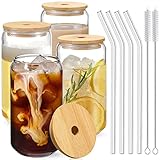
- PRODUCT CONFIGURATION: Drinking glass set includes 4 glass cups [ Diameter - 3 inches, Height - 5.6 inches ],4 nature bamboo lids, 4 reusable glass straws and 2 cleaning brushes, Classic design tumbler
- DURABLE and SAFE: The glasses are made of high-quality durable clear glass, Lead-free and BPA-free. It can be used safely for a long time. This thick clear glass can withstand the sudden changes in the temperature difference between -68°F to 212°F, making them dishwasher safe. If you want to decorate this glass, you can do DIY easily without breakage
- MULTI-PURPOSE: The glassware Great for any Occasion, any hot and cold drinks, home essentials. It is widely loved by families, kitchen, breweries, cafes, bars and restaurants. You can use it to make perfect tea, bubble Pearl Milk Tea, soda, water, iced coffee, smoothie, fruit juice or any other interesting holiday drinks
- AMAZING GIFT: This jar is very fashionable, aesthetic and characteristic. Excellent workmanship. Perfect Gifts for Women, House warming gifts, Tea mug Sets, Highball Glasses, Home Bar Accessories, Birthdays, Graduation, Weddings and Christmas Gifts
- SATISFIED SERVICE: This glass set is packaged in the heavy bubble holder and thick carton box to prevent damage while in transport. If the glass set you received was damaged or imperfect or you are not satisfied, we will offer a satisfactory solution
3. Consider Coffee-to-Water Ratio (Brewing):
- What to do: If you’re brewing a concentrate, a typical ratio is 1:4 to 1:8 (coffee grounds to water by weight). If you’re experiencing issues, try slightly increasing the water for a less intense brew.
- What “good” looks like: The coffee brews to your desired strength and flavor profile.
- Common mistake: Using a very low water-to-coffee ratio, resulting in an extremely potent concentrate.
- How to avoid: Weigh your coffee and water for consistency. Experiment within the recommended ranges.
4. Incorporate Fiber-Rich Foods:
- What to do: Add more fruits (berries, apples, pears), vegetables (leafy greens, broccoli), and whole grains (oatmeal, whole wheat bread) to your diet.
- What “good” looks like: Your diet is balanced and includes a variety of plant-based foods.
- Common mistake: Relying on coffee to solve digestive issues without addressing foundational dietary needs.
- How to avoid: Plan your meals to include a good source of fiber at each sitting.
5. Gentle Movement:
- What to do: Engage in light physical activity, such as a brisk walk, yoga, or stretching.
- What “good” looks like: You feel more energized and less sluggish.
- Common mistake: Being sedentary, which can slow down digestion.
- How to avoid: Aim for at least 30 minutes of moderate activity most days of the week.
6. Mindful Consumption:
- What to do: Pay attention to how your body feels after drinking cold brew. Note any changes in your digestive system.
- What “good” looks like: You have a better understanding of your personal tolerance and reactions.
- Common mistake: Ignoring subtle digestive cues from your body.
- How to avoid: Keep a simple journal of your food and drink intake and how you feel afterward.
7. Allow for Digestion Time:
- What to do: Avoid consuming large amounts of food immediately after your cold brew if you feel sensitive.
- What “good” looks like: Your digestive system has time to process the coffee without being overwhelmed.
- Common mistake: Drinking coffee on an empty stomach followed by a heavy meal.
- How to avoid: Have a small, balanced breakfast before or with your coffee.
8. Consider Decaf if Necessary:
- What to do: If you suspect caffeine is a factor, try switching to decaffeinated cold brew for a week.
- What “good” looks like: Your digestive symptoms improve without the caffeine.
- Common mistake: Not trying to isolate caffeine as a potential trigger.
- How to avoid: Ensure the decaf cold brew is made with the same brewing process and ratio as your regular brew for a fair comparison.
Prevent it next time
- Hydrate Consistently: Drink plenty of water throughout the day, especially when consuming coffee.
- Balanced Diet: Ensure adequate fiber intake from fruits, vegetables, and whole grains.
- Moderate Caffeine: Be mindful of your total daily caffeine consumption.
- Proper Dilution: Always dilute cold brew concentrate to your preferred drinking strength.
- Regular Exercise: Incorporate physical activity into your routine to promote healthy digestion.
- Listen to Your Body: Pay attention to how different foods and drinks affect your digestive system.
- Clean Equipment: Keep your cold brew maker and storage containers clean to prevent off-flavors or potential issues.
- Fresh Coffee Beans: Use freshly roasted and ground coffee beans for the best flavor and brewing consistency.
- Avoid Over-Concentration: Stick to recommended coffee-to-water ratios when brewing.
- Consult a Professional: If digestive issues persist, seek advice from a doctor or registered dietitian.
Common mistakes (and what happens if you ignore them)
| Mistake | What it causes | Fix |
|---|---|---|
| Not drinking enough water | Dehydration, which can lead to or worsen constipation. | Increase daily water intake; drink water with and after coffee. |
| Consuming highly concentrated cold brew | Potential digestive discomfort or sluggishness in sensitive individuals. | Dilute cold brew concentrate with water or milk to a palatable strength. |
| Insufficient dietary fiber intake | Harder stools and irregular bowel movements, contributing to constipation. | Increase consumption of fruits, vegetables, and whole grains. |
| Ignoring the body’s signals | Prolonged digestive discomfort and potential worsening of constipation. | Pay attention to how your body reacts to different foods and drinks. |
| Sedentary lifestyle | Slowed digestion and increased risk of constipation. | Engage in regular physical activity, even light walking. |
| Relying solely on coffee for digestion | Masking underlying dietary or lifestyle issues that cause constipation. | Address foundational needs like hydration, fiber, and exercise. |
| Drinking coffee on an empty stomach followed by a heavy meal | Digestive system may feel overloaded, potentially causing discomfort. | Have a small, balanced breakfast before or with your coffee. |
| Not diluting cold brew | Can lead to an overly potent beverage that may be harder for some to digest. | Always dilute cold brew concentrate to a drinkable strength. |
| Using stale or improperly stored coffee | Off-flavors and potentially less predictable brewing results. | Use fresh, properly stored coffee beans. |
| Overlooking caffeine sensitivity | While rare, high caffeine intake can impact sensitive individuals’ digestion. | Consider switching to decaf if you suspect caffeine is an issue. |
Decision rules (simple if/then)
- If you are drinking less than 64 oz of water per day, then increase your water intake because dehydration is a primary cause of constipation.
- If your cold brew tastes syrupy or very thick, then dilute it further because overly concentrated beverages can sometimes cause digestive upset.
- If you are not eating fruits, vegetables, or whole grains daily, then add more fiber-rich foods to your diet because adequate fiber is crucial for regular bowel movements.
- If you experience constipation regularly, then consider reducing your overall caffeine intake because while coffee usually helps, extreme sensitivity can occur.
- If you have recently changed your diet or lifestyle significantly, then give your body time to adjust because new routines can temporarily affect digestion.
- If you are experiencing severe or persistent constipation, then consult a healthcare professional because it could indicate an underlying medical condition.
- If your cold brew is made with very hot water during the initial bloom or steep, then ensure it’s fully cooled before consumption, as any residual heat might alter the brew profile slightly (though this is less common with traditional cold brew methods).
- If you notice digestive discomfort immediately after drinking cold brew, then try drinking it with a small meal or snack because an empty stomach can sometimes amplify digestive reactions.
- If you’ve tried increasing water and fiber and are still constipated, then experiment with a less concentrated cold brew ratio because a milder brew might be gentler on your system.
- If you are consuming cold brew very rapidly, then slow down your consumption because drinking any beverage too quickly can sometimes lead to digestive discomfort.
- If your cold brew has a bitter or harsh taste, then check your grind size and brewing time because improper extraction can lead to unpleasant flavors that might be perceived as digestive irritants.
- If you are trying to pinpoint the cause, then switch to decaf cold brew for a week to see if symptoms improve because this helps isolate caffeine as a potential factor.
FAQ
Q: Does the acidity of cold brew affect constipation?
A: Cold brew is generally less acidic than hot-brewed coffee, which can be gentler on the stomach. This lower acidity is unlikely to cause constipation; in fact, coffee’s stimulant effect usually promotes bowel movements.
Q: Can drinking too much cold brew cause constipation?
A: While excessive consumption of anything can lead to imbalance, it’s more likely that dehydration from coffee’s diuretic effect, rather than the coffee itself, contributes to constipation if you’re not drinking enough water.
Q: Should I avoid cold brew if I’m prone to constipation?
A: Not necessarily. Many people find cold brew easier on their digestive system. Focus on hydration, fiber, and overall diet. If you suspect it’s an issue, try moderating intake or switching to decaf.
Q: What’s the best way to make cold brew to avoid digestive issues?
A: Use a standard coffee-to-water ratio (e.g., 1:4 to 1:8 for concentrate), ensure proper dilution, and drink it with adequate water intake.
Q: Is it normal for cold brew to make me feel “backed up”?
A: It’s not the typical reaction. Most people experience the opposite. If you feel “backed up,” re-evaluate your hydration, fiber intake, and the concentration of your cold brew.
Q: Can the type of coffee beans used for cold brew impact digestion?
A: While flavor profiles vary, the bean type itself is less likely to be a direct cause of constipation compared to factors like caffeine content, brew strength, and overall hydration.
Q: What if I feel constipated after drinking any coffee, not just cold brew?
A: If all coffee seems to affect you negatively, it might be a sensitivity to caffeine or other compounds. Consider reducing intake or trying decaffeinated versions and focus on other digestive aids.
Q: How much water should I drink with my cold brew?
A: Aim for at least 8-10 glasses (64-80 oz) of water daily. Drink a glass of water before and after your cold brew to help offset its diuretic effect.
Q: Should I add milk or cream to my cold brew?
A: Some people are sensitive to dairy, which can contribute to constipation. If you experience issues, try dairy-free alternatives or drink your cold brew black.
What this page does NOT cover (and where to go next)
- Specific medical diagnoses: This guide provides general information. If you have persistent or severe constipation, consult a healthcare professional for a proper diagnosis.
- Detailed dietary plans: For personalized advice on managing constipation through diet, consult a registered dietitian.
- Recommendations for specific brands or products: This article focuses on brewing principles, not product endorsements.
- The effects of other digestive aids or laxatives: This page is about the connection to cold brew coffee.
- Advanced cold brew brewing techniques: While ratios are discussed, this doesn’t delve into advanced methods like specific bloom times or filtration techniques.