
Understanding Coffee’s Diuretic Effect: What’s in Your Cup?
Quick Answer
- Caffeine is the main player behind coffee’s diuretic effect.
- It tells your kidneys to flush out more fluid.
- For most folks, this effect is pretty mild.
- Tolerance builds up, so regular coffee drinkers notice it less.
- Hydration is still key, even with coffee.
- Other compounds in coffee might play a small role, but caffeine is the star.
Key Terms and Definitions
- Diuretic: A substance that promotes increased urine production. Think of it as a mild “water pill.”
- Caffeine: The most well-known stimulant in coffee. It’s a natural chemical found in coffee beans.
- Kidneys: The organs responsible for filtering waste from your blood and producing urine.
- Renal Blood Flow: The amount of blood flowing through your kidneys. Caffeine can affect this.
- Glomerular Filtration Rate (GFR): A measure of how well your kidneys are filtering waste. Caffeine can temporarily increase this.
- Vasodilation/Vasoconstriction: Widening or narrowing of blood vessels. Caffeine has complex effects on this, but in the kidneys, it can lead to increased filtration.
- Dehydration: The state of having lost too much fluid from your body.
- Tolerance: When your body becomes less sensitive to a substance after repeated exposure, meaning you need more of it to get the same effect.
- Adenosine Receptors: Proteins in your brain that caffeine blocks, leading to increased alertness. This same mechanism can influence kidney function.
- Electrolytes: Minerals in your body that help regulate fluid balance, nerve signals, and muscle contractions.
For those looking to understand caffeine’s impact more directly, exploring caffeine supplements can offer insights into its effects on the body, including potential diuretic properties.
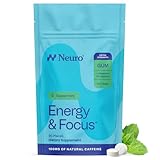
- Fast-Acting Nootropic - Our energy supplements deliver an extra boost of energy and clarity with a blend of natural caffeine, L-theanine, and vitamin b6 & b12. Your go-to chewing gum for work, exercise, and daily focus!
- Clean Energy - Each piece of our sugar free gum delivers 100mg of natural caffeine from green coffee beans for a smooth energy boost without crashes or jitters.
- The Perfect Balance - With 60mg of L-theanine per piece, our energy and focus formula promotes enhanced focus and stress reduction to smooth energy boosts.
- How to Use - Chew one piece of the caffeine gum whenever focus or energy is lacking. Ideal for mornings, pre-workout, or afternoon slumps. Effects typically kick in within minutes thanks to optimal absorption through the mouth.
- Made by Neuro, Backed by Science - At Neuro, we combine neuroscience with clean, science backed ingredients to help you do more, think better, and feel your best every single day.
How Coffee’s Diuretic Effect Works
- When you drink coffee, the caffeine gets absorbed into your bloodstream.
- From there, it travels to your kidneys.
- Caffeine can temporarily increase blood flow to your kidneys.
- It also might slightly boost your Glomerular Filtration Rate (GFR).
- These two things together mean your kidneys filter more fluid from your blood.
- More filtered fluid means more urine production.
- So, you might feel the urge to pee more often.
- This process is generally mild and temporary for most people.
- It’s not like chugging a diuretic drug; the effect is much subtler.
- The body is pretty good at handling this, especially if you’re used to coffee.
What Affects Coffee’s Diuretic Kick
- Caffeine Content: This is the big one. More caffeine in your cup means a stronger potential diuretic effect. Espresso shots pack a punch.
- Your Tolerance: Regular coffee drinkers develop a tolerance. Your body gets used to caffeine, so the diuretic effect becomes less noticeable. This is huge.
- Amount Consumed: Drinking a whole pot versus a single cup makes a difference. More volume, more caffeine, more effect.
- Individual Sensitivity: Some people are just more sensitive to caffeine’s effects, including its impact on urination. Genetics play a role.
- Hydration Status: If you’re already dehydrated, the diuretic effect might feel more pronounced, or at least more concerning.
- Type of Coffee Bean: Different beans have varying caffeine levels. Robusta beans generally have more caffeine than Arabica.
- Brewing Method: How you brew can influence how much caffeine is extracted. Longer brew times or finer grinds can sometimes lead to higher caffeine extraction.
- What Else You’re Drinking: If you’re drinking coffee alongside plenty of water, the net effect on hydration is different than if it’s your only fluid.
- Diet: Your diet can influence how your body processes fluids and electrolytes.
- Medications: Certain medications can interact with caffeine or affect kidney function, potentially altering the diuretic response.
- Body Weight: Generally, more body mass means a higher caffeine dose is needed for the same effect.
- Metabolism Speed: How quickly your body processes caffeine can influence how long and how strong the diuretic effect lasts.
Pros, Cons, and When It Matters
- Pro: Mild Diuresis for Some: For people who need a gentle nudge, it can be a subtle way to increase fluid output.
- Con: Potential for Dehydration: If you’re not mindful, especially in hot weather or during intense activity, relying solely on coffee for fluids can lead to dehydration.
- Pro: Builds Tolerance: Your body adapts, making the effect less of a daily concern for most regular drinkers.
- Con: Frequent Urination: This can be inconvenient, especially during long meetings or road trips. Nobody likes being stuck in traffic needing to go.
- Pro: Caffeine’s Other Benefits: The diuretic effect is just one small part of coffee’s overall impact. Many enjoy coffee for alertness and taste.
- Con: Electrolyte Loss: While usually minor, significant fluid loss can theoretically lead to some electrolyte imbalance.
- When It Matters: Exercise: During strenuous workouts, staying properly hydrated with water is crucial. Coffee’s diuretic effect is less desirable here.
- When It Matters: Hot Weather: When you’re already losing fluids through sweat, adding a diuretic can be counterproductive.
- When It Matters: Certain Health Conditions: For individuals with specific medical issues affecting fluid balance or kidney function, it’s wise to consult a doctor about coffee intake.
- When It Matters: Travel: Long flights or drives can be disrupted by frequent bathroom breaks.
- Pro: A Signal to Hydrate: For some, the urge to pee after coffee is a good reminder to grab a glass of water.
- Con: Overstated Effects: Often, the diuretic impact of coffee is blown out of proportion. It’s not a powerful dehydrator for most.
Common Misconceptions
- Myth: Coffee is a Powerful Dehydrator: For most people who drink coffee regularly, it doesn’t cause significant dehydration. The body adapts.
- Myth: You Must Avoid Coffee If You Want to Stay Hydrated: This isn’t true for moderate coffee consumption. Coffee contributes to your daily fluid intake.
- Myth: All Coffee Has the Same Diuretic Effect: Nope. Caffeine levels vary wildly by bean, roast, and brew method.
- Myth: Decaf Coffee Has No Diuretic Effect: Decaf still has some caffeine, so it can have a mild effect, though much less than regular.
- Myth: The Diuretic Effect is Harmful: For the average healthy person, the mild diuretic effect is generally not harmful.
- Myth: You Lose All Your Fluids When You Drink Coffee: It’s an increase in urine production, not a complete emptying of your body’s water reserves.
- Myth: Only Caffeine Causes This Effect: While caffeine is the primary driver, other compounds in coffee might play a very minor, supporting role.
- Myth: You’ll Pee Out More Than You Drink: This is generally not the case. Your body is efficient.
- Myth: The Effect Lasts All Day: The diuretic effect is temporary, usually peaking a few hours after consumption.
- Myth: It’s a Sign of Kidney Problems: For most people, increased urination after coffee is normal and not indicative of a health issue.
FAQ
Q: Is coffee a diuretic?
A: Yes, caffeine, the main stimulant in coffee, acts as a mild diuretic. It tells your kidneys to produce more urine.
Q: How much does coffee make you pee?
A: For most people, the effect is mild. You might notice needing to go a bit more often, but it’s usually not extreme.
Q: Can coffee dehydrate you?
A: For regular coffee drinkers, it’s unlikely to cause significant dehydration. Your body builds tolerance. However, if you’re not drinking enough other fluids, it could contribute to dehydration.
Q: Do I need to drink extra water when I drink coffee?
A: It’s always good to stay hydrated, but you don’t necessarily need to chug a gallon of water for every cup of coffee. Your coffee counts towards your fluid intake.
Q: Does decaf coffee have a diuretic effect?
A: Decaf coffee still contains a small amount of caffeine, so it can have a very mild diuretic effect, but it’s significantly less than regular coffee.
Q: Why does caffeine have a diuretic effect?
A: Caffeine can temporarily increase blood flow to the kidneys and slightly increase the rate at which they filter waste, leading to more urine production.
Q: Does the type of coffee matter?
A: Yes. Coffee beans with higher caffeine content, like Robusta, or certain brewing methods that extract more caffeine, can lead to a more noticeable diuretic effect.
Q: Is this effect bad for my kidneys?
A: For most healthy individuals, the mild diuretic effect of coffee is not harmful to the kidneys.
Q: What if I feel like I have to pee constantly after coffee?
A: This could mean you’re sensitive to caffeine or that the coffee you’re drinking is particularly strong. It’s usually temporary.
Q: Does this apply to other caffeinated drinks?
A: Yes, other caffeinated beverages like tea and energy drinks can also have a mild diuretic effect due to their caffeine content.
What This Page Does Not Cover (and Where to Go Next)
- Specific caffeine content of various coffee brands or roasts. (Look for brand-specific info or brewing guides.)
- Detailed medical advice on fluid balance or kidney health. (Consult a healthcare professional.)
- The impact of coffee on athletic performance beyond hydration. (Explore sports nutrition resources.)
- The full spectrum of coffee’s health benefits and risks. (Research general nutrition and wellness topics.)
- Recipes for brewing the perfect cup of coffee. (Check out coffee brewing guides and forums.)