
The Diuretic Effect: Why Coffee Increases Urination
Quick answer
- Coffee contains caffeine, a mild diuretic that can increase urine production.
- The volume of liquid consumed (the coffee itself) also contributes significantly to increased urination.
- Individual sensitivity to caffeine varies, impacting how strongly the diuretic effect is felt.
- Regular coffee drinkers may develop a tolerance, reducing the perceived diuretic effect.
- Other beverages, including water, can also lead to increased urination due to fluid intake.
- The “pee so fast” sensation might be more about the volume of liquid and timing rather than a strong diuretic flush.
Key terms and definitions
- Diuretic: A substance that promotes increased production of urine.
- Caffeine: A natural stimulant found in coffee, tea, and other plants, known for its diuretic properties.
- Adenosine: A neurotransmitter in the brain that caffeine blocks, leading to increased alertness.
- Kidneys: Organs responsible for filtering waste products and excess water from the blood to produce urine.
- Antidiuretic Hormone (ADH) / Vasopressin: A hormone that helps the body retain water; caffeine can temporarily inhibit its release.
- Electrolytes: Essential minerals (like sodium and potassium) in the body that carry an electric charge and are involved in hydration.
- Hydration: The process of providing an adequate amount of water to the body’s tissues.
- Osmosis: The movement of water across a semi-permeable membrane from an area of higher water concentration to an area of lower water concentration.
- Bladder: The muscular sac that stores urine before it is expelled from the body.
- Tolerance: A reduced response to a drug or substance that occurs after repeated use.
Caffeine is the key compound responsible for coffee’s diuretic properties. If you’re interested in exploring the effects of caffeine more directly, consider caffeine supplements like these.
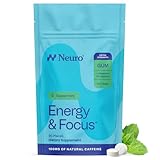
- Fast-Acting Nootropic - Our energy supplements deliver an extra boost of energy and clarity with a blend of natural caffeine, L-theanine, and vitamin b6 & b12. Your go-to chewing gum for work, exercise, and daily focus!
- Clean Energy - Each piece of our sugar free gum delivers 100mg of natural caffeine from green coffee beans for a smooth energy boost without crashes or jitters.
- The Perfect Balance - With 60mg of L-theanine per piece, our energy and focus formula promotes enhanced focus and stress reduction to smooth energy boosts.
- How to Use - Chew one piece of the caffeine gum whenever focus or energy is lacking. Ideal for mornings, pre-workout, or afternoon slumps. Effects typically kick in within minutes thanks to optimal absorption through the mouth.
- Made by Neuro, Backed by Science - At Neuro, we combine neuroscience with clean, science backed ingredients to help you do more, think better, and feel your best every single day.
How it works
- Caffeine, the primary active compound in coffee, acts as a mild diuretic by increasing blood flow to the kidneys.
- This increased blood flow can lead to a higher filtration rate in the kidneys.
- Caffeine may also temporarily inhibit the release of Antidiuretic Hormone (ADH), which normally tells the kidneys to reabsorb water.
- With less ADH, the kidneys excrete more water, leading to increased urine output.
- The sheer volume of liquid consumed when drinking a cup of coffee contributes directly to the amount of fluid processed by the kidneys.
- Water is the main component of coffee, and any fluid intake will eventually lead to urination.
- The body processes liquids relatively quickly, so the sensation of needing to urinate after coffee might be a combination of fluid intake and caffeine’s mild effect.
- Coffee’s warmth can also stimulate gut motility, which some people might associate with faster body processes, including urination.
- For those unaccustomed to caffeine, the effect can be more pronounced.
- Regular coffee drinkers often develop a tolerance, making the diuretic effect less noticeable over time.
What affects why coffee makes you pee so fast
- Caffeine content: Higher caffeine content in a coffee brew generally corresponds to a stronger potential diuretic effect.
- Volume of coffee consumed: Drinking a larger cup or multiple cups of coffee directly increases fluid intake, leading to more urine.
- Individual caffeine sensitivity: Some individuals are more sensitive to caffeine’s effects, including its diuretic properties, than others.
- Regularity of coffee consumption: Daily coffee drinkers often develop a tolerance, which can diminish the diuretic effect compared to infrequent drinkers.
- Hydration status before drinking coffee: If you are already well-hydrated, your body may be quicker to excrete additional fluids.
- Other beverages consumed: Drinking other diuretic beverages or simply a lot of water throughout the day will also impact urination frequency.
- Metabolism rate: An individual’s metabolic rate can influence how quickly caffeine is processed and its effects are felt.
- Roast level: While not a primary factor, some studies suggest darker roasts might have slightly less caffeine than lighter roasts for the same bean type, potentially influencing the effect.
- Brewing method: Methods that yield higher caffeine concentrations (e.g., espresso per ounce compared to drip) could contribute more to the effect.
- Body weight: Body size can influence how a standard dose of caffeine affects an individual.
- Medications: Certain medications can interact with caffeine or affect kidney function, potentially altering the diuretic response.
- Time of day: Drinking coffee later in the day might lead to more noticeable urination, especially if it interferes with sleep.
Pros, cons, and when it matters
- Pro (mild diuretic effect): Can help flush the system and prevent water retention in some cases.
- Con (mild diuretic effect): May require more frequent bathroom breaks, which can be inconvenient.
- Pro (fluid intake): The water in coffee contributes to overall daily fluid intake, which is essential for health.
- Con (fluid intake): Relying solely on coffee for hydration isn’t ideal due to other components.
- When it matters (tolerance): Regular coffee drinkers typically experience a much milder diuretic effect, meaning it’s less of a concern for daily hydration.
- When it matters (new drinkers): New or infrequent coffee drinkers might notice the diuretic effect more strongly.
- When it matters (active lifestyle): For athletes or those in hot environments, understanding that coffee provides hydration but might also slightly increase fluid loss is important for overall fluid balance.
- When it matters (medical conditions): Individuals with certain kidney conditions or those on specific medications should consult a doctor about caffeine intake and its diuretic effects.
- When it matters (travel): Increased urination frequency can be a consideration during long drives or flights.
- Con (electrolyte balance): While coffee’s diuretic effect is mild, excessive consumption could theoretically lead to minor electrolyte imbalances over a very long period, though this is rare with typical intake.
- When it matters (timing): Drinking coffee right before bed might lead to nighttime bathroom trips, disturbing sleep.
- Pro (stimulant effect): The primary reason many drink coffee is for the alertness caffeine provides, with the diuretic effect being a secondary, often minor, consequence.
Common misconceptions
- Coffee dehydrates you: This is largely a myth. While coffee has a mild diuretic effect, studies show that moderate coffee consumption does not lead to dehydration in regular drinkers. The water content of coffee largely offsets the fluid loss.
- Coffee is as strong a diuretic as water pills: Coffee’s diuretic effect is very mild compared to prescription diuretics used for medical conditions.
- All coffee makes you pee a lot: The effect varies greatly by individual, caffeine content, and how often one drinks coffee. Decaffeinated coffee has little to no diuretic effect from caffeine.
- The “pee so fast” feeling means you’re losing more fluid than you’re taking in: This sensation is often due to the volume of liquid consumed and the body’s natural processing speed, not necessarily excessive fluid loss.
- You need to drink extra water to counteract coffee’s diuretic effect: For most healthy individuals, moderate coffee intake doesn’t require compensatory water intake beyond normal hydration habits.
- Coffee instantly flushes toxins from your body: While it increases urine output, the idea that coffee “detoxes” your body in a special way beyond normal kidney function is unfounded.
- The darker the roast, the more diuretic it is: Roast level doesn’t directly correlate with a stronger diuretic effect. Caffeine content is the main factor.
- Espresso has a stronger diuretic effect than drip coffee: While espresso is more concentrated, a typical serving size (1-2 oz) contains less total fluid and often less total caffeine than a standard 8-12 oz cup of drip coffee.
FAQ
Q: Does decaf coffee make you pee more?
A: Decaf coffee contains very little caffeine, so its diuretic effect from caffeine is negligible. Any increased urination would primarily be due to the volume of liquid consumed, similar to drinking water.
Q: How long after drinking coffee do you need to pee?
A: The timing varies, but many people report needing to urinate within 30-60 minutes after drinking coffee. This is a combination of the fluid volume being processed and caffeine’s mild diuretic action.
Q: Is it bad if coffee makes me pee a lot?
A: For most healthy individuals, it’s not “bad.” It’s a normal physiological response to fluid intake and caffeine. If it’s causing discomfort or excessive interruption, consider reducing intake or noting your personal sensitivity.
Q: Does adding milk or cream to coffee reduce the diuretic effect?
A: No, adding milk or cream does not significantly reduce the diuretic effect of the caffeine in the coffee. It primarily changes the taste and calorie content.
Q: Can I get dehydrated from drinking too much coffee?
A: While coffee has a mild diuretic effect, moderate consumption (e.g., 2-4 cups per day) does not typically lead to dehydration in regular coffee drinkers. The fluid in the coffee usually compensates for any increased urine output.
Q: Do other caffeinated beverages have the same effect?
A: Yes, other caffeinated beverages like tea and energy drinks can also have a mild diuretic effect due to their caffeine content. The strength of the effect depends on the amount of caffeine present.
What this page does NOT cover (and where to go next)
- Specific medical conditions related to kidney function or hydration. Consult a healthcare professional for personalized advice.
- Detailed chemical mechanisms of caffeine’s interaction with kidney cells.
- In-depth comparisons of diuretic effects across all types of caffeinated beverages.
- Recommendations for specific brands of coffee or brewing equipment.
- The impact of coffee on electrolyte balance in extreme scenarios.
- How to mitigate the diuretic effect through specific dietary changes.