
Troubleshooting: Nausea Caused by Iced Coffee
Quick answer
- Nausea from iced coffee often stems from its acidity, caffeine content, or the type of milk/sweetener used.
- Drinking iced coffee on an empty stomach can exacerbate stomach upset.
- Poorly cleaned equipment or stale coffee beans might introduce unwanted flavors or bacteria.
- Rapid consumption of cold beverages can sometimes trigger digestive discomfort.
- Consider adjusting coffee type, brewing method, or additives to alleviate symptoms.
- Hydration before coffee can help mitigate some adverse effects.
What this problem usually is (and is not)
- This problem is typically a mild digestive reaction to specific components of iced coffee or how it’s consumed.
- It is often related to stomach acidity, caffeine sensitivity, or dietary factors.
- It is NOT usually a sign of a severe allergic reaction, though individual sensitivities vary.
- It is NOT generally indicative of a coffee maker malfunction, unless sanitation is severely neglected.
- It is NOT a universal experience; many people consume iced coffee without issues.
- It is NOT a medical diagnosis; if symptoms are severe or persistent, consult a healthcare professional.
Likely causes (triage list)
- Acidity of coffee: Darker roasts or cold brew can sometimes be less acidic, but some light roasts are very acidic. To confirm, try a lower-acid coffee or cold brew method.
- Caffeine sensitivity: High caffeine intake can cause jitters and stomach upset. To confirm, compare your reaction to decaf iced coffee or reduce your intake.
- Drinking on an empty stomach: Coffee can stimulate acid production. To confirm, try drinking iced coffee after a meal.
- Type of milk or creamer: Dairy intolerance or certain artificial sweeteners can cause digestive issues. To confirm, try plain black iced coffee or a different milk alternative.
- Sugar content/syrups: High sugar intake, especially on an empty stomach, can lead to discomfort. To confirm, prepare your iced coffee with less or no added sugar.
- Water quality: Tap water with high mineral content or chlorine can affect taste and potentially contribute to stomach upset. To confirm, try brewing with filtered water.
- Stale or poor-quality beans: Old beans can develop off-flavors and potentially lead to digestive issues. To confirm, try freshly roasted, high-quality beans.
- Dirty equipment: Residue build-up in your coffee maker or serving vessel can harbor bacteria or impart unwanted flavors. To confirm, thoroughly clean all components.
- Rapid consumption: Drinking a cold beverage too quickly can sometimes shock the digestive system. To confirm, try sipping your iced coffee slowly.
If you suspect caffeine sensitivity is the culprit, try a decaf iced coffee to see if that alleviates your nausea.
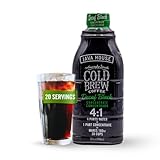
- CONCENTRATED COLD BREW: A convenient unsweetened, concentrated 4:1 strength for instant cold brew.
- JUST ADD WATER: Prepare batches of any size. mix 1 part concentrate with 4 parts water.
- BOLD FLAVOR: Molasses, walnut and cocoa hints with a touch of fruitiness and none of the bitterness.
- SMALL BATCH: Cold water steeped in small batches for 12 hours or more.
- SERVE HOT OR ICED: Premium 100% arabica coffee beans, steeped to perfection. Serve over ice or hot.
Fix it step-by-step (brew workflow)
1. Start with fresh, quality beans:
- What to do: Purchase whole beans roasted within the last 2-3 weeks and grind them just before brewing.
- What “good” looks like: Aromatic beans that produce a consistent, flavorful brew.
- Common mistake: Using stale, pre-ground coffee. This can lead to a flat taste and potentially more acidity; avoid by buying fresh and grinding at home.
2. Choose a lower-acid brewing method:
- What to do: Consider cold brew, which naturally extracts fewer acids.
- What “good” looks like: A smoother, less bitter concentrate that’s gentler on the stomach.
- Common mistake: Brewing hot coffee and then chilling it, which can retain more acidity. Avoid by using a dedicated cold brew method.
3. Use filtered water:
- What to do: Always use filtered water for brewing, not straight tap water.
- What “good” looks like: A clean-tasting coffee without off-notes from chlorine or minerals.
- Common mistake: Using unfiltered tap water, which can impact flavor and potentially irritate your stomach. Avoid by investing in a water filter.
4. Adjust your coffee-to-water ratio:
- What to do: Experiment with slightly less coffee if you find it too strong, or ensure you’re not using too little, which can lead to over-extraction and bitterness.
- What “good” looks like: A balanced flavor that’s neither too weak nor too intense.
- Common mistake: Guessing the ratio, leading to inconsistent strength. Use a kitchen scale for precision.
5. Grind consistency matters:
- What to do: Use a consistent grind size appropriate for your brewing method (e.g., coarse for cold brew, medium for drip).
- What “good” looks like: Even extraction and a clean flavor profile.
- Common mistake: Using an inconsistent or incorrect grind, which can lead to over- or under-extraction and stomach upset. Avoid by using a burr grinder.
6. Drink with or after food:
- What to do: Consume your iced coffee after you’ve had a light meal or snack.
- What “good” looks like: Reduced stomach irritation, as your digestive system has something else to process.
- Common mistake: Drinking iced coffee on an empty stomach, which can exacerbate acid production. Avoid by pairing your coffee with food.
7. Consider milk or cream alternatives:
- What to do: If you suspect dairy intolerance, try lactose-free milk or plant-based alternatives like almond, oat, or soy milk.
- What “good” looks like: No bloating, gas, or stomach discomfort after consumption.
- Common mistake: Sticking with dairy if it causes issues. Experiment with alternatives to find what works for you.
8. Reduce or eliminate added sweeteners:
- What to do: Cut back on sugar, syrups, or artificial sweeteners.
- What “good” looks like: A cleaner taste and fewer digestive issues potentially linked to high sugar intake.
- Common mistake: Over-sweetening, which can contribute to stomach upset for some individuals. Try to appreciate the natural flavors of the coffee.
9. Clean your equipment thoroughly:
- What to do: Regularly clean your coffee maker, grinder, and any reusable cups or tumblers.
- What “good” looks like: No visible residue, foul odors, or off-tastes from your equipment.
- Common mistake: Neglecting cleaning, leading to mold, bacteria, or stale coffee oils impacting flavor and hygiene. Clean after every use, and descale regularly.
10. Sip slowly:
- What to do: Drink your iced coffee at a relaxed pace, allowing your body to adjust.
- What “good” looks like: Enjoying your beverage without feeling rushed or experiencing sudden stomach discomfort.
- Common mistake: Gulping down cold coffee quickly, which can sometimes shock the digestive system. Take your time.
Prevent it next time
- Regular cleaning and descaling: Clean your coffee maker components (carafe, brew basket) daily and descale according to the manufacturer’s instructions (typically every 1-3 months).
- Optimal water quality and storage: Use filtered water for brewing and store it in a clean, covered container.
- Correct ratio and grind: Consistently measure your coffee and water, and use the appropriate grind size for your brewing method.
- Proper filter use: Ensure filters are correctly placed and of the right type for your brewer to prevent grounds from entering your cup.
- Basic safety checks: Periodically inspect power cords for damage and ensure your coffee maker is on a stable, flat surface away from water sources.
- Fresh, quality beans: Purchase whole beans in smaller quantities and store them in an airtight, opaque container away from heat and light.
- Listen to your body: Pay attention to how different coffee types, additives, and consumption times affect you.
- Stay hydrated: Drink water before and alongside your iced coffee to aid digestion.
Common mistakes (and what happens if you ignore them)
| Mistake | What it causes | Fix |
|---|---|---|
| Drinking on an empty stomach | Increased stomach acid, heartburn, nausea | Eat a light snack or meal before your iced coffee. |
| Using stale coffee beans | Bitter taste, off-flavors, potential stomach upset | Buy fresh beans, store properly, grind just before brewing. |
| Over-caffeination | Jitters, anxiety, nausea, rapid heart rate | Reduce coffee amount, switch to decaf, or consume slower. |
| Neglecting equipment cleaning | Mold, bacteria growth, altered taste, potential illness | Clean all components daily, descale regularly per manual. |
| Incorrect coffee-to-water ratio | Too strong (nausea) or too weak (unsatisfying) | Use a kitchen scale for precise measurements (e.g., 1:15 to 1:18 ratio). |
| Using unfiltered tap water | Off-flavors, potential stomach irritation from chlorine/minerals | Use filtered water for all brewing. |
| Rapid consumption | Digestive shock, bloating, nausea | Sip your iced coffee slowly and mindfully. |
| Excessive sugar or artificial sweeteners | Stomach upset, sugar crash, artificial sweetener sensitivity | Gradually reduce sweeteners or switch to natural, less-processed options. |
| Wrong grind size for brew method | Over-extraction (bitterness) or under-extraction (sourness), both can cause nausea | Use a burr grinder and match grind to brew method (e.g., coarse for cold brew). |
| Ignoring dairy or other food sensitivities | Bloating, gas, stomach cramps, nausea | Experiment with plant-based milks or other additives. |
Decision rules (simple if/then)
- If you feel nauseous primarily after drinking iced coffee on an empty stomach, then always consume it after a meal because coffee stimulates acid production.
- If your nausea is accompanied by jitters or anxiety, then reduce your caffeine intake or switch to decaf because you might be caffeine sensitive.
- If your iced coffee tastes unusually bitter or sour, then check your coffee beans’ freshness and your grind size because stale beans or improper extraction can cause off-flavors and stomach upset.
- If you experience bloating or gas in addition to nausea, then try a different type of milk or creamer because you might have a sensitivity to dairy or other additives.
- If your symptoms persist even after adjusting coffee type and consumption habits, then consult a healthcare professional because there might be an underlying medical issue.
- If your iced coffee tastes “off” despite using fresh beans, then thoroughly clean and descale your coffee maker because residue buildup can affect flavor and hygiene.
- If you tend to gulp down your iced coffee quickly, then make a conscious effort to sip it slowly because rapid consumption of cold beverages can sometimes upset your stomach.
- If you’re using a lot of added sugar or syrups, then try reducing them because high sugar content can contribute to digestive discomfort for some individuals.
- If you’re brewing hot coffee and then chilling it for iced coffee, then try a cold brew method instead because cold brewing naturally produces a less acidic concentrate.
FAQ
Q: Can the temperature of iced coffee cause nausea?
A: For some individuals, consuming very cold beverages quickly can sometimes cause a mild digestive shock or discomfort, contributing to nausea. Sipping slowly can help.
Q: Is cold brew less likely to cause nausea than regular iced coffee?
A: Generally, yes. Cold brew methods extract fewer acidic compounds from coffee beans, resulting in a smoother, less acidic concentrate that many find gentler on the stomach.
Q: Does adding milk or sugar make iced coffee more likely to cause nausea?
A: It depends on individual sensitivities. Dairy can cause issues for those with lactose intolerance, and high sugar content can upset some stomachs, especially on an empty one.
Q: How much caffeine in iced coffee is too much?
A: Caffeine sensitivity varies widely. For most adults, up to 400 milligrams of caffeine per day (about four 8-ounce cups of brewed coffee) is considered safe, but even less can cause nausea for sensitive individuals.
Q: Could it be an allergy to coffee?
A: While rare, true coffee allergies exist and can cause more severe symptoms like hives, swelling, or breathing difficulties. Nausea alone is more commonly a sensitivity or digestive issue rather than a full allergy.
Q: What if I only get nauseous from certain types of iced coffee?
A: This suggests a sensitivity to specific ingredients or preparation methods. Pay attention to the roast level, origin, added ingredients, and brewing method of the coffee that causes issues.
What this page does NOT cover (and where to go next)
- Specific medical diagnoses or treatment for persistent digestive issues.
- Detailed recipes for various iced coffee drinks.
- In-depth reviews or comparisons of specific coffee maker brands.
- Advanced coffee tasting notes or flavor profiles.
- Guidance on sourcing ethical or sustainable coffee beans.