
Experiencing Nausea After Iced Coffee? Here’s Why
Quick answer
- Iced coffee can cause nausea due to high acidity, caffeine content, or ingredients like dairy or sweeteners.
- The cold temperature itself can sometimes affect digestion.
- Pre-existing digestive issues like GERD or IBS can be exacerbated by iced coffee.
- The brewing method and freshness of the coffee beans can also play a role.
- Adjusting ingredients, brewing method, or consumption habits can help alleviate nausea.
- If nausea persists, consult a healthcare professional.
What this problem usually is (and is not)
- Nausea after drinking iced coffee is often a reaction to its components or preparation, not a sign of a dangerous malfunction.
- This is usually not an indication that your coffee maker is broken or that the coffee itself is “bad” in a spoilage sense.
- It’s important to differentiate between a reaction to coffee and an actual illness.
- This guide focuses on common dietary and preparation-related causes, not medical emergencies.
- We will not provide advice on diagnosing or treating underlying medical conditions.
Likely causes (triage list)
Acidity and Coffee Quality:
- High Acidity: Coffee beans, especially lighter roasts, can be highly acidic. This can irritate the stomach lining, leading to nausea. To confirm, try a darker roast or a different bean origin known for lower acidity.
- Stale Coffee: Old coffee grounds or beans can develop off-flavors and potentially compounds that are harder to digest. Check the roast date on your beans and ensure they are stored properly.
Caffeine Content:
- Excessive Caffeine: Too much caffeine can overstimulate the digestive system and cause jitters, anxiety, and nausea. Consider the size of your drink and the strength of the brew.
- Caffeine Sensitivity: Some individuals are naturally more sensitive to caffeine’s effects.
Added Ingredients:
- Dairy or Lactose Intolerance: Milk, cream, or dairy-based syrups can cause digestive upset in those who are lactose intolerant or sensitive. Try switching to non-dairy alternatives.
- Artificial Sweeteners or Syrups: Some artificial sweeteners or artificial flavorings in syrups can trigger digestive distress in certain people. Review the ingredient list of your additions.
Temperature and Brewing:
- Cold Temperature: For some, consuming very cold beverages can slow digestion or cause stomach cramping. Experiment with slightly less ice or a less chilled drink.
- Brewing Method: Certain brewing methods can extract more oils or acids. For example, cold brew is often less acidic than hot-brewed coffee that is then chilled.
Machine Setup and Cleaning:
- Scale Buildup: While less common for iced coffee nausea directly, a poorly maintained machine can affect overall coffee taste and quality, indirectly contributing.
Fix it step-by-step (brew workflow)
1. Assess Your Coffee Beans:
- What to do: Check the roast date on your coffee beans. Opt for beans roasted within the last 2-4 weeks. Consider medium to dark roasts, which are typically less acidic.
- What “good” looks like: Beans that are recently roasted and have a flavor profile that suits your preference.
- Common mistake: Using very old beans or beans with a roast date that’s months old. This can lead to stale, bitter, or even slightly rancid flavors that upset the stomach. Avoid this by checking labels and buying in smaller quantities.
To ensure the freshest flavor and minimize potential stomach upset, consider using a quality coffee bean grinder to grind your beans just before brewing. This helps preserve the oils and aromatics, leading to a smoother taste.
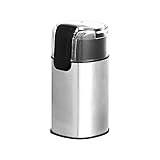
- Electric coffee bean grinder appliance for home use
- Can grind 30 grams/1 ounce of beans for drip coffee brewing in 10 seconds
- Grind coffee beans, herbs, spices, grains, nuts, and more
- Clear safety lid allows you to easily see the results in progress
- Heavy-duty stainless steel grind blade
2. Consider Your Grind Size:
- What to do: Ensure your grind size is appropriate for your brewing method. For most drip or pour-over methods that will be chilled, a medium grind is standard. If using a French press, a coarser grind is needed.
- What “good” looks like: A consistent grind that allows for proper extraction without over-extraction (bitterness) or under-extraction (sourness).
- Common mistake: Grinding too fine for a drip machine. This can lead to over-extraction, bitterness, and a potentially more acidic cup that irritates the stomach. Use a burr grinder for consistency.
3. Measure Your Coffee and Water Ratio:
- What to do: Use a consistent coffee-to-water ratio. A common starting point is 1:15 to 1:18 (e.g., 1 gram of coffee to 15-18 grams of water). For a standard 8 oz cup, this might be around 15-20 grams of coffee.
- What “good” looks like: A balanced brew that extracts the intended flavors without being too weak or too strong.
- Common mistake: Eyeballing the amount of coffee or water. Too much coffee can lead to over-extraction and bitterness, while too little can result in a weak, sour brew that may still cause issues. Use a scale for accuracy.
4. Choose Your Brewing Method Wisely:
- What to do: If you experience nausea with regular iced coffee, try a cold brew method. Cold brewing uses cold water and a longer steeping time, which extracts fewer acids and bitter compounds.
- What “good” looks like: A smoother, less acidic coffee concentrate that is naturally sweeter and easier on the stomach.
- Common mistake: Chilling hot-brewed coffee directly. This can shock the coffee, alter its flavor, and potentially increase perceived bitterness or acidity. Brew cold from the start if acidity is a concern.
5. Prepare Your Ice:
- What to do: Use fresh, clean ice. If you’re concerned about the temperature, use less ice or let the brewed coffee cool slightly before adding ice.
- What “good” looks like: Well-formed ice cubes that dilute the coffee to your desired strength without melting too quickly and watering it down.
- Common mistake: Using old ice from the freezer that may have absorbed odors, or using too much ice, making the drink excessively cold and potentially causing stomach discomfort.
6. Select Your Additives Carefully:
- What to do: If you add milk or cream, try a non-dairy alternative like almond, oat, or soy milk. If using sweeteners, opt for natural ones like honey or maple syrup in moderation, or try a sugar-free option if artificial sweeteners are suspected.
- What “good” looks like: Additives that complement the coffee’s flavor without causing digestive upset.
- Common mistake: Overloading your iced coffee with sugary syrups or heavy cream if you have a sensitivity. This can turn a potentially enjoyable drink into a digestive hazard.
7. Hydrate Before and After:
- What to do: Drink a glass of water before consuming your iced coffee and another afterward.
- What “good” looks like: Feeling adequately hydrated, which can also help buffer your stomach.
- Common mistake: Replacing all your water intake with iced coffee. This can lead to dehydration and exacerbate caffeine’s effects.
8. Listen to Your Body:
- What to do: Pay attention to how you feel after consuming iced coffee. If you consistently experience nausea, it might be time to reduce your intake or explore alternative beverages.
- What “good” looks like: Understanding your personal tolerance and making informed choices about your coffee consumption.
- Common mistake: Pushing through the discomfort because you “need” your coffee. Your body is signaling a reaction.
Prevent it next time
- Use Fresh Beans: Always check the roast date and buy beans within 2-4 weeks of roasting.
- Grind Fresh: Grind your beans just before brewing for optimal flavor and to avoid stale compounds.
- Master Your Ratio: Use a coffee scale for precise measurements (e.g., 1:15 to 1:18 coffee to water).
- Consider Cold Brew: If acidity is an issue, cold brew is naturally less acidic and smoother.
- Choose Lower-Acid Beans: Opt for darker roasts or beans from regions known for lower acidity (e.g., Brazil, Sumatra).
- Moderate Caffeine: Be mindful of your total daily caffeine intake; iced coffee can be potent.
- Test Dairy Alternatives: If you use milk or cream, try oat, almond, or soy milk to see if it makes a difference.
- Limit Syrups/Sweeteners: Reduce the amount of added sugars or artificial sweeteners.
- Drink in Moderation: Avoid consuming large quantities of iced coffee, especially on an empty stomach.
- Stay Hydrated: Drink water before and after your iced coffee.
Common mistakes (and what happens if you ignore them)
| Mistake | What it causes | Fix |
|---|---|---|
| Using stale coffee beans | Bitter, flat taste; potential digestive upset; reduced aroma and flavor | Use beans within 2-4 weeks of roast date; store in an airtight container away from light and heat. |
| Incorrect grind size | Over-extraction (bitter, acidic) or under-extraction (sour); poor flavor | Use a burr grinder; match grind size to brew method (coarse for French press, medium for drip). |
| Inconsistent coffee-to-water ratio | Weak or overly strong coffee; inconsistent flavor; potential stomach irritation | Use a kitchen scale to measure coffee and water for accurate ratios (1:15 to 1:18 is a good starting point). |
| Chilling hot-brewed coffee | Can increase perceived acidity or bitterness; may not taste as fresh | Brew coffee cold from the start using a cold brew method if acidity is a concern; or let hot coffee cool to room temperature before adding ice. |
| Excessive use of dairy or sweeteners | Digestive distress for those sensitive; can mask coffee flavor; high sugar intake | Opt for non-dairy alternatives; use natural sweeteners sparingly; consider unsweetened versions. |
| Consuming on an empty stomach | Increased stomach irritation; faster absorption of caffeine | Eat a small meal or snack before drinking iced coffee; drink water beforehand. |
| Ignoring caffeine sensitivity | Jitters, anxiety, rapid heartbeat, nausea | Reduce the amount of coffee; switch to decaf or lower-caffeine options; be mindful of other caffeine sources. |
| Not considering brewing method impact | High acidity from certain methods; less desirable flavor profile | Experiment with cold brew, which is naturally less acidic; try different pour-over techniques. |
| Using old or contaminated ice | Off-flavors; potential for bacteria | Use fresh ice made from filtered water; clean your ice maker regularly. |
| Drinking too quickly | Can lead to stomach discomfort and rapid caffeine absorption | Sip your iced coffee slowly, allowing your digestive system to process it more gradually. |
Decision rules (simple if/then)
- If you experience nausea immediately after drinking iced coffee, then consider reducing the amount of coffee or the strength of the brew because rapid caffeine absorption can be overwhelming.
- If the nausea is accompanied by bloating or gas, then try switching to a non-dairy milk alternative because dairy can be a common trigger for digestive issues.
- If your iced coffee tastes very bitter or sour, then adjust your grind size or coffee-to-water ratio because this indicates a brewing issue that can also affect stomach comfort.
- If you are generally sensitive to caffeine, then opt for a smaller size or a decaf version because your body may react more strongly to stimulants.
- If you have a history of acid reflux or GERD, then try a cold brew method or a low-acid coffee bean because standard hot-brewed coffee can exacerbate these conditions.
- If the nausea occurs regardless of how the coffee is prepared, then it’s possible you have a more general sensitivity to coffee or caffeine, and you may need to reduce your overall intake.
- If you experience nausea after consuming iced coffee with specific syrups or sweeteners, then try eliminating those additives one by one to identify the culprit because artificial ingredients can cause digestive distress.
- If drinking iced coffee on an empty stomach consistently causes discomfort, then always have a small snack or meal beforehand because food can buffer the stomach lining.
- If the nausea is severe or persistent, then consult a healthcare professional because it could be a symptom of an underlying medical condition unrelated to the iced coffee itself.
- If you notice a metallic or off-taste in your iced coffee, then check your coffee maker for scale buildup or clean your grinder because contaminants can affect both taste and digestibility.
- If you feel nauseous after drinking iced coffee and have recently changed your diet significantly, then consider if the iced coffee is interacting with other new foods or habits because digestive systems can be sensitive to change.
FAQ
Q: Can the cold temperature of iced coffee make me nauseous?
A: For some individuals, very cold beverages can slow digestion or cause stomach cramping, leading to nausea. Try using less ice or letting the coffee cool slightly before adding ice.
Q: Is it safe to drink iced coffee if I have acid reflux?
A: Coffee, especially hot-brewed, is acidic and can trigger acid reflux. Cold brew coffee is often a better option as it’s naturally less acidic. You might also consider lower-acid coffee beans.
Q: How much caffeine is typically in iced coffee?
A: The caffeine content varies greatly depending on the size, strength of the brew, and type of coffee beans used. A standard 16 oz iced coffee can contain anywhere from 100 to over 300 mg of caffeine.
Q: What if I’m not sensitive to caffeine but still feel nauseous?
A: Nausea can also be caused by the acidity of the coffee, additives like dairy or sweeteners, or even the temperature. Try different beans, brewing methods, or additives to see if that helps.
Q: Should I stop drinking iced coffee altogether if it makes me nauseous?
A: Not necessarily. You can try adjusting the ingredients, brewing method, and your consumption habits. If nausea persists despite these changes, it’s advisable to reduce your intake or consult a doctor.
Q: Can stale coffee grounds cause nausea?
A: While stale coffee is unlikely to be harmful, it can develop off-flavors and compounds that are less palatable and may contribute to digestive discomfort for some individuals.
Q: What’s the difference between iced coffee and cold brew regarding nausea?
A: Cold brew is steeped in cold water for a long period, which extracts fewer acids and bitter compounds than hot brewing. This often results in a smoother, less acidic beverage that’s easier on the stomach.
Q: How can I make my iced coffee less acidic?
A: Opt for darker roasts, try a cold brew method, or use coffee beans known for their lower acidity, such as those from Brazil or Sumatra.
Q: Is it okay to drink iced coffee on an empty stomach?
A: For many people, drinking coffee on an empty stomach can lead to increased stomach irritation and faster caffeine absorption, potentially causing nausea. It’s generally recommended to have something to eat beforehand.
What this page does NOT cover (and where to go next)
- Medical Diagnosis: This page does not diagnose or treat medical conditions. If your nausea is severe, persistent, or accompanied by other concerning symptoms, please consult a healthcare professional.
- Specific Coffee Maker Troubleshooting: For issues related to the function or maintenance of your particular coffee maker model (e.g., leaks, heating element problems), refer to your coffee maker’s user manual or the manufacturer’s support resources.
- Allergic Reactions: This guide focuses on common digestive sensitivities. If you suspect a true allergy to coffee or any of its ingredients, seek medical advice.
- Advanced Coffee Science: For deep dives into the chemical compounds of coffee and their precise effects on the body, you may want to explore scientific journals or specialized coffee publications.