
Top Coffee Makers for Office Breakrooms: Features and Benefits
Quick answer
- For an office breakroom, prioritize durability, ease of use, and capacity.
- Consider programmable features for convenience, allowing coffee to be ready at specific times.
- Look for models with large water reservoirs to minimize frequent refilling.
- Simplicity in cleaning and maintenance is crucial for busy environments.
- A robust build quality ensures longevity and withstands frequent use.
- Consider the type of coffee desired, from standard drip to single-serve options.
Buying priorities for an office breakroom coffee maker
- Capacity: Choose a coffee maker that can brew enough coffee for multiple people throughout the day. Consider a 12-cup or larger capacity model, or even commercial-grade machines if your office is large.
- Durability and Build Quality: An office coffee maker will see heavy use. Opt for models with sturdy construction, preferably stainless steel components, that can withstand daily operation without issues.
- Ease of Use: Staff members with varying levels of coffee-making familiarity should be able to operate the machine easily. Simple controls and clear instructions are essential.
- Programmable Features: A programmable timer is a significant benefit, allowing coffee to be ready when employees arrive or during peak times, reducing wait times.
- Brewing Speed: In a busy office, a fast brew cycle is important to keep up with demand.
- Filter Type: Decide between permanent filters (reusable, eco-friendly) or disposable paper filters. Permanent filters can save on ongoing costs, but paper filters might offer a cleaner taste to some.
- Water Reservoir Access: An easily accessible and removable water reservoir makes refilling and cleaning much simpler.
- Keep Warm Function: A reliable keep warm plate or function is necessary to maintain coffee at an optimal drinking temperature for extended periods.
- Cleaning and Maintenance: Look for machines with removable parts that are dishwasher-safe or easy to rinse. Descaling indicators or simple descaling processes are also valuable.
- Footprint: Consider the available counter space in your breakroom. Compact designs can be advantageous if space is limited.
For larger offices, consider a commercial coffee maker designed for high-volume use to ensure everyone gets their caffeine fix without delay.

- Commercial Coffee Pots: The 12 cup coffee machine is made of SS304 for housing and funnel. The professional coffee maker can be used anywhere. It is suitable for restaurants, churchs, cafeterias, wedding and beverage stations, also for home use
- Quick and Efficient: The pour over commercial brewer is 1450w and comes with 2 glass coffee pots. One carafe holds 12 cup of coffee liquid. It will take 7 minutes to brew a 1.8 liter pot of coffee. With this coffee maker you can make two pots one after the other and hardly spend time in the kitchen
- Simple Controls: Press the switch, you will be ready to enjoy a cup of flavorful coffee in a few minutes. When the drip brewing is complete, the coffee machine will automatically be in the keep-warm state. With the filter paper, you can easily filter the coffee grounds and make your cleaning easier, too
- Waring Panels: The warming plate keeps the coffee at an perfect temperature. Each panel has a separate button. Two warming panels keep your drip coffee machine working all the time and the coffee from getting cold. By pressing the keep warm button, you'll always have fresh and warm coffee again and refill another cup
- Widely applications: The industrial coffee maker can be used at home or in commercial establishments, such as family reunions, restaurants, snack bar, small catering company and your beverage station. It is a good ideal for serving coffee to more than one person
Coffee Maker Feature Comparison for Office Breakrooms
- Brew Method: Drip coffee makers are the most common and straightforward for offices, offering batch brewing. Single-serve machines offer individual customization but can be slower for multiple users.
- Capacity: Ranges from 10-cup to 12-cup for standard drip machines, with some commercial models offering much larger capacities. Single-serve machines brew one cup at a time.
- Temperature Control: Most standard drip coffee makers heat water to an optimal brewing temperature automatically. Some higher-end models may offer adjustable brew strength or temperature settings, though this is less common in office-focused machines.
- Filter Type: Options include permanent (reusable mesh or gold-tone) filters, which are cost-effective and eco-friendly, or disposable paper filters, which some prefer for taste and ease of disposal.
- Cleaning: Look for removable brew baskets, carafes, and filter holders. Dishwasher-safe components significantly simplify cleaning. Auto-clean or descaling functions are a plus.
- Footprint: Varies greatly. Standard drip machines typically have a moderate footprint. Compact models are available for smaller spaces.
- Programmability: Many drip coffee makers offer programmable timers to start brewing at a set time.
- Carafe Material: Glass carafes are common but can break. Thermal carafes (stainless steel) keep coffee hot longer without a warming plate, which can sometimes scorch coffee.
- Water Reservoir: Some have integrated reservoirs, while others have removable ones. Removable reservoirs are easier to fill and clean.
- Auto Shut-off: A safety feature that turns the machine off after a set period, saving energy and preventing overheating.
- Pause and Serve: Allows you to grab a cup of coffee mid-brew without making a mess.
- Strength Control: Some machines offer options to brew a bolder or milder cup of coffee.
How to choose the right coffee maker for your office breakroom step-by-step
1. Assess Office Size and Coffee Consumption:
- What to do: Estimate the number of people who will use the coffee maker daily and how many cups are typically consumed during peak hours.
- What “good” looks like: You have a clear idea of the minimum capacity needed (e.g., 10-12 cups for a small office, potentially more for a larger one).
- Common mistake: Underestimating consumption, leading to frequent brewing and potential shortages.
- How to avoid it: Err on the side of a larger capacity if unsure.
When assessing your office’s coffee needs, a large capacity coffee maker is essential to avoid constant brewing and keep your team happy.

- ADJUSTABLE CARAFE TEMP: Our Cuisinart 14-Cup* Coffee Maker with adjustable carafe temp feature adjusts the warming plate temperature to Low, Medium, or High to keep freshly brewed coffee at the temperature you prefer.
- BREW STRENGTH CONTROL: This coffee maker customizes your brew to perfection with regular or bold settings, catering to your unique taste preferences every time.
- FULLY AUTOMATIC COFFEE MAKER: The coffee machine offers convenience with 24-hour programmability, 1-4 cup settings, auto-off (0-4 hours), and an optional ready alert tone.
- 14-CUP* CAPACITY: *Cup equals approx. 5 oz. (varies by brewing technique).
- FILL WITH EASE: Enjoy precise water filling with the easy-to-view water window, while the Cuisinart coffee maker Brew Pause feature lets you savor a cup before the brewing cycle finishes, enhancing your experience.
2. Determine Budget:
- What to do: Set a realistic budget for the initial purchase, considering ongoing costs like filters or cleaning supplies.
- What “good” looks like: You have a price range in mind, from basic reliable models to more feature-rich options.
- Common mistake: Focusing only on the cheapest option, which might compromise durability or features.
- How to avoid it: Research models within your budget and read reviews for long-term reliability.
3. Evaluate Available Counter Space:
- What to do: Measure the designated area for the coffee maker in the breakroom.
- What “good” looks like: You know the maximum dimensions (width, depth, height) the machine can occupy.
- Common mistake: Buying a machine that is too large for the allocated space.
- How to avoid it: Always check the product dimensions before purchasing.
4. Consider Ease of Operation and Cleaning:
- What to do: Look for simple, intuitive controls and easily accessible parts for cleaning.
- What “good” looks like: Buttons are clearly labeled, and components like the brew basket and carafe can be easily removed and washed.
- Common mistake: Choosing a machine with complex settings or difficult-to-clean parts, leading to underutilization or poor hygiene.
- How to avoid it: Prioritize models with removable, dishwasher-safe parts and straightforward operation.
5. Decide on Filter Type:
- What to do: Choose between permanent (reusable) filters or disposable paper filters.
- What “good” looks like: You’ve weighed the pros and cons of each for your office’s preferences and budget.
- Common mistake: Not considering the ongoing cost and environmental impact of disposable filters.
- How to avoid it: Permanent filters can save money and reduce waste, but ensure they are easy to clean.
6. Prioritize Durability and Build Quality:
- What to do: Read reviews focusing on how well the coffee maker holds up to frequent use. Look for sturdy materials.
- What “good” looks like: The machine feels solid and has a history of reliable performance in similar environments.
- Common mistake: Purchasing a flimsy machine that breaks down quickly.
- How to avoid it: Invest in a slightly more expensive but robust model designed for high traffic.
7. Check for Desired Features:
- What to do: Decide if features like programmability, auto shut-off, or a thermal carafe are important.
- What “good” looks like: The machine has the features that will genuinely enhance convenience for your staff.
- Common mistake: Overpaying for features that won’t be used.
- How to avoid it: Focus on essential features that address common office needs.
8. Read User Reviews:
- What to do: Seek out reviews from other offices or users who have purchased similar coffee makers.
- What “good” looks like: Consistent positive feedback regarding performance, durability, and ease of use.
- Common mistake: Relying solely on manufacturer descriptions.
- How to avoid it: Look for real-world experiences, paying attention to common complaints or praises.
Common mistakes (and what happens if you ignore them)
| Mistake | What it causes | Fix |
|---|---|---|
| Buying a machine with insufficient capacity. | Constant need for brewing, long lines, frustration among staff. | Choose a 12-cup or larger model, or a commercial-grade machine for high-traffic breakrooms. |
| Neglecting ease of cleaning. | Poor hygiene, potential for mold or stale coffee, machine disuse. | Opt for models with removable, dishwasher-safe parts and simple descaling procedures. |
| Ignoring build quality for a lower price. | Frequent breakdowns, costly repairs or replacements, disruption to workflow. | Invest in a durable model with good reviews for longevity, even if it costs a bit more upfront. |
| Not considering the footprint. | Cluttered counter space, difficulty in operation or refilling. | Measure your space and compare it with product dimensions before purchasing. |
| Forgetting about filter type and ongoing costs. | Running out of filters, unexpected recurring expenses, environmental waste. | Decide on permanent vs. disposable filters and factor in the cost and convenience of each. |
| Overlooking programmable features. | Coffee not ready when needed, staff waiting, less efficient morning routines. | Select a model with a programmable timer for convenience and readiness. |
| Choosing a machine with complex controls. | Confusion among staff, improper use, potential for errors or damage. | Opt for a user-friendly design with intuitive buttons and clear indicators. |
| Not factoring in brewing speed. | Long wait times during peak hours, increased staff frustration. | Look for models that advertise relatively fast brew cycles for efficient batch brewing. |
| Using tap water with high mineral content. | Scale buildup, affecting taste and performance, potentially damaging the machine. | Use filtered water or a water filter attachment if your tap water is hard. |
| Not performing regular descaling. | Reduced brewing temperature, slower brewing, poor coffee taste, machine failure. | Follow the manufacturer’s recommended descaling schedule (often monthly or bi-monthly). |
Decision rules for selecting an office coffee maker
- If your office has more than 20 employees, then choose a coffee maker with a capacity of at least 12 cups or a commercial-grade model, because smaller machines will lead to frequent refilling and long wait times.
- If counter space is limited, then look for compact or slim-profile coffee makers, because a large machine can be inconvenient and take up valuable workspace.
- If ease of cleaning is a top priority, then select a model with removable, dishwasher-safe parts, because this significantly reduces the time and effort required for daily maintenance.
- If staff members often arrive at different times, then a programmable coffee maker is essential, because it ensures coffee is ready when needed without manual intervention.
- If budget is very tight, then consider a durable, basic drip coffee maker with a glass carafe and fewer features, because simpler machines are generally less expensive and easier to maintain.
- If you want to reduce ongoing costs and waste, then opt for a coffee maker with a permanent filter, because this eliminates the need to purchase disposable paper filters.
- If you need coffee to stay hot for extended periods without a warming plate, then choose a coffee maker with a thermal carafe, because thermal carafes maintain temperature longer and prevent the “scorched” taste from prolonged warming.
- If employee satisfaction is key, then prioritize ease of use and consistent brew quality, because a machine that is difficult to operate or produces mediocre coffee will likely be underutilized.
- If the office environment is prone to accidental damage, then consider models with a more robust build, perhaps with stainless steel accents, because they are more likely to withstand minor impacts.
- If you need to accommodate different taste preferences, then consider a machine with a brew-strength selector, because this allows users to customize their coffee experience.
- If energy efficiency is a concern, then look for models with an auto shut-off feature, because this prevents the machine from running unnecessarily and saves electricity.
FAQ
What is the best type of coffee maker for a busy office?
For most offices, a durable, programmable drip coffee maker with a 12-cup or larger capacity is ideal. These machines are easy to use, can brew enough coffee for multiple people, and offer convenience with programmable timers.
For most offices, a durable, programmable drip coffee maker with a 12-cup or larger capacity is ideal, offering ease of use and convenience.
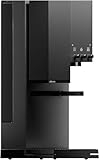
- 1. Three Levels of Automation for Any Skill Level: Choose from Autopilot, Copilot, or Free Solo mode. Autopilot handles the entire brewing process automatically. Copilot provides step-by-step guidance. Free Solo gives you full manual control. This coffee machine works for beginners and professional baristas alike.
- 2. Intuitive User Interface with Tactile Knobs and LED Matrix: The Studio features physical control knobs and a clear LED Matrix display. You can adjust grind size, water temperature, and flow rate in real time without navigating complicated touchscreen menus.
- 3. Full Customization via the xBloom App: Use the xBloom app to create, adjust, save, and share your favorite coffee recipes. Every brewing parameter can be fine-tuned and synced to the machine instantly. Your perfect cup is saved and repeatable.
- 4. Compostable xPod System for Minimal Waste and Maximum Flavor: Each xPod contains carefully selected whole beans and a built-in filter. Tap the recipe card, pour the beans into the grinder, place the pod into the dock, and press start. No capsules, no extra paper filters, no unnecessary waste.
- 5. What Is Included in the Box: The package includes the xBloom Studio, Omni Dripper 2 with Hyperflow Bottom, 10 paper filters, xPod Dock, Magnetic Dosing Cup, default recipe card, quick start guide, cleaning brush, and universal power cord. Everything you need is included.
How often should an office coffee maker be cleaned?
An office coffee maker should ideally be cleaned daily. This includes washing the carafe, brew basket, and filter. A more thorough descaling process should be performed according to the manufacturer’s instructions, typically monthly or bi-monthly, depending on water hardness.
Are permanent filters worth it for an office?
Yes, permanent filters can be a good investment for offices. They reduce ongoing costs by eliminating the need to buy paper filters and also decrease waste. Ensure the permanent filter is easy to clean.
What does “programmable” mean for a coffee maker?
A programmable coffee maker has a built-in timer that allows you to set a specific time for the brewing cycle to start. This is highly beneficial for offices, ensuring coffee is ready at the start of the workday or during busy periods.
How important is the carafe material (glass vs. thermal) for an office?
For offices, a thermal carafe is often preferred. It keeps coffee hot for longer periods without needing a warming plate, which can sometimes lead to a burnt taste. Glass carafes are common but can break more easily in a busy environment.
What are the benefits of a coffee maker with a thermal carafe?
Thermal carafes are made of insulated stainless steel. They maintain coffee at an optimal drinking temperature for several hours without direct heat, preserving the coffee’s flavor and preventing it from becoming stale or burnt.
Should I consider a single-serve coffee maker for an office?
Single-serve machines can be an option if your office has very diverse coffee preferences or if only a few people drink coffee. However, for a moderate to large number of coffee drinkers, they are generally less efficient and slower than batch brewing drip machines.
What is “descaling,” and why is it important for an office coffee maker?
Descaling is the process of removing mineral deposits (scale) that build up inside a coffee maker from water. Regular descaling is crucial for maintaining brewing temperature, ensuring optimal coffee flavor, preventing clogs, and extending the life of the machine.
What this page does NOT cover (and where to go next)
- Specific brand recommendations and detailed model reviews.
- Where to go next: Consult consumer review websites and coffee enthusiast forums for current product comparisons.
- Advanced brewing techniques like pour-over or espresso.
- Where to go next: Explore resources dedicated to specialty coffee brewing methods and equipment.
- The cost of coffee beans, grinders, or other accessories.
- Where to go next: Look for guides on home barista setups and coffee bean sourcing.
- Maintenance beyond basic cleaning and descaling, such as troubleshooting specific technical issues.
- Where to go next: Refer to the coffee maker’s user manual or contact the manufacturer’s customer support.
- Commercial-grade coffee brewing systems designed for high-volume food service establishments.
- Where to go next: Seek out information from suppliers specializing in commercial kitchen equipment.