
Thermal vs. Glass Coffee Makers: Which is Superior?
Quick answer
- Thermal coffee makers keep coffee hot for extended periods without a warming plate, preserving flavor.
- Glass coffee makers typically rely on a hot plate, which can scorch coffee over time.
- For convenience and better-tasting coffee after the brew cycle, thermal is often preferred.
- If you drink coffee immediately or prefer a visual brewing process, glass might be suitable.
- Thermal carafes are generally more durable than glass.
- Consider your daily coffee consumption habits when choosing.
Key terms and definitions
- Carafe: The container that holds the brewed coffee.
- Thermal Carafe: A double-walled, insulated carafe designed to keep coffee hot for hours without an external heat source.
- Glass Carafe: A carafe made of glass, often placed on a warming plate.
- Warming Plate: A heated surface beneath a glass carafe that keeps the coffee warm.
- Brewing Cycle: The complete process of making coffee, from adding water to the final drip.
- Insulation: The ability of a material to resist heat transfer, keeping hot things hot and cold things cold.
- Browning/Scorching: The undesirable process where coffee left on a hot plate for too long develops a burnt or bitter taste.
- Drip Coffee Maker: A common type of coffee maker where hot water is poured over coffee grounds in a filter, and the brewed coffee drips into a carafe.
- Specialty Coffee: Coffee that is considered to be of higher quality, often focusing on origin, processing, and roasting.
- Flavor Profile: The unique taste characteristics of a coffee, influenced by many factors.
How it works
- Glass Coffee Makers: Water is heated in a reservoir. The hot water then travels up a tube and is dispersed over coffee grounds held in a filter basket. Gravity pulls the brewed coffee down through the filter and into the glass carafe below. A warming plate beneath the carafe maintains its temperature.
- Thermal Coffee Makers: The brewing process is similar to glass coffee makers, with hot water passing over grounds. However, instead of a glass carafe on a hot plate, the coffee drips into a thermal carafe. This carafe has an inner and outer wall with a vacuum or insulating material in between, trapping heat.
- The heating element in both types of machines is typically an electric coil or a heating plate.
- Filters can be paper, metal mesh, or cloth, affecting the amount of coffee oils that pass into the brew.
- The water temperature during brewing is a critical factor, ideally between 195°F and 205°F for optimal extraction.
- Coffee grounds are held in a filter basket, which is usually positioned above the carafe.
- The speed at which water passes through the grounds (brew time) influences the strength and flavor.
- Some thermal models have a mechanism to stop dripping when the carafe is removed, preventing spills.
- The design of the showerhead that disperses water over the grounds can impact saturation and extraction.
- The overall goal is to saturate the coffee grounds evenly and efficiently with hot water.
What affects the result
- Water Quality: Using filtered or bottled water can significantly improve taste compared to tap water, which may contain minerals or chlorine.
- Coffee Bean Freshness: Whole beans roasted recently will yield a more flavorful cup than stale or pre-ground coffee.
- Grind Size: The fineness or coarseness of the coffee grounds directly impacts how quickly water extracts flavor. Too fine can lead to over-extraction and bitterness; too coarse can lead to under-extraction and a weak taste.
- Coffee-to-Water Ratio: The proportion of coffee grounds to water is crucial. A common starting point is 1:15 or 1:17 (e.g., 1 gram of coffee to 15-17 grams of water), but this can be adjusted to preference.
- Water Temperature: The ideal brewing temperature is between 195°F and 205°F. Water that is too cool won’t extract enough flavor, while water that is too hot can scorch the grounds.
- Brew Time: The amount of time water is in contact with the coffee grounds. This is influenced by grind size and the brewer’s design.
- Brewer Type (Thermal vs. Glass): As discussed, the carafe type affects how coffee is kept warm, impacting its taste over time.
- Cleanliness of the Machine: Coffee oils and mineral buildup can impart off-flavors. Regular cleaning is essential.
- Filter Type: Paper filters absorb more oils, leading to a cleaner cup, while metal or cloth filters allow more oils through, resulting in a richer, fuller-bodied coffee.
- Altitude: Water boils at lower temperatures at higher altitudes, which can affect brewing temperature if not compensated for.
- Bloom Phase: Allowing fresh coffee grounds to degas for about 30 seconds after initial wetting can improve flavor extraction.
- Consistency: Maintaining consistent measurements of coffee, water, and grind size from brew to brew leads to predictable results.
Pros, cons, and when it matters
- Thermal Coffee Makers – Pros:
- Maintains Coffee Temperature: Keeps coffee hot for hours without a warming plate, preserving flavor.
- Prevents Scorching: No hot plate means no burnt taste develops over time.
- Better Flavor Retention: Coffee generally tastes fresher and less bitter for longer.
- Durability: Thermal carafes are typically made of stainless steel and are less prone to breaking than glass.
- Portability: Many thermal carafes are designed for easy pouring and transport.
- Energy Efficiency: No constant heating element required to maintain temperature after brewing.
- Ideal for Slow Drinkers: If you make a pot but only drink a cup or two at a time over several hours.
- Preferred for Specialty Coffee: When preserving delicate flavor notes is important.
- Thermal Coffee Makers – Cons:
- Less Visual Appeal: You can’t see the coffee brewing or how full the carafe is.
- Initial Cost: Can sometimes be more expensive upfront than basic glass models.
- Cleaning: Some thermal carafes may have slightly more complex cleaning needs for their internal mechanisms.
- Potential for Stale Coffee: If left too long, even insulated coffee can eventually lose its vibrancy.
- Glass Coffee Makers – Pros:
- Visual Brewing Process: Many people enjoy watching the coffee brew.
- Lower Initial Cost: Generally more affordable than comparable thermal models.
- Simplicity: Easy to operate and understand.
- Easy to See Coffee Level: You can quickly gauge how much coffee is left.
- Readily Available: Widely found in most stores.
- Simple Cleaning: Glass carafes are usually straightforward to wash.
- Good for Immediate Consumption: If you plan to drink the entire pot shortly after brewing.
- Glass Coffee Makers – Cons:
- Warming Plate Issues: Coffee can scorch and develop a bitter taste if left on the hot plate for extended periods.
- Fragility: Glass carafes are susceptible to breaking if dropped or subjected to sudden temperature changes.
- Flavor Degradation: Coffee quality diminishes significantly after an hour or so on a warming plate.
- Energy Consumption: The warming plate uses electricity continuously to maintain temperature.
- Not Ideal for Leftovers: Coffee brewed and left on a hot plate for a long time is often discarded.
- Potential for Cracking: Thermal shock can cause glass carafes to crack.
For those who savor their coffee throughout the morning or enjoy specialty brews, a thermal coffee maker is ideal for preserving flavor and preventing that dreaded burnt taste.

- No Plastic Touching Food: Made with 304 stainless steel and food-grade silicone, our French press keeps all brewing surfaces plastic-free— no odor and no plastic particle into your coffee. Safe and worry-free
- Thickened Glass and Versatile Brewing: Made of high borosilicate glass that resists thermal shock up to 360°F, this thick durable carafe is perfect for hot coffee, cold brew, or loose leaf tea—offering clarity and daily multifunctional use
- 4-Level Filtration for Pure Coffee: This French press has a 4-layer stainless steel filter—spiral plate, cross plate, and two fine mesh screens—that catch fine grounds and brew smooth, sludge-free coffee with clear taste, rich aroma, and full flavor
- Easy to Clean: Designed for hassle-free cleanup, the glass carafe disassembles easily for handwashing, while key components like the plunger and filter are dishwasher-safe—ensuring a thorough, convenient clean after every brew
- Versatile and Giftable: Perfect for home use, travel, camping, or the office, this compact French press fits effortlessly into bags or backpacks. Its elegant design and practical value make it a thoughtful gift for coffee lovers on any occasion
If you prefer to watch your coffee brew and plan to drink it all shortly after, a glass coffee maker like this one can be a great, affordable option.
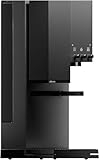
- 1. Three Levels of Automation for Any Skill Level: Choose from Autopilot, Copilot, or Free Solo mode. Autopilot handles the entire brewing process automatically. Copilot provides step-by-step guidance. Free Solo gives you full manual control. This coffee machine works for beginners and professional baristas alike.
- 2. Intuitive User Interface with Tactile Knobs and LED Matrix: The Studio features physical control knobs and a clear LED Matrix display. You can adjust grind size, water temperature, and flow rate in real time without navigating complicated touchscreen menus.
- 3. Full Customization via the xBloom App: Use the xBloom app to create, adjust, save, and share your favorite coffee recipes. Every brewing parameter can be fine-tuned and synced to the machine instantly. Your perfect cup is saved and repeatable.
- 4. Compostable xPod System for Minimal Waste and Maximum Flavor: Each xPod contains carefully selected whole beans and a built-in filter. Tap the recipe card, pour the beans into the grinder, place the pod into the dock, and press start. No capsules, no extra paper filters, no unnecessary waste.
- 5. What Is Included in the Box: The package includes the xBloom Studio, Omni Dripper 2 with Hyperflow Bottom, 10 paper filters, xPod Dock, Magnetic Dosing Cup, default recipe card, quick start guide, cleaning brush, and universal power cord. Everything you need is included.
Common misconceptions
- “All thermal coffee is stale.” This is false. Thermal carafes are designed to prevent staleness by keeping coffee hot without cooking it.
- “Glass coffee makers are always cheaper.” While many basic glass models are inexpensive, high-end glass brewers with advanced features can be as costly as thermal ones.
- “Warming plates don’t really affect the taste.” They absolutely do. Prolonged heat from a warming plate causes chemical changes in the coffee, leading to bitterness and a burnt flavor.
- “You can’t make good coffee with a thermal carafe.” Thermal carafes are excellent for preserving the quality of good coffee. The brewing process itself, not the carafe, is where most flavor is made.
- “Glass carafes are more durable.” Typically, stainless steel thermal carafes are far more durable and less likely to break than glass carafes.
- “You have to drink glass-brewed coffee immediately.” While it’s best to drink it fresh, many people tolerate lukewarm coffee from a glass carafe if they’re in a hurry. However, the flavor will be compromised.
- “Thermal carafes make coffee taste metallic.” High-quality stainless steel carafes are inert and do not impart a metallic taste to the coffee.
- “All coffee makers are basically the same.” The design, materials, and carafe type can significantly impact the final taste and convenience.
- “You need a special cleaning solution for thermal carafes.” Usually, hot water and mild soap are sufficient, though specific cleaners exist for stubborn stains.
- “If it’s hot, it’s good.” Heat is necessary for brewing, but excessive or prolonged heat after brewing degrades coffee flavor.
FAQ
Q: Are thermal coffee makers better than glass ones for flavor?
A: Yes, generally. Thermal coffee makers keep coffee hot without a warming plate, which prevents the coffee from scorching and developing a burnt taste over time. This allows the coffee’s intended flavor profile to be preserved for longer.
Q: Will my coffee taste burnt if I use a glass coffee maker?
A: It’s likely if you leave it on the warming plate for an extended period, usually more than an hour. The constant heat from the plate can degrade the coffee’s delicate flavors, leading to bitterness and a burnt taste.
Q: Is a thermal carafe more durable than a glass carafe?
A: Typically, yes. Thermal carafes are often made of stainless steel, making them much more resistant to breakage from drops or thermal shock compared to glass carafes.
Q: Can I reheat coffee from a thermal carafe?
A: It’s not recommended to reheat coffee in a thermal carafe. The best practice is to brew only what you intend to drink relatively soon after brewing. Reheating can further degrade the flavor.
Q: Do thermal coffee makers cost more?
A: They can have a higher initial purchase price, especially for models with advanced brewing features. However, the long-term benefit of better-tasting coffee and durability may justify the cost for some users.
Q: How long does coffee stay hot in a thermal carafe?
A: This varies by model and insulation quality, but most good thermal carafes will keep coffee hot for at least 2-4 hours, and some can maintain a drinkable temperature for up to 6-8 hours.
Q: Is it okay to leave coffee in a glass carafe on the warming plate overnight?
A: No, it is strongly advised against. Coffee left on a warming plate for extended periods, especially overnight, will become very bitter, burnt, and unpalatable.
Q: Which type of coffee maker is better for making coffee for one person?
A: For a single person who might only drink one cup at a time over a few hours, a thermal coffee maker is often better. It keeps that one cup hot without negatively affecting the rest of the pot. If you drink your coffee all at once, a glass maker is fine.
Q: Do thermal coffee makers require special cleaning?
A: Generally, no. Most thermal carafes can be cleaned with warm water, mild dish soap, and a bottle brush. For tougher stains, specialized coffee pot cleaners can be used, similar to those for glass carafes.
What this page does NOT cover (and where to go next)
- Specific brand comparisons or model recommendations.
- Detailed guides on how to clean specific coffee maker components.
- Advanced brewing techniques like pour-over or espresso.
- The impact of specific roasting profiles on coffee flavor.
- Nutritional information about coffee consumption.