
The Psychological Effects Of Coffee On Confidence
Quick Answer
- Coffee’s primary stimulant, caffeine, can temporarily enhance alertness and focus, which may indirectly contribute to feelings of confidence.
- The ritual of preparing and enjoying coffee can be a grounding experience, providing a moment of calm that can support a more confident mindset.
- Individual responses to caffeine vary significantly; some may experience anxiety or jitters, which can detract from confidence.
- The social aspect of coffee, whether shared with others or enjoyed as personal downtime, can foster positive psychological states.
- While coffee can offer a temporary boost, sustained confidence is built on other factors like preparation, skills, and self-perception.
- The aroma and taste of coffee are often associated with positive memories and comfort, which can have a subtle uplifting effect.
Key Terms and Definitions
- Caffeine: A natural stimulant found in coffee beans, known for its effects on the central nervous system.
- Neurotransmitters: Chemical messengers in the brain that influence mood, alertness, and cognitive function. Examples include dopamine and adenosine.
- Placebo Effect: A phenomenon where a person experiences a benefit after receiving a treatment that has no therapeutic effect, simply because they expect to experience a benefit.
- Cortisol: A hormone released in response to stress, but also plays a role in regulating mood and energy levels.
- Adenosine: A neurotransmitter that promotes relaxation and sleepiness; caffeine blocks its receptors.
- Dopamine: A neurotransmitter associated with pleasure, motivation, and reward, which caffeine can indirectly influence.
- Cognitive Function: Mental processes such as thinking, learning, remembering, and problem-solving.
- Alertness: The state of being aware of and responsive to one’s surroundings.
- Focus: The ability to concentrate attention on a particular subject or activity.
- Ritual: A sequence of activities involving gestures, words, actions, or objects, performed in a specific order.
How Coffee Affects Your Brain
- Caffeine Blocks Adenosine: Caffeine molecules are shaped similarly to adenosine, a neurotransmitter that signals fatigue. By binding to adenosine receptors, caffeine prevents adenosine from doing its job, reducing feelings of tiredness.
- Stimulates the Central Nervous System: This blockage leads to increased neuronal firing in the brain, which can heighten alertness and wakefulness.
- Increases Dopamine Levels: The increased neuronal activity can indirectly lead to a temporary rise in dopamine, a neurotransmitter linked to pleasure and motivation. This can contribute to a more positive mood.
- Triggers Adrenaline Release: Caffeine can stimulate the adrenal glands to release adrenaline (epinephrine), the “fight-or-flight” hormone. This can lead to increased heart rate, blood pressure, and energy levels.
- Enhances Cognitive Performance: For many, caffeine can temporarily improve aspects of cognitive function, such as attention, reaction time, and short-term memory.
- Alters Mood Perception: The combination of increased alertness, dopamine release, and reduced fatigue can lead to a subjective feeling of being more capable or “on the ball.”
- Sensory Experience: The aroma and taste of coffee are powerful sensory inputs. These can evoke pleasant memories or create a comforting, grounding experience.
- The Ritual of Preparation: The act of brewing coffee, from grinding beans to pouring a cup, can be a mindful practice that helps individuals transition into their day or take a calming break.
The sensory experience of coffee, from its aroma to the warmth of the mug, can be a grounding ritual. Consider a quality coffee mug to enhance this comforting aspect.
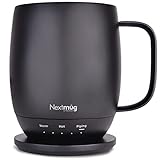
- ALWAYS THE PERFECT TEMPERATURE – The Nextmug will keep your hot coffee, tea or preferred beverage at the perfect temperature wherever you are. Simply select Warm (130° F), Hot (140° F), or Piping (150° F) and enjoy for hours.
- SMART MUG TECHNOLOGY – Long-lasting battery maintains your ideal temperature. LED lights display battery life & real-time temperature. Includes Spill-Resistant Lid & Charging Coaster.
- SUPER SIMPLE – On-board Control Button easily turns mug On/Off & sets the temperature. Takes only seconds to set the mug to your perfect temperature. No app required - no passwords, re-booting or security concerns.
- THE PERFECT GIFT - Give the gift for him and the gift for her that is certain to delight. Perfect for everyone on your list…moms, dads, grandmas, grandpas, teachers, birthdays, graduations and more!
- NEXTMUG CARES - Nextmug cares about our communities and our customers. We care by donating Nextmugs to teachers and first responders . We’re also committed to sustainable packaging by using 100% recyclable materials with all our products. Our dedicated customer service agents are based in the USA and always ready to help.
What Affects Coffee’s Psychological Impact
- Caffeine Sensitivity: Individuals have varying genetic predispositions that determine how quickly they metabolize caffeine and how intensely they respond to it. This is a primary factor.
- Dosage: The amount of caffeine consumed directly influences its effects. A small amount might provide a gentle lift, while a larger dose could lead to overstimulation.
- Tolerance: Regular coffee drinkers develop a tolerance to caffeine, meaning they need more to achieve the same effects they once did. This can reduce the perceived psychological boost over time.
- Time of Consumption: Drinking coffee too close to bedtime can disrupt sleep, leading to fatigue and potentially negative mood effects the next day, counteracting any confidence boost.
- Hydration Levels: Dehydration can mimic symptoms of fatigue and reduce cognitive function. Being well-hydrated alongside coffee consumption can optimize its positive effects.
- Food Intake: Consuming coffee on an empty stomach can lead to a more rapid and intense absorption of caffeine, potentially increasing jitters. Eating before or with coffee can moderate its effects.
- Expectations (Placebo Effect): If you believe coffee will make you more confident, you are more likely to experience that effect, regardless of the purely physiological impact.
- Environmental Context: The setting in which coffee is consumed matters. A relaxed, social environment might enhance positive feelings, while a stressful setting could amplify negative ones.
- Sleep Quality: If you are already well-rested, coffee’s stimulant effects might be less pronounced. If you are sleep-deprived, coffee can provide a necessary jolt but may not address the underlying fatigue.
- Individual Mood State: Your baseline mood can influence how you perceive coffee’s effects. If you are already feeling anxious, caffeine might exacerbate that.
- Acidity and Flavor Profile: While not directly psychological, the sensory pleasure derived from a well-brewed, palatable cup of coffee can contribute to a positive overall experience.
- Preparation Method: Different brewing methods can result in varying caffeine concentrations and flavor profiles, subtly influencing the overall experience.
For those seeking a more controlled caffeine intake or a way to manage dosage, caffeine supplements can be an alternative to coffee. They offer a way to fine-tune your stimulant experience.
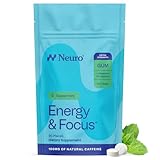
- Fast-Acting Nootropic - Our energy supplements deliver an extra boost of energy and clarity with a blend of natural caffeine, L-theanine, and vitamin b6 & b12. Your go-to chewing gum for work, exercise, and daily focus!
- Clean Energy - Each piece of our sugar free gum delivers 100mg of natural caffeine from green coffee beans for a smooth energy boost without crashes or jitters.
- The Perfect Balance - With 60mg of L-theanine per piece, our energy and focus formula promotes enhanced focus and stress reduction to smooth energy boosts.
- How to Use - Chew one piece of the caffeine gum whenever focus or energy is lacking. Ideal for mornings, pre-workout, or afternoon slumps. Effects typically kick in within minutes thanks to optimal absorption through the mouth.
- Made by Neuro, Backed by Science - At Neuro, we combine neuroscience with clean, science backed ingredients to help you do more, think better, and feel your best every single day.
Pros, Cons, and When It Matters
- Pro: Enhanced Alertness and Focus: Coffee can make you feel more present and capable of tackling tasks, which can translate to increased confidence in your abilities.
- Con: Anxiety and Jitters: For some, caffeine can trigger or worsen feelings of anxiety, nervousness, or restlessness, undermining confidence.
- Pro: Improved Mood: The release of dopamine and the reduction of fatigue can lead to a temporary uplift in mood and a more positive outlook.
- Con: Sleep Disruption: Consuming coffee late in the day can interfere with sleep, leading to fatigue and reduced cognitive function the following day, negatively impacting confidence.
- Pro: Social Connection: Sharing a cup of coffee can foster social bonds and provide opportunities for positive interactions, which can boost self-esteem.
- Con: Dependence and Withdrawal: Regular use can lead to physical dependence, with withdrawal symptoms like headaches and irritability occurring if consumption stops, which can lower confidence.
- Pro: Ritualistic Comfort: The routine of preparing and drinking coffee can be a grounding and comforting practice, offering a sense of control and calm.
- Con: Digestive Issues: Coffee can cause stomach upset or heartburn in some individuals, which can be distracting and detract from a feeling of well-being.
- Pro: Placebo Effect: Believing coffee will help you perform better can genuinely lead to improved performance and thus, increased confidence.
- Con: Over-reliance: Relying solely on coffee for confidence can mask underlying issues and prevent the development of genuine self-assurance.
- Pro: Sensory Pleasure: The enjoyable aroma and taste of coffee can create a positive sensory experience, contributing to a good mood.
- Con: Palpitations and Increased Heart Rate: Caffeine can cause a noticeable increase in heart rate and sometimes palpitations, which can be unnerving and reduce feelings of composure.
Common Misconceptions
- Myth: Coffee is a direct confidence booster. Reality: Coffee’s effects are indirect. It enhances alertness and focus, which may lead to increased confidence, but it doesn’t directly instill self-assurance.
- Myth: Everyone experiences the same effects from coffee. Reality: Individual genetics, tolerance, and current physiological state mean responses to caffeine vary wildly.
- Myth: Coffee makes you smarter. Reality: While it can temporarily improve certain cognitive functions like alertness and attention, it doesn’t fundamentally increase intelligence.
- Myth: More coffee always equals more confidence. Reality: Excessive caffeine can lead to anxiety, jitters, and overstimulation, which are detrimental to confidence.
- Myth: Coffee replaces the need for sleep. Reality: Caffeine can mask fatigue but doesn’t provide the restorative benefits of sleep. Chronic sleep deprivation will ultimately undermine cognitive function and mood.
- Myth: The smell of coffee alone is enough to make you confident. Reality: While pleasant aromas can evoke positive feelings, the psychological impact of coffee is primarily due to its chemical compounds like caffeine.
- Myth: Coffee is inherently bad for you. Reality: In moderation, coffee has been linked to various health benefits for many people. The key is understanding your own body’s response.
- Myth: Coffee is addictive like hard drugs. Reality: While caffeine can lead to physical dependence and withdrawal symptoms, it does not produce the same compulsive, destructive behaviors associated with addiction to illicit substances.
- Myth: Black coffee is the only “healthy” way to drink it. Reality: While adding sugar and cream can increase calories, the primary psychological effects are from caffeine. Personal preference dictates how one enjoys their coffee.
- Myth: Coffee is a magic bullet for productivity. Reality: Coffee can be a helpful tool for focus, but sustained productivity also requires good habits, planning, and energy management.
FAQ
- Can coffee make me feel more courageous?
Coffee’s stimulant effects can increase alertness and reduce feelings of fatigue. This can make you feel more prepared and capable, which might be interpreted as a temporary boost in courage for certain tasks, but it doesn’t fundamentally change your personality.
- Does the type of coffee affect my confidence?
The primary driver of psychological effects is caffeine content. While different brewing methods and bean types can alter caffeine levels and flavor, the core stimulant impact remains similar. The sensory experience, however, can play a role in overall mood.
- What should I do if coffee makes me anxious instead of confident?
If coffee consistently leads to anxiety or jitters, it’s a sign of caffeine sensitivity. Consider reducing your intake, opting for decaffeinated versions, or avoiding coffee altogether. Focus on other confidence-building strategies that don’t rely on stimulants.
- How long do the confidence-boosting effects of coffee last?
The peak effects of caffeine typically occur 30-60 minutes after consumption and can last for several hours. However, the subjective feeling of confidence is fleeting and depends heavily on individual response and the context of its use.
- Is it better to drink coffee before or after a challenging task?
Drinking coffee before a task can enhance alertness and focus, potentially improving performance and your feeling of preparedness. However, if you’re prone to anxiety, the stimulant effect might be better utilized for less high-pressure situations.
- Can drinking coffee help me feel more social?
The ritual of sharing coffee can facilitate social interaction. Additionally, caffeine’s mood-lifting properties might make you feel more open and engaged in social settings. However, it’s the social context that fosters connection, with coffee acting as a facilitator.
- Does decaf coffee have any psychological effects?
Decaffeinated coffee contains very small amounts of caffeine, usually less than 10 mg per cup. While most of the stimulant effects are removed, some individuals might still experience subtle psychological benefits from the ritual or aroma.
What This Page Does NOT Cover (and Where to Go Next)
- Specific physiological impacts of caffeine on brain chemistry in detail. For a deeper dive into neurotransmitter interactions, consult neuroscience resources.
- The exact caffeine content of various coffee drinks and brands. This information is best found on product packaging or manufacturer websites.
- Medical advice regarding caffeine consumption for individuals with pre-existing health conditions. Consult a healthcare professional for personalized guidance.
- Detailed brewing techniques for optimizing coffee flavor. Explore coffee enthusiast communities or specialized brewing guides for such information.
- Strategies for building long-term, sustainable confidence. Focus on personal development, skill-building, and cognitive behavioral techniques.