
The Link Between Dark Coffee and Weight Loss
Quick answer
- While dark coffee itself doesn’t directly cause significant weight loss, it can support a weight loss journey through several mechanisms.
- The caffeine in coffee can boost metabolism, leading to a slight increase in calorie burning.
- Coffee may help suppress appetite, potentially reducing overall calorie intake.
- Dark roasts, often perceived as stronger, may contain slightly less caffeine than lighter roasts, but this difference is usually minimal.
- The benefits are most pronounced when black coffee is consumed without added sugar, cream, or high-calorie flavorings.
- Focusing on a balanced diet and regular exercise remains the most effective strategy for sustainable weight loss.
Key terms and definitions
- Metabolism: The set of life-sustaining chemical reactions in living organisms. In the context of weight loss, it refers to how efficiently your body burns calories for energy.
- Thermogenesis: The process by which your body generates heat, which burns calories. Caffeine can stimulate this process.
- Appetite Suppressant: A substance that reduces the desire to eat. Some compounds in coffee may have this effect.
- Calorie Deficit: Consuming fewer calories than your body expends, which is necessary for weight loss.
- Antioxidants: Compounds that inhibit oxidation, a chemical reaction that can produce free radicals. Coffee is a rich source of antioxidants.
- Dark Roast: Coffee beans that have been roasted for a longer time or at higher temperatures, resulting in a darker color and a bolder flavor.
- Caffeine: A stimulant found in coffee beans, tea leaves, and other plants, known for its effects on alertness and metabolism.
- Insulin Sensitivity: How effectively your body’s cells respond to insulin, a hormone that regulates blood sugar. Improved insulin sensitivity can be beneficial for metabolic health.
How it works
- Coffee contains caffeine, a natural stimulant that can temporarily increase your metabolic rate.
- This increased metabolic rate means your body may burn a slightly higher number of calories at rest.
- Caffeine can also stimulate lipolysis, the breakdown of fat stored in your body, to be used as energy.
- The act of drinking coffee, especially black coffee, has very few calories, making it a good beverage choice when trying to manage calorie intake.
- Some research suggests that coffee may influence hormones related to appetite, potentially leading to reduced hunger.
- The antioxidants in coffee contribute to overall health, which can indirectly support a weight loss journey by improving bodily functions.
- For some individuals, the ritual of drinking a warm beverage like coffee can provide a sense of satisfaction, potentially curbing cravings.
- The thermogenic effect of caffeine can contribute to a small but measurable increase in calorie expenditure throughout the day.
- When consumed before exercise, caffeine may enhance performance, allowing for longer or more intense workouts, which burn more calories.
If you’re looking to boost your caffeine intake for potential metabolic benefits, consider a high-quality caffeine supplement like this one.
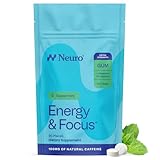
- Fast-Acting Nootropic - Our energy supplements deliver an extra boost of energy and clarity with a blend of natural caffeine, L-theanine, and vitamin b6 & b12. Your go-to chewing gum for work, exercise, and daily focus!
- Clean Energy - Each piece of our sugar free gum delivers 100mg of natural caffeine from green coffee beans for a smooth energy boost without crashes or jitters.
- The Perfect Balance - With 60mg of L-theanine per piece, our energy and focus formula promotes enhanced focus and stress reduction to smooth energy boosts.
- How to Use - Chew one piece of the caffeine gum whenever focus or energy is lacking. Ideal for mornings, pre-workout, or afternoon slumps. Effects typically kick in within minutes thanks to optimal absorption through the mouth.
- Made by Neuro, Backed by Science - At Neuro, we combine neuroscience with clean, science backed ingredients to help you do more, think better, and feel your best every single day.
What affects the result
- Brewing Method: Different brewing methods (e.g., drip, espresso, French press) can extract varying amounts of caffeine and other compounds from the coffee grounds.
- Bean Type: While less common for weight loss discussions, different coffee bean varietals can have slightly different chemical compositions.
- Roast Level: Darker roasts generally have a bolder flavor and may have slightly less caffeine by volume compared to lighter roasts, though the difference is often negligible for practical purposes.
- Grind Size: The fineness or coarseness of the coffee grind affects how quickly water extracts flavor and compounds, influencing the final brew.
- Water Temperature: Optimal water temperatures are crucial for proper extraction. Too cool, and you get weak coffee; too hot, and you can scorch the grounds, affecting taste and potentially compound extraction.
- Coffee-to-Water Ratio: The proportion of coffee grounds to water directly impacts the strength and concentration of the brew, affecting caffeine and flavor.
- Freshness of Beans: Stale coffee beans lose their aromatic compounds and may not extract as effectively, potentially altering the beverage’s properties.
- Additives: Sugar, cream, syrups, and other flavorings can drastically increase the calorie count of coffee, negating any potential weight loss benefits.
- Individual Metabolism: Each person’s body processes caffeine and other coffee compounds differently, meaning the effects on metabolism and appetite can vary.
- Dietary Habits: Coffee’s impact is most noticeable when it’s part of an overall healthy diet. It won’t compensate for poor eating choices.
- Exercise Routine: Combining coffee consumption with regular physical activity amplifies the potential for calorie burning and fat utilization.
- Hydration Levels: Being well-hydrated is essential for metabolic processes. Coffee, being a fluid, can contribute to hydration, but it’s also a diuretic.
Pros, cons, and when it matters
- Pro: Caffeine can boost metabolism, aiding in calorie expenditure. This is most relevant when aiming to increase daily energy burn.
- Con: The metabolic boost is generally modest and not a substitute for diet and exercise. It matters less if you’re not actively managing your intake and activity.
- Pro: Coffee may act as an appetite suppressant, helping to reduce calorie intake. This can be useful for managing hunger between meals.
- Con: The appetite-suppressing effect can be temporary and varies among individuals. It matters less if you have strong cravings that are not affected.
- Pro: Black coffee is virtually calorie-free, making it a good beverage choice. This is crucial for calorie-conscious individuals.
- Con: Adding sugar, cream, or syrups dramatically increases calorie and sugar content, negating benefits. This is where the “dark coffee” claim often falls apart.
- Pro: Coffee is rich in antioxidants, contributing to overall health. This is beneficial for long-term well-being, supporting a healthy lifestyle.
- Con: Excessive caffeine intake can lead to jitters, anxiety, and sleep disturbances. This matters if you are sensitive to stimulants or consume too much.
- Pro: Coffee can improve physical performance, enabling more effective workouts. This is valuable for athletes or those seeking to maximize exercise benefits.
- Con: Some individuals may develop a tolerance to caffeine’s effects over time. The metabolic boost might diminish with regular, high consumption.
- Pro: The ritual of drinking coffee can be a satisfying part of a routine. This can be helpful for mental well-being during a diet.
- Con: Coffee can be acidic and may cause digestive issues for some people. This matters if you have a sensitive stomach.
- Pro: May improve insulin sensitivity, which is beneficial for metabolic health. This is relevant for individuals looking to improve their overall metabolic profile.
- Con: Dark roasts have slightly less caffeine than lighter roasts, which is a minor point but relevant if caffeine is the sole focus. This matters little for most people.
While coffee can be a helpful tool, for those seeking a more direct approach to weight management, exploring well-researched weight loss supplements might be an option to consider.

- SUPPORT HEALTHY GLP-1 ACTIVITY AND METABOLISM: Our Inno Shred GLP-1 formula helps create a powerful supplement that helps support natural GLP-1 activity, a process linked to appetite regulation, energy balance, and overall metabolic health.
- HELP MANAGE CRAVINGS AND PROMOTE BALANCED ENERGY Contains Chromium Picolinate to help reduce cravings for high-carb or sugary foods while supporting steady energy levels and healthy glucose metabolism throughout the day.
- ENCOURAGE THERMOGENIC ACTIVITY AND FAT UTILIZATION Features Paradoxine and Rauwolscine to help support thermogenesis, the body’s natural heat-production process that plays an important role in calorie burning and metabolic rate.
- SUPPORT METABOLIC EFFICIENCY Chromium Picolinate helps support your body to utilize carbohydrates and fats efficiently for fuel, supporting a healthy metabolic response and energy conversion.
- PROMOTE SUSTAINED SMOOTH ENERGY: A clean energy blend with Theobromine and Green Coffee Bean Extract helps support alertness, focus, and physical performance.
Common misconceptions
- Misconception: Dark coffee is inherently “stronger” and therefore better for weight loss.
- Reality: “Stronger” usually refers to flavor intensity. While dark roasts have bold flavors, they typically have slightly less caffeine by volume than lighter roasts. The difference is usually minimal.
- Misconception: Drinking coffee alone will cause significant weight loss.
- Reality: Coffee can be a helpful tool in a weight loss strategy, but it’s not a magic bullet. Sustainable weight loss requires a balanced diet and regular exercise.
- Misconception: All coffee is good for weight loss, regardless of how it’s prepared.
- Reality: Adding sugar, cream, flavored syrups, and whipped cream can turn a calorie-free beverage into a high-calorie treat, negating any potential benefits.
- Misconception: Caffeine is the only beneficial component of coffee for weight loss.
- Reality: Coffee contains numerous compounds, including antioxidants, which contribute to overall health and can indirectly support a weight loss journey.
- Misconception: You need to drink large amounts of coffee to see any effect.
- Reality: Even moderate amounts of caffeine can have a noticeable effect on metabolism and appetite for some individuals. Overconsumption can lead to negative side effects.
- Misconception: Coffee burns fat directly and efficiently.
- Reality: Caffeine can promote fat breakdown (lipolysis), but this fat must then be used as energy through physical activity to result in actual fat loss.
- Misconception: Lighter roasts have less caffeine and are therefore less effective for weight loss.
- Reality: Lighter roasts often have more caffeine by volume than darker roasts. The difference is small, but it counters the idea that dark roasts are superior for caffeine content.
- Misconception: Coffee can replace meals for weight loss.
- Reality: While coffee can help suppress appetite, it does not provide the essential nutrients your body needs. Skipping meals can lead to nutrient deficiencies and metabolic slowdown.
FAQ
- Does dark coffee burn fat?
Dark coffee, primarily through its caffeine content, can stimulate the breakdown of fat stores, a process called lipolysis. However, this fat needs to be utilized as energy through physical activity to contribute to actual fat loss.
- How much caffeine is in dark roast coffee?
Dark roast coffee typically has slightly less caffeine by volume than lighter roasts due to the longer roasting time. However, the difference is usually marginal and not a significant factor for most people.
- Can I drink coffee with milk and sugar and still lose weight?
Adding milk, sugar, cream, or syrups to your coffee significantly increases its calorie count. For weight loss benefits, it’s best to consume coffee black or with minimal, low-calorie additions.
- Will drinking coffee make me lose weight overnight?
No, coffee is not a rapid weight loss solution. Its effects on metabolism and appetite are subtle and contribute to a larger weight loss strategy that includes diet and exercise.
- Is it bad to drink coffee before a workout for weight loss?
For most people, drinking coffee before a workout can be beneficial. Caffeine can improve performance and energy levels, potentially allowing for a more effective exercise session.
- How does coffee affect appetite?
Caffeine and other compounds in coffee may influence hormones that regulate hunger and satiety, potentially leading to a temporary reduction in appetite for some individuals.
- What is the best time of day to drink coffee for weight loss?
There isn’t a universally “best” time, but drinking coffee in the morning or before a workout can leverage its metabolic and performance-enhancing effects. Avoid late-day consumption if it interferes with sleep.
- Are there any side effects of drinking coffee for weight loss?
Excessive caffeine intake can lead to jitters, anxiety, insomnia, and digestive upset. It’s important to consume coffee in moderation and listen to your body.
What this page does NOT cover (and where to go next)
- Specific recommended daily caffeine intake limits. For personalized advice, consult a healthcare professional.
- Detailed nutritional breakdowns of different coffee beans or roasts. Refer to product packaging or roaster information.
- How to create a complete weight loss diet plan. Consider consulting a registered dietitian or nutritionist.
- The scientific literature on specific weight loss studies related to coffee. Look for peer-reviewed scientific journals.
- Advanced brewing techniques for maximizing specific compound extraction. Explore specialty coffee brewing resources.