
Coffee’s Role in Weight Loss: Exploring the Facts
Quick Answer
- While coffee itself isn’t a magic bullet for weight loss, certain compounds in it, like caffeine, may offer a slight metabolic boost.
- Caffeine can temporarily increase your metabolic rate and fat burning, but the effect is generally modest and can diminish with regular consumption.
- Coffee can help suppress appetite for some individuals, potentially leading to reduced calorie intake.
- The way you prepare and consume coffee significantly impacts its weight loss potential; adding sugar, cream, and syrups can negate any benefits.
- Hydration from black coffee can contribute to overall health and may play a role in weight management.
- Focusing on a balanced diet and regular exercise remains the most effective strategy for sustainable weight loss.
Key Terms and Definitions
- Metabolism: The chemical processes that occur within a living organism in order to maintain life. In the context of weight loss, this refers to how efficiently your body burns calories for energy.
- Caffeine: A stimulant naturally found in coffee beans, tea leaves, and cacao pods. It’s known for its ability to increase alertness and energy.
- Thermogenesis: The process by which the body generates heat, which burns calories. Caffeine can temporarily increase thermogenesis.
- Appetite Suppression: A reduction in the desire to eat. Some studies suggest caffeine may have a mild appetite-suppressing effect.
- Calorie Deficit: Consuming fewer calories than your body burns. This is the fundamental principle of weight loss.
- Metabolic Rate: The rate at which your body uses energy to perform its basic functions, such as breathing, circulating blood, and repairing cells.
- Fat Oxidation: The process by which the body breaks down stored fat to use for energy.
- Insulin Sensitivity: How well your body’s cells respond to insulin, a hormone that regulates blood sugar. Improved insulin sensitivity can be beneficial for overall health and weight management.
- Antioxidants: Compounds that inhibit oxidation, a chemical reaction that can produce free radicals, thereby protecting cells from damage. Coffee is a significant source of antioxidants in many diets.
How it Works
- Stimulating the Nervous System: Caffeine acts as a central nervous system stimulant. This stimulation can lead to increased alertness and a temporary boost in energy levels.
- Boosting Metabolic Rate: By stimulating the nervous system, caffeine can signal fat cells to break down stored fat. This process, known as lipolysis, releases fatty acids into the bloodstream to be used as fuel.
- Increasing Thermogenesis: Caffeine can also contribute to a temporary increase in thermogenesis, the process by which your body burns calories to produce heat. This extra calorie expenditure, though often small, can add up over time.
- Mobilizing Fatty Acids: Caffeine helps to increase the levels of epinephrine (adrenaline) in your blood. This hormone signals your fat tissues to break down fat and release glycerol and fatty acids into your bloodstream.
- Potential Appetite Suppression: For some individuals, caffeine may have a mild effect on reducing feelings of hunger, potentially leading to consuming fewer calories at subsequent meals.
- Improving Physical Performance: By reducing perceived exertion and increasing endurance, caffeine can enhance the effectiveness of workouts, which in turn supports calorie expenditure and weight management.
- Diuretic Effect (Temporary): While coffee can have a mild diuretic effect, leading to temporary water loss, this is not the same as fat loss and is quickly replenished.
For those looking to maximize the potential benefits of caffeine, consider a high-quality caffeine supplement like this one, which can provide a consistent dose to support your metabolic efforts.
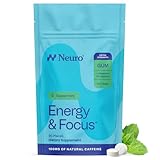
- Fast-Acting Nootropic - Our energy supplements deliver an extra boost of energy and clarity with a blend of natural caffeine, L-theanine, and vitamin b6 & b12. Your go-to chewing gum for work, exercise, and daily focus!
- Clean Energy - Each piece of our sugar free gum delivers 100mg of natural caffeine from green coffee beans for a smooth energy boost without crashes or jitters.
- The Perfect Balance - With 60mg of L-theanine per piece, our energy and focus formula promotes enhanced focus and stress reduction to smooth energy boosts.
- How to Use - Chew one piece of the caffeine gum whenever focus or energy is lacking. Ideal for mornings, pre-workout, or afternoon slumps. Effects typically kick in within minutes thanks to optimal absorption through the mouth.
- Made by Neuro, Backed by Science - At Neuro, we combine neuroscience with clean, science backed ingredients to help you do more, think better, and feel your best every single day.
What Affects the Result
- Caffeine Content: The amount of caffeine in your coffee varies greatly depending on the bean type, roast level, and brewing method. Darker roasts generally have less caffeine than lighter roasts.
- Brewing Method: Different brewing methods extract different amounts of caffeine and other compounds. For example, espresso has a higher concentration of caffeine per ounce than drip coffee.
- Additives: The most significant factor is what you add to your coffee. Sugar, cream, flavored syrups, and whipped cream can turn a calorie-free beverage into a high-calorie treat, directly counteracting any potential weight loss benefits.
- Individual Tolerance: People metabolize caffeine differently. Some individuals are highly sensitive and may experience jitters or sleep disturbances, while others can consume large amounts with minimal effect.
- Regular Consumption: Your body can build up a tolerance to caffeine over time. This means the metabolic and thermogenic effects may become less pronounced with consistent, daily consumption.
- Genetics: Your genetic makeup can influence how your body responds to caffeine, affecting its impact on metabolism and fat burning.
- Diet and Lifestyle: Coffee’s effect is magnified or diminished by your overall diet and activity levels. A healthy diet and regular exercise will yield better weight loss results than relying solely on coffee.
- Timing of Consumption: Consuming coffee before exercise might enhance fat burning during the workout, but its impact on overall daily calorie expenditure is still debated.
- Type of Coffee Bean: Arabica beans, commonly used for specialty coffee, tend to have less caffeine than Robusta beans.
- Freshness of Beans: While freshness is crucial for flavor, its direct impact on the weight loss properties of coffee is less significant compared to other factors.
Pros, Cons, and When it Matters
- Pro: Potential Metabolic Boost: Coffee, primarily due to caffeine, can offer a temporary increase in metabolic rate, aiding calorie expenditure.
- When it matters: This can be a minor advantage when trying to create a calorie deficit, especially if consumed before exercise.
- Con: Tolerance Development: Regular coffee drinkers often develop a tolerance, reducing the stimulant and metabolic effects over time.
- When it matters: Relying on coffee for sustained weight loss becomes less effective as your body adapts.
- Pro: Appetite Suppression: Some individuals find coffee helps curb hunger pangs, potentially leading to fewer snacks and smaller meals.
- When it matters: This can be helpful for managing cravings and reducing overall calorie intake throughout the day.
- Con: Sleep Disruption: Consuming coffee too late in the day can interfere with sleep quality, which is crucial for hormone regulation and weight management.
- When it matters: Poor sleep can increase appetite, disrupt metabolism, and hinder weight loss efforts.
- Pro: Rich in Antioxidants: Coffee is a significant source of antioxidants, which are beneficial for overall health and may protect against cellular damage.
- When it matters: While not directly related to weight loss, these health benefits contribute to a well-rounded healthy lifestyle.
- Con: Digestive Issues: For some, coffee can cause digestive discomfort, acid reflux, or exacerbate conditions like IBS.
- When it matters: If coffee causes you discomfort, its potential benefits are outweighed by negative health impacts.
- Pro: Enhances Exercise Performance: Caffeine can improve focus and endurance, allowing for more intense and effective workouts.
- When it matters: This can lead to greater calorie burn during exercise, a key component of weight loss.
- Con: Calorie Bomb Potential: Adding sugar, cream, syrups, and other high-calorie ingredients can easily turn coffee into a significant source of empty calories.
- When it matters: This is the most critical factor; a heavily sweetened latte can easily add hundreds of calories, negating any benefits.
- Pro: Hydration (when black): Black coffee contributes to daily fluid intake, which is important for bodily functions and can sometimes be mistaken for hunger.
- When it matters: Staying hydrated is a simple yet effective part of a healthy weight management plan.
- Con: Jitters and Anxiety: Excessive caffeine intake can lead to unpleasant side effects like nervousness, jitters, increased heart rate, and anxiety.
- When it matters: These side effects can negatively impact your quality of life and hinder your ability to exercise or focus.
Common Misconceptions
- Misconception: Coffee is a magic weight loss solution.
- Reality: Coffee is not a substitute for a healthy diet and exercise. Its effects on weight loss are modest and often temporary.
- Misconception: All coffee is the same for weight loss.
- Reality: The impact varies greatly depending on the amount of caffeine, how it’s prepared, and what’s added to it.
- Misconception: Drinking coffee causes significant calorie burning.
- Reality: While caffeine can slightly increase metabolism, the calorie burn is usually minimal and not enough to cause substantial weight loss on its own.
- Misconception: You can drink unlimited coffee for weight loss.
- Reality: Excessive caffeine intake can lead to negative side effects like sleep disruption, anxiety, and digestive issues, which can hinder weight loss.
- Misconception: Black coffee has no calories and is always healthy.
- Reality: Black coffee has virtually no calories, but it’s the additions like sugar and cream that make it calorie-dense. It’s generally healthy in moderation for most people.
- Misconception: Coffee helps you “sweat out” fat.
- Reality: Any “sweating” from coffee is due to its stimulant effect and is not related to burning fat. Water loss from a mild diuretic effect is temporary.
- Misconception: Decaf coffee has no impact on weight loss.
- Reality: Decaf coffee still contains trace amounts of caffeine and antioxidants, but its metabolic and appetite-suppressing effects are significantly reduced compared to regular coffee.
- Misconception: Coffee is dehydrating.
- Reality: While caffeine has a mild diuretic effect, moderate coffee consumption does contribute to your daily fluid intake and is generally not dehydrating for most people.
FAQ
- Can drinking coffee help me lose weight?
Coffee may offer a small, temporary boost to your metabolism and can sometimes help suppress appetite, which could indirectly support weight loss efforts. However, it’s not a primary weight loss strategy.
- How much coffee should I drink for potential weight loss benefits?
There’s no set amount. For most adults, up to 400 milligrams of caffeine per day (about 4 cups of brewed coffee) is considered safe. More than that can lead to negative side effects.
- Does adding sugar or cream to coffee affect its weight loss potential?
Yes, significantly. Adding sugar, cream, syrups, and other high-calorie ingredients can turn a calorie-free beverage into a high-calorie drink, negating any potential weight loss benefits from the coffee itself.
- Is black coffee good for weight loss?
Black coffee has virtually no calories and can contribute to hydration. Its potential benefits for weight loss come from the caffeine content, but it’s still best viewed as a supplement to diet and exercise.
- Will I lose weight if I only drink coffee?
No, relying solely on coffee for weight loss is not effective. Sustainable weight loss requires a balanced diet, regular physical activity, and adequate sleep.
- What is the best time to drink coffee for weight loss?
Some suggest drinking coffee about 30 minutes before a workout to potentially enhance fat burning during exercise. However, avoid it close to bedtime to prevent sleep disturbances.
- Does caffeine in coffee actually burn fat?
Caffeine can stimulate the nervous system, which signals fat cells to break down fat. This process releases fatty acids into the bloodstream, which can then be used for energy. However, the amount of fat burned is typically modest.
What This Page Does Not Cover (and Where to Go Next)
- Specific Coffee Recipes for Weight Loss: This page focuses on the general effects of coffee. For specific recipes, you might explore resources dedicated to healthy beverage preparation.
- Detailed Nutritional Breakdown of Coffee Beans: While antioxidants are mentioned, a deep dive into the micronutrients and their precise impact on health is beyond this scope.
- Scientific Studies on Caffeine and Metabolism: This article summarizes general findings. For in-depth scientific research, consult academic databases and journals.
- Individualized Diet and Exercise Plans: This page provides general information. For personalized weight loss strategies, consult a registered dietitian or certified personal trainer.
- The Impact of Other Stimulants on Weight Loss: This article is specific to coffee. For information on other stimulants, further research would be needed.