
The Impact of Filtered Water on Coffee Taste
Quick answer
- Yes, filtered water can significantly impact your coffee’s taste by removing impurities that can cause off-flavors.
- Tap water often contains minerals and chlorine that can mute or alter the delicate notes of your coffee beans.
- Using filtered water allows the true flavors of your coffee to shine through, leading to a more nuanced and enjoyable cup.
- Different filtration methods can yield varying results, but most will offer an improvement over untreated tap water.
- For the best coffee experience, consider the quality of both your beans and your brewing water.
Using filtered water allows the true flavors of your coffee to shine through, leading to a more nuanced and enjoyable cup. For a simple and effective solution, consider a good quality coffee water filter.
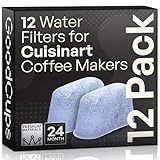
- Universal Compatibility: These premium replacement charcoal water filters are designed to fit all Cuisinart coffee maker models, ensuring a perfect fit for both newer and older models, including Cuisinart coffee maker 12 cup, Grind and Brew, and coffee maker with grinder.
- Enhanced Beverage Flavor: GoodCups charcoal water filters for Cuisinart coffee maker remove calcium, chlorine, and odors, giving you fresh, great-tasting coffee with every brew.
- Superior Filtration: Our charcoal boasts a strong absorption capacity and maximizes filtration efficiency. These water filters for Cuisinart coffee makers protect your brewer, extend its lifespan, and improve every coffee cycle.
- Optimal Water Flow Design: GoodCups filters feature a carefully crafted design that allows for optimal water flow, preventing clogs while ensuring your Cuisinart coffee maker operates smoothly and efficiently.
- Environmentally Conscious: These Cuisinart replacement water filters are made from recyclable materials, demonstrating our commitment to environmental responsibility.
Key terms and definitions
- TDS (Total Dissolved Solids): A measure of the total amount of dissolved substances in water, including minerals and salts.
- Minerals: Naturally occurring elements in water that can contribute to scale buildup and affect flavor.
- Chlorine: A common disinfectant in tap water that can impart a chemical taste and smell to coffee.
- Acidity: A desirable characteristic in coffee that contributes to its brightness and liveliness; can be affected by water chemistry.
- Bitterness: An often undesirable taste in coffee; can be exacerbated by certain minerals or the absence of others.
- Aroma: The smell of coffee, which is a significant component of its overall flavor perception.
- Off-flavors: Unpleasant tastes or smells in coffee, often caused by impurities in the water or stale beans.
- Specialty Coffee Association (SCA): An organization that sets standards for coffee brewing, including water quality recommendations.
How it works
- Water acts as a solvent during the coffee brewing process, extracting soluble compounds from the ground coffee beans.
- These soluble compounds include acids, sugars, lipids, and melanoidins, which contribute to coffee’s aroma and flavor.
- Impurities in tap water, such as chlorine and excessive minerals, can interfere with this extraction process.
- Chlorine can react with coffee compounds, creating undesirable chemical tastes and masking the coffee’s natural flavors.
- Hard water, with high mineral content, can lead to over-extraction of certain compounds, resulting in bitterness. It can also cause scale buildup in brewing equipment.
- Soft water, with low mineral content, might lead to under-extraction, resulting in a flat or sour cup.
- Filtered water, by removing or reducing these impurities, allows for a more balanced and consistent extraction.
- This balanced extraction results in a cleaner, brighter cup that more accurately reflects the inherent characteristics of the coffee bean.
- The ideal water chemistry, as recommended by organizations like the SCA, balances mineral content to facilitate optimal flavor extraction.
What affects the result
- Water Purity: The presence of chlorine, sediment, or other contaminants in tap water can significantly alter coffee flavor.
- Mineral Content: The specific types and amounts of dissolved minerals (like calcium and magnesium) influence extraction and taste. Too much can lead to bitterness, too little to flatness.
- pH Level: While less commonly discussed for home brewing, water pH can subtly affect how coffee compounds dissolve.
- Water Temperature: Whether using filtered or unfiltered water, brewing at the correct temperature (typically 195-205°F) is crucial for proper extraction.
- Coffee Bean Freshness: Stale beans will produce poor coffee regardless of water quality. Freshly roasted beans are essential.
- Grind Size: The fineness or coarseness of your coffee grounds dictates the surface area exposed to water, impacting extraction rate.
- Coffee-to-Water Ratio: The proportion of coffee grounds to water is a fundamental variable in achieving a balanced brew.
- Brewing Method: Drip, pour-over, French press, and espresso all have different extraction dynamics that interact with water quality.
- Water Hardness: Measured by TDS, water hardness directly impacts how effectively flavor compounds are extracted from the coffee grounds.
- Water Softness: Conversely, very soft water can lead to a less robust flavor profile because it lacks the minerals needed for optimal extraction.
- Filter Type: Different water filters (e.g., activated carbon, ion exchange) remove different impurities, leading to varied taste improvements.
- Water Source: Even within municipal water systems, the source and treatment methods can vary, affecting the initial water quality.
Pros, cons, and when it matters
- Pro: Enhanced Flavor Clarity: Filtered water allows the nuanced flavors of specialty coffee beans to be more apparent.
- Con: Added Cost: Purchasing filters or bottled filtered water adds an ongoing expense to your coffee routine.
- Matters For: Specialty Coffee Enthusiasts: If you invest in high-quality, single-origin beans, filtered water is essential to appreciate their complex profiles.
- Pro: Reduced Scale Buildup: Filtering can remove minerals that cause scale in coffee makers and kettles, extending their lifespan.
- Con: Potential for Over-Filtering: Some filters can remove beneficial minerals, potentially leading to a flat or dull taste if the water becomes too demineralized.
- Matters For: Those with Noticeable Tap Water Issues: If your tap water has a distinct chlorine smell or metallic taste, filtering will make a significant difference.
- Pro: More Consistent Brewing: Using filtered water provides a more stable brewing medium, leading to more predictable and repeatable results.
- Con: Filter Maintenance: Filters need to be replaced regularly to remain effective, which requires remembering and purchasing replacements.
- Matters For: Anyone Seeking a Better Daily Cup: Even if you don’t drink specialty coffee, filtered water can improve the overall taste of your everyday coffee.
- Pro: Cleaner Aroma: Removing volatile compounds like chlorine can lead to a more pleasant and accurate coffee aroma.
- Con: Environmental Impact: Disposable filters and bottled water contribute to waste, though reusable filter systems can mitigate this.
- Matters For: Sensitive Palates: Individuals who are particularly sensitive to subtle tastes will notice the impact of water quality more readily.
Common misconceptions
- Misconception: All tap water tastes the same. Reality: Tap water quality varies greatly by region due to different sources and treatment methods.
- Misconception: Filtered water is only for expensive coffee. Reality: Any coffee can taste better with improved water quality.
- Misconception: You need a complex filtration system for a difference. Reality: A simple pitcher filter can make a noticeable improvement.
- Misconception: Filtered water makes coffee taste “sweeter.” Reality: It’s more about revealing the coffee’s natural sweetness and complexity by removing interference.
- Misconception: You should use distilled water for coffee. Reality: Distilled water lacks minerals essential for proper flavor extraction, often resulting in a flat taste.
- Misconception: The coffee beans are the only factor in taste. Reality: Water accounts for about 98% of a brewed cup of coffee, making its quality critical.
- Misconception: Filtered water will mask bad coffee. Reality: While it improves taste, it cannot fix the fundamental issues of stale beans or poor roasting.
- Misconception: You can taste the filter itself. Reality: When used correctly and replaced on schedule, filters should not impart their own taste.
FAQ
Q: Does filtered water in coffee make a difference in taste?
A: Yes, it absolutely can. Impurities in tap water like chlorine and minerals can negatively affect coffee’s flavor, and filtering helps remove them, allowing the coffee’s natural notes to come through more clearly.
Q: What kind of difference can I expect?
A: You might notice a cleaner, brighter taste with more distinct fruity, floral, or chocolatey notes. Bitterness might be reduced, and the overall aroma can be more pleasant and less chemical.
Q: Is it worth the cost of filters?
A: For many coffee drinkers, the improvement in taste justifies the cost. If you’re serious about enjoying your coffee, especially higher-quality beans, it’s often considered a worthwhile investment.
Q: What if my tap water already tastes good?
A: Even if your tap water tastes fine on its own, it might still contain dissolved solids or minerals that subtly interfere with coffee extraction. Filtering can still lead to a more nuanced cup.
Q: What type of water filter is best for coffee?
A: Activated carbon filters are a popular choice for coffee as they effectively reduce chlorine and other organic compounds that affect taste and odor. Some systems also address mineral content.
Q: How often should I replace my water filter?
A: This depends on the filter type and your water usage. Always check the manufacturer’s recommendations for your specific filter, as using an old filter can be ineffective or even detrimental.
Q: Can I use bottled water instead of filtering my tap water?
A: Yes, bottled spring water can be an option, but it’s often more expensive and less convenient than filtering. Some bottled waters may also have mineral profiles not ideal for coffee.
What this page does NOT cover (and where to go next)
- Specific water chemistry recommendations for optimal coffee brewing (e.g., exact mineral ppm).
- Reviews or comparisons of specific water filter brands or models.
- Detailed explanations of advanced water treatment systems like reverse osmosis.
- The impact of water on espresso machine maintenance beyond scale buildup.
- Recipes for creating custom brewing water from distilled water.