
The Classic Vietnamese Iced Coffee With Sweet Condensed Milk
Quick answer
- Get a good Vietnamese coffee filter (phin).
- Use dark roast, coarse-ground coffee. Robusta is traditional.
- Measure your coffee and water carefully.
- Preheat your glass with hot water.
- Brew slowly, letting it drip into sweetened condensed milk.
- Stir well with ice.
- Enjoy that sweet, strong kick.
Who this is for
- Anyone craving a seriously bold and sweet coffee drink.
- Folks who love iced coffee but want something a bit more adventurous.
- Coffee nerds looking to master a unique brewing method.
What to check first
Brewer type and filter type
You’re gonna need a Vietnamese coffee filter, often called a phin. These are small, metal drippers that sit right on top of your mug or glass. They’re pretty simple, but using one is key to the authentic flavor. Make sure it’s clean and all the parts are there.
You’re gonna need a Vietnamese coffee filter, often called a phin. These are small, metal drippers that sit right on top of your mug or glass. If you don’t have one yet, this is a great option to get started.

- This Vietnamese Coffee Filter is made in Vietnam out of HIGH QUALITY stainless steel
- The Ca Phe Phin is 8 oz. Enjoy with traditional ground coffee such as by Trung Nguyen
- The GRAVITY INSERT on this Vietnamese Coffee Filter is easier than the screw down type
- This Viet filter comes with a LIFETIME WARRANTY and is DISHWASHER SAFE. Satisfaction guaranteed!
- Slow dripper brews a perfect hot or iced coffee (cafe sua da) with this Vietnamese Coffee Filter
Water quality and temperature
Good water makes good coffee. If your tap water tastes funky, your coffee will too. Filtered water is your friend here. For brewing, aim for water just off the boil, around 195-205°F. Too hot and you’ll scorch the grounds; too cool and you won’t extract enough flavor.
Grind size and coffee freshness
This is a big one for phin brewing. You want a coarse grind, like sea salt. Too fine and the water won’t drip through properly, leading to a bitter mess. Freshly ground beans are always best. For Vietnamese coffee, a dark roast, often a robusta blend, is traditional and gives you that intense flavor.
For Vietnamese coffee, a dark roast, often a robusta blend, is traditional and gives you that intense flavor. Make sure you’re using a coarse grind, like sea salt; this specific coarse ground coffee is a good choice for authentic flavor.
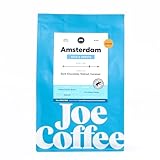
- Rich, sweet, and comforting, Amsterdam is the perfect drip coffee option for those who seek a deeper roast profile.
- We select the components for this coffee for their ability to stand up to a more developed roast, without ever tasting over-roasted or smoky. Instead, we pull out classic notes of chocolate, nut, and toffee.
- One 12 ounce bag
Coffee-to-water ratio
This is where you balance strength and sweetness. A good starting point is about 1:10 to 1:12 coffee to water by weight. For a standard phin, this often means 2-3 tablespoons of coffee grounds to about 4-6 oz of hot water. You can adjust this based on your preference.
Cleanliness/descale status
A dirty brewer or mineral buildup from hard water can really mess with your coffee’s taste. Give your phin a good scrub after each use. If you’ve got a coffee maker involved (for heating water, not brewing the phin itself), make sure it’s descaled regularly. Nobody wants stale coffee flavors.
Step-by-step (brew workflow)
1. Prepare your glass.
- What to do: Pour some hot water into your serving glass, swirl it around, then dump it out.
- What “good” looks like: A warm glass that won’t shock the coffee and cool it down too fast.
- Common mistake: Skipping this step. The cold glass cools the coffee too quickly, affecting extraction and taste.
2. Add sweetened condensed milk.
- What to do: Spoon 2-4 tablespoons of sweetened condensed milk into the bottom of your preheated glass. Adjust to your sweetness preference.
- What “good” looks like: A thick, creamy layer at the bottom of the glass.
- Common mistake: Using too little or too much condensed milk. Too little, and it’s not sweet enough; too much, and it’s cloying. Start with a middle ground and adjust next time.
3. Place the phin on the glass.
- What to do: Set the Vietnamese coffee filter (phin) directly on top of the glass with the condensed milk.
- What “good” looks like: A stable filter that fits snugly on the rim.
- Common mistake: Using a wobbly filter. It can lead to spills and uneven brewing. Make sure it sits flush.
4. Add coffee grounds.
- What to do: Spoon your coarsely ground, dark roast coffee into the phin chamber. Fill it up, but don’t pack it down.
- What “good” looks like: A level bed of loose grounds.
- Common mistake: Tamping the grounds too hard. This prevents proper water flow and can cause bitterness. Just a gentle shake is usually enough.
5. Insert the press (optional but recommended).
- What to do: Place the small, perforated press (the insert that goes inside the phin) on top of the coffee grounds.
- What “good” looks like: The press sits flat on the grounds, creating a barrier.
- Common mistake: Forgetting the press. It helps keep the grounds from floating and ensures a more even drip.
6. Bloom the coffee.
- What to do: Pour just a small amount of hot water (about 1 oz) over the press. Let it sit for 30 seconds.
- What “good” looks like: The grounds expand and bubble slightly as they absorb the water. This is the bloom.
- Common mistake: Pouring too much water initially. You want to wet the grounds, not flood them. This step releases CO2 for better flavor.
7. Add the rest of the water.
- What to do: Slowly pour the remaining hot water into the phin, filling it up to just below the rim.
- What “good” looks like: The water slowly starts to drip through the grounds.
- Common mistake: Pouring too fast. A slow, steady drip is crucial for good extraction. Patience is key here.
8. Wait for the drip.
- What to do: Let the coffee drip slowly through the phin into the condensed milk. This can take 4-7 minutes.
- What “good” looks like: A steady, thin stream of dark coffee slowly filling the glass.
- Common mistake: Rushing the process. If it’s dripping too fast, your grind might be too coarse. If it’s not dripping at all, it’s too fine.
9. Stir thoroughly.
- What to do: Once all the coffee has dripped through, remove the phin. Stir the hot coffee and condensed milk mixture vigorously until fully combined.
- What “good” looks like: A uniform, creamy brown liquid with no streaks of condensed milk.
- Common mistake: Not stirring enough. You’ll end up with pockets of concentrated sweetness and bitter coffee.
10. Add ice.
- What to do: Fill a separate tall glass with ice. Pour the stirred coffee mixture over the ice.
- What “good” looks like: A cold, refreshing drink that’s not diluted too quickly.
- Common mistake: Using crushed ice that melts too fast. Larger cubes melt slower, keeping your drink colder for longer without watering it down.
11. Enjoy.
- What to do: Sip and savor your homemade Vietnamese iced coffee.
- What “good” looks like: A perfectly balanced, bold, sweet, and refreshing beverage.
- Common mistake: Not appreciating the craft! Take a moment.
Common mistakes (and what happens if you ignore them)
| Mistake | What it causes | Fix |
|---|---|---|
| Using too fine a grind | Slow or no drip, bitter, over-extracted coffee. | Use a coarser grind, like sea salt. |
| Tamping the coffee grounds too hard | Water can’t flow, leading to a weak, bitter brew. | Gently fill the phin; don’t press down. |
| Using water that’s too hot | Scorches the coffee, resulting in a burnt, acrid taste. | Let boiling water sit for 30-60 seconds before pouring. |
| Not blooming the coffee | Less flavor complexity, potential for a flatter taste. | Pour a small amount of water first and let it sit for 30 seconds to release gases. |
| Rushing the drip process | Under-extracted coffee, weak flavor, and potentially sour notes. | Be patient; a slow, steady drip is crucial for proper extraction. |
| Not stirring the condensed milk well | Uneven sweetness, bitter coffee pockets, and a less enjoyable experience. | Stir vigorously until the condensed milk is fully incorporated into the hot coffee. |
| Using stale coffee beans | Lack of aroma and flavor, resulting in a dull, lifeless cup. | Use freshly roasted beans and grind them just before brewing. |
| Not preheating the serving glass | Coffee cools too quickly, impacting flavor and extraction. | Swirl hot water in the glass before adding condensed milk. |
| Using low-quality or tap water | Off-flavors in the coffee that mask the bean’s natural characteristics. | Use filtered water for a cleaner, purer coffee taste. |
| Overfilling the phin with grounds | Can lead to channeling, where water bypasses some grounds, causing unevenness. | Fill the phin to the top but avoid packing; let the water do the work. |
Decision rules (simple if/then)
- If the coffee is dripping too fast, then increase the grind size slightly because a coarser grind allows for better flow.
- If the coffee is not dripping at all, then decrease the grind size slightly because a finer grind is needed for proper water retention.
- If the coffee tastes weak and watery, then use more coffee grounds or less water in your next brew because you need a higher coffee-to-water ratio.
- If the coffee tastes too bitter and burnt, then use less coffee grounds or more water because you might be over-extracting.
- If the coffee is too sweet, then use less sweetened condensed milk next time because you can always add more sugar, but you can’t take it away.
- If the coffee is not sweet enough, then add more sweetened condensed milk because that’s the defining characteristic of this drink.
- If you’re using a machine to heat your water and it’s taking forever, then check the descaling status of your machine because mineral buildup slows down heating.
- If your phin seems to be clogging easily, then ensure your grounds are consistently coarse and clean the phin thoroughly.
- If you want a stronger coffee flavor without adding more grounds, try using a slightly hotter water temperature (within the 195-205°F range).
- If the coffee is tasting sour, it might be under-extracted, so try a slightly finer grind or a slightly longer brew time.
FAQ
What kind of coffee beans are best for Vietnamese iced coffee?
Traditionally, dark roast robusta beans are used for their bold, intense flavor and lower acidity. A good quality dark roast Arabica can also work, but you might miss some of that characteristic punch.
Can I use regular milk instead of condensed milk?
No, sweetened condensed milk is what gives Vietnamese iced coffee its signature sweetness and creamy texture. Regular milk won’t provide the same rich, sweet profile.
How much condensed milk should I use?
This is totally to your taste! Start with 2-3 tablespoons per serving and adjust up or down. You can always add more if it’s not sweet enough.
My coffee is dripping really slowly. What’s wrong?
Your grind is likely too fine, or you packed the grounds too tightly. Try a coarser grind next time, and don’t press down on the grounds.
Is it okay to use a regular drip coffee maker for this?
Not really. The phin filter is essential for the slow drip method and the resulting concentrated brew that’s perfect for iced coffee. A drip machine will produce a different result.
How do I clean my Vietnamese coffee filter (phin)?
After brewing, discard the grounds. Rinse the phin with hot water. You can use a soft brush or sponge with a little dish soap to clean the parts, then rinse thoroughly and let it air dry.
Can I make this ahead of time?
You can brew the coffee and mix it with the condensed milk, then store it in the fridge. Add ice when you’re ready to serve. It’s best enjoyed fresh, though.
What if I don’t have a phin filter?
You can try a moka pot, which produces a strong, concentrated coffee. However, it won’t be the exact same texture or flavor profile as a phin-brewed Vietnamese coffee.
What this page does NOT cover (and where to go next)
- Detailed history of Vietnamese coffee culture.
- Specific brand recommendations for phin filters or coffee beans.
- Advanced brewing techniques for espresso-based Vietnamese drinks (like egg coffee).
- Comparisons with other regional iced coffee styles.