
The Classic Cold Coffee: Simple Recipe With Ice
Quick answer
- Use good quality coffee beans, freshly ground.
- Aim for a strong brew; cold coffee needs that intensity.
- Chill your brewed coffee thoroughly before adding ice.
- Use a good amount of ice to keep it cold without watering it down too much.
- Experiment with ratios until you find your sweet spot.
- Don’t be afraid to add milk, cream, or sweetener to taste.
Who this is for
- Anyone craving a refreshing coffee drink on a hot day.
- Coffee drinkers who want a simple, no-fuss recipe.
- People who already have a coffee maker and want to expand their repertoire.
What to check first
Brewer type and filter type
You can use almost any brewer for this. Drip machine, pour-over, French press – they all work. Just make sure your filter is clean and fits your brewer. A paper filter will give a cleaner cup, while a metal filter will let more oils through, giving a richer body.
Water quality and temperature
Use filtered water if your tap water tastes funky. Good water makes good coffee. For the brewing part, use hot water, just like you normally would for hot coffee. The chilling comes after brewing.
Grind size and coffee freshness
Freshly ground beans are key. Pre-ground stuff loses its aroma fast. For most drip machines and pour-overs, a medium grind is a good starting point. French press needs a coarser grind. The fresher the beans, the better the flavor, even when chilled. I always try to grind right before I brew.
Coffee-to-water ratio
This is where you can really dial it in. For cold coffee, you want it stronger than usual because the ice will dilute it. A good starting point is a 1:15 ratio (1 gram of coffee to 15 grams of water). So, if you use 30 grams of coffee, aim for around 450 grams of water. You can adjust this up or down.
Cleanliness/descale status
Make sure your coffee maker is clean. Old coffee oils can make your cold brew taste bitter or stale. If you haven’t descaled your machine in a while, now’s the time. A clean brewer means a clean taste.
Step-by-step (brew workflow)
1. Grind your coffee beans.
- What it looks like: Uniform particles, the right size for your brewer.
- Good looks: A consistent grind that smells fresh and aromatic.
- Common mistake: Using pre-ground coffee or an inconsistent grind. This leads to uneven extraction and a less flavorful drink. Grind right before you brew.
2. Prepare your brewer and filter.
- What it looks like: Filter is in place, brewer is clean.
- Good looks: Everything is ready to go, no stray grounds or old coffee residue.
- Common mistake: Forgetting to rinse paper filters or using a dirty brewer. This can impart papery or stale tastes. Rinse those paper filters!
3. Add ground coffee to the brewer.
- What it looks like: The correct amount of grounds, evenly distributed.
- Good looks: A level bed of coffee grounds, ready for water.
- Common mistake: Tamping down the grounds too much (if using a method that allows it) or not distributing them evenly. This can cause channeling and weak spots. Just gently shake to level.
4. Heat your water.
- What it looks like: Water is hot, but not boiling.
- Good looks: Around 195-205°F (90-96°C). If you don’t have a thermometer, let boiling water sit for about 30 seconds.
- Common mistake: Using water that’s too hot or too cool. Too hot can scorch the coffee; too cool won’t extract properly. Stick to the recommended range.
5. Bloom the coffee (for pour-over/drip).
- What it looks like: A small amount of hot water saturates the grounds, and they puff up.
- Good looks: A gentle expansion of the coffee bed, releasing CO2.
- Common mistake: Pouring too much water too quickly. This can lead to uneven saturation and a sour taste. Pour just enough to wet all the grounds, then wait 30 seconds.
6. Brew the coffee.
- What it looks like: Water is slowly dripping through the grounds.
- Good looks: A steady, controlled flow of brewed coffee into your carafe or mug.
- Common mistake: Pouring water too fast or too erratically. This disrupts the coffee bed and leads to under- or over-extraction. Pour in slow, circular motions.
7. Finish brewing and remove grounds.
- What it looks like: All the water has passed through the coffee.
- Good looks: The spent grounds are removed promptly to prevent over-extraction.
- Common mistake: Leaving the grounds in contact with the brewed coffee for too long. This can make it bitter. Discard the grounds as soon as brewing is done.
8. Chill the brewed coffee.
- What it looks like: Brewed coffee is in a container in the fridge.
- Good looks: The coffee is completely cooled down, ideally to refrigerator temperature.
- Common mistake: Adding ice to hot coffee. This dilutes it too much and melts the ice too fast, resulting in weak, watery coffee. Patience is key here.
9. Prepare your serving glass.
- What it looks like: A glass filled with ice.
- Good looks: Plenty of ice to keep the drink cold.
- Common mistake: Not using enough ice. This means your coffee will warm up too quickly. Fill that glass!
To truly enjoy your cold coffee, make sure you have the right serving ware. A good set of iced coffee glasses will keep your drink perfectly chilled. Fill your serving glass generously with ice for the best results.
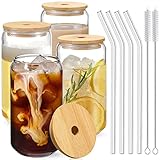
- PRODUCT CONFIGURATION: Drinking glass set includes 4 glass cups [ Diameter - 3 inches, Height - 5.6 inches ],4 nature bamboo lids, 4 reusable glass straws and 2 cleaning brushes, Classic design tumbler
- DURABLE and SAFE: The glasses are made of high-quality durable clear glass, Lead-free and BPA-free. It can be used safely for a long time. This thick clear glass can withstand the sudden changes in the temperature difference between -68°F to 212°F, making them dishwasher safe. If you want to decorate this glass, you can do DIY easily without breakage
- MULTI-PURPOSE: The glassware Great for any Occasion, any hot and cold drinks, home essentials. It is widely loved by families, kitchen, breweries, cafes, bars and restaurants. You can use it to make perfect tea, bubble Pearl Milk Tea, soda, water, iced coffee, smoothie, fruit juice or any other interesting holiday drinks
- AMAZING GIFT: This jar is very fashionable, aesthetic and characteristic. Excellent workmanship. Perfect Gifts for Women, House warming gifts, Tea mug Sets, Highball Glasses, Home Bar Accessories, Birthdays, Graduation, Weddings and Christmas Gifts
- SATISFIED SERVICE: This glass set is packaged in the heavy bubble holder and thick carton box to prevent damage while in transport. If the glass set you received was damaged or imperfect or you are not satisfied, we will offer a satisfactory solution
10. Pour chilled coffee over ice.
- What it looks like: Cold coffee cascading over the ice.
- Good looks: A satisfying pour into your chilled glass.
- Common mistake: Pouring too aggressively, which can cause splashing. A gentle pour works best.
11. Add milk, cream, or sweetener (optional).
- What it looks like: Your chosen additions are mixed in.
- Good looks: Perfectly blended to your taste.
- Common mistake: Adding too much of one thing, overpowering the coffee flavor. Start with a little and add more as needed.
12. Stir and enjoy.
- What it looks like: Everything is well combined.
- Good looks: A delicious, refreshing cold coffee.
- Common mistake: Not stirring enough, leaving pockets of sweetener or milk. Give it a good stir to ensure consistency.
Common mistakes (and what happens if you ignore them)
| Mistake | What it causes | Fix |
|---|---|---|
| Using stale or pre-ground coffee | Flat, dull, or bitter taste | Use freshly roasted beans and grind them right before brewing. |
| Incorrect grind size | Under-extraction (sour) or over-extraction (bitter) | Adjust grind based on your brewer type; medium for drip, coarse for French press. |
| Water temperature too hot/cold | Scorched or weak coffee | Brew between 195-205°F (90-96°C). |
| Improper coffee-to-water ratio | Weak or overly strong coffee | Start with a 1:15 ratio and adjust to your preference. Use more coffee for cold coffee. |
| Not rinsing paper filters | Papery or off-flavors | Rinse paper filters with hot water before adding coffee grounds. |
| Adding ice to hot brewed coffee | Watery, diluted taste | Chill brewed coffee completely in the fridge before pouring over ice. |
| Not using enough ice | Coffee warms up too fast, tastes weak | Fill your serving glass generously with ice. |
| Dirty coffee maker | Stale, rancid, or bitter aftertaste | Clean your brewer regularly and descale as needed. |
| Inconsistent pouring (pour-over) | Uneven extraction, sour or bitter spots | Pour water slowly and evenly in circular motions. |
| Not blooming coffee (pour-over/drip) | Incomplete extraction, potential sourness | Pour a small amount of water to saturate grounds, wait 30 seconds for CO2 to escape. |
| Overfilling the brew basket | Grounds overflow, messy, and poor extraction | Use the correct amount of coffee for your brewer’s capacity. |
| Not stirring additions thoroughly | Uneven sweetness or creaminess | Stir well after adding milk, cream, or sweetener. |
Decision rules (simple if/then)
- If your coffee tastes sour, then try a finer grind because a finer grind increases extraction.
- If your coffee tastes bitter, then try a coarser grind because a coarser grind decreases extraction.
- If your cold coffee tastes weak, then use more coffee grounds for the same amount of water because cold coffee needs to be stronger to compensate for ice dilution.
- If your cold coffee melts the ice too fast, then ensure the brewed coffee is thoroughly chilled before serving because warmer coffee will melt ice faster.
- If you notice sediment in your cup (French press), then try a coarser grind or a finer mesh filter because the grind might be too fine for the filter.
- If your coffee tastes like paper, then make sure you rinsed your paper filter thoroughly because residual paper pulp can impart flavor.
- If your brewer is dripping slowly and seems clogged, then clean or descale your coffee maker because mineral buildup can restrict water flow.
- If you want a cleaner cup with less body, then use a paper filter because it traps more oils and fine particles.
- If you prefer a richer, more full-bodied cold coffee, then use a metal filter or a French press because they allow more oils to pass through.
- If your coffee is consistently under-extracted (sour, weak), then increase your water temperature slightly (if it’s on the cooler side of the range) because hotter water extracts more flavor.
- If your coffee is consistently over-extracted (bitter, harsh), then decrease your water temperature slightly (if it’s on the hotter side of the range) because cooler water extracts less.
FAQ
How much coffee should I use for cold coffee?
You’ll want to use more coffee than you would for a hot cup of the same volume. A good starting point is a ratio of 1:15 (coffee to water by weight), but you might go as strong as 1:12 or 1:10 depending on your preference.
Can I use any coffee beans?
Yes, you can use any coffee beans. However, using high-quality, freshly roasted beans will give you the best flavor, especially since the flavors will be concentrated when chilled.
What’s the best way to chill the brewed coffee?
The best way is to let it cool down at room temperature for a bit, then transfer it to an airtight container and refrigerating it until it’s cold. This prevents it from absorbing odors from the fridge.
How long does brewed coffee last in the fridge?
Brewed coffee, once chilled and stored properly in an airtight container, should be consumed within 2-3 days for the best flavor. After that, it can start to taste stale.
Should I add sweetener or milk before or after adding ice?
It’s generally best to add sweetener and milk or cream after the coffee has been poured over the ice. This way, you can adjust the sweetness and creaminess to your liking as the drink chills.
What if I don’t have a lot of time to chill the coffee?
You can speed up the chilling process by brewing into a metal pitcher and then placing that pitcher into an ice bath. Stirring occasionally will help it cool faster. Just be careful not to get water into your coffee.
Can I make a big batch of cold coffee at once?
Absolutely. Brew a larger batch using your preferred method, chill it thoroughly, and keep it in the refrigerator. It’s perfect for busy mornings or when you have guests.
Does the type of ice matter?
While it might seem minor, using larger ice cubes or “slow melt” ice can help reduce dilution. Smaller ice cubes melt faster, watering down your coffee more quickly.
What this page does NOT cover (and where to go next)
- Cold brew concentrate recipes (which use a much higher coffee-to-water ratio and longer steep times).
- Specific iced coffee drinks like lattes, cappuccinos, or blended beverages.
- Advanced brewing techniques for specific flavor profiles.
- The science behind coffee extraction and flavor compounds.
- Recommendations for specific coffee grinders or brewers.