
Tea, Coffee, and Weight Gain: What You Need to Know
Quick Answer
- Generally, plain tea and coffee do not directly cause weight gain.
- Added sugars, creams, and syrups are the primary culprits for calorie intake from beverages.
- Caffeine in moderation may slightly boost metabolism, potentially aiding weight management.
- Some herbal teas might have mild diuretic effects, but this doesn’t equate to significant fat loss.
- Individual responses to caffeine can vary, impacting energy levels and appetite.
- Focus on what you add to your drinks rather than the base beverage itself for weight concerns.
Key Terms and Definitions
- Calorie: A unit of energy found in food and drinks, which the body uses for fuel. Consuming more calories than you burn can lead to weight gain.
- Metabolism: The chemical processes that occur within a living organism in order to maintain life. This includes how your body burns calories for energy.
- Caffeine: A natural stimulant found in coffee beans, tea leaves, and other plants. It affects the central nervous system.
- Diuretic: A substance that promotes the production of urine. This can lead to a temporary loss of water weight.
- Empty Calories: Calories that provide little to no nutritional value, often found in added sugars and fats.
- Thermogenesis: The process by which the body generates heat. Caffeine can slightly increase this process.
- Appetite: The desire to eat food. Caffeine can sometimes influence appetite.
- Sugar: A type of carbohydrate that provides quick energy. Excessive sugar intake is linked to weight gain.
- Fat (Dietary): Macronutrients essential for bodily functions. When consumed in excess, they contribute to calorie intake.
- Hydration: The process of providing or obtaining the required amount of water for bodily functions. Proper hydration is important for overall health.
How Tea and Coffee Affect Your Body
- Stimulant Effect: Caffeine in both tea and coffee acts as a stimulant, increasing alertness and reducing fatigue by blocking adenosine, a neurotransmitter that promotes sleepiness.
- Metabolic Boost: Caffeine can temporarily increase your metabolic rate. This means your body may burn a slightly higher number of calories at rest for a short period after consumption.
- Thermogenesis: The increased metabolic activity triggered by caffeine can lead to a small increase in thermogenesis, the body’s production of heat.
- Fat Mobilization: Some research suggests that caffeine may help mobilize fatty acids from fat tissues, making them available for energy. However, this effect is typically modest and requires other factors to contribute to actual fat loss.
- Appetite Modulation: Caffeine’s effect on appetite is varied. For some, it may temporarily suppress appetite, while for others, it might have little to no impact.
- Diuretic Properties: While often cited, the diuretic effect of coffee and tea is generally mild, especially for regular consumers who develop a tolerance. It primarily leads to a temporary loss of water weight, not body fat.
- Antioxidant Content: Both tea (especially green tea) and coffee are rich in antioxidants, which are beneficial compounds that can help protect cells from damage. These benefits are separate from weight management.
- Hydration Contribution: Despite their mild diuretic properties, coffee and tea contribute to your daily fluid intake, which is essential for overall bodily functions.
What Affects Weight When Drinking Tea and Coffee
- Added Sugars: This is the most significant factor. Sweetening your coffee or tea with sugar, honey, or syrups dramatically increases calorie count. A teaspoon of sugar adds about 16 calories.
- Cream and Milk: Adding dairy or non-dairy creamers, whole milk, or even skim milk introduces calories and fat. Full-fat creamers can be very calorie-dense.
- Flavored Syrups and Sauces: Popular coffee shop beverages often contain high-calorie flavored syrups (like vanilla, caramel, mocha) and whipped cream, which can add hundreds of calories.
- Portion Size: Larger drinks naturally contain more calories, especially if they are sweetened or contain added fats.
- Type of Tea: While plain tea is very low in calories, sweetened or creamy tea beverages can become calorie bombs. Herbal teas are generally calorie-free unless sweetened.
- Brewing Method (for Coffee): While not a direct weight factor, certain brewing methods might influence the perceived richness or body of coffee, potentially leading some to add more caloric enhancers.
- Frequency of Consumption: Drinking multiple high-calorie coffee or tea beverages throughout the day can significantly contribute to excess calorie intake.
- Individual Metabolism: People’s metabolic rates vary. While caffeine can offer a slight boost, its impact on calorie expenditure is influenced by your baseline metabolism.
- Dietary Habits: The impact of coffee or tea on weight is part of a larger dietary picture. If your overall diet is high in calories, the small metabolic effect of caffeine is unlikely to be noticeable.
- Physical Activity Level: Calories burned through exercise play a crucial role in weight management. The minor calorie expenditure from caffeine is insignificant compared to regular physical activity.
- Sleep Quality: Poor sleep can affect hormones that regulate appetite and metabolism. While coffee can improve alertness, excessive intake, especially late in the day, can disrupt sleep.
- Timing of Consumption: Consuming caffeinated beverages close to bedtime can interfere with sleep, which, as mentioned, can indirectly affect weight.
Pros, Cons, and When It Matters
- Pro: Low-Calorie Base: Plain black coffee and unsweetened tea are virtually calorie-free, making them excellent choices for hydration without adding significant energy.
- Con: Calorie Creep: The biggest issue is what gets added. Sugars, creamers, and syrups can turn a healthy beverage into a calorie-dense treat.
- Pro: Potential Metabolic Boost: Caffeine can offer a small, temporary increase in metabolism, which might be helpful for individuals focused on weight management.
- Con: Temporary Effect: The metabolic boost from caffeine is short-lived and not a sustainable method for significant weight loss on its own.
- Pro: Increased Alertness and Focus: Caffeine can improve cognitive function and energy levels, which may encourage physical activity.
- Con: Sleep Disruption: Consuming too much caffeine, especially later in the day, can negatively impact sleep quality, which is crucial for weight regulation.
- Pro: Antioxidant Benefits: Tea and coffee contain antioxidants that contribute to overall health, independent of weight.
- Con: Sugar Dependency: Regularly consuming sweetened beverages can lead to cravings for more sugar, potentially derailing healthy eating habits.
- Pro: Hydration Source: Unsweetened coffee and tea contribute to daily fluid intake, important for bodily functions.
- Con: Diuretic Misconception: The diuretic effect is mild and doesn’t cause significant fat loss, so relying on it for weight reduction is misguided.
- Pro: Can Aid in Satiety: For some, the act of drinking a warm beverage can provide a feeling of fullness, potentially reducing snacking.
- Con: Individual Sensitivity: Some people are more sensitive to caffeine’s effects, experiencing jitters, anxiety, or digestive issues, which can indirectly impact their well-being and eating habits.
- When It Matters: It matters most when your goal is weight management. Being mindful of additions to your drinks is key. It also matters if you are trying to improve your overall health, where the antioxidant benefits of plain tea and coffee shine.
- When It Doesn’t Matter: If you are not concerned about weight gain and enjoy your coffee or tea with moderate amounts of sugar and cream, and it fits within your overall balanced diet, then it may not be a primary concern.
If you enjoy brewing your own loose-leaf teas, a good tea infuser can make the process much easier and cleaner. This allows you to enjoy the benefits of plain tea without added calories.
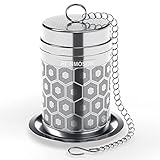
- Upgraded Micron Mesh: loose leaf tea steeper is Ideal to hold tea leaves, particles, or ground coffee. Compared to traditional tea strainer, our tea ball features 50% more ultra fine, half-sized holes for optimal tea flavor and minimal sediment leak. Ideal for rooibos, herbs, green tea, Chai, ground coffee, small tea leaves and etc.
- High-Quality Materials: Made of 304 food-grade stainless steel, tea ball infuser for loose tea is easier to be cleaned. Besides, loose tea steeper ensures no metallic taste on your tea or coffee and never rust for years of use. Money-saving and eco-friendly alternative to disposable tea bags and paper filters.
- Easy to Open and Close: With the design of thread top, the lids screw easily and are much more secure than the traditional twist lid, so the tea leaves will be held tightly and the lid never escapes during the process of brewing.
- Wide Application: tea steeper is not only for loose tea leaves but also a spice filter, infusing spices, herbs, and seasonings in soups, sauce, broths, and stews. Extended 4.3” chain with S-handle makes tea infusers can catch securely on any rim of mugs, cups, teapots, kettles, bottles, and pitchers.
- Package: Comes with 1.5” diameter and 2.2” high tea balls for loose tea and 1 saucer. The saucer is helpful for avoiding making a mess when you take out the loose leaf tea infusers after brewing.
Common Misconceptions
- Misconception: Coffee/Tea Directly Causes Weight Gain.
- Reality: Plain, unsweetened coffee and tea are very low in calories and do not directly cause weight gain. The issue lies with added ingredients.
- Misconception: Drinking Coffee/Tea Makes You Lose Fat.
- Reality: While caffeine might offer a tiny metabolic boost, it’s not a magic bullet for fat loss. Actual fat loss requires a consistent calorie deficit through diet and exercise.
- Misconception: The Diuretic Effect of Coffee Leads to Significant Weight Loss.
- Reality: The diuretic effect is mild and primarily results in temporary water loss, not the burning of body fat.
- Misconception: All Herbal Teas Are Diet Aids.
- Reality: While some herbal teas may have properties that support digestion or relaxation, they are not direct weight-loss solutions and can still be high in calories if sweetened.
- Misconception: Black Coffee is Bad for You.
- Reality: Black coffee is a healthy beverage packed with antioxidants and very few calories. Concerns often arise from added sugars and fats.
- Misconception: Caffeine is the Sole Reason for Increased Energy.
- Reality: While caffeine is a stimulant, adequate sleep, proper nutrition, and hydration are fundamental for sustained energy levels.
- Misconception: You Must Avoid Coffee/Tea to Lose Weight.
- Reality: Unsweetened coffee and tea can be valuable parts of a weight-loss plan due to their low calorie count and potential to aid focus and metabolism.
- Misconception: Green Tea is Significantly Better for Weight Loss Than Coffee.
- Reality: Both offer benefits. Green tea has unique antioxidants like EGCG, but coffee’s caffeine content is often higher, potentially offering a more pronounced (though still modest) metabolic effect. The overall impact depends heavily on preparation and additions.
- Misconception: Sugar-Free Sweeteners Are Always Good for Weight Loss.
- Reality: While they reduce calories, the long-term effects of artificial sweeteners on appetite and metabolism are still debated, and they don’t offer nutritional benefits.
FAQ
Q1: Can drinking plain black coffee make me gain weight?
A1: No, plain black coffee has virtually no calories and does not directly cause weight gain. It’s a healthy beverage choice.
Q2: Does unsweetened tea contribute to weight gain?
A2: Similar to coffee, unsweetened tea is very low in calories and will not cause weight gain. It’s a good way to stay hydrated.
Q3: If caffeine boosts metabolism, can I drink more coffee to lose weight?
A3: While caffeine can slightly increase metabolism temporarily, it’s not enough to cause significant weight loss on its own. Relying on excessive caffeine intake without dietary changes is ineffective.
Q4: What are the biggest calorie contributors in coffee and tea drinks?
A4: The primary calorie contributors are added sugars, syrups, flavored creamers, and whipped cream. These ingredients can turn a low-calorie drink into a high-calorie one.
Q5: Is it true that coffee and tea can help curb appetite?
A5: For some individuals, caffeine may temporarily suppress appetite. However, this effect varies greatly from person to person.
Q6: Can drinking a lot of tea help me detox and lose weight?
A6: The concept of “detoxing” through specific foods or drinks is largely a myth. While some teas might have mild effects that support bodily processes, they do not directly detoxify or cause significant fat loss.
Q7: Are sugar-free sweeteners a good option for weight management in coffee and tea?
A7: Sugar-free sweeteners reduce calorie intake compared to sugar. However, their long-term impact on metabolism and appetite is still a subject of research, and they offer no nutritional value.
Q8: How much water weight can I lose from the diuretic effect of coffee?
A8: The diuretic effect is mild and leads to temporary water loss, typically not a significant amount that would impact your overall body composition or fat levels.
What This Page Does NOT Cover (and Where to Go Next)
- Specific Nutritional Content of Various Teas and Coffees: This page focuses on weight impact. For detailed micronutrient profiles, consult reputable nutrition databases.
- Medical Advice for Weight Loss: This information is general. If you have health concerns or need a personalized weight loss plan, consult a doctor or registered dietitian.
- Detailed Recipes for High-Calorie Beverages: While we discuss what adds calories, this article doesn’t provide specific recipes for those drinks.
- The Impact of Caffeine on Specific Medical Conditions: This article is for general knowledge. If you have a medical condition, discuss caffeine intake with your healthcare provider.
- Advanced Nutritional Science on Thermogenesis: This page offers a basic overview. For in-depth scientific research, explore academic journals and scientific literature.
- Brand-Specific Product Comparisons: This article provides general principles. For comparisons of specific coffee or tea products, refer to consumer reviews and product specifications.