
Coffee And Weight Gain: Does It Make You Fat?
Quick Answer
- For most people, drinking black coffee in moderation does not directly cause weight gain.
- Coffee contains very few calories, making it a low-calorie beverage on its own.
- Weight gain is typically associated with the added sugars, creams, and syrups often found in coffee drinks.
- Caffeine in coffee can temporarily boost metabolism, potentially aiding in calorie burning.
- Individual responses to caffeine can vary, and some may experience effects on appetite or sleep.
- The overall diet and lifestyle are the primary drivers of weight gain, not moderate coffee consumption.
Key Terms and Definitions
- Calorie: A unit of energy, primarily derived from food and beverages. Weight gain occurs when calorie intake exceeds calorie expenditure.
- Metabolism: The chemical processes that occur within a living organism in order to maintain life. This includes converting food into energy.
- Caffeine: A stimulant found naturally in coffee beans, tea leaves, and cacao pods, known for its ability to increase alertness and energy.
- Empty Calories: Calories that provide little to no nutritional value, often found in sugary drinks and processed foods.
- Body Mass Index (BMI): A measure of body fat based on height and weight that applies to adult men and women.
- Insulin Resistance: A condition where cells in your muscles, fat, and liver don’t respond well to insulin and can’t easily take up glucose from your blood.
- Appetite: A natural feeling of wanting or needing food.
- Sleep Hygiene: The habits and practices that are conducive to sleeping well on a regular basis.
- Hydration: The process of providing or obtaining the water needed for health.
- Thermogenesis: The process by which the body burns calories to produce heat.
How It Works
- Coffee beans are roasted and ground to release their flavor and aroma compounds.
- Hot water is passed through the ground coffee, extracting soluble solids, oils, and caffeine.
- This brewed liquid is what we commonly refer to as coffee.
- Black coffee, made without additives, contains negligible calories.
- The caffeine in coffee acts as a stimulant, affecting the central nervous system.
- This stimulation can lead to a temporary increase in metabolic rate, a process known as thermogenesis.
- Caffeine can also influence hormones related to appetite and fat breakdown.
- When consumed before exercise, caffeine may help mobilize fatty acids for energy use.
- However, these effects are generally modest and temporary.
- The overall impact on weight depends heavily on what is added to the coffee and individual dietary habits.
When enjoying your morning brew, a good quality coffee mug can enhance the experience. This durable ceramic mug is perfect for your daily coffee ritual.
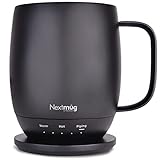
- ALWAYS THE PERFECT TEMPERATURE – The Nextmug will keep your hot coffee, tea or preferred beverage at the perfect temperature wherever you are. Simply select Warm (130° F), Hot (140° F), or Piping (150° F) and enjoy for hours.
- SMART MUG TECHNOLOGY – Long-lasting battery maintains your ideal temperature. LED lights display battery life & real-time temperature. Includes Spill-Resistant Lid & Charging Coaster.
- SUPER SIMPLE – On-board Control Button easily turns mug On/Off & sets the temperature. Takes only seconds to set the mug to your perfect temperature. No app required - no passwords, re-booting or security concerns.
- THE PERFECT GIFT - Give the gift for him and the gift for her that is certain to delight. Perfect for everyone on your list…moms, dads, grandmas, grandpas, teachers, birthdays, graduations and more!
- NEXTMUG CARES - Nextmug cares about our communities and our customers. We care by donating Nextmugs to teachers and first responders . We’re also committed to sustainable packaging by using 100% recyclable materials with all our products. Our dedicated customer service agents are based in the USA and always ready to help.
What Affects the Result
- Additives: The most significant factor. Sugars, syrups, creamers, whipped cream, and flavored sauces dramatically increase the calorie count of coffee drinks.
- Portion Size: Larger coffee drinks, even if black, contain more caffeine and potentially more calories if additives are included.
- Frequency of Consumption: Drinking multiple high-calorie coffee beverages daily can contribute substantially to excess calorie intake.
- Individual Metabolism: People have different metabolic rates, meaning some may burn calories more efficiently than others.
- Caffeine Sensitivity: How your body reacts to caffeine can influence appetite, energy levels, and sleep, all of which can indirectly affect weight.
- Sleep Quality: Caffeine consumed late in the day can disrupt sleep, and poor sleep is linked to hormonal imbalances that can increase appetite and fat storage.
- Hydration Habits: Sometimes thirst is mistaken for hunger. Adequate water intake can help manage appetite.
- Dietary Patterns: If coffee is consumed alongside an otherwise unhealthy diet, it’s unlikely to be the sole cause of weight gain.
- Exercise Habits: Regular physical activity burns calories and can offset the intake from beverages.
- Genetics: Genetic predispositions can influence how your body processes caffeine and stores fat.
- Stress Levels: High stress can lead to increased cortisol, which can promote fat storage, and caffeine can exacerbate stress for some.
- Type of Coffee Drink: A simple black coffee is vastly different in caloric impact from a caramel macchiato with extra whip.
Pros, Cons, and When It Matters
- Pro: Low-Calorie Base: Black coffee is virtually calorie-free, making it a good choice for those watching their intake.
- Con: Calorie Bombs: Many popular coffee shop drinks are loaded with sugar and fat, acting as significant sources of empty calories.
- Pro: Potential Metabolism Boost: Caffeine can temporarily increase calorie expenditure, though the effect is usually small.
- Con: Sleep Disruption: Consuming coffee, especially later in the day, can interfere with sleep, which is crucial for weight management.
- Pro: Appetite Suppression (Temporary): For some, coffee can temporarily reduce hunger, potentially leading to less food intake.
- Con: Digestive Issues: For sensitive individuals, coffee can cause stomach upset, which might indirectly affect eating habits.
- Pro: Improved Physical Performance: Caffeine can enhance athletic performance, supporting more effective workouts.
- Con: Dependence and Withdrawal: Regular high intake can lead to dependence, with withdrawal symptoms like headaches and fatigue.
- Pro: Antioxidants: Coffee contains beneficial antioxidants.
- Con: Increased Cortisol: For some, caffeine can temporarily raise cortisol levels, which in excess can contribute to weight gain, particularly around the abdomen.
- Pro: Part of a Healthy Diet: When consumed mindfully, coffee can be part of a balanced lifestyle.
- Con: Social and Habitual Overconsumption: The social aspect of coffee breaks or habit can lead to consuming more calories than intended.
- When It Matters: It matters greatly if you are adding significant amounts of sugar, cream, or syrups. It matters less if you are drinking black coffee or using minimal, low-calorie additions.
Common Misconceptions
- Misconception: Coffee itself is inherently fattening.
- Reality: Black coffee has almost no calories. Weight gain comes from what’s added.
- Misconception: Drinking coffee will make you gain weight because it increases appetite.
- Reality: Caffeine can sometimes suppress appetite temporarily. The effect varies greatly by individual.
- Misconception: All coffee drinks from cafes are unhealthy.
- Reality: You can often order simpler options like black coffee, Americanos, or lattes with skim milk and no added sugar.
- Misconception: The metabolism boost from coffee is enough to cause significant weight loss.
- Reality: The metabolic boost is typically modest and temporary, not a primary driver of weight loss.
- Misconception: Decaf coffee is completely free of caffeine and its effects.
- Reality: Decaf coffee still contains a small amount of caffeine, though significantly less than regular coffee.
- Misconception: Coffee is dehydrating and bad for your health.
- Reality: While caffeine is a mild diuretic, moderate consumption of coffee contributes to daily fluid intake and is generally not dehydrating for regular drinkers.
- Misconception: If you drink coffee, you can eat whatever you want.
- Reality: Weight management is about overall calorie balance. Coffee calories, especially from additives, count towards your daily intake.
- Misconception: Coffee causes fat storage directly.
- Reality: Coffee does not directly cause fat storage. Excess calorie intake from any source leads to fat storage.
FAQ
- Does drinking coffee make you fat?
No, drinking black coffee in moderation does not directly cause weight gain. Weight gain is primarily due to consuming more calories than your body burns, and black coffee is very low in calories.
- What are the main culprits for weight gain in coffee drinks?
The main culprits are added sugars, syrups, flavored sauces, heavy creams, and whipped toppings. These can turn a simple coffee into a high-calorie treat.
- Can caffeine help with weight loss?
Caffeine can temporarily boost your metabolism and may help mobilize fat for energy. However, these effects are generally modest and unlikely to lead to significant weight loss on their own without dietary and lifestyle changes.
- How does coffee affect appetite?
Caffeine can affect appetite differently in people. Some may experience a temporary reduction in hunger, while others might not notice any significant change.
- Is it okay to drink coffee if I’m trying to lose weight?
Yes, it’s generally fine to drink coffee if you’re trying to lose weight, as long as you consume it black or with minimal low-calorie additions like a splash of skim milk. Be mindful of what you add to it.
- Can coffee interfere with sleep, and how does that relate to weight?
Yes, caffeine can disrupt sleep, especially when consumed close to bedtime. Poor sleep is linked to hormonal imbalances that can increase appetite and promote fat storage, indirectly affecting weight.
- Are there specific coffee drinks I should avoid if I’m concerned about weight gain?
You should be cautious with very sweet, creamy, or whipped drinks like large mochas, frappuccinos, caramel macchiatos with extra syrup, and specialty lattes that often contain significant amounts of sugar and fat.
What This Page Does Not Cover (and Where to Go Next)
- Specific nutritional breakdowns of various coffee shop beverages.
- Next: Look for nutritional information provided by coffee shop chains or consult reputable health and nutrition websites.
- Detailed advice on how to use caffeine for athletic performance enhancement.
- Next: Consult sports nutrition resources or a qualified sports nutritionist.
- Medical advice for conditions related to caffeine sensitivity or metabolic disorders.
- Next: Speak with a healthcare professional or a registered dietitian.
- The chemical compounds and detailed biochemical processes of caffeine metabolism in the body.
- Next: Explore scientific journals or advanced physiology texts.
- Recipes for low-calorie homemade coffee drinks.
- Next: Search for healthy beverage recipes on cooking or lifestyle blogs.