
Sweetening Your Iced Coffee
Quick answer
- Simple syrup is your best friend for smooth sweetness.
- Granulated sugar works, but stir hard to dissolve.
- Honey and maple syrup add unique flavors.
- Agave nectar offers a neutral sweetness.
- Consider sugar substitutes if that’s your jam.
- A touch of sweetened condensed milk adds richness and sweetness.
Agave nectar offers a neutral sweetness that dissolves easily, making it a great option for iced coffee.
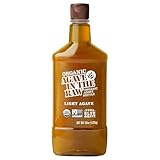
- ORGANIC LIGHT AGAVE SWEETENER: Enjoy your sweet moments. With notes of butterscotch and a golden hue, Organic Light Agave In The Raw is perfect for all your sweetening needs.
- A HEALTHY SUGAR ALTERNATIVE: Made with 100% raw blue agave nectar hand-harvested in Jalisco Mexico from agave plants free from pesticides and antibiotics. USDA Organic, Non-GMO Project Verified, kosher, plant-based and low glycemic index.
- A BETTER WAY TO DRIZZLE: Organic Light Agave In The Raw is great for sweetening smoothies, fruits, drinks, salads and more. It makes a great topping and you can bake or cook with it too.
- SWEETER THAN SUGAR: Organic Light Agave In The Raw is about 25% sweeter than sugar so a little can go a long way. The organic agave nectar blends easily in beverages and helps to moisten when baking.
- NO NONSENSE, JUST NATURAL SWEETENERS: Founded in 1970 when we began the search for a less processed sugar, In The Raw has 50+ years of sweetener expertise. Today, we offer a variety of versatile sweeteners plucked from the earth for every occasion.
Who this is for
- Anyone who loves iced coffee but finds it too bitter on its own.
- Home brewers looking to elevate their cold coffee game beyond just ice.
- People who want to control the sweetness and flavor of their iced coffee precisely.
What to check first
Brewer type and filter type
Your coffee’s starting point matters. A French press might give you more body, while a pour-over can be cleaner. The filter, whether paper or metal, affects what gets into your cup. Different methods extract different flavors, and some can lean bitter.
Water quality and temperature
Tap water can sometimes have off-flavors that mess with your coffee’s taste. Filtered water is usually the way to go. For iced coffee, the brew temperature is crucial if you’re brewing hot then chilling. Too hot, and you might over-extract bitter compounds.
Grind size and coffee freshness
This is huge. A grind that’s too fine for your method can lead to over-extraction and bitterness. Stale coffee beans just taste flat and bitter, no matter what you add. Always use freshly roasted, freshly ground beans if you can.
Coffee-to-water ratio
Too much coffee for the amount of water, or vice-versa, can throw things off. If you brew it too strong and then dilute with ice, you might still end up with a bitter cup. A good starting point is usually around 1:15 to 1:17 (coffee to water by weight).
Cleanliness/descale status
Gunk builds up in coffee makers. Old coffee oils can go rancid and make everything taste bitter and unpleasant. Make sure your brewer and any carafes are sparkling clean. Descaling your machine regularly is key, especially if you have hard water.
Step-by-step (brew workflow)
1. Choose your coffee. Pick beans you know you like. Medium to dark roasts often have notes that pair well with sweetness.
- What “good” looks like: Beans that smell fresh and have a roast date you recognize.
- Common mistake: Using old, stale beans. Avoid this by checking the roast date and buying smaller bags more often.
2. Grind your beans. Use a burr grinder for consistency. The grind size depends on your brewing method. For iced coffee brewed hot, a medium grind is often a good starting point.
- What “good” looks like: Uniform particle size, no dust.
- Common mistake: Using a blade grinder, which creates uneven particles and can lead to both bitter and sour notes. Stick to a burr grinder.
3. Heat your water. Aim for 195-205°F (90-96°C) for most hot brewing methods. Use filtered water.
- What “good” looks like: Water just off the boil, shimmering, not violently bubbling.
- Common mistake: Using boiling water directly, which can scorch the coffee grounds and extract bitter flavors. Let it cool for 30-60 seconds after boiling.
4. Prepare your brewer. If using a pour-over, rinse the paper filter with hot water to remove paper taste and preheat the vessel. For other methods, ensure everything is clean.
- What “good” looks like: A clean, preheated brewing setup.
- Common mistake: Not rinsing the paper filter, leaving a papery taste in your coffee.
5. Add coffee grounds. Measure your coffee accurately. A good starting ratio is 1:15 to 1:17 (coffee to water by weight). For example, 30g of coffee to 450-510g of water.
- What “good” looks like: Even bed of grounds in the brewer.
- Common mistake: Guessing the amount. Use a scale for consistency.
6. Bloom the coffee (if applicable). Pour just enough hot water to saturate the grounds (about twice the weight of the coffee). Let it sit for 30-45 seconds.
- What “good” looks like: The grounds puff up and release CO2, looking like a bubbly sponge.
- Common mistake: Skipping the bloom. This releases trapped gases and leads to a more even extraction.
7. Continue brewing. Pour the remaining water slowly and evenly, following your brewer’s specific technique (e.g., circular motion for pour-over).
- What “good” looks like: A steady flow of coffee into your carafe or cup.
- Common mistake: Pouring too fast or all at once, which can lead to channeling and uneven extraction.
8. Brew strength. For iced coffee, you often want to brew it a little stronger than usual, as the ice will dilute it. Consider using a 1:12 to 1:14 ratio if you plan to pour it directly over ice.
- What “good” looks like: A concentrated brew that still tastes balanced, not overwhelmingly bitter.
- Common mistake: Brewing at your normal strength and ending up with weak iced coffee after dilution.
9. Chill your coffee. You can brew over ice directly (Japanese-style) or brew hot and chill it quickly in a refrigerator or an ice bath.
- What “good” looks like: Cold coffee, ready for additions.
- Common mistake: Letting hot coffee sit at room temperature for too long, which can affect flavor and safety.
10. Add your sweetener. This is where the magic happens. Start with a small amount and taste.
- What “good” looks like: Sweetness that complements the coffee, not overpowers it.
- Common mistake: Adding too much sweetener at once. You can always add more.
11. Stir well. Ensure your sweetener is fully incorporated.
- What “good” looks like: No sugar crystals at the bottom or clumps of syrup.
- Common mistake: Not stirring enough, leaving a sweet layer at the bottom of your glass.
12. Add ice and enjoy. Fill your glass with ice and pour your sweetened coffee over it.
- What “good” looks like: A refreshing, perfectly balanced iced coffee.
- Common mistake: Not using enough ice, leading to a watered-down drink.
Common mistakes (and what happens if you ignore them)
| Mistake | What it causes | Fix |
|---|---|---|
| Using stale coffee beans | Flat, bitter, uninspired flavor | Buy fresh, check roast dates, store properly. |
| Incorrect grind size | Over-extraction (bitter) or under-extraction (sour) | Use a burr grinder, adjust based on brew method. |
| Water too hot or too cold | Scorched grounds (bitter) or weak extraction | Brew between 195-205°F (90-96°C). |
| Poor water quality | Off-flavors, muted coffee notes | Use filtered or bottled water. |
| Dirty equipment | Rancid oil taste, bitterness | Clean your brewer thoroughly and descale regularly. |
| Incorrect coffee-to-water ratio | Weak, watery, or overly bitter coffee | Use a scale to measure coffee and water accurately. |
| Not blooming the coffee | Uneven extraction, potential bitterness | Pour a little water to saturate grounds and let degas for 30-45 seconds. |
| Over-extracting during brew | Harsh, bitter taste | Control pour rate and total brew time. Check grind size. |
| Adding sweetener too early | Can sometimes mute delicate coffee flavors | Add sweetener after brewing and chilling, to taste. |
| Not dissolving sweetener well | Sweetness concentrated at the bottom, inconsistent | Stir thoroughly, or use simple syrup which dissolves instantly. |
| Using too much ice | Watered-down, weak coffee | Brew coffee stronger if you know you’ll use a lot of ice. |
Decision rules (simple if/then)
- If your iced coffee tastes bitter, then try a coarser grind because a finer grind can over-extract.
- If your iced coffee tastes weak and sour, then try a finer grind because a coarser grind can under-extract.
- If your iced coffee tastes bitter, then check your water temperature and ensure it’s not too hot because boiling water can scorch grounds.
- If your iced coffee tastes off or stale, then check the freshness of your beans and ensure your equipment is clean because old oils go rancid.
- If you want instant sweetness without grittiness, then use simple syrup because it’s already dissolved.
- If you want to add a unique flavor profile along with sweetness, then consider honey or maple syrup because they bring their own characteristics.
- If you want a neutral sweetener that dissolves easily, then agave nectar is a good choice because it’s light and liquid.
- If you’re brewing hot coffee to chill for iced coffee, then brew it a little stronger because the ice will dilute it.
- If you notice a papery taste, then make sure you rinsed your paper filter thoroughly because that removes the paper taste.
- If your coffee is consistently tasting bad, then consider your water quality and use filtered water because tap water can have off-flavors.
- If you’re struggling to dissolve granulated sugar, then try making simple syrup first because it’s a 1:1 ratio of sugar and water heated until dissolved.
- If you want to control sweetness precisely, then add your sweetener gradually and taste as you go because you can always add more.
FAQ
What’s the easiest way to sweeten iced coffee?
Simple syrup is king. It mixes in instantly without any gritty sugar left behind, making your iced coffee smooth from the first sip to the last.
Can I just use regular sugar?
Yeah, you can. But you gotta stir like heck to get it to dissolve, especially in cold coffee. It might take a minute or two, and you might still get some gritty bits at the bottom if you don’t stir enough.
What about flavored sweeteners?
Totally! Things like flavored simple syrups (vanilla, caramel, hazelnut) are awesome. You can also use flavored syrups from coffee shops, or even a splash of flavored creamer.
Is there a healthier way to sweeten iced coffee?
You bet. Sugar substitutes like stevia or erythritol are popular. Agave nectar is often seen as a slightly healthier alternative to refined sugar, and it dissolves well.
How do I make simple syrup?
Easy. Just mix equal parts granulated sugar and water (like 1 cup sugar to 1 cup water) in a saucepan. Heat it gently, stirring until the sugar is completely dissolved. Let it cool, then store it in the fridge.
What if my iced coffee is still bitter even after adding sweetener?
The sweetener might be masking the bitterness, but the underlying issue is probably with your brew. Check your grind size, water temp, and coffee freshness.
Can I use sweetened condensed milk?
Absolutely. It adds a rich, creamy texture along with sweetness. It’s a classic for a reason, especially in Vietnamese iced coffee.
How much sweetener should I use?
Start small. Maybe a teaspoon or a tablespoon of simple syrup or sugar. Taste it, then add more if needed. You can always add, but you can’t take away.
What this page does NOT cover (and where to go next)
- Specific coffee bean recommendations for iced coffee. (Next: Explore different roast profiles and origins.)
- Detailed instructions for every single type of coffee maker. (Next: Consult your brewer’s manual or specialized brewing guides.)
- Advanced latte art techniques for iced drinks. (Next: Look into dairy and non-dairy milk steaming and pouring techniques.)
- The science behind coffee extraction and bitterness. (Next: Dive into coffee chemistry resources.)
- Commercial-grade or industrial iced coffee brewing systems. (Next: Seek out resources for professional baristas and cafes.)