
Sweeten Your Iced Coffee Perfectly Every Time
Quick answer
- Use a simple syrup or a liquid sweetener. It dissolves better in cold liquids.
- Start with less sweetener than you think you need. You can always add more.
- Consider the coffee’s natural sweetness. Some beans are naturally sweeter.
- Taste as you go. Your palate is the best guide.
- Experiment with different sweeteners. Maple syrup or agave can add unique flavors.
- Brew your coffee stronger for iced coffee. This prevents dilution and preserves flavor.
For iced coffee, a liquid sweetener is your best bet as it dissolves instantly in cold liquids, ensuring a smooth, evenly sweet taste without any grittiness.

- SUGAR FREE: Enjoy delicious French Vanilla flavor that will turn your drink into a tasty treat without sugar
- NO CALORIES: Same great taste, but with zero calories to help you achieve your wellness goals
- NEW, IMPROVED FLAVOR: We made a few changes to our French Vanilla Syrup - richer, smoother, and tastes even better than before
- WIDE SELECTION OF FLAVORS: Available in Salted Caramel, Brown Sugar Cinnamon, Hazelnut and French Vanilla flavors
- MADE WITH SPLENDA: Splenda is the #1 recommended sweetener brand among doctors and dieticians clinically treating patients in the United States
Who this is for
- The home brewer who loves iced coffee but struggles with sweetness.
- Anyone tired of gritty sugar at the bottom of their cold cup.
- People looking to elevate their iced coffee game beyond just dumping sugar in.
What to check first
Brewer type and filter type
Your brewing method impacts the final coffee’s flavor profile, which can affect how sweet it tastes naturally. A pour-over might highlight brighter notes, while a French press can be richer. The filter type also matters – paper filters catch more oils, potentially leading to a cleaner, less robust flavor. Just know what you’re working with.
Water quality and temperature
Good water makes good coffee. If your tap water tastes off, your coffee will too. For iced coffee, the brewing temperature is key. Too hot, and you can over-extract, leading to bitterness that fights sweetness. Too cool, and you get weak, sour coffee. Aim for the recommended range for your brewer, usually between 195-205°F.
Grind size and coffee freshness
Freshly roasted beans are a game-changer. Stale coffee loses its nuanced flavors, including any natural sweetness. Grind your beans right before brewing. The grind size needs to match your brewer. Too fine can lead to bitterness, too coarse to weakness.
Coffee-to-water ratio
This is crucial for a balanced brew. Too little coffee means a weak, watery base that needs a ton of sweetener to taste like anything. Too much coffee can be too intense or bitter. A good starting point for iced coffee is often a slightly higher coffee-to-water ratio than for hot coffee, maybe 1:15 or 1:16, to account for ice melt.
Cleanliness/descale status
A dirty brewer is a flavor killer. Old coffee oils and mineral buildup can make your coffee taste bitter or stale, directly interfering with sweetness. Regularly clean your equipment. Descaling your machine, especially if you have hard water, is also a must.
Step-by-step (brew workflow)
1. Choose your coffee beans. Select beans you enjoy, preferably medium to dark roasts for a richer, naturally sweeter profile.
- What “good” looks like: Beans that smell fresh and inviting.
- Common mistake: Using old, stale beans. They’ve lost their sweetness potential. Avoid this by checking roast dates.
2. Grind your beans. Grind just before brewing to a size appropriate for your brewer.
- What “good” looks like: A consistent grind with no fine dust or large chunks.
- Common mistake: Pre-ground coffee. It loses aroma and flavor fast. Grind fresh, man.
3. Heat your water. Bring fresh, filtered water to the optimal brewing temperature (195-205°F for most methods).
- What “good” looks like: Water that’s hot but not boiling aggressively.
- Common mistake: Using tap water. It can impart unwanted flavors. Filtered water is your friend.
4. Prepare your brewer and filter. Set up your pour-over, drip machine, or French press. Rinse your paper filter if using one.
- What “good” looks like: Everything clean and ready to go. A rinsed filter gets rid of papery taste.
- Common mistake: Not rinsing the paper filter. It adds a papery taste that fights sweetness.
5. Add coffee grounds. Measure your coffee grounds according to your desired ratio.
- What “good” looks like: A level bed of grounds in the filter or chamber.
- Common mistake: Eyeballing the amount. Use a scale for consistency. Start around 1:15 coffee to water.
6. Brew the coffee. Pour hot water over the grounds, ensuring all grounds are saturated.
- What “good” looks like: A steady stream of coffee dripping or flowing into your carafe.
- Common mistake: Pouring too fast or unevenly. This can lead to uneven extraction and bitterness. Bloom the grounds first if using pour-over.
7. Brew stronger for iced. For iced coffee, consider brewing it stronger or double-strength. You can do this by using more coffee grounds or less water.
- What “good” looks like: A concentrated brew that won’t taste watered down once ice is added.
- Common mistake: Brewing at a normal strength. It’ll taste weak and watery after melting ice.
8. Cool the coffee. Let the brewed coffee cool slightly, or chill it in the fridge before pouring over ice.
- What “good” looks like: Coffee that’s not piping hot but still warm or chilled.
- Common mistake: Pouring hot coffee directly over ice. It melts the ice too quickly, diluting your drink and cooling it too much.
9. Prepare your serving glass. Fill a glass with plenty of ice.
- What “good” looks like: A glass packed with ice.
- Common mistake: Using too few ice cubes. Your drink will get warm and weak fast.
10. Add your sweetener. Introduce your chosen sweetener before the coffee, especially if it’s a liquid or syrup.
- What “good” looks like: Liquid sweetener that disperses easily.
- Common mistake: Adding granulated sugar. It won’t dissolve in cold liquid, leaving gritty bits.
11. Pour coffee over ice. Gently pour the cooled, stronger coffee over the ice.
- What “good” looks like: Coffee mixing with the melting ice.
- Common mistake: Splashing or pouring too hard. This can chip your glass or splash coffee everywhere.
12. Stir and taste. Stir well to combine the sweetener and coffee. Taste and adjust sweetness as needed.
- What “good” looks like: A perfectly balanced sweetness that complements the coffee.
- Common mistake: Not tasting and adjusting. Your first attempt might not be perfect.
Common mistakes (and what happens if you ignore them)
| Mistake | What it causes | Fix |
|---|---|---|
| Using granulated sugar in cold coffee | Gritty, undissolved sugar at the bottom; uneven sweetness. | Use simple syrup, liquid sweeteners, or dissolve sugar in a little hot coffee first. |
| Brewing coffee at normal strength | Watery, weak iced coffee once ice melts. | Brew coffee stronger (more grounds or less water) for iced coffee. |
| Not tasting and adjusting sweetness | Over-sweetened or under-sweetened drink; missing the perfect balance. | Taste your iced coffee as you go and add sweetener incrementally. |
| Using stale coffee beans | Flat, dull flavor; lack of natural sweetness and aroma. | Use freshly roasted beans and grind them just before brewing. |
| Over-extracting (too hot, too fine grind) | Bitter, harsh coffee that masks any natural sweetness. | Control water temperature and grind size; check your brewer’s recommendations. |
| Under-extracting (too cool, too coarse) | Sour, weak coffee that tastes thin and lacks body. | Ensure water is hot enough and grind size is appropriate for your brewing method. |
| Not cleaning brewing equipment | Off-flavors (bitter, stale, oily) that interfere with perceived sweetness. | Clean your brewer regularly, especially after each use. Descale periodically. |
| Using poor quality water | Off-tastes in the coffee that detract from its natural sweetness. | Use filtered or bottled water that tastes good on its own. |
| Adding sweetener too early to hot coffee | Can sometimes “cook” certain sweeteners or create odd flavors. | For hot coffee, add sweetener after brewing and cooling slightly. For iced, add to cold coffee. |
Decision rules (simple if/then)
- If your iced coffee tastes weak and watery, then increase your coffee-to-water ratio next time because you need more coffee grounds to compensate for ice melt.
- If you find gritty sugar at the bottom of your glass, then switch to a liquid sweetener like simple syrup or agave nectar because granulated sugar doesn’t dissolve well in cold liquids.
- If your iced coffee tastes bitter, then check your water temperature and grind size, as these are common causes of over-extraction.
- If your iced coffee lacks any discernible flavor or sweetness, then ensure you’re using fresh coffee beans and grinding them right before brewing.
- If you want a sweeter iced coffee without adding more sugar, then try a darker roast coffee; they often have more inherent caramel and chocolate notes.
- If your iced coffee still doesn’t taste sweet enough after adding sweetener, then add a little more sweetener incrementally, tasting as you go.
- If you’re brewing with a pour-over and it tastes sour, then try a slightly finer grind size because under-extraction is likely.
- If you’re using a French press and it tastes bitter, then try a coarser grind size because over-extraction is likely.
- If your iced coffee dilutes too quickly, then use more ice or brew your coffee stronger next time to combat the melt.
- If you notice an off-flavor that isn’t bitterness or sourness, then it’s time to clean your brewing equipment thoroughly.
- If you’re aiming for a specific flavor profile, then consider flavored syrups or a touch of vanilla extract in addition to your sweetener.
FAQ
How do I make simple syrup?
It’s super easy. Just combine equal parts sugar and water (like 1 cup each) in a saucepan. Heat gently, stirring until the sugar dissolves completely. Let it cool, then store it in a clean container in the fridge.
Can I just use regular sugar?
You can, but it’s not ideal for iced coffee. Granulated sugar struggles to dissolve in cold liquids, leaving you with a gritty texture. It’s better to dissolve it in a small amount of hot coffee or use a liquid sweetener.
What’s the best sweetener for iced coffee?
Simple syrup is king because it’s tasteless and mixes perfectly. Other great options include agave nectar, maple syrup (adds a nice flavor!), or even a touch of honey if you like that profile.
While simple syrup is a neutral favorite, agave nectar is another excellent choice for iced coffee, offering a smooth sweetness and a slightly different flavor profile.
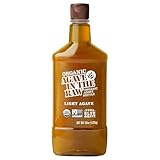
- ORGANIC LIGHT AGAVE SWEETENER: Enjoy your sweet moments. With notes of butterscotch and a golden hue, Organic Light Agave In The Raw is perfect for all your sweetening needs.
- A HEALTHY SUGAR ALTERNATIVE: Made with 100% raw blue agave nectar hand-harvested in Jalisco Mexico from agave plants free from pesticides and antibiotics. USDA Organic, Non-GMO Project Verified, kosher, plant-based and low glycemic index.
- A BETTER WAY TO DRIZZLE: Organic Light Agave In The Raw is great for sweetening smoothies, fruits, drinks, salads and more. It makes a great topping and you can bake or cook with it too.
- SWEETER THAN SUGAR: Organic Light Agave In The Raw is about 25% sweeter than sugar so a little can go a long way. The organic agave nectar blends easily in beverages and helps to moisten when baking.
- NO NONSENSE, JUST NATURAL SWEETENERS: Founded in 1970 when we began the search for a less processed sugar, In The Raw has 50+ years of sweetener expertise. Today, we offer a variety of versatile sweeteners plucked from the earth for every occasion.
How much sweetener should I use?
This is totally personal. Start with about 1 tablespoon of simple syrup per 8-12 oz of coffee and adjust from there. Always taste before adding more.
Does the type of coffee bean affect sweetness?
Absolutely. Medium and dark roasts often have more naturally occurring sweet notes like caramel, chocolate, and fruit compared to lighter roasts, which can be brighter and more acidic.
Why does my iced coffee taste watered down?
This usually happens when you brew your coffee at normal strength and then pour it over a lot of ice. The ice melts, diluting the coffee. Try brewing it stronger to account for this.
Can I sweeten my coffee before brewing it hot for iced coffee?
It’s generally not recommended. Adding sugar or sweeteners directly to the grounds during brewing can lead to uneven extraction and potentially bitter or burnt flavors. Brew first, then sweeten.
What if I want a flavored iced coffee?
Beyond basic sweetness, you can add flavored syrups (vanilla, caramel, hazelnut) or even a splash of flavored creamer. Just remember to account for the sweetness already in these additions.
What this page does NOT cover (and where to go next)
- Specific brands or models of coffee makers. (Check manufacturer websites or reviews for details.)
- Advanced latte art techniques for iced beverages. (Look for barista tutorials.)
- Detailed comparisons of different coffee bean origins and their flavor profiles. (Explore coffee enthusiast forums or origin guides.)
- How to make dairy-free or alternative milk-based iced coffee drinks. (Search for vegan or plant-based coffee recipes.)
If you’re serious about your iced coffee, consider investing in a dedicated iced coffee maker for consistently great results, though this guide focuses on general sweetening techniques.

- BREW BY THE CUP OR CARAFE: Brews both K-Cup pods and coffee grounds.
- MULTISTREAM TECHNOLOGY: Saturates the grounds evenly to extract full flavor and aroma in every cup, hot or cold.
- BREW OVER ICE: Adjusts temperature for maximum flavor and less ice melt for single-cup iced coffees and teas.
- STRONG BREW & EXTRA HOT FUNCTIONALITY: Brews a stronger, more intense-flavored cup and the extra hot feature brews a hotter single cup.
- MULTIPLE BREW SIZES: Brew 6, 8, 10, or 12oz single cups or 6, 8, 10, or 12-cup carafes. 12-cup glass carafe specially designed to limit dripping.