
Sweeten Your Iced Coffee: Flavorful Additions
Quick answer
- Sweeten your iced coffee by adding simple syrup, flavored syrups, condensed milk, or liqueurs.
- Simple syrup is easy to make at home and dissolves better than plain sugar.
- Experiment with different flavor profiles like vanilla, caramel, or hazelnut.
- For a richer taste, try sweetened condensed milk.
- Consider a splash of coffee liqueur for an adult twist.
- Always taste and adjust sweetness to your preference.
For an adult twist, consider a splash of coffee liqueur to add a boozy kick and rich flavor to your iced coffee.
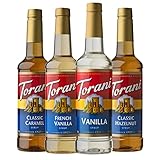
- Coffee Flavor Variety Pack: Perfect for making your own flavored lattes, mochas, cappuccinos and more, this variety pack includes 1 bottle of each: Caramel, French Vanilla, Vanilla and Hazelnut
- Flavoring Syrups: Made with pure cane sugar, natural flavors and cold-filtered water, Torani Original Syrups provide gold-standard flavors and vibrant colors to create amazing drink experiences
- Authentic Coffeehouse Flavor: From caramel to French vanilla to hazelnut—and everything in between—our syrups and sauces are here to help you create tantalizing lattes, cappuccinos, cold brews and frappes
- Find Your Recipe: We are here to help you create tantalizing drinks for every taste, occasion, and mood; Mix up some magic with caramel, lavender, pumpkin pie, hazelnut, chocolate, and many more flavors
- Flavor For All: Discover how Torani can help you make truly creative flavored teas, lemonades, smoothies, milkshakes, Italian sodas, coffees, cocktails, mocktails, snow cones, sparkling waters and more
Who this is for
- Coffee lovers who enjoy a sweet treat.
- Home baristas looking to elevate their iced coffee game.
- Anyone who finds plain iced coffee a bit too bitter.
What to check first
Brewer type and filter type
Your iced coffee starts with brewed coffee. Whether you use a drip machine, pour-over, or French press, the method matters. A coarser grind for French press, finer for espresso. Filters, too. Paper filters catch more oils, leading to a cleaner cup. Metal filters let more oils through, adding body. For iced coffee, a strong, concentrated brew usually works best.
Water quality and temperature
Good coffee needs good water. Tap water can have off-flavors that mess with your brew. Filtered water is your friend here. For hot brewing methods that you’ll chill, aim for water between 195-205°F. This extracts the best flavors. If you’re brewing cold brew, the water is room temperature, and the extraction is much slower.
Grind size and coffee freshness
Freshly roasted beans make a world of difference. Look for a roast date, not just a “best by” date. Grind your beans right before brewing. The grind size depends on your brewer. Too fine, and you get bitterness. Too coarse, and it’s weak. For iced coffee, a medium to medium-coarse grind is often a good starting point.
Coffee-to-water ratio
This is where strength comes in. For iced coffee, you often want a stronger brew because ice will dilute it. A common starting point is a 1:15 ratio (1 gram of coffee to 15 grams of water). For iced coffee, you might bump that up to 1:12 or even 1:10 to account for melting ice. It’s all about personal taste, though.
Cleanliness/descale status
A dirty brewer is the enemy of good coffee. Coffee oils build up, turning rancid and imparting bitter, stale flavors. Regularly clean your brewer, grinder, and any storage containers. Descaling your machine is also key, especially if you have hard water. Check your brewer’s manual for specific cleaning and descaling instructions.
Step-by-step (brew workflow)
1. Brew Your Coffee Strong
What to do: Brew your coffee using your preferred method, but use a higher coffee-to-water ratio than usual. Aim for a concentrated brew.
What “good” looks like: A rich, intense coffee aroma. The coffee should taste strong and bold even before chilling.
Common mistake and how to avoid it: Brewing at a standard strength. This will result in weak, watery iced coffee once the ice melts. Use more coffee grounds or less water than you normally would.
2. Let it Cool Down
What to do: Allow the hot, strong coffee to cool to room temperature before refrigerating.
What “good” looks like: The coffee has lost its steaming heat but still smells fresh.
Common mistake and how to avoid it: Pouring hot coffee directly over ice. This melts the ice too quickly, diluting your coffee and potentially scalding your ice, affecting taste. Patience is key.
3. Chill Thoroughly
What to do: Once at room temp, transfer the coffee to an airtight container and refrigerate until completely cold.
What “good” looks like: The coffee is chilled to your desired temperature, ready to be poured over ice.
Common mistake and how to avoid it: Not chilling it enough. This leads to a lukewarm drink that still dilutes ice too fast. Give it at least a couple of hours, or even overnight.
4. Prepare Your Sweetener
What to do: While the coffee chills, prepare your sweetener. Simple syrup is ideal. To make it, combine equal parts sugar and water (e.g., 1 cup sugar, 1 cup water) in a saucepan. Heat gently until the sugar dissolves completely. Let it cool.
What “good” looks like: A clear, syrupy liquid that smells neutral or slightly sweet.
Common mistake and how to avoid it: Trying to dissolve granulated sugar directly into cold coffee. It won’t dissolve well, leaving gritty sugar at the bottom. Simple syrup mixes in smoothly.
5. Gather Your Add-ins
What to do: Have your chosen sweeteners, flavorings, and any dairy or non-dairy creamers ready.
What “good” looks like: A selection of appealing additions that complement coffee.
Common mistake and how to avoid it: Not having everything ready beforehand. You don’t want to be scrambling for milk when your coffee is poured.
6. Fill Your Glass with Ice
What to do: Choose a large glass and fill it generously with ice cubes.
What “good” looks like: A glass packed with ice, ready to chill your coffee.
Common mistake and how to avoid it: Using too few ice cubes. This means your drink will warm up faster and become diluted. Pack that glass!
7. Add Your Sweetener
What to do: Pour your prepared simple syrup (or other liquid sweetener) over the ice. Start with a small amount, you can always add more.
What “good” looks like: The sweetener is evenly distributed, ready to mingle with the coffee.
Common mistake and how to avoid it: Adding too much sweetener at once. It’s easier to add more than to take it away. Start conservative.
8. Pour in the Coffee
What to do: Slowly pour the chilled, strong coffee over the ice and sweetener.
What “good” looks like: A beautiful layering of coffee and ice, with the aroma starting to waft up.
Common mistake and how to avoid it: Pouring too fast, which can cause splashing. A gentle pour ensures a smoother mix.
9. Add Creamer (Optional)
What to do: If using, add your milk, cream, or non-dairy alternative.
What “good” looks like: A creamy swirl that enhances the coffee’s appearance and flavor.
Common mistake and how to avoid it: Adding a hot creamer. Make sure any cream or milk is also chilled.
10. Stir and Taste
What to do: Stir everything together thoroughly to combine the coffee, sweetener, and creamer. Taste and adjust sweetness or creaminess as needed.
What “good” looks like: A well-mixed, perfectly balanced iced coffee that hits all the right notes.
Common mistake and how to avoid it: Not tasting and adjusting. This is your chance to perfect it. Don’t be afraid to add a little more syrup or a splash of milk.
11. Enjoy!
What to do: Sip and savor your custom-made sweet iced coffee.
What “good” looks like: Pure refreshment and delicious flavor.
Common mistake and how to avoid it: Rushing the enjoyment. Take a moment to appreciate your creation.
Common mistakes (and what happens if you ignore them)
| Mistake | What it causes | Fix |
|---|---|---|
| Using granulated sugar directly in cold coffee | Gritty texture, uneven sweetness, sugar settling at the bottom. | Use simple syrup or other liquid sweeteners. |
| Not brewing coffee strong enough for iced coffee | Watery, weak, diluted flavor once ice melts. | Increase coffee grounds or decrease water ratio when brewing. |
| Pouring hot coffee over ice | Rapid ice melt, overly diluted coffee, potential for a “scorched” ice taste. | Let hot coffee cool to room temperature before chilling and pouring over ice. |
| Not chilling coffee thoroughly | Lukewarm drink, still dilutes ice too quickly. | Refrigerate coffee until completely cold before serving. |
| Using stale coffee beans | Flat, dull, or bitter flavor notes that are amplified when cold. | Use freshly roasted, whole beans and grind just before brewing. |
| Over-sweetening initially | Unpleasantly cloying taste that’s hard to fix. | Start with less sweetener and add more to taste. |
| Using flavored syrups with artificial tastes | Unnatural, chemical aftertaste that masks coffee flavor. | Opt for high-quality, natural flavor syrups or make your own. |
| Not cleaning the coffee maker regularly | Rancid oil buildup leading to bitter, off-flavors. | Clean brewer components after each use and descale periodically. |
| Adding warm milk or creamer | Cools down the iced coffee too much, can affect texture. | Ensure all dairy or non-dairy additions are chilled. |
| Ignoring the coffee-to-water ratio | Weak or overwhelmingly bitter coffee that’s hard to balance with sweeteners. | Experiment with ratios (e.g., 1:12 to 1:15) for a strong base. |
Decision rules (simple if/then)
- If your iced coffee tastes weak, then increase your coffee grounds or decrease your water next time because dilution from ice needs a stronger base.
- If you notice gritty sugar at the bottom of your glass, then use simple syrup or a liquid sweetener next time because granulated sugar doesn’t dissolve well in cold liquids.
- If your iced coffee has a bitter aftertaste, then check your coffee freshness and grind size because stale beans or too fine a grind can cause bitterness.
- If you want a richer, creamier iced coffee, then add sweetened condensed milk or a splash of half-and-half because these add sweetness and body.
- If you’re making iced coffee for a crowd, then brew a large batch of concentrate ahead of time because it saves time and ensures consistency.
- If you want to add a unique flavor, then try infusing your simple syrup with spices like cinnamon or cardamom because this adds subtle complexity.
- If your iced coffee tastes too acidic, then try a darker roast coffee or a method like cold brew because these methods often yield a smoother, less acidic cup.
- If you’re trying to cut down on sugar, then use a sugar-free flavored syrup or a natural sweetener like monk fruit because these offer sweetness without the calories.
- If your iced coffee isn’t cold enough, then use more ice or pre-chill your coffee more thoroughly because a cold base is crucial for iced coffee.
- If you want to avoid a “watered-down” taste, then brew your coffee double-strength or use coffee ice cubes because these methods combat dilution.
- If you’re making an adult beverage, then add a shot of coffee liqueur or Irish cream because this adds a boozy kick.
- If you’re unsure about how much sweetener to add, then start with a tablespoon and add more incrementally because it’s easier to add than remove.
FAQ
How do I make simple syrup for iced coffee?
Combine equal parts granulated sugar and water in a saucepan. Heat gently, stirring until the sugar is completely dissolved. Let it cool before using. It mixes into cold coffee much better than plain sugar.
Can I use granulated sugar directly in my iced coffee?
It’s not ideal. Granulated sugar doesn’t dissolve well in cold liquids, often leaving a gritty texture at the bottom of your glass and an unevenly sweet drink. Simple syrup is the better choice.
What’s the best way to sweeten iced coffee without making it watery?
Brew your coffee stronger than usual, let it cool completely, and then pour it over plenty of ice. Use liquid sweeteners like simple syrup or flavored syrups that mix in easily.
How much coffee should I use for iced coffee?
For iced coffee, you generally want a stronger brew to account for ice melt. A good starting point is a 1:12 or 1:10 coffee-to-water ratio, meaning less water for the same amount of coffee compared to hot brewing.
What are some good flavor combinations for iced coffee?
Classic pairings include vanilla, caramel, and hazelnut. You can also try seasonal flavors like pumpkin spice or peppermint, or even add a hint of chocolate or a dash of cinnamon.
Can I use sweetened condensed milk in iced coffee?
Yes, absolutely! Sweetened condensed milk adds a rich, creamy sweetness that’s delicious in iced coffee. It’s a popular addition in Vietnamese iced coffee.
How long does brewed coffee last in the fridge for iced coffee?
Brewed coffee stored in an airtight container in the refrigerator is best consumed within 2-3 days. After that, its flavor can start to degrade.
What’s the difference between iced coffee and cold brew?
Iced coffee is typically hot-brewed coffee that’s chilled and served over ice. Cold brew is coffee brewed with cold water over a long period (12-24 hours), resulting in a smoother, less acidic concentrate.
What this page does NOT cover (and where to go next)
- Specific brands of coffee makers or syrups. (Next: Research coffee maker reviews and syrup taste tests.)
- Detailed recipes for complex coffee drinks. (Next: Explore advanced coffee recipe blogs or barista guides.)
- The science behind coffee extraction in extreme detail. (Next: Dive into coffee brewing science resources or books.)
- Health implications of sugar intake. (Next: Consult nutritional resources or a health professional.)