
Small Coffee Shop Monthly Earnings
Quick answer
- A small coffee shop’s monthly earnings can vary wildly. Think anywhere from a few thousand to tens of thousands of dollars in profit.
- Location is king. A busy street corner in a city will pull in way more than a quiet suburban spot.
- Your menu matters. Coffee is the core, but pastries, sandwiches, or even merchandise can boost your take.
- Costs are a big factor. Rent, beans, staff, and utilities eat into that gross income.
- It takes time to build a loyal customer base. Don’t expect to be rolling in it day one.
- Smart marketing and community engagement can make a huge difference.
Key terms and definitions
- Gross Revenue: The total amount of money a coffee shop brings in before any expenses are deducted.
- Cost of Goods Sold (COGS): The direct costs of producing what you sell. For coffee, this means beans, milk, sugar, cups, lids, etc.
- Operating Expenses: The day-to-day costs of running the business. Think rent, utilities, wages, marketing, insurance.
- Net Profit: What’s left after all expenses (COGS and operating expenses) are subtracted from gross revenue. This is your actual take-home.
- Break-Even Point: The sales volume needed to cover all your costs. You’re not making money yet, but you’re not losing it either.
- Profit Margin: The percentage of revenue that turns into profit. A healthy margin is key to long-term success.
- Average Transaction Value (ATV): The average amount a customer spends per visit. Increasing this is a solid strategy.
- Customer Lifetime Value (CLV): The total revenue you can expect from a single customer over the entire period they do business with you. Building loyalty is huge for this.
- Foot Traffic: The number of people passing by your location. Higher foot traffic usually means more potential customers.
- Seasonal Fluctuations: Sales can change with the weather and holidays. Summer might be slower for hot drinks, but iced coffee can pick up the slack.
How it works
- Coffee shops make money primarily by selling beverages. Coffee, espresso drinks, teas, and other drinks are the main drivers.
- Food items are often a significant revenue stream. Pastries, muffins, sandwiches, and snacks add to the bill.
- Retail sales can supplement income. Selling branded mugs, bags of beans, or brewing equipment helps.
- Event hosting or catering can bring in extra cash. Think small meetings or local gatherings.
- Loyalty programs encourage repeat business. Getting customers to come back more often directly impacts earnings.
- Upselling is a common tactic. Suggesting a pastry with a coffee or a larger size drink increases the average ticket.
- Efficient operations keep costs down. Faster service means more customers served per hour.
- Managing inventory prevents waste. Overstocking perishables like milk or pastries leads to losses.
- Marketing efforts drive customer acquisition. Getting new people in the door is essential for growth.
- Offering a unique experience can set you apart. Great service and a welcoming atmosphere keep people coming back.
To streamline sales and manage inventory efficiently, consider investing in a reliable coffee shop POS system. This can help track sales, manage customer loyalty programs, and even assist with upselling.
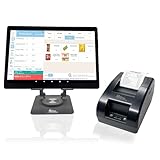
Mobile POS Cash Register 10.1” Tablet 2“ Receipt Printer Lifetime Software app for Small Business Restaurant Retail Grocery Convenience Mobile Food Dining car Bubble Tea Coffee Shop Beverage Bakery
- 10.1" 8-core tablet with Wi-Fi and Bluetooth support, equipped with a 2" Bluetooth receipt printer and a stable aluminum alloy tablet stand that rotates 360°. Compatible with optional label printers, receipt printers, kitchen ticket printers, order ticket printers, barcode scanners, and electronic scales. Runs on a reliable Android operating system with built-in POS software. Hardware comes with a 1-year limited warranty
- You can download our mobile app in iOS and Android for settings, charts, reports, and storage management. We provide a online food ordering system. You or your customers can simply scan a QR code to place food orders via phone for to go delivery dine in
- LIFETIME SOFTWARE - Fast checkout, easy ordering and setup. User-friendly interface. The POS APP comes pre-installed and configured. The software is available for life and includes 1 year of customer service, 3 months of remote support, and 3 months of iCloud. No contract required, no mandatory fees
- We support payment terminals and Visa, Mastercard, Google Pay, and Apple Pay. If you sign up for our merchant services and begin accepting credit card payments after three months, we will refund you $200 for your business. Once your application is approved, you will receive a free EMV & credit card terminal
- Multifunctional-POS system, inventory management, tip tracking, membership system, reporting app, multi-region tax rate calculation, and more
What affects how much a small coffee shop makes per month
- Location, Location, Location: A prime spot with high foot traffic in a bustling area will naturally earn more than a tucked-away spot. Think downtown versus a quiet residential street.
- Rent and Overhead: High rent in a desirable area cuts deep into profits. Utilities, insurance, and maintenance add up fast.
- Menu Pricing: How much you charge for a latte or a muffin directly impacts your revenue. Competitive but profitable pricing is the goal.
- Bean Quality and Cost: Sourcing high-quality beans can be expensive, but it often translates to better-tasting coffee that customers will pay more for.
- Staffing Costs: Wages, benefits, and training for baristas and other staff are a major expense. Finding good people and keeping them is key.
- Customer Volume: The sheer number of people walking through your door and buying something is the most direct driver of revenue.
- Average Transaction Value (ATV): Are customers buying just a coffee, or are they adding a pastry, a second drink, or a bag of beans? Higher ATV means more money per customer.
- Marketing and Branding: Effective advertising, social media presence, and a strong brand identity can attract more customers and build loyalty.
- Operational Efficiency: How quickly and smoothly your team can make drinks and serve customers impacts how many people you can serve in a given time.
- Competition: The number and type of other coffee shops or eateries nearby can affect your customer base and pricing power.
- Local Economy: A strong local economy means people have more disposable income to spend on things like coffee. A downturn can hurt sales.
- Seasonality and Weather: Hot summer days might mean fewer hot coffees but more iced drinks. Rainy days can bring people inside.
Pros, cons, and when it matters
- Pro: Potential for High Profit Margins on Beverages: Coffee itself can be relatively inexpensive to source, leading to good profit on each cup sold. This is great for consistent revenue.
- Con: High Initial Investment: Setting up a coffee shop requires significant capital for equipment, leasehold improvements, and initial inventory. This is a hurdle for many.
- Pro: Building Community: A coffee shop can become a beloved local hub, fostering strong customer relationships and loyalty. This creates a stable base.
- Con: Intense Competition: The coffee market is crowded. Standing out requires a unique offering or exceptional service. This is a constant challenge.
- Pro: Scalability: Successful coffee shops can expand to multiple locations or develop product lines like bagged coffee for retail. Growth is possible.
- Con: Dependence on Key Staff: A great barista can make or break a customer’s experience. Finding and retaining skilled, friendly staff is crucial.
- Pro: Relatively Simple Core Product: While there’s an art to it, the basic concept of selling coffee is straightforward. This makes it accessible.
- Con: Thin Margins on Food Items: While food sells, the profit margins are often much lower than on beverages, requiring higher volume. You need to sell a lot of muffins.
- Pro: Flexible Business Model: You can adapt your menu, atmosphere, and services to meet local demand and trends. This allows for innovation.
- Con: Long Hours and Hard Work: Owning and operating a coffee shop often means very long days and weekends, especially in the beginning. It’s not a 9-to-5 gig.
- Pro: Tangible Product: You’re selling something people enjoy and consume daily. This provides a direct sense of satisfaction.
- Con: Perishable Inventory: Milk, pastries, and even coffee beans have a shelf life, leading to potential waste if not managed carefully. This requires vigilance.
Common misconceptions
- Myth: Coffee shops make huge profits on every cup. While margins can be good, remember the cost of beans, milk, labor, rent, and everything else. It’s not pure profit.
- Myth: You can open a coffee shop with very little money. Unless you’re starting from a cart, the startup costs for equipment, build-out, and initial stock are substantial.
- Myth: Anyone can be a great barista. It takes skill, practice, and a good palate to consistently pull excellent espresso shots and steam milk perfectly.
- Myth: Location is the only thing that matters. A great location with bad coffee or service will fail. Quality and experience are vital.
- Myth: Just having good coffee is enough. You need to offer a welcoming atmosphere, efficient service, and a menu that appeals to your target customers.
- Myth: Loyalty programs automatically guarantee repeat business. They help, but the core experience has to be good for people to keep coming back.
- Myth: You can just wing the inventory. Running out of popular items or having too much spoil is a quick way to lose money and customers.
- Myth: Online reviews don’t impact a local shop. They absolutely do. A few bad reviews can scare off a lot of potential customers.
- Myth: You’ll have tons of free time once established. Running a business, even a successful one, demands constant attention and problem-solving.
- Myth: Customers will always pay a premium for “artisanal” coffee. While some will, most customers are looking for good value and a reliable, tasty cup.
FAQ
- How much does it cost to start a small coffee shop? Startup costs can range from $50,000 to $300,000 or more, depending on location, size, and build-out. This includes equipment, rent deposits, initial inventory, and licensing.
- What is a typical profit margin for a coffee shop? Profit margins can vary, but a healthy range is often between 10% and 20% after all expenses are paid. Some might aim higher, others might operate on thinner margins initially.
- How many customers does a small coffee shop need per day to be profitable? This depends heavily on your average transaction value and your fixed costs. A shop with higher rent might need more customers than one with lower overhead.
- Is it better to own or lease coffee shop equipment? Leasing often has lower upfront costs, making it easier to start. Owning gives you full control and can be cheaper long-term, but requires significant capital.
- What are the biggest challenges for a new coffee shop owner? Common challenges include managing cash flow, hiring and retaining good staff, competing with established brands, and maintaining consistent quality.
- How important is the “vibe” of a coffee shop? Very important. People come for the coffee, but they often stay for the atmosphere, comfort, and sense of community. It’s a big part of the appeal.
- Can a small coffee shop compete with big chains? Yes, by focusing on unique offerings, superior customer service, local sourcing, and building a strong community connection that chains often can’t replicate.
- What’s the best way to market a new coffee shop? Start with local efforts: flyers, partnerships with nearby businesses, social media targeted to your area, and a grand opening event. Word-of-mouth is gold.
- How much should I pay my baristas? Wages vary by location and experience, but generally, you want to pay competitively to attract and retain skilled staff. Check local market rates.
- When should I consider expanding my coffee shop? Once you have a consistently profitable business, a strong brand, and a clear understanding of what makes you successful, expansion can be a logical next step.
What this page does NOT cover (and where to go next)
- Specific financial projections for any given location. This requires a detailed business plan and local market research.
- In-depth advice on securing loans or investment capital. Look into small business administration resources or financial advisors.
- Detailed operational guides for specific brewing methods or equipment maintenance. Consult equipment manuals and barista training resources.
- Legal requirements for starting a business, like permits and licenses. Check with your local city or county government.
- Advanced marketing strategies like national advertising campaigns. Focus on local engagement first.
