
Simple Ways To Make Coffee Ice Cubes
Quick answer
- Brew coffee strong. You want a concentrated flavor that won’t get watered down.
- Use a good filter. Paper or reusable, it matters for taste.
- Cool the coffee first. Don’t pour hot liquid into your ice trays.
- Freeze in small batches. This helps them freeze faster and more evenly.
- Use quality beans. Freshly ground is always best.
- Store them right. Airtight containers keep freezer funk out.
- Consider a flavored coffee. Vanilla or hazelnut can be a nice twist.
- Don’t overfill trays. Leave a little room for expansion.
Who this is for
- The iced coffee lover who hates watered-down drinks.
- Anyone looking to add a coffee kick to their morning routine without extra brewing.
- Home entertainers who want a cool, easy way to serve coffee-based cocktails or mocktails.
What to check first
Brewer type and filter type
Your brewer choice impacts the final flavor. A drip machine is easy. A French press gives a richer body. Pour-over offers control. Whatever you use, make sure your filter is clean and doesn’t impart any papery or metallic tastes. A clean filter means a clean coffee taste, plain and simple.
Water quality and temperature
Good coffee starts with good water. If your tap water tastes off, your coffee will too. Consider filtered water. For freezing, let the brewed coffee cool to room temperature or chill it in the fridge before it goes into the ice trays. Pouring hot coffee can shock the ice trays and might even crack them. Plus, it takes longer to freeze.
Grind size and coffee freshness
Freshly roasted and ground beans make a world of difference. For most brewing methods, a medium grind is a good starting point. If you’re using a French press, go coarser. For espresso, finer. Old beans lose their aroma and flavor. It’s like trying to build a house with rotten wood – it just won’t end up right.
Coffee-to-water ratio
This is key for strong coffee. For iced coffee cubes, you want to go a bit stronger than your usual hot cup. Think about a 1:15 or 1:16 ratio (coffee to water by weight) as a starting point, maybe even 1:14. This ensures the flavor survives the melting process. It’s all about getting that punch without the dilution.
Cleanliness/descale status
Your ice cube tray needs to be clean. Seriously. Any residue from previous uses or lingering smells from the freezer will transfer to your coffee. And your ice maker or brewer? Make sure it’s descaled. Mineral buildup can affect taste and performance. A clean setup equals a clean cup.
Step-by-step (brew workflow)
1. Choose your coffee. Pick beans you like. A medium or dark roast often holds up best for iced applications.
- What “good” looks like: Beans with a pleasant aroma, no stale smell.
- Common mistake: Using old, stale beans. Avoid this by checking the roast date.
2. Grind your beans. Grind them just before brewing for maximum freshness. Aim for a consistency appropriate for your brewer.
- What “good” looks like: A consistent grind size, not too fine or too coarse for your method.
- Common mistake: Grinding too fine for a drip machine, leading to over-extraction and bitterness. Use a burr grinder for consistency.
3. Brew your coffee. Use your preferred method (drip, pour-over, French press, Aeropress). Brew it stronger than usual.
- What “good” looks like: A rich, full-bodied coffee with no weak spots.
- Common mistake: Brewing at a standard strength. You need that extra oomph for the dilution factor.
4. Filter the coffee. If using a method that requires a filter, ensure it’s clean and doesn’t impart any unwanted flavors.
- What “good” looks like: Clear coffee, free from grounds or sediment.
- Common mistake: Using a paper filter that’s been sitting around for ages, absorbing smells. Rinse paper filters or use a clean metal/cloth one.
5. Let it cool. Allow the brewed coffee to cool down to room temperature, or chill it in the refrigerator.
- What “good” looks like: Coffee that is no longer steaming.
- Common mistake: Pouring hot coffee directly into ice trays. This can cause thermal shock and uneven freezing.
6. Prepare your ice cube trays. Make sure they are clean and dry. Silicone trays are often easier to work with than plastic.
- What “good” looks like: Spotless, odor-free trays.
- Common mistake: Using dirty trays that will make your coffee cubes taste funky. Wash them thoroughly.
Make sure your ice cube trays are clean and dry before filling them; silicone trays are often easier to work with than plastic.
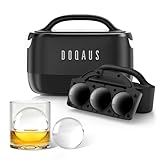
- ✅ Achieve Bar-Quality Clarity with Directional Freezing: Stop settling for cloudy, bubble-filled ice. Our clear ice cube maker utilizes advanced physics to push impurities away, creating 3 crystal-clear spheres and 4 cubes per cycle. It is the secret weapon for the home mixologist wanting presentation-ready drinks without expensive machinery.
- ✅ Preserve Complex Flavors with Slow Dilution: Designed for the purist, this whiskey ice cubes mold produces dense, 2.5-inch ice that melts 40% slower than standard ice. Enjoy your single malt or bourbon chilled but undiluted, ensuring the aromatic profile remains distinct from the first sip to the last.
- ✅ Effortless Release with Premium Hybrid Design: Unlike rigid plastic trays that crack, our flexible silicone ice ball maker mold ensures smooth removal. The non-stick material lets you pop out perfect shapes instantly, making drink preparation seamless for relaxing solo evenings or busy gatherings.
- ✅ Versatile 2-in-1 Capacity for Entertaining: Hosting a cocktail night? This round ice cube mold creates 7 pieces simultaneously, catering to different glass styles. Whether serving an Old Fashioned (sphere) or a Negroni (cube), you will have the right ice shape ready for every guest's preference.
- ✅ The Sophisticated Choice for Gifting: More than just a standard ice mold, this clear ice system is an essential upgrade for any wet bar. Packaged to impress, it creates a tangible experience, making it an ideal gift for fathers, partners, or enthusiasts who value the ritual of a perfectly poured drink.
7. Fill the trays. Pour the cooled coffee into the ice cube trays. Don’t fill them all the way to the top; leave a little space for expansion.
- What “good” looks like: Evenly filled trays, with a bit of headspace.
- Common mistake: Overfilling, which can lead to cubes that are hard to remove or break apart.
8. Freeze. Place the filled trays in the freezer. Give them adequate time to freeze solid.
- What “good” looks like: Firm, fully frozen coffee cubes.
- Common mistake: Rushing the process or overcrowding the freezer, which can slow down freezing.
9. Remove and store. Once frozen, pop the coffee cubes out of the trays. Store them in an airtight container or freezer bag.
- What “good” looks like: Clean, solid cubes ready for use.
- Common mistake: Leaving them exposed in the freezer, where they’ll absorb other food odors.
10. Enjoy! Use your coffee ice cubes in iced coffee, cold brew, smoothies, or even coffee cocktails.
- What “good” looks like: Your beverage staying cool and flavorful.
- Common mistake: Not using them! They’re there to be enjoyed.
Common mistakes (and what happens if you ignore them)
| Mistake | What it causes | Fix |
|---|---|---|
| Using weak coffee | Watered-down iced coffee; flavor gets lost quickly. | Brew coffee 1.5x to 2x strength. |
| Using stale or low-quality beans | Flat, uninteresting flavor in cubes and drinks. | Use freshly roasted, good-quality beans. |
| Not cooling coffee before freezing | Uneven freezing, potential tray damage, slower freeze time. | Let coffee cool to room temp or chill in the fridge. |
| Using dirty ice cube trays | Off-flavors and smells in your coffee cubes. | Wash trays thoroughly with soap and water, rinse well, and dry. |
| Overfilling ice cube trays | Cubes that are hard to remove or break during removal. | Leave about 1/4 inch of space at the top of each cube compartment. |
| Storing cubes uncovered in the freezer | Cubes absorb freezer odors and taste like other foods. | Store in airtight containers or heavy-duty freezer bags. |
| Using tap water with a bad taste | Off-flavors imparted to the coffee and cubes. | Use filtered water for brewing. |
| Grinding beans too fine for method | Bitter, over-extracted coffee that doesn’t freeze well. | Use the correct grind size for your brewing method (coarser for French Press). |
| Not cleaning the brewer regularly | Lingering old coffee oils add bitterness to new brews. | Follow your brewer’s cleaning and descaling instructions. |
Decision rules (simple if/then)
- If your iced coffee tastes weak, then brew your coffee stronger next time because dilution is the enemy.
- If your coffee cubes have a strange taste, then check the cleanliness of your ice trays and freezer storage because odors transfer easily.
- If your coffee freezes unevenly, then ensure the coffee is fully cooled before pouring it into the trays because temperature differences cause this.
- If you find your coffee cubes are difficult to remove from the tray, then don’t fill them to the brim because water expands when it freezes.
- If your coffee tastes bitter, then check your grind size and brew time because over-extraction is a common culprit.
- If you want a more intense coffee flavor, then use a higher coffee-to-water ratio when brewing.
- If you’re using a paper filter and get a papery taste, then rinse the filter with hot water before adding coffee grounds.
- If your coffee cubes melt too quickly, then consider using a denser coffee brew or a different brewing method that yields a richer concentrate.
- If you notice sediment in your cubes, then make sure your coffee is filtered well after brewing.
- If you want to experiment with flavor, then add a touch of vanilla or cinnamon to the coffee grounds before brewing.
FAQ
Can I just pour leftover coffee into ice trays?
Yes, but it’s best to brew coffee specifically for cubes if you want the best flavor. Leftover coffee might be a bit stale or have absorbed other fridge smells.
How long do coffee ice cubes last?
Stored properly in an airtight container in the freezer, they should last for 1-2 months without significant flavor degradation.
What’s the best way to store coffee ice cubes?
Use an airtight container or a heavy-duty freezer bag. This prevents them from picking up freezer odors.
Can I use decaf coffee to make ice cubes?
Absolutely. If you prefer decaf or want to make decaf coffee cubes for evening drinks, go for it. The process is the same.
Will coffee ice cubes make my drink taste bitter?
Not if you brew your coffee correctly. Brewing it stronger and using good quality, fresh beans should prevent bitterness.
Is there a difference between using regular ice and coffee ice cubes?
Regular ice dilutes your drink with water. Coffee ice cubes dilute your drink with more coffee, maintaining and even enhancing the flavor.
Can I use my cold brew for coffee ice cubes?
Yes, cold brew works great! It’s often less acidic and has a smoother flavor profile, which can be a nice option for ice cubes.
What if I don’t have ice cube trays?
You can use silicone molds for muffins or other small shapes, or even small freezer-safe containers, though they might be harder to pop out.
What this page does NOT cover (and where to go next)
- Specific recommended coffee bean brands or roasters. (Next: Explore coffee roaster reviews or local coffee shops.)
- Detailed troubleshooting for advanced espresso machine issues. (Next: Consult your espresso machine’s manual or manufacturer support.)
- Recipes for complex coffee cocktails or mocktails. (Next: Search for “coffee cocktail recipes” or “iced coffee drink ideas.”)
- The science behind coffee extraction and optimal brewing temperatures. (Next: Look into coffee brewing guides or books on coffee science.)
- Commercial-grade coffee brewing equipment reviews. (Next: Research commercial coffee equipment forums or industry publications.)