
Simple Steps To Make An Instant Coffee Latte
Quick Answer
- Use high-quality instant coffee. It makes a difference.
- Heat your milk just right – not boiling, but nice and warm.
- Froth that milk like you mean it. A good foam is key.
- Measure your coffee and water carefully. Consistency is your friend.
- Don’t skip the sweetener if you like it sweet.
- Taste and adjust. This is your latte.
Who This Is For
- Anyone craving a latte but short on time or fancy equipment.
- People who think instant coffee can’t be elevated. Think again.
- Beginners looking for a straightforward way to whip up a coffee shop-style drink at home.
What to Check First
Brewer Type and Filter Type
This is easy for instant coffee. You’re not really “brewing” in the traditional sense. You’re dissolving. So, no paper filters or complex machines to worry about. Just a mug and a spoon, or maybe a whisk if you’re feeling fancy.
Water Quality and Temperature
Even for instant, good water matters. Tap water can have off-flavors that mess with your coffee. Filtered water is usually best. For temperature, you want it hot, but not scorching. Think around 175-195°F (80-90°C). Boiling water can scorch the coffee grounds and make it taste bitter. I usually just let my kettle sit for a minute after it boils.
Grind Size and Coffee Freshness
With instant, “grind size” is already done for you. The magic is in the coffee itself. Look for a good brand of instant coffee. Some are much better than others. Freshness still counts, though. Keep your instant coffee sealed tight in a cool, dry place. Old instant coffee can lose its punch.
Coffee-to-Water Ratio
This is where you control the strength. A good starting point is usually 1-2 teaspoons of instant coffee per 6 oz of hot water. But honestly, it’s totally up to you. Want it strong? Add more coffee. Want it milder? Use less. I like mine pretty robust, so I usually lean towards the higher end.
Cleanliness/Descale Status
Even though you’re not using a complex machine, a clean mug is crucial. Any residue from previous drinks can taint the flavor. If you’re using a milk frother, make sure that’s clean too. A clean setup means a cleaner taste.
Step-by-Step: How to Make an Instant Coffee Latte
1. Heat your water.
- What to do: Heat about 6 oz of filtered water until it’s hot, but not quite boiling. Around 175-195°F (80-90°C) is ideal.
- What “good” looks like: Steam rising, but no rolling boil.
- Common mistake: Using boiling water, which can make the coffee taste bitter. Avoid this by letting the kettle sit for a minute after it boils.
2. Prepare your mug.
- What to do: Grab your favorite mug. If you like a bit of sweetness, add your sugar or sweetener now.
- What “good” looks like: A clean mug, ready to go.
- Common mistake: Not adding sweetener early if you want it dissolved. It’s harder to mix into cold milk later.
Grab your favorite coffee mug to start. A sturdy, well-insulated mug will keep your latte warm longer.
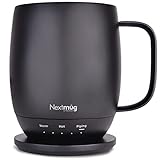
- ALWAYS THE PERFECT TEMPERATURE – The Nextmug will keep your hot coffee, tea or preferred beverage at the perfect temperature wherever you are. Simply select Warm (130° F), Hot (140° F), or Piping (150° F) and enjoy for hours.
- SMART MUG TECHNOLOGY – Long-lasting battery maintains your ideal temperature. LED lights display battery life & real-time temperature. Includes Spill-Resistant Lid & Charging Coaster.
- SUPER SIMPLE – On-board Control Button easily turns mug On/Off & sets the temperature. Takes only seconds to set the mug to your perfect temperature. No app required - no passwords, re-booting or security concerns.
- THE PERFECT GIFT - Give the gift for him and the gift for her that is certain to delight. Perfect for everyone on your list…moms, dads, grandmas, grandpas, teachers, birthdays, graduations and more!
- NEXTMUG CARES - Nextmug cares about our communities and our customers. We care by donating Nextmugs to teachers and first responders . We’re also committed to sustainable packaging by using 100% recyclable materials with all our products. Our dedicated customer service agents are based in the USA and always ready to help.
3. Add instant coffee.
- What to do: Spoon 1-2 teaspoons (or more, to taste) of good quality instant coffee into the mug.
- What “good” looks like: The coffee grounds sitting there, waiting for their hot water bath.
- Common mistake: Using too little coffee for a weak flavor. Start with 1.5 tsp and go from there.
4. Dissolve the coffee.
- What to do: Pour the hot water over the instant coffee and sweetener. Stir until completely dissolved.
- What “good” looks like: A smooth, dark coffee liquid with no gritty bits.
- Common mistake: Not stirring enough, leaving undissolved coffee at the bottom. Keep stirring until it’s all liquid.
5. Heat your milk.
- What to do: While the coffee dissolves, heat about 6-8 oz of milk (dairy or non-dairy) in a saucepan or microwave.
- What “good” looks like: Warm milk, steaming slightly, but definitely not boiling.
- Common mistake: Overheating the milk, which can make it taste scalded or rubbery. Aim for around 150-160°F (65-70°C).
6. Froth the milk.
- What to do: Pour the warm milk into a separate container. Use a handheld frother, a French press, or a whisk to vigorously agitate the milk until it’s foamy and has doubled in volume.
- What “good” looks like: A thick layer of light, airy foam on top of the warm milk.
- Common mistake: Not frothing long enough for weak foam. You need to put some energy into it!
7. Combine coffee and milk.
- What to do: Gently pour the warm milk into the mug with the dissolved coffee.
- What “good” looks like: A nice swirl of creamy milk mixing with the dark coffee.
- Common mistake: Dumping the milk in too fast, which can deflate the foam. Pour slowly.
8. Top with foam.
- What to do: Spoon the frothed milk foam from your container onto the top of the latte.
- What “good” looks like: A fluffy cloud of foam crowning your drink.
- Common mistake: Not getting enough foam. Give your milk a final good froth before spooning.
9. Optional: Add toppings.
- What to do: Sprinkle with cinnamon, cocoa powder, or a drizzle of chocolate syrup if you’re feeling extra.
- What “good” looks like: A beautifully finished latte.
- Common mistake: Overdoing the toppings and masking the coffee flavor. Less is often more.
10. Taste and enjoy.
- What to do: Take a sip. Adjust sweetness or coffee strength if needed (though adjustments are harder now).
- What “good” looks like: A delicious, satisfying latte that hit the spot.
- Common mistake: Not tasting and realizing halfway through you wanted it sweeter. Plan ahead!
Common Mistakes (and What Happens If You Ignore Them)
| Mistake | What it Causes | Fix |
|---|---|---|
| Using boiling water for coffee | Bitter, scorched coffee flavor | Let water cool slightly (175-195°F / 80-90°C). |
| Not dissolving coffee fully | Gritty texture, uneven flavor | Stir thoroughly until no grounds remain. |
| Overheating milk | Scalded, rubbery taste; poor foam | Heat milk gently (150-160°F / 65-70°C); avoid boiling. |
| Insufficient milk frothing | Thin, watery foam; latte looks sad | Froth vigorously until volume increases significantly. |
| Using stale or low-quality instant coffee | Weak, dull, or off-flavors | Use fresh, reputable instant coffee brands. Seal tightly. |
| Incorrect coffee-to-water ratio | Latte too weak or too strong | Start with 1-2 tsp per 6 oz water and adjust to your preference. |
| Not cleaning equipment | Off-flavors from residue | Wash mug and frothing tools after each use. |
| Adding sweetener after milk is added | Sweetener doesn’t dissolve well | Add sweetener to the coffee grounds before adding hot water. |
| Pouring milk too fast into coffee | Foam deflates, latte looks flat | Pour milk slowly and steadily into the coffee. |
| Skipping the taste test | Unhappy with the final sweetness or strength | Taste and adjust sweetness or coffee strength <em>before</em> adding foam. |
Decision Rules
- If your instant coffee tastes bitter, then you likely used water that was too hot because boiling water scorches the coffee.
- If your latte is weak, then you need to use more instant coffee or less water because the ratio dictates strength.
- If your milk foam is thin, then you need to froth the milk longer or more vigorously because more air needs to be incorporated.
- If you detect off-flavors, then check if your mug or frothing tools are clean because residue can transfer taste.
- If your latte isn’t sweet enough, then add more sweetener to the coffee grounds before adding hot water because it dissolves better then.
- If your instant coffee has a gritty texture, then you didn’t stir enough because the coffee particles need to fully dissolve.
- If you want a stronger coffee flavor, then increase the amount of instant coffee you use for the same amount of water because that’s the primary flavor driver.
- If your milk tastes burnt, then you overheated it because milk protein changes flavor above 160°F (70°C).
- If you want a smoother latte, then use filtered water because tap water can sometimes have mineral tastes that affect the final cup.
- If your foam disappears quickly, then you might have used milk that wasn’t cold enough to start or didn’t froth it long enough because cold milk froths better.
FAQ
Can I use any instant coffee for a latte?
While you can use any instant coffee, using a higher-quality brand will make a noticeable difference in taste. Some brands are specifically designed for a richer flavor.
What kind of milk is best for frothing?
Whole milk generally froths the best due to its fat content. However, many non-dairy milks like oat milk or soy milk can also produce good foam with practice.
How do I make it less sweet?
Start with less sweetener, or skip it entirely. You can always add more later if needed. Remember to add it to the coffee grounds before the water for best dissolving.
Is there a difference between instant coffee and espresso powder?
Espresso powder is essentially finely ground, highly concentrated instant coffee made from espresso beans. It can give a more intense coffee flavor, but standard instant coffee works fine for a basic latte.
My latte tastes watery. What did I do wrong?
This usually means your coffee-to-water ratio was off, or you didn’t use enough instant coffee. Try using more instant coffee next time, or slightly less water.
Can I make this ahead of time?
It’s best to make it fresh. The frothed milk foam will collapse over time, and the overall flavor is best right after brewing.
What if I don’t have a milk frother?
No problem! You can use a small whisk and vigorously stir the warm milk in a cup. A French press also works well – just pump the plunger up and down in the warm milk.
How much coffee should I use?
A good starting point is 1-2 teaspoons of instant coffee per 6 oz of hot water. Adjust this based on how strong you like your coffee.
What This Page Does Not Cover (and Where to Go Next)
- Making espresso from scratch using an espresso machine.
- Advanced latte art techniques.
- Detailed explanations of different coffee bean origins and roasting profiles.
- Recipes for flavored syrups or complex coffee beverages.
- Comparisons of various electric milk frothers.