
Simple Cold Brew Coffee Recipe Using A Coffee Maker
Quick answer
- You can make cold brew concentrate with a standard drip coffee maker, but it’s not the ideal method.
- This method will yield a weaker, less concentrated cold brew than traditional steeping.
- Use a coarser grind and double the amount of coffee grounds you normally would.
- Cold brew needs time. Don’t expect a quick fix.
- Dilute the concentrate with water or milk to taste.
- Taste is king. Adjust as needed.
Who this is for
- Folks who want to try cold brew without buying special equipment.
- Coffee lovers who have a standard drip coffee maker and want to experiment.
- Campers who want a simple way to make a refreshing coffee drink on the go, assuming they have power.
What to check first
Brewer type and filter type
Most standard drip coffee makers will work. You’ll likely use a paper filter, but some machines have a reusable mesh filter. Paper filters tend to give a cleaner cup, while mesh filters can let more oils through, adding body. For cold brew, either can work, but paper is often preferred for a smoother finish.
Most standard drip coffee makers will work for this cold brew method. If you’re looking for a reliable option, consider a quality drip coffee maker.
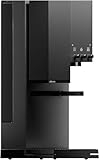
- 1. Three Levels of Automation for Any Skill Level: Choose from Autopilot, Copilot, or Free Solo mode. Autopilot handles the entire brewing process automatically. Copilot provides step-by-step guidance. Free Solo gives you full manual control. This coffee machine works for beginners and professional baristas alike.
- 2. Intuitive User Interface with Tactile Knobs and LED Matrix: The Studio features physical control knobs and a clear LED Matrix display. You can adjust grind size, water temperature, and flow rate in real time without navigating complicated touchscreen menus.
- 3. Full Customization via the xBloom App: Use the xBloom app to create, adjust, save, and share your favorite coffee recipes. Every brewing parameter can be fine-tuned and synced to the machine instantly. Your perfect cup is saved and repeatable.
- 4. Compostable xPod System for Minimal Waste and Maximum Flavor: Each xPod contains carefully selected whole beans and a built-in filter. Tap the recipe card, pour the beans into the grinder, place the pod into the dock, and press start. No capsules, no extra paper filters, no unnecessary waste.
- 5. What Is Included in the Box: The package includes the xBloom Studio, Omni Dripper 2 with Hyperflow Bottom, 10 paper filters, xPod Dock, Magnetic Dosing Cup, default recipe card, quick start guide, cleaning brush, universal power cord, and a 2-Year xbloom brand warranty. Everything you need is included—along with long-term peace of mind.
Water quality and temperature
Use filtered water. If your tap water tastes good, it’s probably fine. For cold brew, the water temperature is key – it should be cold, straight from the tap or chilled. No hot water involved here, that’s for hot coffee.
Grind size and coffee freshness
You want a coarse grind. Think breadcrumbs or sea salt. Too fine, and you’ll get sludge and bitterness. Freshly ground beans are always best. If you can, grind right before you brew. Stale coffee just won’t cut it.
Coffee-to-water ratio
This is where it gets tricky for cold brew in a drip maker. You’ll need a much higher coffee-to-water ratio than for hot coffee. A good starting point is double the amount of coffee grounds you’d normally use for the same amount of water. We’re aiming for a concentrate.
Cleanliness/descale status
Make sure your coffee maker is clean. Old coffee oils can make your cold brew taste rancid. Run a cleaning cycle with vinegar or a descaling solution if it’s been a while. A clean machine means a cleaner taste.
Step-by-step (brew workflow)
1. Gather your gear. You’ll need your drip coffee maker, a filter, your favorite coffee beans, and cold water.
- What “good” looks like: Everything is ready to go. No scrambling for filters.
- Common mistake: Forgetting to clean the coffee maker beforehand.
- Avoid it: Give the brew basket and carafe a quick rinse.
You’ll need a filter for your brew basket. Paper filters tend to give a cleaner cup, so having a good supply of coffee filters paper on hand is essential.

- FLAVOR-ENHANCING MICROFINE PERFORATIONS: Unlock the full, rich flavor of your coffee with Melitta’s signature Microfine Flavor Enhancing Perforations for a superior brewing experience.
- BURST-RESISTANT DOUBLE CRIMP DESIGN: Enjoy mess-free, reliable brewing with our exclusive double crimped edges, engineered to prevent bursting and spills.
- CERTIFIED SUSTAINABLE AND COMPOSTABLE: FSC Certified for responsible forestry, BPI Certified for commercial compostability, and packaged in 100% recycled paperboard to support eco-conscious living.
- PREMIUM QUALITY: Thicker, chlorine-free paper traps impurities for a smooth, clean cup; filters are gluten-free and kosher certified.
- MADE IN THE USA & UNIVERSAL FIT: Designed for all 8-12 cup cone coffee makers; Melitta is the world’s #1 cone coffee filter brand, upholding a legacy of innovation and quality.
2. Grind your coffee. Aim for a coarse grind, like sea salt.
- What “good” looks like: Uniform, coarse grounds.
- Common mistake: Using a fine grind meant for espresso.
- Avoid it: Adjust your grinder settings to the coarsest setting.
3. Measure your coffee grounds. Use about twice the amount of coffee you’d normally use for the water volume. For a standard 12-cup maker, you might use 16-20 tablespoons for a full pot, but we’re making concentrate. Let’s say 10-12 tablespoons for a 6-cup brew cycle.
- What “good” looks like: A heaping amount of grounds in the filter basket.
- Common mistake: Using your usual hot coffee amount.
- Avoid it: Measure generously. You can always add more water later.
4. Insert the filter. Place a paper filter in the brew basket.
- What “good” looks like: The filter sits snugly in the basket.
- Common mistake: Not rinsing the paper filter.
- Avoid it: Briefly rinse the paper filter with cold water to remove any papery taste.
5. Add the grounds to the filter. Pour your coarsely ground coffee into the prepared filter.
- What “good” looks like: Evenly distributed grounds.
- Common mistake: Tamping down the grounds.
- Avoid it: Just let them settle naturally.
6. Add cold water. Fill the water reservoir with cold, filtered water. For a 6-cup brew cycle, use about 3 cups of water. Remember, we want concentrate.
- What “good” looks like: The water level is within the machine’s marked capacity for the brew cycle.
- Common mistake: Using hot water.
- Avoid it: Double-check the water is cold.
7. Start the brew cycle. Turn on your coffee maker.
- What “good” looks like: The machine starts heating and dripping.
- Common mistake: Forgetting to place the carafe under the brew basket.
- Avoid it: Make sure the carafe is in place before you hit start.
8. Let it brew. The process will take its usual time. You’ll see dark liquid dripping into the carafe.
- What “good” looks like: A slow, steady drip producing a dark liquid.
- Common mistake: Interrupting the brew cycle.
- Avoid it: Let the machine finish completely.
9. Remove the filter basket. Once brewing is complete, carefully remove the brew basket and discard the grounds.
- What “good” looks like: The basket is empty, and the liquid is in the carafe.
- Common mistake: Leaving the wet grounds in the machine.
- Avoid it: Promptly remove and clean the basket.
10. Chill the concentrate. Let the concentrate cool to room temperature, then refrigerate it.
- What “good” looks like: A cooled carafe of dark liquid.
- Common mistake: Drinking it immediately at room temperature.
- Avoid it: Cold brew is best served cold. Patience pays off.
11. Dilute and serve. Pour over ice. Mix with water or milk to your preferred strength. Start with a 1:1 ratio of concentrate to water/milk.
- What “good” looks like: A perfectly balanced, refreshing drink.
- Common mistake: Drinking the concentrate straight.
- Avoid it: Always dilute. It’s potent stuff.
Common mistakes (and what happens if you ignore them)
| Mistake | What it causes | Fix |
|---|---|---|
| Using a fine grind | Over-extraction, bitter, muddy coffee; clogs filter. | Use a coarse grind, like sea salt. |
| Using hot water | This isn’t cold brew; it’s just hot coffee. You’ll miss the smooth, low-acid profile. | Always use cold water. |
| Using too little coffee | Weak, watery “cold brew” that lacks flavor and body. | Double the coffee grounds you’d normally use for the water amount. |
| Not cleaning the coffee maker | Rancid, stale flavors contaminate your cold brew. | Run a cleaning cycle or wash all removable parts thoroughly. |
| Not diluting the concentrate | Extremely strong, overpowering coffee that’s hard to drink. | Dilute with water, milk, or ice to taste. Start with a 1:1 ratio. |
| Not letting it brew completely | Incomplete extraction, weak flavor, and potentially some grounds in the carafe. | Let the entire brew cycle finish before removing the basket. |
| Using stale coffee beans | Flat, dull flavor; lacks the desirable sweetness and complexity of fresh beans. | Use freshly roasted, whole bean coffee and grind it just before brewing. |
| Not chilling the concentrate properly | Warm, less refreshing coffee; can promote bacterial growth if left out too long. | Refrigerate the concentrate after it cools to room temperature. |
| Rushing the process | Compromised flavor extraction and overall poor quality. | Cold brew requires time. Be patient with the brewing and chilling. |
| Over-extracting (brewing too long) | Can lead to bitterness, especially with finer grinds. | Stick to the normal brew cycle time for your machine; the coarse grind helps prevent over-extraction. |
Decision rules (simple if/then)
- If your cold brew tastes bitter, then reduce the coffee-to-water ratio or ensure your grind is coarse enough because bitterness often comes from over-extraction.
- If your cold brew is too weak, then increase the amount of coffee grounds for the next batch because this method requires a higher coffee-to-water ratio to make a concentrate.
- If you notice sediment in your cup, then use a finer paper filter or try a different brand of coffee because fine grounds or certain coffee types can pass through.
- If you want a smoother, less acidic taste, then try a longer steep time (though this method is limited by your machine) or ensure you’re using cold water because cold water extraction is key to low acidity.
- If your coffee maker has a “bold” setting, then use it because it might slow down the water flow slightly, potentially improving extraction.
- If your cold brew tastes “off” or stale, then clean your coffee maker thoroughly because old coffee oils are the likely culprit.
- If you’re making a large batch, then consider brewing multiple smaller batches rather than overloading your machine because consistent extraction is easier with smaller volumes.
- If you prefer a richer, more full-bodied cold brew, then consider using a mesh filter if your machine allows, as it lets more oils through.
- If you find the concentrate too strong even after diluting, then use even more water or milk in your next serving because personal preference is paramount.
- If your coffee maker has a “brew pause” feature, then don’t use it for this recipe because you want a continuous flow for optimal cold extraction.
- If you’re tasting metallic notes, then check your coffee maker’s materials or consider a different brewing method because some machines might impart unwanted flavors.
FAQ
Can I really make cold brew with a regular drip coffee maker?
Yes, you can, but it’s a shortcut. This method makes a concentrate that you dilute. It won’t have the same depth of flavor as traditional steeping but it’s a decent alternative.
Why do I need to use so much more coffee?
Cold water extracts coffee compounds much slower than hot water. To get enough flavor and body into the liquid, you need a higher concentration of coffee grounds.
How long should the brew cycle take?
Your coffee maker will run its normal cycle, typically 5-10 minutes for a few cups. The key is that the water is cold, not the duration of the machine’s cycle.
What kind of coffee beans are best for cold brew?
Medium to dark roasts often work well, providing rich, chocolatey, or nutty flavors. However, experiment with lighter roasts too; they can offer brighter notes. Always use fresh beans.
How long does cold brew concentrate last?
Stored in an airtight container in the refrigerator, cold brew concentrate should last about 1 to 2 weeks. Always check for any off smells or tastes before consuming.
Can I use this method to make hot coffee?
No, this recipe is specifically for cold brew concentrate. Using hot water in this way would just be making regular hot coffee, not cold brew.
What if my coffee maker doesn’t have a “cup” setting?
Use the water reservoir markings. For a concentrate, aim for a ratio of about 1 part water to 1 part coffee grounds by weight, or roughly double the grounds for the water volume you’re using.
Is cold brew healthier than hot coffee?
Cold brew is generally lower in acidity, which can be easier on the stomach for some people. The nutritional content is similar, depending on what you add to it.
What this page does NOT cover (and where to go next)
- Detailed comparisons of different cold brew makers (like Toddy, Filtron, or French press methods).
- Advanced techniques for cold brew, such as different steep times or bloom phases.
- Specific recommendations for coffee bean origins or roast profiles for cold brew.
- Recipes for cold brew-based coffee drinks beyond simple dilution.
- The science behind cold brew extraction and acidity levels.