
Setting Up Coffee Service for Business
Quick Answer
- Get a commercial-grade brewer. Reliability is key for volume.
- Use filtered water. Bad water ruins good beans.
- Buy fresh, whole beans. Grind right before brewing.
- Dial in your coffee-to-water ratio. Start with 1:17.
- Keep everything clean. Descale regularly.
- Train your staff. Consistency matters.
Who This Is For
- Office managers stocking the breakroom. You need a system that just works.
- Small business owners who want to offer perk-up coffee. Happy employees, happy customers.
- Event planners needing reliable coffee for gatherings. Don’t let the coffee be an afterthought.
What to Check First
Brewer Type and Filter Type
First off, what kind of machine are you even looking at? For business, you’re probably thinking drip coffee makers. These are workhorses. Think about capacity. Are you serving 10 people or 100? Paper filters are common, but some machines use permanent metal filters. Paper filters trap more oils, leading to a cleaner cup. Metal filters let more oils through, which some folks like for a richer taste. Just make sure your filters fit your brewer. It’s a simple thing, but you don’t want to be caught without the right ones.
Water Quality and Temperature
This is HUGE. Coffee is 98% water, man. If your tap water tastes funky, your coffee will too. Get a good water filter. For a business, a multi-stage filter is a solid move. Most brewers heat water to around 195-205°F. That’s the sweet spot for extraction. Too cool, and it’s sour. Too hot, and it can scorch the grounds. Check your brewer’s manual to see its temp range. If it’s all over the place, that’s a red flag.
Grind Size and Coffee Freshness
Freshness is non-negotiable. Buy whole beans, and only what you’ll use in a few weeks. Look for a roast date on the bag, not a “best by” date. Grind those beans right before you brew. For drip coffee, a medium grind is usually the way to go. It should look like coarse sand. Too fine, and it’ll clog the filter and over-extract (bitter). Too coarse, and it’ll under-extract (weak, sour). A good burr grinder is worth its weight in gold for consistent grinds.
For the freshest taste, consider investing in high-quality whole coffee beans like these. Grinding them just before brewing makes a significant difference.
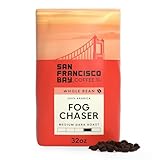
- Our iconic Fog Chaser is a blend of dark and medium roasted beans which results in a enjoyable medium dark roast coffee. It's a great combination of flavor, balance and smoothness that will chase away even the thickest morning fog.
- For finest taste, store in a cool, dark place and grind beans just berfore brewing
- QUALITY COFFEE: San Francisco Bay Coffee uses only 100% arabica coffee and certified Kosher coffee beans. Hand picked and grown in high altitude. We're so confident you'll love it, we back it with a satisfaction guarantee.
- SUSTAINABLY AND ECO- FARMED COFFEE: We offer a wide selection of sustainably grown, sourced, and packaged coffee from whole bean to ground, flavored to decaf, and much more.
- SF BAY COFFEE is a family owned, American made company with a rich tradition. Our reputation reflects on us as a family so if you're ever not happy with your purchase, call us and we'll make it right.
Coffee-to-Water Ratio
This is where you balance strength. A good starting point for drip coffee is a 1:17 ratio – that’s 1 gram of coffee to 17 grams (or milliliters) of water. For us non-scientists, that’s roughly 2 tablespoons of coffee for every 6 oz of water. You’ll need a scale for precision, especially for business. If it tastes weak, add more coffee. If it’s too strong, use less coffee or more water. It’s a personal preference, but a consistent ratio is key for business service.
To achieve a consistent coffee-to-water ratio, especially in a business setting, a reliable coffee scale is indispensable. This will help you dial in the perfect brew every time.

- Barista-Level Precision: A 0.1g high-precision sensor with a rapid refresh rate responds instantly to changes in weight, helping you achieve consistent results across espresso, pour over, drip coffee, Chemex, V60, and filter coffee brewing.
- Integrated Brew Timer: A built-in count-up and count-down timer tracks bloom, extraction, and espresso shots. Ideal for dialing in espresso, timing Chemex and V60 pour over recipes, or steeping tea. Auto-shutoff helps preserve battery life between brews.
- Durable Waterproof Silicone Cover: The heat-resistant, dishwasher-safe silicone cover helps protect the coffee scale's spacious 5.25" x 5.25" weighing surface from splashes, spills, and hot equipment. The grooved surface provides added stability and makes cleanup quick and easy.
- Versatile Measurement Options: Quick-tare and 6 unit options make it easy to weigh coffee beans, espresso shots, matcha portions, and more. Choose from g, ml, lb, lb:oz, oz, and fl oz for added flexibility in the kitchen and coffee bar.
- Intuitive Design: A bright dual-color LCD display clearly separates weight and timer readings, while simple controls make daily brewing easy. Includes 3 AAA batteries and is backed by 5 years of coverage, with support from our St. Louis-based team whenever you need a hand.
Cleanliness/Descale Status
This is the most overlooked part of making good coffee, especially in a busy setting. Coffee oils build up. Mineral deposits from water (scale) clog things up. If your brewer looks grimy, it’s probably affecting the taste. Clean the carafe, the brew basket, and the showerhead regularly. Descale your machine every 1-3 months, depending on your water hardness and usage. Most brewers have a descaling cycle. Check the manual for specific instructions. A clean machine makes clean coffee.
Step-by-Step: Brewing Business Coffee
1. Prep the Brewer: Make sure the machine is clean and plugged in.
- Good looks like: A clean water reservoir and brew basket. No old grounds.
- Common mistake: Rushing and not rinsing the filter or machine. Avoid this by making it part of the routine.
2. Filter Placement: Insert the correct filter into the brew basket.
- Good looks like: The filter sits snug and flat. No crinkles or gaps.
- Common mistake: Using the wrong size filter or having it folded. Always double-check the filter type.
3. Rinse the Filter (Optional but Recommended): Briefly rinse the paper filter with hot water.
- Good looks like: Water drains through quickly, leaving no papery smell.
- Common mistake: Skipping this step. This removes any paper taste from the filter.
4. Add Fresh Coffee Grounds: Measure your whole beans and grind them to a medium consistency. Add the grounds to the filter.
- Good looks like: Evenly distributed grounds, not packed down.
- Common mistake: Using pre-ground coffee or grinding too fine/coarse. Grind fresh and aim for that coarse sand look.
5. Add Filtered Water: Fill the water reservoir with the correct amount of cold, filtered water.
- Good looks like: The water level matches your desired brew volume.
- Common mistake: Using hot water or tap water. Always use cold, filtered water for best results.
6. Start the Brew Cycle: Turn on the coffee maker.
- Good looks like: The machine starts heating water and dripping coffee.
- Common mistake: Forgetting to press the start button. Yep, it happens.
7. Monitor the Bloom (for some brewers): Some machines pause briefly after heating.
- Good looks like: The grounds puff up and release CO2.
- Common mistake: Not understanding this is normal. It’s a sign of fresh coffee.
8. Brewing Process: Let the machine do its thing.
- Good looks like: Steady dripping into the carafe. No sputtering or overflowing.
- Common mistake: Removing the carafe too early. Wait for the brew cycle to finish completely.
9. Serve Immediately: Once brewing is complete, pour the coffee.
- Good looks like: Hot, aromatic coffee.
- Common mistake: Letting coffee sit on a hot plate for too long. It gets bitter and burnt. Use a thermal carafe if possible.
10. Clean Up: Discard grounds and rinse the brew basket and carafe.
- Good looks like: Everything is clean and ready for the next brew.
- Common mistake: Leaving dirty equipment. This leads to stale coffee and buildup.
Common Mistakes (and What Happens If You Ignore Them)
| Mistake | What It Causes | Fix |
|---|---|---|
| Using stale, pre-ground coffee | Flat, lifeless, bitter coffee | Buy whole beans, check roast date, grind right before brewing. |
| Tap water instead of filtered | Off-flavors, mineral buildup | Install a water filter or use bottled filtered water. |
| Incorrect grind size (too fine) | Bitter, over-extracted coffee; slow brew | Use a burr grinder; aim for coarse sand texture. |
| Incorrect grind size (too coarse) | Weak, sour, under-extracted coffee | Use a burr grinder; aim for coarse sand texture. |
| Wrong coffee-to-water ratio | Coffee too weak or too strong | Use a scale and a consistent ratio (start with 1:17). |
| Not cleaning the brewer regularly | Bitter, oily, stale coffee; slow brew | Clean brew basket, carafe, and showerhead after each use. |
| Not descaling the brewer | Slow brewing, weak coffee, machine failure | Descale every 1-3 months based on water hardness and usage. |
| Letting coffee sit on a hot plate | Burnt, bitter, stale coffee | Use a thermal carafe or serve immediately after brewing. |
| Using a dirty carafe | Stale flavors and odors transferred to coffee | Wash the carafe thoroughly after each use. |
| Not training staff on proper use | Inconsistent coffee quality | Standardize the brewing process and train everyone involved. |
Decision Rules
- If your coffee tastes bitter, then try a coarser grind or a slightly lower water temperature because over-extraction causes bitterness.
- If your coffee tastes sour or weak, then try a finer grind or a slightly higher water temperature because under-extraction causes sourness.
- If your coffee tastes muddy, then your grind is likely too fine, or the filter is not seated correctly because fine particles are passing through.
- If your brewer is brewing slowly, then it likely needs descaling because mineral buildup restricts water flow.
- If you notice off-flavors that aren’t from the beans, then check your water quality because bad water makes bad coffee.
- If you’re brewing for a crowd, then consider a larger capacity brewer to avoid multiple small batches because consistency is key.
- If you want to reduce waste, then look into reusable metal filters, but be aware they can alter the taste profile slightly because they let more oils through.
- If your coffee tastes stale quickly, then you might be using old beans or not storing them properly because coffee degrades over time.
- If your machine is making strange noises, then it could be a sign of a clogged pump or heating element, possibly due to lack of descaling, because these parts can be damaged by buildup.
- If you’re unsure about your brewer’s specific needs, then consult the owner’s manual because it has the most accurate information for your model.
FAQ
What’s the best type of coffee maker for a business?
For most offices, a commercial-grade automatic drip coffee maker is your best bet. They are built for volume and reliability. Look for models with thermal carafes to keep coffee hot without burning it.
How much coffee do I need per person?
A good rule of thumb is about 1.5 to 2 tablespoons of whole beans per 6 oz cup of water. For a business, it’s easier to calculate by weight: aim for about 10-12 grams of coffee per 6 oz (180ml) of water.
How often should I clean my coffee maker?
Daily cleaning of the carafe and brew basket is essential. A deeper clean, including descaling, should be done every 1-3 months, depending on how hard your water is and how much you use the machine.
Does the type of filter matter?
Yes, it can. Paper filters tend to produce a cleaner cup by trapping more oils. Metal filters allow more oils to pass through, which some people prefer for a richer, more full-bodied taste. Just make sure it fits your brewer.
What’s the ideal water temperature for brewing coffee?
The ideal temperature range is between 195°F and 205°F. Most good coffee makers maintain this. If your brewer’s temperature is too low, your coffee will taste sour; too high, and it can taste burnt.
How do I store coffee beans in an office?
Keep them in an airtight container, away from light, heat, and moisture. Don’t store them in the refrigerator or freezer, as this can introduce moisture and odors. Buy smaller quantities more frequently to ensure freshness.
What if my coffee tastes weak?
This usually means you’re under-extracting. Try using a slightly finer grind, increasing the coffee-to-water ratio (use more coffee), or ensuring your water is hot enough.
What if my coffee tastes bitter?
This is often a sign of over-extraction. Try using a coarser grind, reducing the coffee-to-water ratio (use less coffee), or ensuring your water isn’t too hot. Also, check if the machine needs cleaning or descaling.
What This Page Does Not Cover (and Where to Go Next)
- Detailed comparisons of specific commercial coffee maker brands and models. (Look for reviews and product guides.)
- Advanced brewing techniques like pour-over or espresso for a business setting. (These require more specialized equipment and training.)
- Specific recommendations for coffee bean suppliers or roasting profiles. (Explore local roasters or specialty coffee distributors.)
- Setting up a full-service coffee bar with baristas. (This involves different operational considerations.)
- Troubleshooting complex electrical or mechanical issues with brewers. (Consult a qualified technician or the manufacturer.)