
Key Factors That Contribute To A Successful Coffee Shop
Quick Answer
- A prime location with good foot traffic is crucial.
- High-quality, consistent coffee and expertly trained baristas are non-negotiable.
- A welcoming, comfortable atmosphere keeps people coming back.
- Efficient operations and smart inventory management control costs.
- Strong community engagement builds loyalty.
- Excellent customer service turns first-timers into regulars.
- A unique selling proposition or niche helps you stand out.
Who This Is For
- Aspiring entrepreneurs dreaming of opening their own cafe.
- Current coffee shop owners looking to improve their business.
- Anyone curious about the inner workings of a thriving coffee business.
What to Check First
Location, Location, Location
This is the big one. You need a spot where people actually are. Think busy streets, near offices, or in a lively neighborhood. High visibility matters. If people can’t see you, they can’t come in.
The Coffee Itself
Your beans are the heart of the operation. Sourcing good beans is step one. Then, you gotta brew them right, every single time. Consistency is king. Nobody wants a great cup one day and a watery mess the next.
The Vibe
It’s not just about the coffee. People come for the experience. Is it cozy? Is it a good place to meet a friend or get some work done? The atmosphere sets the tone.
Operations and Flow
How smoothly does the shop run? Are orders taken quickly? Is the line managed well? Efficient operations mean happy customers and lower waste.
The Team
Your baristas are the face of your business. They need to know their stuff and be good with people. A friendly face and a skilled hand make a huge difference.
Step-by-Step: Building a Successful Coffee Shop
1. Define Your Concept: What kind of coffee shop will it be? Specialty focus? Community hub? Quick grab-and-go?
- Good looks like: A clear vision that guides all decisions.
- Common mistake: Trying to be everything to everyone. Avoid this by sticking to your core idea.
2. Secure Prime Real Estate: Find a location with high foot traffic and good visibility.
- Good looks like: A spot where your target customers naturally pass by.
- Common mistake: Picking a cheap spot in a dead zone. Rent is an investment, not just an expense.
3. Develop a Solid Business Plan: Outline your finances, marketing, and operational strategies.
- Good looks like: A realistic roadmap with achievable goals.
- Common mistake: Skipping this step or making it too vague. This is your blueprint.
4. Source Quality Beans and Equipment: Partner with reputable roasters and invest in reliable brewing gear.
- Good looks like: Delicious coffee and equipment that can handle the volume.
- Common mistake: Cutting corners on coffee quality or using cheap, unreliable machines. This directly impacts your product.
Partnering with reputable roasters and investing in reliable brewing gear is essential for delivering delicious coffee consistently.
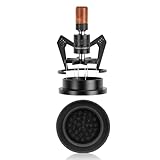
- Improve Consistency - With this WDT distribution tool, simply stir the ground coffee to break up clumps and enjoy a more even distribution before mashing. It's the perfect blend of rigidity and flexibility that makes making coffee aesthetically pleasing.The wdt tool espresso 54mm compatible with various espresso machines, such as Breville BES870/BES875/BES878/BES880 series
- Newly Ugraded, Sturdy & Durable - The handle of the coffee wdt tool is made of premium walnut wood as well as high quality anodized aluminum, and the bottom espresso stirrer holder combines a dosing funnel and Stand for storing WDT tools, keeping the space tidy while allowing for easy removal and cleaning of coffee grounds
- Adjustable Powder Needle Height - The new Mantis shape design makes it stand out on the coffee bar, and the ergonomically shaped handle ensures a strong grip and easy manual control. In addition, it can be adjusted by unscrewing the head of the handle to adjust the height of the powder needle, which makes it suitable for most coffee maker handles and very easy to operate
- Must Have For Professional Baristas - Our Mantis's espresso coffee stirrer is a customized espresso dispensing tool for professional baristas. It has been upgraded in terms of the shape of the product, the number and strength of the needles, and the position of the stirrer. It's a great addition to your coffee competitions as well as your cafe, making you more prominent in the coffee scene
- Gift For Home Baristas - The IKAPE's Mantis needles espresso stirrer is a superb gift for espresso machine users. The espresso blender utilizes Weiss Distribution Technology, a slim 0.4mm needle that perfectly eliminates coffee clumps and evenly distributes the grounds in the moving filter basket to improve the consistency of espresso extraction
5. Hire and Train Top Talent: Find passionate baristas and train them thoroughly on brewing, customer service, and your brand.
- Good looks like: Friendly, knowledgeable staff who make great drinks.
- Common mistake: Hiring anyone who can froth milk. Your team is your frontline.
6. Design an Inviting Atmosphere: Create a space that is comfortable, clean, and reflects your brand identity.
- Good looks like: A place people want to linger and return to.
- Common mistake: Ignoring decor or making the space too cramped or sterile.
7. Implement Efficient Workflow: Streamline order taking, drink preparation, and payment processes.
- Good looks like: Short wait times and smooth service, even during rushes.
- Common mistake: Disorganized stations or unclear communication between staff.
8. Market Your Business: Use social media, local partnerships, and promotions to attract customers.
- Good looks like: A steady stream of new and returning customers.
- Common mistake: Relying solely on foot traffic. You need to actively promote yourself.
9. Focus on Customer Service: Train staff to be attentive, friendly, and problem-solvers.
- Good looks like: Customers feeling valued and well-cared for.
- Common mistake: Indifferent or dismissive staff. A bad interaction can lose a customer forever.
10. Manage Inventory and Costs: Keep track of supplies, minimize waste, and control expenses.
- Good looks like: Healthy profit margins and minimal spoilage.
- Common mistake: Over-ordering or not tracking usage, leading to financial leaks.
11. Build Community: Host events, partner with local businesses, and foster a sense of belonging.
- Good looks like: A loyal customer base that feels connected to your shop.
- Common mistake: Operating in a vacuum, not engaging with the local community.
12. Continuously Improve: Solicit feedback, analyze sales data, and adapt to changing trends.
- Good looks like: A business that evolves and stays relevant.
- Common mistake: Becoming complacent. The market is always moving.
Common Mistakes (and What Happens If You Ignore Them)
| Mistake | What It Causes | Fix |
|---|---|---|
| Poor location choice | Low foot traffic, lack of visibility, difficulty attracting customers. | Thorough market research, analyze demographics and traffic patterns before signing a lease. |
| Inconsistent coffee quality | Disappointed customers, negative reviews, loss of repeat business. | Invest in quality beans, proper grinder calibration, consistent brewing methods, and staff training. |
| Uninviting atmosphere | Customers don’t stay long, no sense of community, lower sales per visit. | Focus on comfortable seating, good lighting, clean aesthetics, and music that fits your brand. |
| Inefficient workflow | Long wait times, stressed staff, errors in orders, customer frustration. | Optimize station layout, clear communication protocols, and invest in efficient equipment. |
| Neglecting customer service | Unhappy customers, bad word-of-mouth, high churn rate. | Train staff on empathy, active listening, and problem-solving; empower them to handle issues. |
| Underestimating operating costs | Cash flow problems, inability to pay bills, potential business failure. | Create a detailed budget, track expenses diligently, and have a contingency fund. |
| Lack of clear brand identity | Confused customers, difficulty standing out in a crowded market. | Define your niche, target audience, and brand message; ensure all elements reflect this. |
| Ignoring competition | Falling behind on trends, losing market share, missed opportunities. | Regularly observe competitors, understand their strengths and weaknesses, and innovate. |
| Inadequate staff training | Poor drink quality, inconsistent service, high staff turnover. | Implement comprehensive training programs for brewing, customer interaction, and operational tasks. |
| Poor inventory management | Spoilage, waste, stockouts, unnecessary expenses. | Implement a robust inventory system, track usage, and forecast demand accurately. |
| Not adapting to customer feedback | Stagnation, missed opportunities for improvement, customer dissatisfaction. | Actively seek feedback (surveys, comment cards) and use it to make informed changes. |
Decision Rules
- If a location has high foot traffic but low visibility, then prioritize strong exterior signage and marketing to draw people in because visibility is key for impulse visits.
- If your coffee is consistently excellent but service is slow, then optimize your workflow and staff training because speed is often as important as quality for customer satisfaction.
- If customers complain about the seating being uncomfortable, then invest in better chairs and tables because people won’t stay (and spend) if they’re not comfortable.
- If your specialty is single-origin pour-overs but most customers order lattes, then consider offering more approachable espresso drinks or clearly educating customers about your niche because you need to meet customer demand while staying true to your brand.
- If your inventory shows a lot of waste on perishable goods, then adjust your ordering quantities or offer specials to move product because waste directly eats into your profits.
- If social media engagement is low, then experiment with different types of content, run contests, or partner with local influencers because consistent and engaging online presence drives awareness.
- If staff morale is low, then review your management style, provide better training, or offer incentives because happy staff lead to better customer experiences.
- If rent is very high, then you must ensure your average ticket price and volume of sales can support it because high costs demand high revenue.
- If a competitor opens nearby with a similar concept, then focus on strengthening your unique selling proposition and customer loyalty programs because differentiation is crucial.
- If your busiest hours are consistently overwhelmed, then consider implementing a mobile ordering app or optimizing your staffing schedule because efficiency during peak times is paramount.
- If customers are asking for specific menu items you don’t offer, then evaluate if they align with your brand and market demand because catering to customer requests can boost sales and loyalty.
FAQ
What’s the most important factor for a coffee shop’s success?
It’s a combination, but a prime location with consistent, high-quality coffee and excellent customer service are often the core pillars. Without these, even the best marketing can’t save a business.
How much does it cost to open a coffee shop?
Costs vary wildly based on location, size, and concept, but you’re looking at anywhere from $50,000 to over $500,000 for initial setup, equipment, and operating capital. It’s a significant investment.
What kind of coffee beans should I use?
This depends on your brand. Many successful shops focus on single-origin beans from reputable roasters, highlighting specific flavor profiles. Others might opt for custom blends. Quality and consistency are key.
How do I create a welcoming atmosphere?
Think about comfort, cleanliness, and aesthetics. Good lighting, comfortable seating, appropriate music, and decor that reflects your brand all contribute to a positive vibe.
What makes a good barista?
A good barista is knowledgeable about coffee, skilled in brewing techniques, efficient, and possesses excellent customer service skills. They should be friendly and able to handle pressure.
How important is social media for a coffee shop?
Very important. It’s a primary way to connect with customers, showcase your offerings, announce specials, and build a community around your brand.
Should I offer food in my coffee shop?
It can significantly boost revenue and customer dwell time. Pastries, sandwiches, or light snacks that complement your coffee can be a great addition, but ensure you can manage the operational demands.
How do I deal with competition?
Understand your competitors, identify your unique strengths, and focus on delivering superior quality, service, and atmosphere. Building a loyal customer base is your best defense.
What if my coffee shop isn’t profitable?
Analyze your financials thoroughly. Look at your cost of goods sold, labor costs, rent, and sales volume. You might need to adjust pricing, improve efficiency, reduce waste, or rethink your marketing strategy.
How do I ensure my coffee is always good?
Invest in quality equipment, train your staff meticulously, calibrate your grinders daily, use fresh, high-quality beans, and implement strict quality control checks for every drink.
What This Page Does Not Cover (And Where to Go Next)
- Detailed financial projections and funding strategies. (Look into small business loans and financial planning resources.)
- Specific equipment reviews and brand recommendations. (Consult industry publications and equipment suppliers.)
- Legal aspects of opening a business, such as permits and licenses. (Contact your local chamber of commerce or business licensing department.)
- Advanced marketing and branding techniques. (Explore digital marketing courses and branding workshops.)
- Staff management and HR best practices. (Seek out HR consulting or management training programs.)