
Quick And Delicious: Making Instant Coffee Drinks
Quick Answer
- Use high-quality instant coffee for better flavor.
- Always start with fresh, filtered water.
- Heat water to the right temperature, typically just off the boil.
- Measure your coffee and water precisely for consistency.
- Stir thoroughly to ensure the coffee is fully dissolved.
- Experiment with add-ins like milk, cream, or sweeteners to customize your drink.
- Keep your brewing tools clean to prevent off-flavors.
Who This Is For
- Busy individuals who need a fast coffee solution.
- Anyone looking for a convenient way to enjoy coffee without a complex brewing setup.
- Travelers or those with limited kitchen space who still want a good cup of coffee.
What to Check First
Instant Coffee Type and Quality
The type of instant coffee you use is the most significant factor in the final taste. Look for brands that emphasize quality, often described as “specialty grade” or made from 100% Arabica beans. Freeze-dried coffee generally retains more flavor than spray-dried.
The type of instant coffee you use is the most significant factor in the final taste. For a superior cup, consider a high-quality specialty instant coffee like this one, often made from 100% Arabica beans.
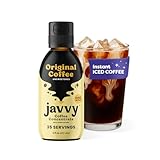
- SMOOTH, CAFÉ-STYLE FLAVOR: Enjoy ultra-smooth cold brew coffee with rich Arabica flavor and no harsh aftertaste. Crafted for iced coffee lovers who want balanced taste, clean ingredients, and a consistently satisfying coffee concentrate experience.
- QUICK & EASY PREP: Make café-inspired cold brew, ice coffee, lattes, decaf, or hot coffee in seconds. Just mix a teaspoon into water or milk for a customizable coffee cold brew experience that fits busy mornings, office breaks, or afternoon resets.
- CUSTOMIZABLE CAFFEINE BOOST: Each serving delivers approximately 80mg of caffeine, giving you the flexibility to create your ideal strength. Enjoy bold espresso concentrate flavor, smooth instant coffee, or dilute for a lighter cold brew experience.
- PREMIUM INGREDIENTS: Brewed with ethically sourced 100% Arabica beans, purified water, and natural flavors. This coffee concentrate liquid contains no sugar, artificial fillers, preservatives, or unnecessary additives for a cleaner cup every time.
- MORE SERVINGS, MORE VERSATILITY: Each bottle makes up to 35 servings of organic cold brew style coffee beverages, giving you more ways to enjoy your favorite drinks. Perfect for iced coffee, cappuccinos, cocktails, protein shakes, and more.
Water Quality and Temperature
Your coffee is mostly water, so its quality matters. Filtered tap water or bottled spring water is ideal. Avoid distilled water, as it lacks the minerals that contribute to good flavor extraction. For temperature, aim for water that is just off the boil, around 195-205°F (90-96°C). Boiling water can scald the coffee grounds and create a bitter taste.
Coffee-to-Water Ratio
Getting the ratio right is key to avoiding coffee that is too weak or too strong. A common starting point is one to two teaspoons of instant coffee per 6 oz of water. However, this can vary significantly by brand and personal preference. Always check the packaging for recommended ratios.
Cleanliness of Utensils
Even with instant coffee, clean mugs, spoons, and any other tools are essential. Residue from previous drinks or even dust can impart unwanted flavors. Regularly wash your coffee-making accessories with soap and water.
Step-by-Step: How to Make the Instant Coffee Drink
1. Gather your ingredients and tools.
- What to do: Have your chosen instant coffee, fresh water, mug, and measuring tools ready.
- What “good” looks like: Everything is within easy reach and clean.
- Common mistake: Rushing and realizing you’re missing an ingredient or utensil midway.
- How to avoid: Set up your “brew station” before you start heating water.
2. Measure your instant coffee.
- What to do: Use a measuring spoon to scoop the recommended amount of instant coffee into your mug.
- What “good” looks like: An accurate measurement according to the coffee’s packaging or your preference.
- Common mistake: Eyeballing the amount, leading to inconsistent strength.
- How to avoid: Use a level teaspoon or the scoop provided with your coffee if available.
3. Heat your water.
- What to do: Heat fresh, filtered water to the optimal temperature range (195-205°F or 90-96°C).
- What “good” looks like: Water that is hot but not actively boiling. If using a kettle, let it sit for about 30-60 seconds after it boils.
- Common mistake: Using boiling water, which can burn the coffee.
- How to avoid: Use a thermometer, or let your kettle rest for a minute after it stops whistling.
4. Add a small amount of hot water to the coffee.
- What to do: Pour just enough hot water (about 1-2 tablespoons) into the mug with the instant coffee to create a paste.
- What “good” looks like: A smooth, thick paste with no dry clumps of coffee.
- Common mistake: Adding all the water at once, which can result in undissolved coffee at the bottom.
- How to avoid: This initial small pour helps pre-dissolve the coffee crystals.
5. Stir the paste.
- What to do: Stir the coffee paste vigorously until it’s smooth and homogenous.
- What “good” looks like: A uniform, dark liquid with no visible coffee granules.
- Common mistake: Not stirring enough, leaving behind dry pockets of coffee.
- How to avoid: Use a small whisk or the back of your spoon to ensure all the coffee is incorporated.
6. Add the remaining hot water.
- What to do: Slowly pour the rest of the hot water into the mug, stirring as you go.
- What “good” looks like: A fully liquid coffee mixture without any clumps.
- Common mistake: Pouring too quickly, which can cause splashing or uneven mixing.
- How to avoid: Pour gently and continue stirring until the coffee is fully dissolved.
7. Add milk, cream, or sweeteners (optional).
- What to do: Stir in your preferred additions to taste.
- What “good” looks like: Your coffee is now at your desired flavor and sweetness.
- Common mistake: Adding too much at once, overpowering the coffee flavor.
- How to avoid: Start with a small amount and add more gradually until you achieve your perfect taste.
8. Enjoy your instant coffee drink.
- What to do: Sip and savor your quickly made beverage.
- What “good” looks like: A satisfying cup of coffee, made efficiently.
- Common mistake: Not taking a moment to appreciate the speed and convenience.
- How to avoid: This step is all about enjoyment!
Common Mistakes (and What Happens If You Ignore Them)
| Mistake | What It Causes | Fix |
|---|---|---|
| Using boiling water | Bitter, scalded coffee taste | Let water cool for 30-60 seconds after boiling. |
| Not dissolving coffee fully | Gritty texture, undissolved coffee at the bottom | Stir into a paste first, then add water and stir thoroughly. |
| Using stale or poor-quality coffee | Weak, flat, or off-flavor | Use fresh, high-quality instant coffee, preferably freeze-dried. |
| Using tap water with strong flavors | Off-notes in the coffee | Use filtered or bottled spring water. |
| Incorrect coffee-to-water ratio | Coffee too weak or too strong | Follow package directions or experiment to find your preferred ratio. |
| Not cleaning utensils | Lingering flavors from previous drinks | Wash mugs and spoons thoroughly after each use. |
| Adding all water at once | Difficulty dissolving, potential for clumps | Pre-dissolve coffee in a small amount of hot water first. |
| Using water that’s too cool | Coffee doesn’t dissolve well, weak flavor | Ensure water is within the 195-205°F (90-96°C) range. |
| Over-sweetening or over-creaming | Coffee flavor is masked | Add sweeteners and creamers gradually, tasting as you go. |
| Not storing instant coffee properly | Loss of flavor and aroma, clumping | Store in an airtight container in a cool, dry place. |
Decision Rules for Instant Coffee Drinks
- If your instant coffee tastes bitter, then your water was likely too hot because boiling water can scald the coffee crystals.
- If you notice undissolved coffee at the bottom of your mug, then you didn’t stir enough or add the water gradually because proper dissolution requires attention.
- If your coffee tastes weak, then you may need more instant coffee or less water because the ratio is crucial for strength.
- If your coffee has an unpleasant chemical taste, then your water quality might be the issue because tap water with strong mineral content can affect flavor.
- If your instant coffee has clumped in the jar, then it has likely absorbed moisture and may have lost some flavor because humidity is the enemy of dry goods.
- If you’re making multiple cups, then consider pre-heating your mugs to keep the coffee warmer for longer because cold mugs can rapidly cool your drink.
- If you want a richer flavor, then try using a higher-quality instant coffee brand because not all instant coffees are created equal.
- If you prefer a cold instant coffee drink, then dissolve the coffee in a small amount of hot water first before adding cold water and ice because it dissolves much better in hot liquid.
- If you want to add milk or cream and avoid a “skin” forming, then add it towards the end of the brewing process, after the coffee is fully dissolved.
- If you find your instant coffee has a “stale” taste, then check the expiration date or consider how it’s been stored because exposure to air and light degrades flavor.
FAQ
Q: What is the best type of instant coffee?
A: Freeze-dried instant coffee made from 100% Arabica beans is generally considered to have the best flavor. Look for brands that specify their bean origin or quality.
Q: Can I use cold water to make instant coffee?
A: While you can technically use cold water, it’s much harder for the coffee crystals to dissolve. It’s best to dissolve instant coffee in a small amount of hot water first, then add cold water and ice if you want an iced coffee.
Q: How much instant coffee should I use?
A: A common starting point is one to two teaspoons per 6 oz of water, but this varies greatly by brand. Always check the packaging for the manufacturer’s recommendations and adjust to your personal taste.
Q: Why does my instant coffee taste bitter?
A: The most common reason for bitterness is using water that is too hot. Water just off the boil (195-205°F or 90-96°C) is ideal. Over-stirring can also sometimes contribute to bitterness.
Q: How should I store my instant coffee?
A: Store instant coffee in an airtight container in a cool, dry place away from direct sunlight. This helps preserve its freshness and prevent it from absorbing odors or moisture.
Q: Can I make “gourmet” drinks with instant coffee?
A: Absolutely! Instant coffee is a great base for many drinks. You can add frothed milk, flavored syrups, whipped cream, or even blend it into smoothies for a coffee boost.
Q: Is instant coffee healthy?
A: Instant coffee contains similar antioxidants to brewed coffee. The health impact often depends more on what you add to it, such as sugar and cream.
Q: How do I avoid clumps in my instant coffee?
A: The key is to dissolve the coffee properly. Start by mixing the instant coffee with a small amount of hot water to form a paste, then stir thoroughly before adding the rest of your liquid.
What This Page Does Not Cover (and Where to Go Next)
- Detailed comparisons of specific instant coffee brands and their flavor profiles.
- Advanced techniques for creating latte art or complex coffee beverages.
- The science behind coffee bean processing and instant coffee production.
- Recipes for coffee-based desserts or baked goods.