
Making a Coffee Shot Using Instant Coffee
Quick answer
- Use good quality instant coffee. Don’t skimp here.
- Measure your coffee and water precisely. It matters, even with instant.
- Start with hot, but not boiling, water. Boiling water can scorch the coffee.
- Stir until fully dissolved. No gritty bits allowed.
- Taste and adjust. This is your shot.
- Serve it hot.
Who this is for
- The busy bee who needs a quick caffeine fix.
- Anyone who’s run out of their favorite whole beans.
- Campers and travelers who need a simple brew on the go.
What to check first
Brewer type and filter type
This is a bit different for instant coffee. You don’t really need a “brewer” in the traditional sense. It’s more about your vessel. A mug, a heat-safe glass, or even a travel tumbler will do. No paper filters needed here, which is a nice change of pace. Just make sure your vessel is clean.
Water quality and temperature
Tap water is usually fine, but if yours tastes funky, your instant coffee will too. Filtered water is your friend. For temperature, aim for just off the boil. Around 185-195°F (85-90°C) is ideal. Boiling water can make instant coffee taste bitter. Let it sit for about 30 seconds after it boils.
Grind size and coffee freshness
For instant coffee, there’s no grind size to worry about. It’s already processed. The “freshness” is more about how it’s been stored. Keep your instant coffee in an airtight container away from light and moisture. Old, clumpy instant coffee won’t taste great, no matter what you do.
Coffee-to-water ratio
This is key. A good starting point is about 1-2 teaspoons of instant coffee per 6-8 ounces of water. But this is where personal preference really kicks in. Some folks like it strong, some like it mellow. Don’t be afraid to experiment. I usually start with a heaping teaspoon and go from there.
For precise measurements, consider using a dedicated coffee measuring spoon. This ensures consistent strength every time.
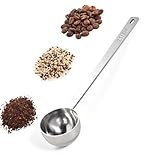
- [Why can Doosu coffee scoop withstand daily use without rusting or bending?] Crafted from 18/8 food-grade stainless steel, Doosu long handle coffee scoop is rust-proof, and built to last. Featuring a 2.5mm thick handle and a 0.7mm thick scoop bowl, the tablespoon scoop won’t bend or break easily when scooping dense powders. The reinforced handle provides a firm and reliable grip, while the scoop bowl maintains its shape even with regular use.
- [Why does Doosu design coffee spoon with a long handle?] Doosu 8.6in long spoon with 6.9in handle allows for easy reach into deep canisters or tall jars. No need to tip the container or dig around awkwardly, making it easier to scoop out ingredients without spilling. Unlike short-handled scoops that tend to slip into the container, our long handle tablespoon scoop always within easy reach. With a hanging hole, the coffee measuring scoop stores neatly on kitchen hooks.
- [Why should a coffee measuring spoon have engraved measurements?] Unlike printed markings that can fade or wear off over time, the deeply engraved markings for tablespoons (TBSP) and milliliters (ML) are permanent, Whether you're scooping ground coffee, loose tea, protein powder, you'll always have clear, precise measurements at your fingertips. This ensures consistent brewing and a balanced flavor every time.
- [Why limit this scoop to just coffee?] Doosu tablespoon measuring spoon is an essential tool for baking, meal prep, or portioning out ingredients. You can use it to measure tea, sugar, flour, protein powder, baking soda, spices. Also handy for scooping any powdered mix needed for drinks such as hot chocolate, matcha, or milk powder, and measuring syrup, juice for preparing homemade cocktails. It also serves as a laundry scoop to measure and dispense powdered or granular detergents.
- [Why dose Doosu focus on polishing the edges of coffee scoop?] Both the scoop bowl and handle have been carefully polished, ensuring no sharp or rough edges. This attention to design detail enhances comfortable grip during daily use. Plus, coffee grounds or other ingredients won't stick to the smooth, polished surface. It not only adds a sleek look but also makes it easy to clean. You can simply rinse it under water for a quick wash, and also dishwasher-safe.
Cleanliness/descale status
Even though you’re not using a complex machine, cleanliness still matters. Make sure your mug or vessel is spotless. Any residue from previous drinks can affect the taste. If you’re using a kettle to heat water, ensure it’s also descaled. A clean setup means a clean taste.
Step-by-step (brew workflow)
1. Gather your supplies.
- What to do: Get your mug, instant coffee, measuring spoon, and kettle or water source.
- What “good” looks like: Everything is within easy reach. No frantic searching.
- Common mistake: Forgetting the spoon. You’ll end up using your fingers. Avoid this.
2. Heat your water.
- What to do: Heat fresh, filtered water to just below boiling (185-195°F or 85-90°C).
- What “good” looks like: The water is hot but not actively bubbling.
- Common mistake: Using boiling water. This can scald the coffee and make it bitter. Let it rest for 30 seconds after boiling.
3. Measure your instant coffee.
- What to do: Spoon the desired amount of instant coffee into your mug. Start with 1-2 teaspoons per 6-8 oz water.
- What “good” looks like: The coffee is measured accurately for your taste.
- Common mistake: Eyeballing it. This leads to inconsistent results. Use a measuring spoon.
4. Add a splash of hot water.
- What to do: Pour just enough hot water into the mug to cover the coffee grounds.
- What “good” looks like: The coffee starts to dissolve and form a paste.
- Common mistake: Adding all the water at once. This can lead to undissolved clumps.
5. Stir to create a paste.
- What to do: Stir the coffee and water mixture until it forms a smooth, concentrated paste.
- What “good” looks like: A thick, even paste with no dry spots.
- Common mistake: Not stirring enough. This leaves dry coffee bits that won’t dissolve later.
6. Add the remaining hot water.
- What to do: Slowly pour the rest of the hot water into the mug.
- What “good” looks like: The coffee is fully incorporated into the water.
- Common mistake: Pouring too fast. This can create splashes and uneven mixing.
7. Stir until fully dissolved.
- What to do: Stir thoroughly until all the instant coffee is completely dissolved and no granules remain.
- What “good” looks like: A smooth, clear liquid. No grit at the bottom.
- Common mistake: Rushing this step. Undissolved coffee is unpleasant. Keep stirring.
8. Taste and adjust.
- What to do: Take a small sip. Add more coffee for strength or a bit more hot water to mellow it out.
- What “good” looks like: The flavor is to your liking.
- Common mistake: Not tasting. You might end up with a brew that’s too weak or too strong.
9. Add sweetener or creamer (optional).
- What to do: Stir in sugar, milk, or your preferred additions.
- What “good” looks like: Everything is well combined.
- Common mistake: Adding too much at once. You can always add more.
10. Serve immediately.
- What to do: Enjoy your hot coffee shot.
- What “good” looks like: A satisfying warm beverage.
- Common mistake: Letting it sit too long. Instant coffee is best fresh.
Common mistakes (and what happens if you ignore them)
| Mistake | What it causes | Fix |
|---|---|---|
| Using boiling water | Bitter, scorched coffee taste | Let water cool for 30 seconds after boiling. |
| Not measuring coffee | Inconsistent strength, weak or too strong | Use a measuring spoon for accuracy. |
| Not stirring the paste | Undissolved clumps, gritty texture | Stir coffee and a little water into a smooth paste first. |
| Using stale instant coffee | Flat, dull, or off-flavors | Store in an airtight container, check expiration dates. |
| Using poor quality water | Off-flavors that mask the coffee | Use filtered or good-tasting tap water. |
| Not dissolving completely | Gritty mouthfeel, unpleasant taste | Stir thoroughly until no granules remain. |
| Using a dirty mug | Lingering stale flavors | Wash your mug thoroughly before brewing. |
| Adding all water at once | Difficulty dissolving, potential for clumps | Start with a small amount of water to create a paste, then add more. |
| Not tasting and adjusting | Unhappy with the final flavor | Taste and adjust coffee or water to your preference. |
| Using cold water | Coffee won’t dissolve properly | Use hot water (just off the boil). |
Decision rules (simple if/then)
- If the coffee tastes bitter, then reduce the water temperature slightly next time because hotter water can scald the coffee.
- If the coffee is too weak, then add more instant coffee next time because a higher ratio creates a stronger brew.
- If the coffee has a gritty texture, then stir more thoroughly next time because undissolved granules cause this.
- If the coffee tastes flat, then check the freshness of your instant coffee and how it’s stored because old coffee loses its flavor.
- If you’re in a hurry, then skip the sweetener for now and add it later because stirring it in takes extra time.
- If your tap water tastes bad, then use filtered water because water quality significantly impacts coffee flavor.
- If you want a stronger “shot,” then use a higher coffee-to-water ratio because more coffee means more intensity.
- If you’re making multiple cups, then heat more water at once because it’s more efficient.
- If you notice sediment at the bottom, then stir longer next time because it means the coffee didn’t fully dissolve.
- If you want to experiment, then try different brands of instant coffee because they all have unique flavor profiles.
FAQ
Can I use cold water?
No, instant coffee really needs hot water to dissolve properly. Cold water will leave you with a gritty, undissolved mess.
How much instant coffee should I use?
A good starting point is 1-2 teaspoons per 6-8 ounces of water. But this is totally up to your taste. Experiment to find what you like best.
Does the brand of instant coffee matter?
Yes, it absolutely does. Higher quality instant coffee will generally taste much better. Some brands are designed for a smoother, richer flavor.
Can I make an “espresso shot” with instant coffee?
You can make a very concentrated, strong coffee shot. It won’t have the crema of true espresso, but it can give you a similar caffeine kick and intensity.
What’s the best way to store instant coffee?
Keep it in an airtight container, away from heat, light, and moisture. This helps preserve its flavor and prevent clumping.
Why does my instant coffee taste bitter?
It’s likely from using water that was too hot, or the coffee itself might be of lower quality. Try slightly cooler water next time.
Can I add anything to my instant coffee shot?
Absolutely. Sweeteners, milk, cream, or even a dash of cinnamon are all great additions. Just stir them in after the coffee is dissolved.
What this page does NOT cover (and where to go next)
- Making traditional espresso with an espresso machine.
- Brewing coffee using pour-over or drip methods.
- The science behind coffee bean roasting and grinding.
- Detailed reviews of specific instant coffee brands.