
Prepare a Flavorful Coffee Crusted Steak
Quick answer
- Use a coarse grind for your coffee rub.
- Don’t press the coffee grounds too hard onto the steak.
- Sear the steak at high heat to crust it up.
- Let the steak rest after cooking.
- Use a good quality, dark roast coffee.
- Season the steak well before applying the rub.
Who this is for
- Home cooks looking to try something new with steak.
- Anyone who loves coffee and wants to pair it with savory dishes.
- Grilling enthusiasts wanting to add a unique flavor profile.
What to check first
Steak Cut and Thickness
Pick a good cut. Ribeye, New York strip, or sirloin work well. Aim for at least 1 inch thick. Thinner steaks cook too fast for a good crust.
Coffee Type and Grind
Use whole beans, not pre-ground. A dark roast brings out the best coffee flavor. Grind them coarsely, like coarse sea salt. Too fine, and it’ll burn.
For the best flavor and texture, consider using a high-quality coarse ground coffee. This will prevent bitterness and ensure a perfect crust.
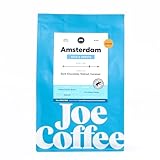
- Rich, sweet, and comforting, Amsterdam is the perfect drip coffee option for those who seek a deeper roast profile.
- We select the components for this coffee for their ability to stand up to a more developed roast, without ever tasting over-roasted or smoky. Instead, we pull out classic notes of chocolate, nut, and toffee.
- One 12 ounce bag
Other Seasonings
Salt and pepper are your base. Garlic powder, onion powder, maybe a touch of chili powder or smoked paprika. These build the flavor foundation.
Cooking Method
Pan-searing or grilling are your best bets. You need high, direct heat to get that crust. Oven finishing is okay, but start with direct heat.
Step-by-step (brew workflow) – Wait, this is steak. Let’s call it the “Flavor Workflow”
1. Prep the Steak: Pat your steak completely dry with paper towels. This is crucial for a good sear.
- Good looks like: A dry surface, ready for seasoning.
- Mistake: Leaving it wet. It’ll steam instead of sear.
2. Season Generously: Apply salt and freshly ground black pepper to all sides. Be liberal.
- Good looks like: Even coverage, no bare spots.
- Mistake: Under-seasoning. The coffee is strong; it needs backup.
3. Prepare the Coffee Rub: In a small bowl, combine your coarsely ground coffee with other desired spices (garlic powder, onion powder, etc.).
- Good looks like: A fragrant, well-mixed blend.
- Mistake: Using finely ground coffee. It’ll taste bitter and burn easily.
4. Apply the Rub: Gently press the coffee rub onto both sides of the steak. Don’t pack it on.
- Good looks like: A light, even coating of grounds.
- Mistake: Pushing too hard. You want it to stick, not embed.
5. Heat Your Pan/Grill: Get your cast-iron skillet or grill screaming hot over medium-high to high heat. Add a high-smoke-point oil like avocado or canola oil.
- Good looks like: Shimmering oil, a slight wisp of smoke.
- Mistake: Not hot enough. You’ll get a grey, sad steak.
6. Sear the Steak: Carefully place the steak in the hot pan or on the grill. Sear for 2-4 minutes per side, depending on thickness.
- Good looks like: A dark, crisp crust forming.
- Mistake: Moving it too soon. Let it develop that crust.
7. Reduce Heat (Optional, for thicker steaks): If your steak is thick and needs more cooking time, you can reduce the heat slightly or move it to a cooler part of the grill.
- Good looks like: Controlled cooking without burning the crust.
- Mistake: Keeping heat too high, burning the outside before the inside is done.
8. Cook to Desired Doneness: Continue cooking, flipping occasionally, until the steak reaches your preferred internal temperature. Use a meat thermometer.
- Good looks like: The thermometer reading your target temp (e.g., 130-135°F for medium-rare).
- Mistake: Guessing doneness. Thermometers are your friend.
9. Rest the Steak: Transfer the steak to a cutting board and let it rest for 5-10 minutes. Tent loosely with foil if you like.
- Good looks like: Juices pooling slightly on the board, not running out.
- Mistake: Cutting into it immediately. The juices will run out, leaving it dry.
10. Slice and Serve: Slice against the grain and enjoy.
- Good looks like: Tender, flavorful slices.
- Mistake: Slicing with the grain. It makes the steak chewy.
Common mistakes (and what happens if you ignore them)
| Mistake | What it causes | Fix |
|---|---|---|
| Using pre-ground coffee | Bitter taste, uneven crust, burnt bits | Grind fresh whole beans just before use. |
| Using finely ground coffee | Burns easily, can become pasty, bitter flavor | Aim for a coarse grind, like sea salt. |
| Not patting steak dry | Steams instead of sears, prevents crust formation | Use paper towels to thoroughly dry the steak surface. |
| Under-seasoning the steak | Coffee flavor overpowers everything, steak tastes bland | Season generously with salt and pepper before applying the coffee rub. |
| Packing the coffee rub on too hard | Grounds can burn, creates a dense, unpleasant texture | Gently press the rub onto the steak. |
| Pan/grill not hot enough | Steak doesn’t sear, turns grey, lacks crust | Preheat your cooking surface thoroughly over medium-high to high heat. |
| Moving steak too early during searing | Prevents a good crust from forming | Let the steak sear undisturbed for 2-4 minutes per side. |
| Not resting the steak | Juices run out, steak becomes dry and less flavorful | Let the steak rest for 5-10 minutes after cooking before slicing. |
| Slicing with the grain | Steak is tough and chewy | Identify the grain direction and slice perpendicular to it. |
| Using a very light roast coffee | Lacks the robust flavor needed to stand up to steak and searing | Opt for a medium to dark roast for the best coffee flavor profile. |
| Overcrowding the pan/grill | Lowers cooking temperature, causes steaming, prevents good crust | Cook steaks in batches if necessary, ensuring space around each one. |
| Not cleaning the coffee grounds off | Can make the next bite overly intense or bitter | Some grounds will naturally fall off, but don’t scrape hard to remove all. |
Decision rules (simple if/then)
- If your steak is thinner than 1 inch, then use a slightly shorter searing time because it will cook through faster.
- If you’re pan-searing, then use a cast-iron skillet because it holds heat exceptionally well for a good crust.
- If you prefer a bolder coffee flavor, then use a darker roast and slightly more coffee in your rub because darker roasts have more intense coffee notes.
- If you want to reduce bitterness, then make sure your coffee grind is coarse and your searing temperature is high enough to crisp the grounds, not burn them.
- If you’re cooking for a crowd, then pre-heat your grill to accommodate multiple steaks at once because consistent high heat is key.
- If you find the coffee flavor too strong, then next time, use less coffee or a lighter roast because you can adjust the ratio.
- If you’re unsure about doneness, then use an instant-read meat thermometer because it’s the most reliable way to hit your target.
- If your steak seems to be burning on the outside before the inside is done, then reduce the heat slightly or finish in the oven because direct heat can be intense.
- If you notice the coffee grounds are sticking too much, then try applying them with slightly damp hands or a brush because too much pressure can embed them.
- If you’re sensitive to caffeine, then remember this rub contains coffee and adjust accordingly because it will contribute to your intake.
- If your steak is very lean, then consider adding a bit more oil during searing because lean cuts benefit from extra lubrication.
FAQ
What kind of coffee should I use for a coffee crusted steak?
Use whole coffee beans, preferably a dark roast. Grind them yourself just before cooking to a coarse consistency, similar to sea salt. This ensures the best flavor and prevents burning.
How coarse should the coffee grind be?
You want a coarse grind. Think of it like coarse sea salt or even slightly larger. Too fine a grind will burn easily and can make the crust bitter or pasty.
Can I use pre-ground coffee?
It’s highly recommended not to. Pre-ground coffee loses its volatile oils quickly, resulting in a less vibrant flavor. Plus, the grind consistency is often too fine for this application.
How long do I sear the steak?
For a 1-inch thick steak, aim for about 2-4 minutes per side over high heat. Adjust based on the thickness of your steak and how quickly your pan or grill heats up.
Will my steak taste like bitter coffee?
Not if done correctly. The high heat of searing crisps the coffee grounds, mellowing their bitterness and bringing out a rich, roasted flavor that complements the beef. Proper seasoning is also key.
How do I know when the steak is done?
The most reliable way is to use an instant-read meat thermometer. For medium-rare, aim for an internal temperature of 130-135°F. Always factor in carryover cooking during the rest period.
Can I make the coffee rub ahead of time?
Yes, you can mix the dry ingredients for the rub ahead of time and store them in an airtight container. However, it’s best to grind the coffee beans just before you plan to use them for maximum freshness.
What if I don’t have a cast-iron skillet?
A heavy-bottomed stainless steel pan or a very hot grill will also work. The key is maintaining high, consistent heat to achieve a good sear and crust.
What this page does NOT cover (and where to go next)
- Specific cooking times for every steak thickness and doneness level. (Next: Consult a detailed steak cooking chart.)
- Advanced techniques like reverse searing with a coffee crust. (Next: Explore guides on reverse searing.)
- Pairing suggestions for side dishes or wine. (Next: Look for steak pairing recommendations.)
- Detailed explanations of Maillard reactions or coffee chemistry. (Next: Dive into culinary science resources.)
- Recipes for using leftover coffee grounds in other culinary applications. (Next: Search for recipes using coffee grounds.)