
Perfect French Press Coffee Every Time
Quick answer
- Use fresh, whole beans, ground coarse right before brewing.
- Heat water to 195-205°F, just off the boil.
- Aim for a 1:15 coffee-to-water ratio (e.g., 2 oz coffee to 30 oz water).
- Bloom the grounds for 30 seconds before adding the rest of the water.
- Steep for 4 minutes, then press slowly and steadily.
- Clean your press thoroughly after each use.
Who this is for
- Anyone who loves rich, full-bodied coffee.
- Home brewers looking to master a classic method.
- People who appreciate a hands-on approach to their morning cup.
What to check first
Brewer type and filter type
You’ve got a French press. That means a carafe and a plunger with a mesh filter. It’s a simple setup. No paper filters here, which is why the grind size is so darn important. A fine grind will slip through the mesh and make a muddy mess.
Water quality and temperature
Your coffee is mostly water, right? So, good water means good coffee. If your tap water tastes funky, your coffee will too. Consider filtered water. For temperature, you want it hot, but not boiling. Boiling water can scorch the grounds. Aim for that sweet spot between 195°F and 205°F. Let your kettle sit for about 30 seconds after it boils. That’s usually about right.
Grind size and coffee freshness
This is huge for French press. You need a coarse, even grind. Think breadcrumbs or coarse sea salt. Pre-ground coffee goes stale fast. Grab whole beans and grind them just before you brew. Seriously, it makes a world of difference. Freshness is king.
For the freshest taste, we recommend using high-quality whole coffee beans and grinding them just before brewing. This makes a huge difference in your final cup.
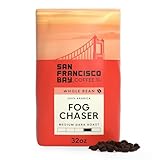
- Our iconic Fog Chaser is a blend of dark and medium roasted beans which results in a enjoyable medium dark roast coffee. It's a great combination of flavor, balance and smoothness that will chase away even the thickest morning fog.
- For finest taste, store in a cool, dark place and grind beans just berfore brewing
- QUALITY COFFEE: San Francisco Bay Coffee uses only 100% arabica coffee and certified Kosher coffee beans. Hand picked and grown in high altitude. We're so confident you'll love it, we back it with a satisfaction guarantee.
- SUSTAINABLY AND ECO- FARMED COFFEE: We offer a wide selection of sustainably grown, sourced, and packaged coffee from whole bean to ground, flavored to decaf, and much more.
- SF BAY COFFEE is a family owned, American made company with a rich tradition. Our reputation reflects on us as a family so if you're ever not happy with your purchase, call us and we'll make it right.
Coffee-to-water ratio
This is your recipe. A good starting point is 1:15. That means for every 1 gram of coffee, use 15 grams of water. Or, in US units, about 2 tablespoons of coffee for every 6 ounces of water. You can play with this. Want it stronger? Use a little more coffee. Weaker? A little less. Don’t overthink it at first.
Cleanliness/descale status
Your French press needs to be clean. Old coffee oils can make your fresh brew taste bitter or rancid. Give it a good scrub after every use. If you have hard water, you might need to descale it occasionally. Check your manufacturer’s instructions for that. A clean press is a happy press.
Step-by-step (brew workflow)
1. Heat your water.
- What to do: Get your water to the target temperature (195-205°F).
- What “good” looks like: Steam is rising, but it’s not a rolling boil.
- Common mistake: Using boiling water. Avoid this by letting it cool for 30 seconds.
2. Grind your coffee beans.
- What to do: Grind your whole beans to a coarse consistency.
- What “good” looks like: Grounds resemble coarse sea salt or breadcrumbs.
- Common mistake: Grinding too fine. This leads to a gritty cup. Use a burr grinder if you can.
3. Add coffee to the press.
- What to do: Put your freshly ground coffee into the bottom of the French press carafe.
- What “good” looks like: The coffee bed is even.
- Common mistake: Not measuring your coffee. Eyeballing it leads to inconsistent results. Use a scale or measuring spoons.
For consistent results, accurately measure your coffee. A reliable coffee scale can help you achieve the perfect coffee-to-water ratio every time.

- Barista-Level Precision: A 0.1g high-precision sensor with a rapid refresh rate responds instantly to changes in weight, helping you achieve consistent results across espresso, pour over, drip coffee, Chemex, V60, and filter coffee brewing.
- Integrated Brew Timer: A built-in count-up and count-down timer tracks bloom, extraction, and espresso shots. Ideal for dialing in espresso, timing Chemex and V60 pour over recipes, or steeping tea. Auto-shutoff helps preserve battery life between brews.
- Durable Waterproof Silicone Cover: The heat-resistant, dishwasher-safe silicone cover helps protect the coffee scale's spacious 5.25" x 5.25" weighing surface from splashes, spills, and hot equipment. The grooved surface provides added stability and makes cleanup quick and easy.
- Versatile Measurement Options: Quick-tare and 6 unit options make it easy to weigh coffee beans, espresso shots, matcha portions, and more. Choose from g, ml, lb, lb:oz, oz, and fl oz for added flexibility in the kitchen and coffee bar.
- Intuitive Design: A bright dual-color LCD display clearly separates weight and timer readings, while simple controls make daily brewing easy. Includes 3 AAA batteries and is backed by 5 years of coverage, with support from our St. Louis-based team whenever you need a hand.
4. Bloom the coffee.
- What to do: Pour just enough hot water over the grounds to saturate them.
- What “good” looks like: The coffee grounds puff up and release CO2, looking like a “bloom.”
- Common mistake: Skipping this step. Blooming allows gases to escape, leading to a more even extraction.
5. Wait 30 seconds.
- What to do: Let the bloom happen.
- What “good” looks like: The bubbling subsides a bit.
- Common mistake: Pouring the rest of the water too soon. Patience here pays off.
6. Add the remaining water.
- What to do: Gently pour the rest of your hot water into the carafe.
- What “good” looks like: All the grounds are submerged.
- Common mistake: Pouring too aggressively. This can agitate the grounds unevenly.
7. Stir gently (optional).
- What to do: Some people like to give it a gentle stir to ensure all grounds are wet.
- What “good” looks like: A quick, light stir.
- Common mistake: Over-stirring. This can break up the grounds and lead to fines.
8. Place the lid on.
- What to do: Put the lid on the carafe, but don’t press the plunger down yet.
- What “good” looks like: The lid is seated properly.
- Common mistake: Forgetting to put the lid on. This lets heat escape.
9. Steep for 4 minutes.
- What to do: Let the coffee and water sit. Set a timer.
- What “good” looks like: The coffee is extracting.
- Common mistake: Steeping too long or too short. 4 minutes is the standard. Adjust for taste.
10. Press the plunger.
- What to do: Slowly and steadily press the plunger all the way down.
- What “good” looks like: Smooth, even resistance.
- Common mistake: Pressing too fast. This forces fines through and can make the coffee bitter.
11. Serve immediately.
- What to do: Pour the coffee into your mug right away.
- What “good” looks like: You’re enjoying your coffee.
- Common mistake: Leaving coffee in the press. It will continue to extract and become over-extracted and bitter.
12. Clean your press.
- What to do: Disassemble and wash all parts.
- What “good” looks like: No coffee grounds or oily residue.
- Common mistake: Not cleaning it. This ruins future brews.
Common mistakes (and what happens if you ignore them)
| Mistake | What it causes | Fix |
|---|---|---|
| Using pre-ground coffee | Muddy, bitter, weak, or stale taste | Grind fresh, whole beans right before brewing. |
| Grinding too fine | Gritty coffee, sediment in cup, over-extraction | Use a coarse grind, like sea salt. |
| Using boiling water | Scorched coffee, bitter taste | Let water cool for 30 seconds after boiling. |
| Incorrect coffee-to-water ratio | Too strong or too weak coffee | Start with 1:15 ratio and adjust to taste. |
| Not blooming the coffee | Uneven extraction, gassy taste | Let grounds bloom for 30 seconds after first pour. |
| Steeping too long | Bitter, over-extracted coffee | Stick to a 4-minute steep time. |
| Pressing the plunger too fast | Sediment in cup, bitter taste | Press slowly and steadily. |
| Leaving coffee in the press | Over-extraction, bitter taste | Pour all coffee immediately after pressing. |
| Not cleaning the press | Bitter, rancid taste in future brews | Wash thoroughly after every use. |
| Using poor quality water | Off-flavors in coffee | Use filtered or good-tasting tap water. |
Decision rules (simple if/then)
- If your coffee tastes weak, then increase the coffee-to-water ratio because you’re not using enough grounds.
- If your coffee tastes bitter, then check your grind size and steep time because they might be too fine or too long.
- If you see a lot of sediment in your cup, then ensure your grind is coarse enough and you’re pressing slowly because fines are getting through.
- If your coffee tastes sour, then check your water temperature; it might not be hot enough for proper extraction.
- If you notice a stale taste, then make sure you’re using fresh beans and grinding them right before brewing because pre-ground coffee loses flavor quickly.
- If your press is difficult to plunge, then your grind is likely too fine, or you’re pressing too hard because it’s creating resistance.
- If your coffee tastes “off” but you can’t pinpoint why, then clean your French press thoroughly because old oils can ruin the flavor.
- If you’re running out of coffee quickly, then consider buying a larger bag or a different grind size if available because consistent quality matters.
- If your brew is inconsistent day-to-day, then focus on measuring your coffee and water precisely because consistency is key.
- If you’re experimenting with different beans, then adjust your grind and steep time slightly because different beans behave differently.
FAQ
What’s the best grind size for French press?
You want a coarse grind, similar to coarse sea salt or breadcrumbs. Too fine, and you’ll get sediment and bitterness. Too coarse, and your coffee might be weak.
How much coffee should I use?
A good starting point is a 1:15 coffee-to-water ratio. For example, about 2 tablespoons of coffee for every 6 ounces of water. Adjust this to your personal taste.
What temperature should my water be?
Aim for 195°F to 205°F. This is just off a full boil. Letting your kettle sit for about 30 seconds after it boils usually gets you in the right zone.
Why is my French press coffee bitter?
Bitterness often comes from over-extraction. This can be caused by too fine a grind, steeping too long, or using water that’s too hot.
How long should I steep my French press?
The standard steep time is 4 minutes. You can experiment with slightly longer or shorter times to find what you prefer, but 4 minutes is a solid baseline.
Can I use pre-ground coffee?
You can, but it’s not ideal. Pre-ground coffee loses freshness and flavor much faster. For the best taste, grind whole beans right before you brew.
What if I don’t have a scale?
No problem. Use measuring spoons for your coffee and a standard measuring cup for water. A common ratio is about 2 tablespoons of coffee for every 6 ounces of water.
How do I clean my French press?
Disassemble the plunger and wash the carafe and filter parts with warm, soapy water. Rinse thoroughly and let them dry. Make sure to get all the grounds out.
What this page does NOT cover (and where to go next)
- Specific recommendations for coffee bean origins or roasts. (Next: Explore coffee origin guides and roast profiles.)
- Advanced techniques like “double-filtering” or specific stirring methods. (Next: Look into advanced brewing techniques for French press.)
- Detailed water chemistry and its impact on brewing. (Next: Research water filtration systems and brewing water guides.)
- Troubleshooting specific grinder issues. (Next: Consult your grinder’s manual or online resources.)
- Making cold brew with a French press. (Next: Search for cold brew coffee recipes.)