
Naturally Sweetening Coffee Without Sugar Or Creamer
Quick Answer
- Explore naturally sweet spices like cinnamon, nutmeg, or cardamom.
- Add a drop of pure vanilla extract for a sweet aroma and flavor.
- Use a tiny pinch of salt to enhance coffee’s inherent sweetness.
- Consider brewing with naturally sweet beans or lighter roasts.
- Experiment with a small amount of unsweetened cocoa powder.
- Ensure your coffee is brewed at the optimal temperature and ratio for best flavor.
For a sweet aroma and flavor, consider adding a drop of pure vanilla extract.

- Product Type:Grocery
- Item Package Dimension:6.0 " L X5.0 " W X 4.0 " H
- Item Package Weight:18.5 oz
- Country Of Origin: United States
Who This Is For
- Coffee drinkers looking to reduce sugar and dairy intake.
- Individuals seeking healthier ways to enjoy their morning brew.
- Those curious about enhancing coffee flavor with natural, non-sweetener additions.
What to Check First
- Brewer Type and Filter Type: Ensure your brewing method (drip, pour-over, French press) and filter type (paper, metal, cloth) are appropriate for the coffee beans you’re using. Different methods extract different flavor compounds. A paper filter can remove more oils, potentially affecting perceived sweetness.
- Water Quality and Temperature: Use filtered water for a cleaner taste. The ideal brewing temperature is typically between 195°F and 205°F. Water that is too cool can lead to under-extraction and a sour, weak cup, while water that is too hot can scald the grounds, resulting in bitterness.
- Grind Size and Coffee Freshness: Freshly roasted beans, ground just before brewing, offer the best flavor potential. The grind size should match your brewer; too fine a grind can lead to over-extraction and bitterness, while too coarse can result in under-extraction and a weak, sour taste.
- Coffee-to-Water Ratio: A common starting point is a ratio of 1:15 to 1:18 (e.g., 1 gram of coffee to 15-18 grams of water). Adjusting this ratio can significantly impact the perceived sweetness and body of the coffee.
- Cleanliness/Descale Status: A dirty coffee maker can impart stale, bitter, or off-flavors that mask the coffee’s natural sweetness. Regularly clean your brewer and descale it according to the manufacturer’s instructions to ensure pure flavor extraction.
Step-by-Step: Enhancing Coffee Sweetness Naturally
1. Prepare Your Brewer: Ensure your coffee maker is clean and ready.
- What “good” looks like: A sparkling clean brewing basket, carafe, and any removable parts.
- Common mistake: Using a brewer with old coffee residue. Avoid by: Rinsing parts thoroughly and running a cleaning cycle if needed.
2. Heat Your Water: Heat filtered water to the optimal brewing temperature, around 195°F to 205°F.
- What “good” looks like: Water that is hot but not boiling. Using a thermometer helps.
- Common mistake: Using boiling water. Avoid by: Letting boiling water sit for 30-60 seconds before pouring, or using a temperature-controlled kettle.
3. Grind Your Beans: Grind fresh coffee beans to the appropriate size for your brewer (e.g., medium for drip, coarse for French press).
- What “good” looks like: A consistent grind size with no fine dust or large chunks.
- Common mistake: Grinding too fine or too coarse. Avoid by: Consulting your brewer’s manual for recommended grind settings.
4. Measure Coffee and Water: Use your preferred coffee-to-water ratio. For example, 2 tablespoons of coffee for every 6 oz of water.
- What “good” looks like: Accurate measurements, leading to balanced extraction.
- Common mistake: Eyeballing the amounts. Avoid by: Using a kitchen scale for precise measurements.
5. Add Natural Sweeteners/Enhancers (Optional): If using spices or extracts, add them now to the grounds or to the water.
- What “good” looks like: A small, measured amount of your chosen enhancer.
- Common mistake: Adding too much. Avoid by: Starting with a very small amount (e.g., a pinch of spice, one drop of extract) and adjusting up if needed.
If you’re adding natural enhancers, a tiny pinch of nutmeg can add a warm, spicy note to your grounds.
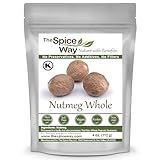
- WHOLE NUTMEG - adds great nutty flavor to so many wonderful dishes including meat, chicken, vegetables, soups and more.
- PURE - No preservatives, no additives, no MSG, non GMO, no fillers.
- FLAVORS OF THE WORLD - Very common in many authentic recipes from the Middle East, Asia and America.
- PREMIUM NUTMEG- selected premium nutmeg. Packed fresh in the US.
- FARM TO TABLE - 30 years of experience in growing spices, herbs and peppers, using traditional methods like hand-picking, sun-drying and grounding at our facility.
6. Bloom the Coffee (for pour-over/drip): Pour just enough hot water to saturate the grounds and let it sit for 30 seconds.
- What “good” looks like: The coffee grounds expanding and releasing CO2, forming a “bloom.”
- Common mistake: Skipping the bloom. Avoid by: Allowing this crucial degassing step to improve flavor.
7. Complete the Brew: Continue pouring water over the grounds according to your brewer’s method.
- What “good” looks like: A steady, even flow of water, allowing for proper extraction.
- Common mistake: Pouring too quickly or unevenly. Avoid by: Maintaining a consistent pour rate and pattern.
8. Serve Immediately: Once brewing is complete, serve the coffee promptly.
- What “good” looks like: A fresh, aromatic cup of coffee.
- Common mistake: Letting coffee sit on a hot plate for too long. Avoid by: Transferring brewed coffee to a thermal carafe or drinking it fresh.
Common Mistakes (and What Happens If You Ignore Them)
| Mistake | What it Causes | Fix |
|---|---|---|
| Using stale coffee beans | Flat, lifeless flavor; lacks natural sweetness and aroma. | Purchase beans with a roast date and grind them just before brewing. |
| Incorrect grind size | Bitter, over-extracted coffee (too fine); weak, sour coffee (too coarse). | Match grind size to your brewer type; consult brewer manual for recommendations. |
| Brewing with water that’s too hot | Scalds coffee grounds, leading to a bitter, burnt taste. | Use water between 195°F and 205°F; let boiling water rest for 30-60 seconds. |
| Brewing with water that’s too cool | Under-extraction, resulting in a sour, weak, and unappealing cup. | Ensure water temperature is within the 195°F-205°F range. |
| Not cleaning the coffee maker regularly | Rancid oils and mineral buildup impart off-flavors, masking natural sweetness. | Clean your brewer after each use and descale periodically as per manufacturer instructions. |
| Using tap water with strong flavors | Minerals and chlorine in tap water can negatively affect coffee taste. | Use filtered or bottled water for a cleaner, more neutral base flavor. |
| Over-extracting coffee | Bitter, astringent taste; can overpower subtle sweet notes. | Pay attention to brew time; adjust grind size or water flow if extraction is too long. |
| Under-extracting coffee | Sour, weak taste; coffee may lack body and sweetness. | Ensure sufficient contact time between water and coffee; check grind size and water temperature. |
| Adding too much spice or extract | Overpowers the coffee’s natural flavors; can taste artificial or medicinal. | Start with a very small amount and gradually increase to find your preferred level. |
Decision Rules for Sweetening Coffee Naturally
- If your coffee tastes bitter, then try a coarser grind or a slightly lower water temperature because these can reduce extraction of bitter compounds.
- If your coffee tastes sour, then try a finer grind or a slightly higher water temperature because these can increase extraction and sweetness.
- If you want to add warmth and spice, then add a pinch of cinnamon or cardamom to the grounds before brewing because these spices complement coffee’s natural notes.
- If you’re looking for a subtle flavor boost, then add a drop of pure vanilla extract to your brewed coffee because it enhances sweetness without adding sugar.
- If your coffee tastes dull, then try using freshly roasted beans ground just before brewing because freshness is key to vibrant flavor.
- If you suspect your water is affecting taste, then use filtered water because it provides a neutral base for coffee flavors to shine.
- If you want to enhance the coffee’s inherent sweetness, then add a tiny pinch of salt to the grounds because salt can actually suppress bitterness and highlight sweetness.
- If your coffee still tastes weak after adjusting grind and temperature, then check your coffee-to-water ratio and consider using a bit more coffee because a stronger brew can sometimes taste sweeter.
- If you’re sensitive to acidity, then try a darker roast or a coffee from a region known for lower acidity, as these often have more inherent sweetness.
- If you want to experiment with depth of flavor, then add a tiny amount of unsweetened cocoa powder to the grounds because it can add complexity that hints at sweetness.
FAQ
Q: Can I use flavored coffee beans to make my coffee taste sweeter?
A: Flavored beans can add sweetness, but the flavor often comes from artificial or natural flavorings applied after roasting. For a truly natural sweetness, focus on the bean’s inherent qualities and brewing methods.
Q: How much spice should I add to my coffee?
A: Start very small. A tiny pinch of cinnamon, nutmeg, or cardamom is usually enough. You can always add more if you like, but it’s hard to remove excess spice.
Q: Will a pinch of salt really make coffee taste sweeter?
A: Yes, a very small amount of salt can actually reduce the perception of bitterness and enhance the coffee’s natural sweetness. Use only a tiny pinch; too much will make the coffee taste salty.
Q: What’s the best way to use vanilla extract in coffee?
A: Add a single drop of pure vanilla extract to your freshly brewed cup. Stir it in well. Avoid using imitation vanilla, which can have a less desirable flavor.
Q: Are lighter roasts or darker roasts sweeter naturally?
A: Generally, lighter roasts retain more of the bean’s original acidity and floral notes, while darker roasts develop more caramelization and chocolatey notes, which can be perceived as sweeter. Experiment to see which you prefer.
Q: How does coffee-to-water ratio affect sweetness?
A: A balanced ratio (often 1:15 to 1:18) allows for optimal extraction of desirable flavors, including sweetness. Too little coffee can result in a weak, sour cup, while too much can lead to bitterness.
Q: Can I use natural sweeteners like stevia or monk fruit?
A: While not sugar or creamer, stevia and monk fruit are natural sweeteners that can be used. However, this article focuses on enhancing coffee’s inherent flavors and using spices, not adding calorie-free sweeteners.
Q: What if my coffee still tastes bitter even after trying these tips?
A: Bitterness often points to over-extraction or issues with the beans themselves. Double-check your grind size, brew time, and water temperature, and ensure your coffee maker is clean.
What This Page Does Not Cover (and Where to Go Next)
- Detailed comparisons of specific coffee bean origins and their natural sweetness profiles.
- Next: Explore single-origin coffee guides.
- Recipes for complex coffee drinks that involve sugar or dairy alternatives.
- Next: Look for recipes focusing on coffee cocktails or specialty drinks.
- Information on how to roast coffee beans at home for optimal sweetness.
- Next: Research home coffee roasting techniques and resources.
- The science behind taste perception and how different compounds in coffee interact.
- Next: Explore resources on coffee chemistry and sensory analysis.