
Natural Date Sweetened Coffee Creamer
Quick answer
- Dates are your friend for natural sweetness.
- Blend them with a liquid base for a smooth creamer.
- Start with a 1:1 ratio of dates to liquid and adjust.
- Soak dried dates to make blending easier.
- Add vanilla or cinnamon for extra flavor.
- Store in the fridge for up to a week.
- Taste and adjust sweetness before serving.
Who this is for
- Anyone looking to ditch refined sugar in their coffee.
- Folks who want a simple, whole-food creamer option.
- Those who enjoy a naturally sweet morning cup.
What to check first
This isn’t about brewing coffee, but about the perfect partner for it. So, before you even think about blending, let’s talk about what goes into your creamer.
Dates
These little guys are the star. Make sure they’re pitted. If you’re using dried dates, they can be a bit tough. A quick soak in hot water for 10-15 minutes softens them up nicely. This makes blending a breeze.
For the best results, we recommend using high-quality pitted dates. These will blend more easily and contribute to a smoother creamer.

- NATURE'S ENERGY BOOST: Organic pitted dates packed with fiber, potassium, calcium, and iron in every serving. Enjoy a nutritious whole food that satisfies cravings and delivers quick, natural energy without the crash.
- SWEET & CHEWY: No processing and no sugar added means you get pitted organic deglet noor dates to eat exactly as nature intended with all their nutritional power intact.
- VERSATILE INGREDIENT: Transform your favorite recipes by adding these pitted dates to oatmeal, salads, and baked goods for a chewy, caramel-like sweetness.
- GUILT-FREE SNACKING: Replace candy and sugary treats with these nutrient-dense dried dates that kids and adults love. High in dietary fiber to support digestive health and keep you feeling satisfied longer.
- ORGANIC SUPERFOOD: USDA Certified Organic, vegan, gluten-free, paleo and keto-friendly dried fruit snack with nothing artificial. Just pure, sun-dried dates with a naturally sweet flavor in every bite.
Liquid Base
What are you mixing these dates with? Water is the simplest. Unsweetened plant-based milks like almond, oat, or cashew milk work great for creaminess. You could even use a mix. Just make sure it’s unsweetened if you’re controlling the sweetness with dates.
Flavor Boosters
Vanilla extract, a pinch of cinnamon, or even a dash of nutmeg can elevate your creamer. These are optional but highly recommended for that extra something.
Equipment
You’ll need a blender. A high-powered one will give you the smoothest results. If you’ve got a standard blender, just make sure those dates are well-soaked.
To achieve the silkiest texture, a high-powered blender is highly recommended. It makes quick work of dates and ensures no gritty bits are left behind.
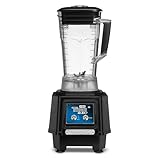
- Motor: 2 Horsepower high-performance motor delivers 24,000 max RPM for consistent blending power in commercial kitchens and bars, ensuring reliable operation during peak service hours
- Container: 64 oz BPA-free copolyester jar with stackable design maximizes storage efficiency while providing durable construction for high-volume blender use in professional settings
- Controls: 2-speed toggle switch provides simple operation with reliable performance for bartenders and kitchen staff in fast-paced commercial environments and busy food service operations
- Drive: Stainless steel user-replaceable drive coupling ensures long-lasting durability and easy maintenance for continuous commercial blender operation in demanding restaurant environments
- Certifications: cULus and NSF approved for commercial food service applications, meeting strict safety and sanitation standards for professional kitchen use in restaurants and bars
Step-by-step (brew workflow)
Alright, let’s get this date creamer made. It’s pretty straightforward.
1. Prep the Dates:
- What to do: If using dried dates, pit them and soak them in hot water for 10-15 minutes. Drain them well. If using fresh, soft dates, just pit them.
- What “good” looks like: Dates are plump and easy to squish.
- Common mistake: Using hard, unsoaked dates. This will lead to a chunky, gritty creamer. Just give them a soak!
2. Measure Your Liquid:
- What to do: Pour your chosen liquid base into the blender. Start with about 1 cup.
- What “good” looks like: You have a measured amount of liquid ready to go.
- Common mistake: Guessing the liquid amount. Precision helps with consistency.
3. Add Dates to Blender:
- What to do: Add the pitted (and soaked/drained) dates to the blender with the liquid. A good starting point is a 1:1 ratio of dates to liquid by volume, so if you used 1 cup of liquid, add about 1 cup of dates.
- What “good” looks like: Dates and liquid are in the blender, ready for action.
- Common mistake: Overfilling the blender. Leave some room for blending.
4. Add Flavorings (Optional):
- What to do: Add a splash of vanilla extract (about 1/2 teaspoon) or a pinch of cinnamon if you like.
- What “good” looks like: Your flavorings are added, ready to mingle.
- Common mistake: Adding too much spice. You can always add more later.
5. Blend Until Smooth:
- What to do: Secure the lid and blend on high speed. Start slow and increase speed. Blend for at least 1-2 minutes, or until completely smooth.
- What “good” looks like: The mixture is silky, with no date chunks visible.
- Common mistake: Not blending long enough. This is the biggest culprit for a gritty creamer. Be patient!
6. Taste and Adjust:
- What to do: Carefully taste the creamer. Is it sweet enough? Too thick?
- What “good” looks like: It tastes just right for your preference.
- Common mistake: Not tasting. You won’t know if it needs more sweetness or thinning if you don’t try it.
7. Adjust Consistency:
- What to do: If it’s too thick, add more liquid, a tablespoon at a time, and blend again. If it’s not sweet enough, add a few more pitted dates (soaked if dry) and blend.
- What “good” looks like: The creamer has your desired thickness and sweetness.
- Common mistake: Adding too much liquid at once. Go slow to avoid making it too thin.
8. Strain (Optional but Recommended):
- What to do: For the absolute smoothest texture, pour the blended creamer through a fine-mesh sieve or cheesecloth.
- What “good” looks like: Any tiny bits of date skin or pulp are caught, leaving a super smooth liquid.
- Common mistake: Skipping this step if you want ultimate smoothness. It really makes a difference.
9. Transfer and Chill:
- What to do: Pour the finished creamer into an airtight container or jar.
- What “good” looks like: Your creamer is safely stored and ready for the fridge.
- Common mistake: Leaving it in the blender. You want to store it properly.
10. Serve:
- What to do: Add a splash to your hot coffee or iced coffee. Stir well.
- What “good” looks like: Your coffee is perfectly sweetened and creamy.
- Common mistake: Not stirring. The creamer might settle a bit, so a good stir is key.
Common mistakes (and what happens if you ignore them)
| Mistake | What it causes | Fix |
|---|---|---|
| Using hard, unsoaked dates | Gritty, chunky texture in the creamer. Not pleasant to drink. | Soak dried dates in hot water for 10-15 minutes before blending. |
| Not blending long enough | Date bits remain, leading to an unpleasant, fibrous mouthfeel. | Blend on high speed for at least 1-2 minutes until completely smooth. |
| Adding too much liquid at once | Overly thin creamer that doesn’t add much richness to your coffee. | Add liquid a tablespoon at a time, blending between additions, until desired consistency is reached. |
| Not pitting dates properly | Hard pits in your creamer, which can damage your blender and are unpleasant to bite. | Always check and remove all pits before soaking or blending. |
| Using unsweetened liquid base with sugar | Creates a cloyingly sweet creamer that overpowers your coffee. | Use unsweetened plant milks or water to control sweetness with the dates. |
| Skipping the straining step | Minor date pulp or skin bits can remain, affecting the smoothest texture. | For ultimate smoothness, strain through a fine-mesh sieve or cheesecloth. |
| Not tasting and adjusting | Creamer is too sweet, not sweet enough, or the wrong consistency. | Taste frequently during the process and adjust sweetness or liquid as needed. |
| Storing in an un-airtight container | Creamer can absorb odors from the fridge or spoil faster. | Use a sealed jar or airtight container to maintain freshness and prevent odor absorption. |
| Not stirring before serving | Creamer may separate slightly in the fridge, leading to a less consistent taste. | Give the creamer a good stir before each use to reincorporate any settled ingredients. |
Decision rules (simple if/then)
- If your dates are dry and hard, then soak them in hot water for 10-15 minutes because this will make them easy to blend smoothly.
- If your blender isn’t high-powered, then you should soak your dates longer (up to 30 minutes) because this will ensure a smoother final product.
- If you want a richer, creamier creamer, then use an unsweetened plant-based milk like oat or cashew as your base because these have more fat and body than water.
- If you prefer a less sweet creamer, then start with fewer dates (e.g., 1/2 cup dates to 1 cup liquid) because you can always add more sweetness later.
- If your creamer tastes bland, then add a pinch of salt or a dash of vanilla extract because these enhance sweetness and add complexity.
- If you find your creamer too thick after blending, then add more liquid a tablespoon at a time because you can easily thin it out to your liking.
- If you want the absolute silkiest texture, then strain the blended creamer through a fine-mesh sieve because this removes any remaining pulp.
- If you notice separation in your creamer after it’s been in the fridge, then stir it well before using because this is normal for homemade creamers and easily fixed.
- If you’re unsure about sweetness, then start with a 1:1 ratio of pitted dates to liquid and adjust after blending because it’s easier to add than to take away.
- If you want to add a hint of spice, then add cinnamon or nutmeg during the blending stage because this infuses the flavor throughout the creamer.
FAQ
Q: How long does this date creamer last?
A: It typically lasts about a week in the refrigerator when stored in an airtight container. Always check for any off smells or signs of spoilage before using.
Q: Can I use regular sugar instead of dates?
A: You can, but the point of this recipe is natural sweetness from whole foods. If you use sugar, start with a small amount and dissolve it well.
Q: My creamer is separating. Is that normal?
A: Yes, a little separation is normal for homemade creamers without stabilizers. Just give it a good stir before each use.
Q: Can I make this creamer sugar-free?
A: This creamer is naturally sweetened with dates, which contain natural sugars. If you need a truly sugar-free option, you’d need to explore alternative sweeteners.
Q: What kind of dates are best?
A: Medjool dates are fantastic because they’re soft and naturally caramel-like. Deglet Noor dates also work, but they are drier and benefit more from soaking.
Q: Can I freeze this date creamer?
A: While you can freeze it, the texture might change upon thawing. It’s best enjoyed fresh from the refrigerator for optimal creaminess.
Q: My creamer is too thin. What did I do wrong?
A: You likely used too much liquid or not enough dates. Try adding a few more soaked dates and blending again, or reduce the liquid next time.
Q: Can I add other flavors like chocolate or caramel?
A: Absolutely! For chocolate, add a tablespoon of unsweetened cocoa powder. For caramel notes, a touch of vanilla and a pinch of sea salt can do wonders.
What this page does NOT cover (and where to go next)
- Specific brand recommendations for blenders or dates. (Next, research blender reviews for your budget.)
- Detailed nutritional breakdowns per serving. (Next, consult a nutrition calculator if needed.)
- Shelf-stable preservation methods beyond refrigeration. (Next, look into commercial creamer production techniques if that’s your goal.)
- Advanced latte art techniques using homemade creamer. (Next, explore barista training resources for latte art.)