
Mushroom Coffee And Weight Loss: Exploring The Claims
Quick Answer
- Mushroom coffee might indirectly support weight loss efforts, but it’s not a magic bullet.
- The weight loss claims are mostly linked to specific mushroom extracts, not just the caffeine.
- Ingredients like Lion’s Mane and Cordyceps are often cited for potential metabolism and energy boosts.
- Chaga and Reishi are sometimes mentioned for their antioxidant properties, which could play a supporting role.
- No strong scientific evidence directly proves mushroom coffee causes significant weight loss on its own.
- Focus on a balanced diet and exercise; mushroom coffee can be a small addition.
Key Terms and Definitions
- Mushroom Coffee: Coffee blended with powdered mushroom extracts. It’s not about eating whole mushrooms.
- Adaptogens: Herbs and mushrooms believed to help the body adapt to stress.
- Functional Mushrooms: Mushrooms used for their medicinal or health-promoting properties, beyond basic nutrition.
- Lion’s Mane: A functional mushroom often linked to cognitive benefits, but also studied for potential metabolic effects.
- Cordyceps: Another functional mushroom, sometimes associated with increased energy and endurance.
- Chaga: A mushroom known for its high antioxidant content.
- Reishi: Often called the “mushroom of immortality,” it’s associated with stress reduction and immune support.
- Bioavailability: How well your body can absorb and use a nutrient or compound.
- Metabolism: The chemical processes that occur within a living organism in order to maintain life.
- Antioxidants: Compounds that fight free radicals, which can damage cells.
For those interested in the cognitive and potential metabolic effects, consider trying a high-quality lion’s mane mushroom powder.
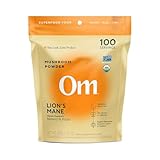
- SUPPORTS MEMORY & FOCUS – Powered by Lion’s Mane mushroom known to repair neurons to help improve concentration, mental clarity, and productivity. A natural focus supplement designed to support long-term brain health and cognitive performance.
How Mushroom Coffee Works
Mushroom coffee typically works by combining regular coffee with extracts from specific functional mushrooms. The idea is to get the caffeine kick from the coffee and add the potential benefits of the mushrooms.
- Extraction Process: Mushrooms are usually dried and then extracted, often using hot water or alcohol, to concentrate their beneficial compounds.
- Powdered Form: These extracts are then dried into a powder and mixed with coffee grounds or added to instant coffee.
- Synergistic Effect: Some believe the caffeine and mushroom compounds work together, potentially enhancing energy or focus.
- Adaptogenic Support: Functional mushrooms like Reishi and Cordyceps are thought to help the body manage stress, which can indirectly affect weight.
- Metabolic Compounds: Certain mushroom compounds are being researched for their potential to influence metabolic rate or fat storage.
- Gut Health: Some mushrooms contain prebiotics, which can support a healthy gut microbiome, a factor increasingly linked to overall health and weight.
- Caffeine Boost: The coffee component provides a familiar energy lift and can temporarily increase metabolic rate.
- Nutrient Density: While not a primary source, mushrooms add some vitamins and minerals to your morning cup.
What Affects the Result
When you’re brewing up your mushroom coffee, several things can tweak the final outcome, especially regarding any potential weight management support.
- Mushroom Type: Different mushrooms offer different compounds. Lion’s Mane for focus, Cordyceps for energy, Chaga for antioxidants. The specific mushrooms in your blend matter.
- Extraction Quality: How the mushroom extract was made is crucial. A poor extraction might not yield the beneficial compounds effectively.
- Dosage: The amount of mushroom extract in your coffee can vary wildly between brands. More isn’t always better, but too little might not have an effect.
- Coffee Quality: Just like regular coffee, the bean origin, roast level, and freshness of the coffee itself will affect taste and even caffeine levels.
- Brewing Method: While usually simple, how you prepare your mushroom coffee (e.g., temperature of water, brew time if applicable) can impact extraction and taste.
- Your Diet: Mushroom coffee won’t burn fat if you’re still consuming excess calories. It works best alongside a balanced diet.
- Exercise Habits: Physical activity is a cornerstone of weight management. Mushroom coffee can’t replace the benefits of moving your body.
- Sleep Quality: Poor sleep can mess with your hormones and appetite. If mushroom coffee helps you feel more rested, that’s a plus.
- Stress Levels: High stress can lead to weight gain. Adaptogenic mushrooms might help manage this, indirectly.
- Individual Biology: Everyone reacts differently. What helps one person might not affect another the same way.
- Freshness of Ingredients: Both the coffee and the mushroom extract should ideally be fresh for optimal potency and flavor.
- Added Sugars/Creamers: Loading up your mushroom coffee with sugar and high-fat creamers will counteract any potential weight loss benefits. Keep it simple.
Pros, Cons, and When It Matters
Mushroom coffee has its upsides and downsides, and whether it’s right for you depends on your goals and expectations.
- Pro: Potential energy boost from caffeine and adaptogens.
- Con: Claims of significant weight loss are largely unsubstantiated by robust science.
- Pro: May offer antioxidants from mushrooms like Chaga.
- Con: Taste can be an acquired one; some find it earthy or bitter.
- Pro: Can be a convenient way to consume functional mushroom extracts.
- Con: Quality and potency vary greatly between brands.
- Pro: Some users report improved focus and reduced stress.
- Con: Can be more expensive than regular coffee.
- Pro: Might support gut health depending on the mushroom types.
- Con: Not a substitute for healthy eating and exercise.
- Pro: A good option if you’re already a coffee drinker and looking for added benefits.
- Con: Potential for digestive upset in some individuals.
- Pro: Can be part of a mindful morning routine.
- Con: Risk of over-reliance on a “special” drink for health outcomes.
- Pro: Some studies suggest Cordyceps might improve exercise performance.
- Con: The “weight loss” aspect is often overhyped.
- Pro: Offers a different flavor profile for coffee enthusiasts.
- Con: May interact with certain medications; check with a doctor.
- When it matters: If you’re looking for a slight edge in energy or stress management while enjoying your coffee.
- When it matters less: If you expect mushroom coffee to be the primary driver of substantial weight loss.
Common Misconceptions
Let’s clear up some of the fog surrounding mushroom coffee and its supposed effects on your waistline.
- Myth: Mushroom coffee burns fat automatically.
- Reality: No food or drink directly “burns fat” without other lifestyle factors.
- Myth: It tastes like dirt.
- Reality: While some have an earthy note, many brands are blended for a smooth, enjoyable coffee flavor. Extraction matters.
- Myth: You’ll lose weight just by drinking it.
- Reality: It’s a supplement, not a solution. Diet and exercise are king.
- Myth: All mushroom coffees are the same.
- Reality: The types of mushrooms, their quality, and extraction methods differ significantly.
- Myth: It contains psychoactive mushrooms.
- Reality: Reputable brands use non-psychoactive, “functional” mushrooms like Lion’s Mane, Reishi, and Cordyceps.
- Myth: It’s a weight-loss miracle drug.
- Reality: Scientific evidence for direct, significant weight loss is limited.
- Myth: You can’t add anything to it.
- Reality: While plain is best for potential benefits, a splash of unsweetened almond milk is usually fine. Avoid sugar bombs.
- Myth: It’s a new invention.
- Reality: Using mushrooms for health is ancient. Blending them with coffee is a modern application.
- Myth: It will make you jittery like regular coffee.
- Reality: Some find the L-theanine in mushrooms can smooth out the caffeine effect, reducing jitters for some.
FAQ
Q: Does mushroom coffee actually help you lose weight?
A: There’s no direct scientific proof that mushroom coffee causes significant weight loss on its own. Some mushroom extracts might support metabolism or energy levels, which can indirectly aid weight management when combined with diet and exercise.
Q: What kind of mushrooms are in mushroom coffee?
A: Typically, functional mushrooms like Lion’s Mane, Cordyceps, Reishi, and Chaga are used. These are known for their health benefits, not for being psychedelic.
Q: Is mushroom coffee healthy?
A: For most people, yes. It combines the known effects of coffee with the potential benefits of functional mushrooms, like antioxidants and adaptogens. However, always consider your individual health and any pre-existing conditions.
Q: How much mushroom coffee should I drink per day?
A: Most brands recommend one serving per day, similar to regular coffee. Always check the product’s specific instructions and listen to your body.
Q: Can mushroom coffee replace my regular coffee?
A: Absolutely. It’s a direct swap if you enjoy coffee and are curious about the added benefits of functional mushrooms.
Q: What does mushroom coffee taste like?
A: It generally tastes like coffee, but some people detect a subtle earthy or woody undertone. The specific blend and extraction quality play a big role in the flavor.
Q: Are there any side effects?
A: Some people might experience mild digestive upset. If you’re sensitive to caffeine, you might still feel effects. It’s always wise to start slow.
Q: Does mushroom coffee have caffeine?
A: Yes, most mushroom coffees are made with regular coffee beans, so they contain caffeine. Some brands offer decaf versions.
Q: Can I add milk and sugar to mushroom coffee?
A: You can, but adding a lot of sugar or high-fat creamers will likely counteract any subtle weight management benefits. Plain or with a little unsweetened plant milk is often recommended.
Q: Where can I buy mushroom coffee?
A: You can find it online from many specialty coffee roasters and health food brands, as well as in some health food stores.
What This Page Does Not Cover (And Where to Go Next)
This page focused on the weight loss claims. Here’s what we didn’t dive deep into, and where you might look for more info.
- Specific Scientific Studies: We didn’t detail individual research papers. For that, look for scientific literature databases.
- Brand Comparisons: We didn’t review or recommend specific brands of mushroom coffee. Explore health and wellness blogs or review sites for those.
- Detailed Mushroom Nutrition: We touched on benefits, but a deep dive into the complex compounds within each mushroom is a separate topic.
- Brewing Techniques for Extracts: While we mentioned it, detailed extraction methods are complex. Check specialized forums if you’re a DIYer.
- Interactions with Medications: Always consult a healthcare professional about potential interactions between supplements and your prescriptions.