
Melitta Coffee Makers: Do They Use K-Cups?
Quick Answer
- Melitta coffee makers are primarily designed for traditional drip coffee brewing.
- Most standard Melitta coffee makers do not use K-Cups or any single-serve pod system.
- Melitta’s focus is on providing quality coffee through methods like pour-over and automatic drip.
- If you are looking for a machine that uses K-Cups, you will need to look at brands that specialize in single-serve brewing.
- Always check the specific model’s features and specifications to confirm its brewing capabilities.
Key Terms and Definitions
- K-Cup: A proprietary, pre-portioned coffee pod designed for single-serve coffee makers, most notably Keurig machines.
- Single-Serve Brewer: A coffee maker designed to brew one cup of coffee at a time, often using pods or capsules.
- Drip Coffee Maker: An automatic coffee machine that heats water and drips it over coffee grounds in a filter, collecting the brewed coffee in a carafe.
- Pour-Over Coffee: A manual brewing method where hot water is poured slowly and evenly over coffee grounds in a filter, allowing gravity to extract the coffee.
- Carafe: A glass or thermal pot used to hold brewed coffee from an automatic drip coffee maker.
- Brew Basket: The part of a drip coffee maker where the coffee grounds and filter are placed.
- Water Reservoir: The tank on a coffee maker that holds the water to be heated and used for brewing.
- Filter Cone: A conical holder, often paper or reusable metal, that holds coffee grounds during the brewing process.
- Grind Size: The coarseness or fineness of ground coffee beans, which significantly impacts extraction.
- Brew Ratio: The proportion of coffee grounds to water used in brewing.
How Melitta Coffee Makers Work
- Melitta coffee makers, in their most common forms, operate on the principle of automatic drip brewing.
- Water is poured into a reservoir, typically located at the back or side of the machine.
- A heating element, usually at the base of the machine, heats the water to an optimal brewing temperature, generally between 195°F and 205°F.
- Once heated, the water is channeled up through a tube to the brew basket.
- The brew basket holds a coffee filter, which contains the ground coffee.
- Hot water then drips evenly over the coffee grounds, saturating them and extracting the coffee’s flavor and oils.
- The brewed coffee passes through the filter and drips down into a carafe positioned below.
- Some models feature a warming plate to keep the carafe warm, while others use thermal carafes for sustained heat.
- Advanced models may include features like programmable timers, brew strength selectors, or showerhead designs for more even water distribution.
- The entire process is automated, requiring minimal user intervention beyond adding water and grounds.
If you’re looking for a reliable drip coffee maker, Melitta offers excellent options that focus on traditional brewing methods. This Melitta drip coffee maker (ASIN B0DKKLY1V9) is a great example of their commitment to quality.
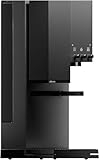
- 1. Three Levels of Automation for Any Skill Level: Choose from Autopilot, Copilot, or Free Solo mode. Autopilot handles the entire brewing process automatically. Copilot provides step-by-step guidance. Free Solo gives you full manual control. This coffee machine works for beginners and professional baristas alike.
- 2. Intuitive User Interface with Tactile Knobs and LED Matrix: The Studio features physical control knobs and a clear LED Matrix display. You can adjust grind size, water temperature, and flow rate in real time without navigating complicated touchscreen menus.
- 3. Full Customization via the xBloom App: Use the xBloom app to create, adjust, save, and share your favorite coffee recipes. Every brewing parameter can be fine-tuned and synced to the machine instantly. Your perfect cup is saved and repeatable.
- 4. Compostable xPod System for Minimal Waste and Maximum Flavor: Each xPod contains carefully selected whole beans and a built-in filter. Tap the recipe card, pour the beans into the grinder, place the pod into the dock, and press start. No capsules, no extra paper filters, no unnecessary waste.
- 5. What Is Included in the Box: The package includes the xBloom Studio, Omni Dripper 2 with Hyperflow Bottom, 10 paper filters, xPod Dock, Magnetic Dosing Cup, default recipe card, quick start guide, cleaning brush, and universal power cord. Everything you need is included.
What Affects the Result in Coffee Brewing
- Water Quality: Using filtered or spring water, free from strong odors or tastes, is crucial for a clean-tasting cup. Hard water can lead to scale buildup and affect extraction.
- Coffee Bean Freshness: Whole beans roasted recently and ground just before brewing yield the best flavor. Stale beans lose their aromatic compounds.
- Grind Size: The fineness or coarseness of your coffee grounds is critical. For drip coffee makers, a medium grind is typically recommended. Too fine a grind can lead to over-extraction and bitterness, while too coarse can result in under-extraction and a weak cup.
- Brew Ratio: The proportion of coffee grounds to water significantly impacts strength. A common starting point is a ratio of 1:15 to 1:18 (e.g., 1 gram of coffee to 15-18 grams of water).
- Water Temperature: Ideal brewing temperatures are between 195°F and 205°F. Water that is too cool will under-extract, while water that is too hot can scorch the grounds and create bitterness.
- Brew Time: The duration water is in contact with coffee grounds influences extraction. For drip machines, this is generally controlled by the machine’s design.
- Filter Type: Paper filters can absorb some oils, leading to a cleaner cup, while metal or cloth filters allow more oils through, resulting in a fuller-bodied coffee.
- Brewer Design: The way water is dispersed over the grounds (e.g., showerhead design) and the overall thermal stability of the brewer can affect consistency.
- Cleanliness of Equipment: Coffee oils and mineral deposits can build up over time, imparting off-flavors. Regular cleaning is essential.
- Altitude: At higher altitudes, water boils at a lower temperature, which can affect extraction if not compensated for.
- Humidity: While less impactful than other factors, extreme humidity can affect how coffee grounds behave.
- Roast Level: Lighter roasts may require slightly hotter water or longer brew times than darker roasts to achieve full extraction.
Pros, Cons, and When It Matters for Coffee Makers
- Drip Coffee Maker Pros:
- Ease of Use: Simple operation, often with one-button functionality.
- Brewing Capacity: Can brew multiple cups at once, ideal for households or offices.
- Consistency: Once set up, provides a reliable and repeatable brew.
- Affordability: Generally less expensive than many other brewing methods or machines.
- Familiarity: A widely understood and accessible brewing method.
- Drip Coffee Maker Cons:
- Limited Control: Less control over variables like water temperature and flow rate compared to manual methods.
- Potential for Stale Coffee: Coffee left on a warming plate can become burnt or bitter.
- Cleaning: Requires regular descaling and cleaning of the brew basket and carafe.
- Flavor Nuance: May not highlight the delicate flavor notes of specialty coffees as effectively as pour-over.
- When Drip Coffee Makers Matter:
- Morning Routine: For a quick, no-fuss cup to start the day.
- Serving Multiple People: When you need to brew a pot for family, friends, or colleagues.
- Budget-Conscious Brewing: A cost-effective way to enjoy daily coffee.
- Simplicity: For those who prefer straightforward operation and minimal learning curve.
- Single-Serve Brewer Pros:
- Convenience: Extremely fast and easy for brewing a single cup.
- Variety: Offers a wide range of coffee, tea, and other beverage options.
- No Waste (of brewed coffee): Brews exactly what you need, avoiding leftover coffee.
- Single-Serve Brewer Cons:
- Environmental Impact: Pods generate significant waste, though some are recyclable.
- Cost Per Cup: Can be more expensive per cup than brewing a pot.
- Flavor Limitations: Often sacrifices some flavor complexity for speed and convenience.
- Machine Cost: Can be more expensive upfront than basic drip machines.
- When Single-Serve Brewers Matter:
- Individual Preferences: When different people in a household want different drinks.
- Speed and Efficiency: For busy individuals needing a quick cup on the go.
- Office Environments: Where individual beverage choices are common.
Common Misconceptions
- All Coffee Makers Use the Same Filter: Different brewing methods and machines require specific filter types and sizes. Drip machines use basket or cone filters, while single-serve machines use proprietary pods.
- Darker Roasts Mean Stronger Coffee: “Strong” can refer to flavor intensity or caffeine content. Darker roasts often have a bolder flavor but can have less caffeine than lighter roasts.
- Hotter Water Always Means Better Extraction: Water that is too hot can scorch coffee grounds, leading to bitterness. The ideal range is typically 195-205°F.
- You Can Use Any Coffee in Any Machine: While you can technically put any ground coffee into a drip machine, specific grind sizes are optimal for different brewers to ensure proper extraction.
- Coffee Makers Don’t Need Regular Cleaning: Coffee oils build up and can turn rancid, affecting the taste of your coffee. Regular cleaning and descaling are essential.
- Pre-ground Coffee is Just as Good as Freshly Ground: Pre-ground coffee loses its aromatics and flavor much faster than whole beans ground just before brewing.
- All Coffee Makers Brew at the Same Temperature: While many aim for the ideal range, cheaper or older machines may not reach or maintain optimal brewing temperatures.
- Coffee is a Great Source of Hydration: While coffee contains water, its diuretic effect means it can contribute to fluid loss, so it shouldn’t be your sole source of hydration.
- You Need Expensive Equipment for Great Coffee: While quality equipment helps, focusing on fresh beans, proper grind, and good water are more impactful for most home brewers.
- Espresso is Just Strong Drip Coffee: Espresso is made under high pressure, resulting in a concentrated shot with a distinct crema and flavor profile, unlike drip coffee.
FAQ
Q: Do Melitta coffee makers use K-Cups?
A: No, Melitta coffee makers are generally designed for traditional drip coffee brewing and do not use K-Cups or any single-serve pod system. Their focus is on methods like pour-over and automatic drip.
Q: What type of coffee grounds should I use with a Melitta drip coffee maker?
A: For most Melitta automatic drip coffee makers, a medium grind size is recommended. This size provides a balanced extraction. Always check your specific model’s manual for precise recommendations.
Q: How do I clean my Melitta coffee maker?
A: Regular cleaning involves washing the carafe and brew basket with warm, soapy water. For descaling, you can use a mixture of white vinegar and water, or a commercial descaling solution, following the manufacturer’s instructions.
Q: Can I use pre-ground coffee in my Melitta coffee maker?
A: Yes, you can use pre-ground coffee. However, for the best flavor, it is recommended to grind whole beans just before brewing. Pre-ground coffee loses its freshness and aroma more quickly.
Q: What is the ideal water temperature for brewing coffee?
A: The ideal water temperature for brewing coffee is typically between 195°F and 205°F (90°C to 96°C). This range allows for optimal extraction of flavor compounds without scorching the grounds.
Q: Why does my coffee taste bitter?
A: Bitter coffee can be caused by several factors, including using water that is too hot, grinding the coffee too finely, over-extracting the grounds, or using stale coffee beans. Ensure your grind size and water temperature are appropriate.
Q: How often should I descale my coffee maker?
A: The frequency of descaling depends on your water hardness and how often you use the machine. A general guideline is to descale every 1-3 months. If you notice slower brewing or mineral buildup, it’s time to descale.
Q: What is the difference between a Melitta pour-over cone and an automatic drip machine?
A: A Melitta pour-over cone is a manual device where you control the water pouring and flow rate. An automatic drip machine heats the water and drips it over the grounds automatically into a carafe.
What This Page Does Not Cover (and Where to Go Next)
- Specific Melitta Model Reviews: This article provides general information about Melitta coffee makers and does not offer reviews of individual models, their features, or pricing.
- Detailed Pour-Over Techniques: While Melitta is known for pour-over, this page focuses on answering the K-cup question and general brewing principles, not in-depth guides to manual pour-over.
- Advanced Coffee Science: This content does not delve into the complex chemistry of coffee extraction or highly technical brewing science.
- Comparisons with Other Brands: This article focuses on Melitta and K-cup compatibility and does not provide direct comparisons with specific coffee maker brands or systems.
To learn more, consider exploring resources on:
- Specific coffee brewing methods and their ideal techniques.
- The science behind coffee flavor extraction.
- Guides to selecting and grinding coffee beans.
- Reviews of different types of coffee makers and their capabilities.