
Melitta Coffee Makers and K-Cup Compatibility
Quick Answer
- Melitta is primarily known for its traditional drip coffee makers and pour-over systems.
- Most standard Melitta coffee makers are designed for ground coffee, not K-Cups.
- Some Melitta machines may offer dual functionality, but this is not their standard design.
- To use K-Cups, you generally need a machine specifically designed for single-serve pods, like a Keurig.
- Always check the product specifications of any Melitta coffee maker to confirm its compatibility with K-Cups.
Key Terms and Definitions
- K-Cup: A single-serving, pre-packaged coffee pod designed for use in specific single-serve coffee makers, most commonly Keurig machines.
- Drip Coffee Maker: A coffee machine that brews coffee by heating water and allowing it to drip through coffee grounds held in a filter.
- Pour-Over: A manual brewing method where hot water is poured over coffee grounds in a filter, allowing gravity to extract the coffee into a carafe or mug.
- Single-Serve Brewer: A coffee machine designed to brew one cup of coffee at a time, often using pods or grounds.
- Ground Coffee: Coffee beans that have been processed into smaller particles, ready for brewing.
- Pod System: A brewing system that uses pre-portioned, sealed pods or capsules for convenience.
- Carafe: A glass or thermal container used to hold brewed coffee from a drip coffee maker.
- Filter Basket: The part of a drip coffee maker where coffee grounds are placed for brewing.
- Brew Head: The component in a coffee maker that dispenses hot water over the coffee grounds.
- Compatibility: The ability of a device or system to work with another device or system without modification.
How It Works
- Traditional Drip Brewing: In a standard Melitta drip coffee maker, water is heated in a reservoir. This hot water then travels up and is dispensed over coffee grounds placed in a filter within a filter basket. Gravity pulls the brewed coffee through the filter and into a carafe below.
- Pour-Over Brewing: With Melitta’s pour-over systems, the user manually heats water separately. The hot water is then slowly poured in a controlled manner over coffee grounds in a cone-shaped dripper, allowing for precise control over the extraction process.
- Single-Serve Pod Brewing (e.g., Keurig): Machines designed for K-Cups operate differently. A K-Cup is inserted into a designated holder. The machine pierces the top and bottom of the pod. Hot water is then forced under pressure through the grounds inside the K-Cup, and the brewed coffee dispenses directly into a mug.
- Melitta’s Design Philosophy: Melitta has historically focused on perfecting the drip and pour-over methods, emphasizing the quality of coffee derived from fresh grounds and controlled water flow.
- K-Cup Mechanism: The K-Cup system relies on a specific needle and pressure mechanism within the brewer to puncture the pod and force water through its contents. This is a proprietary system designed by Keurig.
- Ground Coffee vs. Pods: The primary difference lies in the delivery of the coffee. Drip and pour-over systems use loose grounds, while K-Cup systems use pre-packaged, sealed pods.
- Filter Integration: K-Cups contain their own integrated filter, eliminating the need for a separate paper or permanent filter as found in drip machines.
- Water Delivery: Drip coffee makers typically have a showerhead design to distribute water evenly over grounds. Single-serve brewers force water through the pod.
- Brewing Chamber: In drip machines, the brewing chamber is the filter basket. In K-Cup machines, it’s the pod holder designed to accept and puncture the K-Cup.
- Speed and Convenience: Single-serve pod systems are engineered for speed and minimal cleanup, a contrast to the more involved process of preparing grounds for drip or pour-over.
What Affects the Result
- Water Quality: Using filtered or bottled water can significantly improve taste, as tap water impurities can impart off-flavors.
- Coffee Bean Freshness: Whole beans roasted within the last few weeks and ground just before brewing yield the best flavor. Pre-ground coffee degrades much faster.
- Grind Size: The fineness or coarseness of the coffee grounds is crucial. Drip machines generally require a medium grind. Too fine can lead to over-extraction and bitterness; too coarse can result in under-extraction and weak coffee.
- Coffee-to-Water Ratio: The ideal ratio of coffee grounds to water impacts strength and flavor. A common starting point for drip coffee is about 1:15 to 1:18 (e.g., 1 gram of coffee to 15-18 grams of water), but this can be adjusted to personal preference.
- Water Temperature: Optimal brewing temperature is typically between 195°F and 205°F (90°C to 96°C). Water that is too cool will under-extract, while water that is too hot can scorch the grounds.
- Brewing Time: The duration water is in contact with coffee grounds affects extraction. Too short a time leads to weak coffee; too long can result in bitterness.
- Brewer Type: The design of the coffee maker itself influences how water interacts with the grounds. Melitta’s pour-over cones offer more control than automatic drip machines.
- Filter Type: Paper filters can absorb some oils, leading to a cleaner cup, while metal or cloth filters allow more oils through, resulting in a fuller body.
- Cleanliness of Equipment: Coffee oils and mineral buildup can become rancid and affect the taste of subsequent brews. Regular cleaning is essential.
- Grinding Method: Blade grinders produce inconsistent particle sizes, while burr grinders offer a more uniform grind, leading to more even extraction.
- Altitude: At higher altitudes, water boils at a lower temperature, which can affect brewing if not compensated for.
- Pouring Technique (for pour-over): The speed, pattern, and consistency of pouring water in manual methods directly impact extraction.
Pros, Cons, and When It Matters
- Melitta Drip Makers:
- Pros: Consistent results, easy to use for multiple cups, often affordable, good for daily brewing.
- Cons: Less control over brewing variables compared to manual methods, can be bulky.
- When It Matters: Ideal for households that drink multiple cups of coffee daily and prefer a straightforward brewing process.
- Melitta Pour-Over Systems:
- Pros: High degree of control over brewing parameters, excellent flavor potential, portable, no electricity required.
- Cons: Requires more user involvement and practice, takes longer per cup, requires separate water heating.
- When It Matters: For coffee enthusiasts who enjoy the ritual of brewing and want to fine-tune every aspect of their cup for optimal flavor.
- K-Cup Systems (General):
- Pros: Extreme convenience, speed, minimal cleanup, variety of flavors available.
- Cons: Can be more expensive per cup, environmental concerns with pod waste, flavor can be less nuanced than freshly ground coffee.
- When It Matters: For individuals or offices where speed and single-cup convenience are the top priorities, and minimal effort is desired.
- Compatibility Issues:
- Pros (of non-K-Cup machines): Focus on traditional coffee quality, often more durable.
- Cons (of non-K-Cup machines): Cannot use K-Cups without adapters (which are often not recommended for quality).
- When It Matters: If you already own K-Cups or are considering a machine that uses them, you must ensure the brewer is designed for them. Melitta’s core line does not cater to this.
If you’re looking for a reliable way to brew multiple cups of coffee daily with consistent results, a Melitta drip coffee maker is an excellent choice. They are easy to use and often quite affordable.
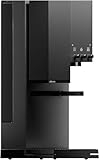
- 1. Three Levels of Automation for Any Skill Level: Choose from Autopilot, Copilot, or Free Solo mode. Autopilot handles the entire brewing process automatically. Copilot provides step-by-step guidance. Free Solo gives you full manual control. This coffee machine works for beginners and professional baristas alike.
- 2. Intuitive User Interface with Tactile Knobs and LED Matrix: The Studio features physical control knobs and a clear LED Matrix display. You can adjust grind size, water temperature, and flow rate in real time without navigating complicated touchscreen menus.
- 3. Full Customization via the xBloom App: Use the xBloom app to create, adjust, save, and share your favorite coffee recipes. Every brewing parameter can be fine-tuned and synced to the machine instantly. Your perfect cup is saved and repeatable.
- 4. Compostable xPod System for Minimal Waste and Maximum Flavor: Each xPod contains carefully selected whole beans and a built-in filter. Tap the recipe card, pour the beans into the grinder, place the pod into the dock, and press start. No capsules, no extra paper filters, no unnecessary waste.
- 5. What Is Included in the Box: The package includes the xBloom Studio, Omni Dripper 2 with Hyperflow Bottom, 10 paper filters, xPod Dock, Magnetic Dosing Cup, default recipe card, quick start guide, cleaning brush, and universal power cord. Everything you need is included.
Common Misconceptions
- “All Melitta coffee makers can use K-Cups.” This is false. Melitta’s primary product line consists of drip and pour-over brewers designed for ground coffee. K-Cup compatibility is rare and would be a specific feature of certain models.
- “K-Cups are always more expensive.” While often true per cup, the initial cost of a K-Cup brewer is usually lower than a high-end drip or espresso machine, making the upfront investment less. However, over time, the per-cup cost adds up.
- “Freshly ground coffee is always better than K-Cups.” For many discerning coffee drinkers, this is true. The ability to control grind size and the freshness of whole beans generally leads to superior flavor compared to pre-packaged grounds in a pod, which can lose freshness.
- “You can’t make good coffee with a drip machine.” This is untrue. High-quality drip machines, when used with good beans, the right grind, and proper technique, can produce excellent coffee. Melitta is known for its quality drip designs.
- “All K-Cup brewers are made by Keurig.” While Keurig is the most prominent brand, other companies also produce single-serve brewers that use K-Cups or compatible pods.
- “Pour-over is too complicated for beginners.” While it requires more attention, the basic pour-over technique is relatively simple to learn. Mastering it takes practice, but enjoyable cups can be made from the start.
- “Washing your coffee maker isn’t that important.” Coffee oils build up and can turn rancid, negatively impacting the taste of your coffee. Regular cleaning is vital for flavor.
- “Dark roast coffee is always stronger.” “Stronger” can refer to caffeine content or flavor intensity. Dark roasts often have a bolder flavor profile but may have slightly less caffeine than lighter roasts due to longer roasting times.
- “Pre-heating your mug makes no difference.” Pre-heating your mug helps maintain the coffee’s temperature for a longer period, allowing you to enjoy it at its optimal drinking temperature.
FAQ
Q: Does Melitta make K-Cup compatible coffee makers?
A: Generally, no. Melitta is primarily known for its traditional drip coffee makers and pour-over systems, which use ground coffee. You would need to check the specific model’s product description to see if it has any single-serve pod capabilities, which is uncommon for their brand.
Q: What kind of coffee should I use with a Melitta drip coffee maker?
A: Melitta drip coffee makers are designed for medium-grind coffee. For the best results, use freshly roasted whole beans and grind them just before brewing.
Q: How do I clean my Melitta coffee maker?
A: Most Melitta drip coffee makers can be cleaned by running a cycle with a descaling solution or a mixture of vinegar and water, followed by several cycles with fresh water. Check your specific model’s manual for detailed cleaning instructions.
Q: Can I use K-Cups in a Melitta pour-over cone?
A: No, K-Cups are designed for specific single-serve brewing machines and cannot be used with Melitta pour-over cones or any other pour-over device.
Q: What is the ideal water temperature for brewing coffee with a Melitta brewer?
A: For optimal extraction, the water temperature should be between 195°F and 205°F (90°C to 96°C). Some automatic drip machines regulate this, while for pour-over, you’ll need a thermometer.
Q: How much coffee grounds should I use in my Melitta drip coffee maker?
A: A common starting ratio is 1 to 2 tablespoons of coffee grounds per 6 oz cup of water. You can adjust this to your personal taste preference for strength.
Q: Are Melitta coffee makers good quality?
A: Melitta is a well-respected brand with a long history in coffee brewing, known for producing reliable and effective drip coffee makers and pour-over equipment.
Q: What are the advantages of using a Melitta pour-over system?
A: Pour-over systems offer greater control over brewing variables like water temperature, pour rate, and saturation time, allowing for a highly customizable and often superior flavor profile for those who enjoy the process.
What This Page Does Not Cover (and Where to Go Next)
- Specific Melitta Model Reviews: This page provides general information about Melitta coffee makers and K-Cup compatibility. For detailed reviews of specific models, including their features, performance, and user feedback, you would need to consult dedicated product review sites.
- Comparison with Other Brands: This article focuses on Melitta and K-Cup compatibility. For comparisons with other coffee maker brands like Cuisinart, Mr. Coffee, Breville, or other single-serve systems, you would need to look at comparative reviews.
- Advanced Brewing Techniques: While basic principles are touched upon, this page does not delve into highly advanced techniques such as specific bloom times, water agitation methods, or refractometry for coffee brewing. Further exploration of coffee science resources would be beneficial.
- Maintenance and Repair Guides: This article covers general cleaning. For specific troubleshooting, repair guides, or detailed descaling procedures for individual Melitta models, you should refer to the manufacturer’s documentation or specialized appliance repair forums.
- Coffee Bean Sourcing and Roasting: Information on where to buy specific types of coffee beans or the process of roasting coffee at home is beyond the scope of this article. Resources on specialty coffee sourcing and home roasting would be appropriate next steps.