
Creating a Latte from Instant Coffee
Quick answer
- Yes, you can make a latte with instant coffee.
- It won’t taste like a traditional espresso-based latte, but it can be a decent coffee drink.
- You’ll need instant coffee, hot water, milk, and a way to heat and froth the milk.
- Focus on dissolving the instant coffee well and getting a good foam on your milk.
- Experiment with different ratios of coffee, water, and milk to find your sweet spot.
- Consider adding a touch of sweetener or flavor syrup if you like.
Who this is for
- Anyone who has instant coffee on hand and wants a creamy coffee drink.
- People who want a latte-like experience without an espresso machine.
- Those looking for a quick and simple coffee upgrade at home.
What to check first
Brewer type and filter type
This isn’t about a traditional brewer, but how you’ll dissolve your instant coffee. A mug is your primary vessel. For milk, you’ll need something to heat and ideally froth it. This could be a microwave, stovetop, or a dedicated milk frother.
A sturdy coffee mug is essential for this recipe. Consider this highly-rated coffee mug for your daily latte.
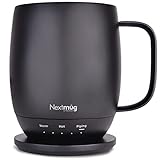
- ALWAYS THE PERFECT TEMPERATURE – The Nextmug will keep your hot coffee, tea or preferred beverage at the perfect temperature wherever you are. Simply select Warm (130° F), Hot (140° F), or Piping (150° F) and enjoy for hours.
- SMART MUG TECHNOLOGY – Long-lasting battery maintains your ideal temperature. LED lights display battery life & real-time temperature. Includes Spill-Resistant Lid & Charging Coaster.
- SUPER SIMPLE – On-board Control Button easily turns mug On/Off & sets the temperature. Takes only seconds to set the mug to your perfect temperature. No app required - no passwords, re-booting or security concerns.
- THE PERFECT GIFT - Give the gift for him and the gift for her that is certain to delight. Perfect for everyone on your list…moms, dads, grandmas, grandpas, teachers, birthdays, graduations and more!
- NEXTMUG CARES - Nextmug cares about our communities and our customers. We care by donating Nextmugs to teachers and first responders . We’re also committed to sustainable packaging by using 100% recyclable materials with all our products. Our dedicated customer service agents are based in the USA and always ready to help.
Water quality and temperature
Use good-tasting water. If your tap water is funky, filtered water is a good move. You want hot water, but not boiling. Boiling water can scorch the instant coffee, making it taste bitter. Aim for around 195-205°F (90-96°C), or just off the boil.
Grind size and coffee freshness
Instant coffee is already processed, so “grind size” and “freshness” are a bit different here. Make sure your instant coffee isn’t old and clumpy. If it’s been open a while, it might have lost some of its punch.
Coffee-to-water ratio
This is key for getting a strong coffee base. A good starting point is 1-2 teaspoons of instant coffee per 2-4 ounces of hot water. You want it concentrated, like a shot of espresso. Too much water and it’ll taste weak.
Cleanliness/descale status
Make sure your mug and any heating/frothing tools are clean. Old coffee residue can mess with the flavor. If you’re using a microwave, ensure the turntable is clean.
Step-by-step (brew workflow)
1. Measure your instant coffee.
- What to do: Spoon 1-2 teaspoons of instant coffee into your mug.
- What “good” looks like: You have the desired amount of coffee granules ready to go.
- Common mistake and how to avoid it: Using too little coffee. This leads to a weak base. Start with more, you can always add less next time.
2. Add a splash of hot water.
- What to do: Pour just enough hot (not boiling) water into the mug to cover the coffee granules, about 1-2 tablespoons.
- What “good” looks like: The water mixes with the coffee, starting to dissolve it.
- Common mistake and how to avoid it: Adding too much water at this stage. You want a thick paste, not a watery brew.
3. Stir to dissolve.
- What to do: Stir vigorously with a spoon until the coffee is completely dissolved and you have a smooth paste or syrup.
- What “good” looks like: No gritty bits of coffee remain. It’s a uniform, dark liquid.
- Common mistake and how to avoid it: Not stirring enough. Undissolved coffee grounds will sink and create a bitter sludge at the bottom.
4. Add more hot water (optional, for strength).
- What to do: If you want a slightly less intense coffee base, add another 1-2 ounces of hot water and stir.
- What “good” looks like: You have a concentrated coffee liquid that’s a good strength for your taste.
- Common mistake and how to avoid it: Adding too much water here, diluting it too much. Remember, this is your “espresso” shot.
5. Heat your milk.
- What to do: Pour your desired amount of milk (e.g., 6-8 oz) into a separate container or mug. Heat it until it’s hot but not boiling. Use a microwave, stovetop, or milk frother.
- What “good” looks like: The milk is steaming and warm to the touch, but not scalded.
- Common mistake and how to avoid it: Overheating the milk. This can make it taste burnt and destroy its sweetness.
6. Froth your milk.
- What to do: If you have a frother, use it according to its instructions. If not, you can vigorously whisk the hot milk by hand, or use a French press to pump the plunger up and down, or even shake it vigorously in a sealed jar (carefully!).
- What “good” looks like: You have a good amount of foam on top of the hot milk, with microfoam if possible.
- Common mistake and how to avoid it: Not frothing enough. A latte needs that creamy foam. Be patient and keep working it.
7. Pour the milk into the coffee.
- What to do: Gently pour the hot, frothed milk over the dissolved instant coffee in your mug. Try to hold back the foam with a spoon initially, then spoon it on top.
- What “good” looks like: The milk and coffee are combining, and you’re layering the foam on top.
- Common mistake and how to avoid it: Pouring too fast. This can cause the foam to dissipate quickly or mix too much with the coffee.
8. Add sweetener or flavor (optional).
- What to do: Stir in sugar, syrup, or other flavorings if desired.
- What “good” looks like: Your drink is sweetened to your preference.
- Common mistake and how to avoid it: Adding too much sweetener, overpowering the coffee and milk flavors.
9. Enjoy!
- What to do: Sip and savor your homemade latte.
- What “good” looks like: A delicious, creamy coffee drink.
- Common mistake and how to avoid it: Not taking a moment to appreciate your creation!
Common mistakes (and what happens if you ignore them)
| Mistake | What it causes | Fix |
|---|---|---|
| Using boiling water for coffee | Bitter, scorched coffee taste | Let water cool slightly after boiling (around 195-205°F). |
| Not dissolving coffee fully | Gritty texture, uneven flavor, bitter sludge | Stir vigorously until fully dissolved; aim for a paste first. |
| Using too much water initially | Weak coffee base, watery drink | Start with less water to create a concentrated coffee syrup or paste. |
| Overheating milk | Scalded taste, loss of sweetness, poor frothing | Heat milk gently, stop before it boils; aim for steaming hot. |
| Insufficient milk frothing | Flat drink, no creamy texture, no latte feel | Froth longer and more vigorously; experiment with different methods. |
| Using old, stale instant coffee | Dull, weak, or off flavors | Check the date on your jar; store airtight. If it’s old, it might be time for a new one. |
| Incorrect coffee-to-water ratio | Too weak or too strong coffee flavor | Start with 1-2 tsp coffee per 2-4 oz water and adjust to taste. |
| Not cleaning equipment | Lingering off-flavors, poor taste | Wash your mug and frothing tools regularly. |
| Adding milk before frothing | Impossible to get good foam | Heat and froth the milk separately before combining with the coffee. |
| Using low-fat milk for frothing | Less creamy foam, harder to achieve volume | Whole milk or 2% milk generally froth best. |
Decision rules (simple if/then)
- If your instant coffee tastes bitter, then you likely used water that was too hot or didn’t dissolve it properly because scorching or undissolved grounds create bitterness.
- If your latte tastes weak, then you need to use more instant coffee or less water for your coffee base because the coffee concentrate wasn’t strong enough.
- If your milk won’t froth, then you might need to try a different milk type (like whole or 2%) or froth longer because fat content and aeration are key to foam.
- If you have a gritty texture, then you didn’t dissolve the instant coffee completely because undissolved granules settle at the bottom.
- If your drink tastes “off” or stale, then your instant coffee might be old or improperly stored because coffee loses its flavor over time.
- If you want a richer texture, then use whole milk for heating and frothing because it has more fat content, which creates a creamier foam.
- If you’re short on time, then skip extensive frothing and just heat the milk well because a hot, creamy milk is better than no milk.
- If you want a more traditional latte flavor, then consider adding a touch of vanilla or caramel syrup because these can mimic some of the complexity.
- If your drink is too hot, then let it cool for a minute or two before sipping to avoid burning your tongue because safety first.
- If you want a stronger coffee flavor without more bitterness, then use a higher quality instant coffee or slightly increase the amount you use because better ingredients make a difference.
FAQ
Can I use decaf instant coffee?
Absolutely. If you want a decaf latte, just use your favorite decaf instant coffee granules. The process remains the same.
What’s the best kind of milk to use?
Whole milk or 2% milk tend to froth the best and give the creamiest texture. However, you can experiment with non-dairy milks like oat or soy, which can also froth well.
How do I get good foam if I don’t have a frother?
You can whisk hot milk vigorously by hand, use a French press to pump the plunger, or shake hot milk (carefully!) in a sealed jar. It takes a little effort, but it’s doable.
Will this taste exactly like an espresso latte?
No, it won’t be identical. Instant coffee has a different flavor profile than espresso. This method creates a delicious, creamy coffee drink that’s latte-like, but not a true espresso-based latte.
How much instant coffee should I use?
Start with 1-2 teaspoons per 2-4 ounces of hot water for your coffee base. Adjust based on how strong you like your coffee. You want it concentrated.
Can I add ice to make an iced latte?
Yes! Dissolve your instant coffee in a small amount of hot water, then pour it over ice. Add cold milk and stir. You can froth cold milk and spoon it on top for an iced latte effect.
Is it bad for my health to drink instant coffee daily?
Instant coffee generally contains less caffeine than brewed coffee, and the health impacts are similar to other forms of coffee, often considered safe in moderation. Check with a healthcare professional for personalized advice.
What if I don’t have a mug? Can I use a different cup?
Sure, any heat-safe cup or container will work for dissolving the coffee and serving your latte. Just make sure it’s clean.
What this page does NOT cover (and where to go next)
- Detailed comparisons of different instant coffee brands. (Next: Explore reviews and taste tests of various instant coffees.)
- Advanced milk steaming techniques for latte art. (Next: Look into resources for barista skills and espresso machine usage.)
- Recipes for flavored syrups from scratch. (Next: Search for DIY syrup recipes and ingredient guides.)
- The science behind coffee bean roasting and espresso extraction. (Next: Dive into coffee science and brewing fundamentals.)
- Specific recommendations for electric milk frothers or espresso machines. (Next: Research kitchen appliance reviews and coffee equipment guides.)