
Making Cappuccinos With a Ninja Coffee Bar
Quick Answer
- Yes, you can make cappuccino-style drinks with a Ninja Coffee Bar, but it requires manual milk frothing.
- The machine brews coffee, which serves as the espresso-like base.
- You’ll need a separate milk frother or a way to steam milk manually.
- Achieving true Italian cappuccino texture depends heavily on your frothing technique.
- Focus on brewing a strong coffee concentrate for the best base flavor.
- Experiment with milk types and frothing methods to find your preferred result.
If you’re looking to make cappuccinos with your Ninja Coffee Bar, you’ll need a reliable way to froth milk. Consider investing in a dedicated milk frother to achieve that perfect creamy foam.
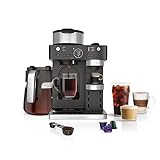
- BARISTA PLUS TECHNOLOGY: The 19-bar pressure system delivers ultra-flavorful espresso with a silky-smooth crema by brewing at the optimal temperature and pressure.
- COFFEEHOUSE DRINKS AT HOME: The built-in, fold-away frother allows you to create espresso-based cappuccinos, lattes, flat whites, and more.
- BREW SINGLE-SERVE ESPRESSO: Choose your favorite espresso capsule and brew up to 3 styles: Espresso (1.35 oz), Lungo (3.75 oz), and Over Ice (1 oz).
- BREW THROUGH COFFEE GROUNDS: Make a Classic, Rich, or Over Ice brew. Select 9 different sizes ranging from cup, to travel mug, to a full 12-cup carafe.
- VERSATILITY TO ENTERTAIN: Treat your guests to an espresso-based coffeehouse drink or brew a 12-cup carafe for the crowd.
Who This Is For
- Ninja Coffee Bar owners who enjoy milk-based coffee drinks like cappuccinos.
- Home baristas looking to replicate coffee shop beverages without specialized espresso machines.
- Individuals who are willing to add a manual step (milk frothing) to their brewing process.
What to Check First
Brewer Type and Filter Type
Your Ninja Coffee Bar is a drip coffee maker designed to brew coffee. It typically uses a permanent, reusable filter basket or can accommodate paper filters. The type of filter can influence the clarity and body of the brewed coffee.
- Permanent Filter: Offers convenience and is eco-friendly. It may allow more oils and fine coffee particles through, resulting in a fuller-bodied coffee.
- Paper Filter: Creates a cleaner, brighter cup by trapping more oils and fines.
Check your specific Ninja Coffee Bar model to confirm which filter types it supports and to ensure the filter is clean and undamaged.
Water Quality and Temperature
The quality and temperature of your water significantly impact coffee flavor. Stale or impure water can introduce off-flavors, while water that isn’t hot enough won’t properly extract the coffee’s desirable compounds.
- Water Quality: Using filtered water is highly recommended. Tap water can contain minerals or chlorine that negatively affect taste.
- Water Temperature: Ninja Coffee Bars are designed to heat water to optimal brewing temperatures, typically between 195°F and 205°F. You generally don’t need to adjust this, but ensure the machine is functioning correctly.
Grind Size and Coffee Freshness
The grind size determines how quickly water extracts flavor from the coffee grounds. Coffee freshness ensures you’re extracting the best possible taste.
- Grind Size: For a Ninja Coffee Bar, a medium grind is usually appropriate for its standard brew settings. If you’re brewing a concentrated coffee for a cappuccino base, you might experiment with a slightly finer grind, but avoid going too fine, which can lead to over-extraction and bitterness, or clog the filter.
- Coffee Freshness: Use freshly roasted whole beans and grind them just before brewing. Coffee starts losing its volatile aromas and flavors within minutes of grinding.
Coffee-to-Water Ratio
This ratio dictates the strength of your brewed coffee, which is crucial for a balanced cappuccino. Too weak, and the coffee flavor will be lost under the milk; too strong, and it can be overpowering.
- Standard Brew: Follow the markings on your Ninja Coffee Bar’s carafe or brew basket for recommended coffee-to-water ratios. A common starting point is 1 to 2 tablespoons of ground coffee per 6 oz of water.
- Concentrated Brew: For a cappuccino base, you’ll want a stronger brew. Many Ninja Coffee Bar models have a “Specialty Brew” or “Over Ice” setting designed to produce a more concentrated coffee. If not, use more coffee grounds relative to water, or use the smallest water measurement for the amount of coffee you’re using.
Cleanliness/Descale Status
A clean machine is essential for good-tasting coffee. Mineral buildup from water (scale) can affect brewing temperature, flow rate, and impart a metallic taste.
- Regular Cleaning: Wash the brew basket, carafe, and any removable parts after each use.
- Descaling: Follow your Ninja Coffee Bar’s manual for its descaling procedure. This is typically recommended every 1-3 months, depending on water hardness and usage. A clean machine brews better coffee and lasts longer.
Step-by-Step (Brew Workflow)
1. Prepare Your Milk: Pour your desired milk (dairy or non-dairy) into a separate frothing pitcher or heat-safe container. For best results, use cold milk.
- What “good” looks like: Milk is ready and chilled, waiting for the frothing step.
- Common mistake: Using warm milk, which won’t froth as well. Avoid this by starting with cold milk.
2. Select Coffee Beans: Choose your favorite coffee beans. Freshly roasted beans will yield the best flavor.
- What “good” looks like: High-quality, fresh coffee beans selected for your brew.
- Common mistake: Using old, stale beans. This results in a flat, uninspired coffee base.
3. Grind Your Coffee: Grind the beans to a medium to medium-fine consistency, similar to coarse sand. Grind only what you need immediately before brewing.
- What “good” looks like: Uniformly ground coffee, not too fine (dusty) or too coarse (pebbles).
- Common mistake: Grinding too fine, which can lead to bitter coffee or a clogged filter.
4. Add Coffee Grounds to Brewer: Place the appropriate filter (permanent or paper) into the brew basket. Add the freshly ground coffee.
- What “good” looks like: The correct amount of coffee evenly distributed in the filter.
- Common mistake: Overfilling the brew basket, which can cause grounds to overflow and create a mess, or underfilling, leading to weak coffee.
5. Add Water to Reservoir: Fill the water reservoir with fresh, filtered water. Use the markings on the reservoir to measure the correct amount for your desired brew size.
- What “good” looks like: The reservoir filled to the appropriate line for a strong brew.
- Common mistake: Using tap water that can impart off-flavors. Always use filtered water if possible.
6. Select Brew Setting: Choose a setting on your Ninja Coffee Bar that produces a concentrated coffee. This might be labeled “Specialty Brew,” “Over Ice,” or a similar function designed for stronger coffee.
- What “good” looks like: The machine is set to maximize coffee extraction for a potent base.
- Common mistake: Using the standard brew setting, which will likely result in coffee that’s too weak to stand up to milk and foam.
7. Start Brewing: Place your carafe or mug under the brew spout and press the start button.
- What “good” looks like: The machine begins brewing, and rich coffee aroma fills the air.
- Common mistake: Forgetting to place a vessel under the spout, leading to a spill.
8. Froth Your Milk: While the coffee brews, use your separate frother to heat and aerate the milk. Aim for a microfoam texture – creamy, with tiny bubbles.
- What “good” looks like: Silky, glossy milk with a consistent foam layer.
- Common mistake: Over-frothing, creating large, stiff bubbles that dissipate quickly. Aim for a smooth, integrated foam.
9. Pour Brewed Coffee: Once brewing is complete, pour the concentrated coffee into your serving mug.
- What “good” looks like: A dark, aromatic coffee base fills your mug.
- Common mistake: Not waiting for brewing to finish, which can result in an incomplete extraction.
10. Add Frothed Milk: Gently pour the frothed milk over the coffee. Spoon any remaining foam on top to create the cappuccino’s characteristic foam layer.
- What “good” looks like: A beautiful layered drink with coffee, steamed milk, and a cap of foam.
- Common mistake: Pouring the milk too aggressively, which can mix the layers too much and disrupt the foam.
11. Serve Immediately: Cappuccinos are best enjoyed right away while the foam is fresh and the drink is at the perfect temperature.
- What “good” looks like: A hot, delicious cappuccino ready to be savored.
- Common mistake: Letting the drink sit too long, causing the foam to deflate and the temperature to drop.
Common Mistakes (and What Happens If You Ignore Them)
| Mistake | What It Causes | Fix |
|---|---|---|
| Using stale coffee beans | Weak, flat, or bitter coffee flavor; lack of aroma. | Use freshly roasted beans and grind them right before brewing. |
| Incorrect grind size (too fine) | Bitter, over-extracted coffee; slow brewing or clogged filter. | Use a medium to medium-fine grind for most Ninja Coffee Bar brews. |
| Incorrect grind size (too coarse) | Weak, under-extracted coffee; watery taste. | Adjust your grinder to a finer setting. |
| Using tap water | Off-flavors (chlorine, metallic); mineral buildup in the machine. | Always use filtered or bottled water for the best taste and to protect your brewer. |
| Not using the “Specialty Brew” setting | Coffee base is too weak to balance milk and foam. | Select the “Specialty Brew,” “Over Ice,” or similar setting for a concentrated coffee base. |
| Over-frothing milk | Stiff, dry foam that quickly dissipates; drink may taste scalded. | Aim for glossy, smooth microfoam; stop frothing when the milk is hot and has a good texture. |
| Under-frothing milk | Thin foam with large, unstable bubbles; drink lacks texture. | Aerate the milk longer, incorporating more air until a creamy foam forms. |
| Not cleaning the brewer regularly | Burnt, stale coffee flavors; potential for mold or bacteria growth. | Rinse the brew basket and carafe after each use; descale as recommended by the manufacturer. |
| Using cold milk for frothing | Milk won’t heat and froth properly; results in a less voluminous foam. | Start with cold milk for optimal frothing and temperature control. |
| Incorrect coffee-to-water ratio (too much water) | Weak coffee base that gets lost in the milk and foam. | Use the recommended ratio for a concentrated brew, or increase coffee grounds relative to water. |
Decision Rules
- If your coffee tastes bitter, then the grind might be too fine or the brew temperature too high, because these lead to over-extraction.
- If your coffee tastes sour or weak, then the grind might be too coarse or the brew temperature too low, because these lead to under-extraction.
- If your brewed coffee is not strong enough for your liking, then use more coffee grounds for the same amount of water, because this increases the coffee-to-water ratio.
- If your milk frother produces large, bubbly foam instead of smooth microfoam, then you may be incorporating too much air too quickly, because this creates unstable bubbles.
- If your milk is not getting hot enough during frothing, then you may need to froth for a longer duration or use a smaller quantity of milk, because the frother needs sufficient time to heat the milk.
- If your Ninja Coffee Bar is brewing slowly or inconsistently, then it likely needs to be descaled, because mineral buildup obstructs water flow.
- If your cappuccino tastes bland, then ensure you are using fresh, high-quality coffee beans and brewing them at the correct strength, because the coffee is the foundation of the drink.
- If your cappuccino foam disappears too quickly, then you may have over-aerated the milk or used milk that is not ideal for frothing, because stable foam requires proper technique and milk composition.
- If your Ninja Coffee Bar produces an unusual smell, then it’s time to clean or descale the unit, because residue can affect both taste and performance.
- If you want a richer coffee flavor, then try using whole beans and grinding them just before brewing, because pre-ground coffee loses its volatile aromatics rapidly.
FAQ
Can I use my Ninja Coffee Bar to make espresso for a cappuccino?
No, a Ninja Coffee Bar is a drip coffee maker and does not produce the high pressure needed to make true espresso. It brews a strong coffee concentrate that can serve as a base for cappuccino-style drinks.
Do I need a special type of milk for frothing?
Whole milk typically froths best due to its fat and protein content. However, you can achieve good results with 2% milk, and many non-dairy milks (like oat, soy, or almond) are formulated to froth well. Experiment to see what works best for you.
How do I get that perfect creamy foam?
The key is to incorporate air into the milk at the beginning of the frothing process while the milk is still cool, then submerge the frother wand to heat and emulsify the milk into a smooth, glossy texture. Avoid over-aerating, which creates large, stiff bubbles.
What if I don’t have a separate milk frother?
You can manually heat milk on the stovetop or in the microwave until it’s hot but not boiling. Then, you can use a French press by pumping the plunger vigorously to create foam, or whisk it vigorously by hand or with a small electric whisk.
How much coffee should I use for a cappuccino base?
For a concentrated base, use the “Specialty Brew” or “Over Ice” setting if available. If not, use more coffee grounds than you would for a standard cup, typically 1.5 to 2 tablespoons of grounds per 6 oz of water, adjusting to your taste.
Will my cappuccino taste exactly like one from a coffee shop?
It will be a delicious cappuccino-style drink, but it may differ from a traditional espresso-based cappuccino. The texture of the foam and the intensity of the coffee flavor will depend on your brewing and frothing techniques.
How often should I clean my Ninja Coffee Bar?
Rinse the brew basket and carafe after each use. Descaling is recommended every 1-3 months, depending on your water hardness and how frequently you use the machine. Check your manual for specific instructions.
What This Page Does Not Cover (and Where to Go Next)
- True Espresso Extraction: This guide focuses on using your Ninja Coffee Bar’s brewed coffee as a base. For true espresso, you would need an espresso machine.
- Advanced Milk Steaming Techniques: While we cover basic frothing, professional latte art requires specific espresso machine steam wands and advanced techniques.
- Specific Coffee Bean Recommendations: The best coffee bean is subjective. Experiment with different roasts and origins to find what you prefer for milk-based drinks.
- Detailed Troubleshooting for Specific Ninja Models: Always refer to your Ninja Coffee Bar’s user manual for model-specific troubleshooting and maintenance.