
Making Cappuccino In A Standard Coffee Maker: Is It Possible?
Quick answer
- A standard drip coffee maker won’t make true cappuccino.
- You need a way to steam and froth milk separately.
- Drip coffee is a good base, but it’s not espresso.
- You can make a “coffee house style” drink with drip coffee and frothed milk.
- Think of it as a coffee-with-milk, not a cappuccino.
- Don’t expect the rich crema of a real espresso.
Who this is for
- Folks who love cappuccino but only have a drip coffee maker at home.
- Anyone curious if they can skip buying an espresso machine.
- Home baristas looking to experiment with coffee drinks on a budget.
What to check first
Brewer type and filter type
You’ve got a standard drip coffee maker. That means it brews by dripping hot water over grounds. It uses paper or a reusable mesh filter. This is key because it dictates the coffee base you’ll work with. No pressure means no espresso.
Water quality and temperature
Good coffee starts with good water. If your tap water tastes funky, your coffee will too. Filtered water is usually best. The machine should heat water to around 195-205°F. Most machines do this automatically, but if it’s super old, it might be an issue.
Grind size and coffee freshness
For drip, you want a medium grind. Too fine, and it’ll clog the filter. Too coarse, and you’ll get weak coffee. Freshly roasted beans, ground right before brewing, make a huge difference. Stale coffee is just sad.
Coffee-to-water ratio
A good starting point is 1:15 to 1:18 coffee to water. So, for every ounce of water, use about 0.05 to 0.06 ounces of coffee. A standard 12-cup maker often uses about 60 oz of water. That’s roughly 10-12 tablespoons of grounds. You can adjust this to your taste.
Cleanliness/descale status
Is your machine clean? If it’s been a while, scale buildup can affect taste and performance. Run a descaling cycle with vinegar or a descaling solution. A clean machine means cleaner coffee. This is non-negotiable for good flavor.
Step-by-step (brew workflow)
1. Brew your coffee base.
- What to do: Brew a strong pot of coffee using your drip machine. Use slightly more grounds than usual for a bolder flavor.
- What “good” looks like: A hot, strong, flavorful coffee. Not watery.
- Common mistake: Using too few grounds, leading to weak coffee. Avoid this by measuring your coffee and water.
2. Heat your milk.
- What to do: Pour your desired amount of milk into a saucepan or microwave-safe container. Heat it until it’s steaming but not boiling.
- What “good” looks like: Hot milk that’s starting to steam. Around 140-150°F is ideal for frothing.
- Common mistake: Boiling the milk. This ruins the flavor and makes it hard to froth. Heat gently.
3. Froth your milk.
- What to do: Use a handheld milk frother, a French press (pump it vigorously), or a whisk to aerate the milk. You want to introduce air to create foam.
- What “good” looks like: A layer of microfoam on top of hot milk. It should be light and airy, not just bubbly.
- Common mistake: Not frothing enough or frothing too much. You want a texture similar to wet paint, not stiff meringue.
Alternatively, a French press can also be used to froth milk by vigorously pumping the plunger.

- Wash in warm, soapy water before first use and dry thoroughly
- Not for stovetop use
- Turn lid to close spout
- Easy-to-clean glass carafe
For easy frothing, consider a handheld milk frother; it’s a simple and effective tool for creating that perfect foam.
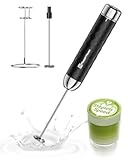
- 【Stepless Speed Control Design】Unlike traditional button-operated milk frother, this LunaFro 2.0 electric milk frother allows you to seamlessly adjust the frothing speed with unparalleled precision, ranging from 4500RPM to 10000RPM, simply by toggling the rotary switch. Experience the ultimate control as you craft the perfect froth for different beverages. Say goodbye to splashes and lackluster froth
- 【One Charging, 1440 Hours Ready】With a built-in 1200mAh lithium battery, this portable USB-C rechargeable milk frother provides up to 2 months of usage on a single charge(note: if use once per day). Fully charge the battery operated milk foam maker in just 2 hours with the included USB-C cable, eliminating the need for constant battery replacement
- 【Create Rich Creamy Foam in Seconds】Transform your morning coffee routine with our high-speed milk frother. Achieve smooth, creamy foam in just 10-15 seconds, perfect for busy mornings. Elevate your coffee experience with velvety milk foam every time
- 【Versatile for Various Beverages】 Beyond coffee, our LunaFro 2.0 milk frother excels at blending powdered supplements like protein into beverages and preparing mixed drinks. Its versatility makes it an essential tool for all your beverage-making needs, including Latte, Cappuccino, Matcha and cocoa powder
- 【Easy Cleaning and Storage】This Stepless Speed Control milk frother comes with two frothing whisks for easy replacement. Cleaning is straightforward—simply detach the whisk and wash it in water. The included compact stainless steel stand provides convenient storage and organization
4. Pour the coffee.
- What to do: Pour your freshly brewed strong coffee into your mug.
- What “good” looks like: A mug filled with hot coffee, ready for the milk.
- Common mistake: Letting the coffee sit too long, making it lukewarm. Brew it right before you plan to drink.
5. Add the hot milk.
- What to do: Gently pour the hot, frothed milk into your coffee. Try to keep the foam on top.
- What “good” looks like: A creamy, hot beverage with a distinct layer of foam.
- Common mistake: Pouring too quickly and mixing everything immediately. Aim for a layered look initially.
6. Spoon on the foam.
- What to do: Use a spoon to top off your drink with the remaining foam from your frothing pitcher.
- What “good” looks like: A nice cap of foam on your coffee.
- Common mistake: Not having enough foam to spoon on. This means your frothing step might need more practice.
7. Optional: Add sweetener or spice.
- What to do: Stir in sugar, syrup, or a sprinkle of cinnamon if you like.
- What “good” looks like: Your drink is customized to your taste.
- Common mistake: Adding too much sweetener, overpowering the coffee and milk flavors. Taste as you go.
Common mistakes (and what happens if you ignore them)
| Mistake | What it causes | Fix |
|---|---|---|
| Using stale coffee beans | Flat, dull, or bitter coffee flavor | Use freshly roasted beans and grind them just before brewing. |
| Incorrect grind size for drip | Under-extracted (weak, sour) or over-extracted (bitter) | Use a medium grind. Check your grinder settings or buy pre-ground for drip. |
| Not enough coffee grounds | Weak, watery coffee | Increase the amount of coffee grounds used per cup. |
| Using tap water with off-flavors | Unpleasant taste in the final beverage | Use filtered or bottled water. |
| Boiling the milk | Burnt taste, inability to froth properly | Heat milk gently until steaming, not bubbling. Use a thermometer if unsure. |
| Over-aerating milk (too many big bubbles) | Foamy but unstable texture, not smooth microfoam | Froth until you see small bubbles, then let it sit briefly or swirl to break larger ones. |
| Not enough coffee strength | The milk will overpower the coffee flavor | Brew your coffee stronger than usual or use more grounds. |
| Skipping the cleaning/descaling | Off-flavors, slower brewing, potential machine damage | Clean your brewer regularly and descale it every few months. |
| Not enough coffee-to-water ratio | Weak, diluted coffee base | Stick to a ratio of 1:15 to 1:18 (coffee:water) as a starting point. |
| Pouring milk too fast | Foam and milk mix too quickly, losing texture | Pour the hot milk first, then spoon the foam on top for a better visual and textural separation. |
Decision rules (simple if/then)
- If your coffee tastes bitter, then try a coarser grind because it might be over-extracted.
- If your coffee tastes sour, then try a finer grind because it might be under-extracted.
- If your milk won’t froth, then make sure it’s cold and whole milk (if possible) because fat content and temperature affect frothing.
- If your brewed coffee tastes weak, then use more coffee grounds or less water because your ratio is off.
- If you want a richer flavor, then use darker roasted beans because they generally have a bolder profile.
- If your frothed milk has huge bubbles, then tap the pitcher gently and swirl to break them up because you want smaller, smoother bubbles.
- If your coffee maker is brewing slowly, then it probably needs descaling because mineral buildup is restricting water flow.
- If you want to experiment with flavor, then add a shot of flavored syrup to your milk before heating because it will infuse better.
- If your goal is a true cappuccino, then you’ll need an espresso machine because drip coffee lacks the necessary pressure.
- If your drink tastes “off,” then check your water quality because that’s a common culprit.
- If you’re aiming for a latte-like texture, then froth the milk less aggressively because you want more steamed milk and less foam.
FAQ
Can I use an espresso machine for my coffee base instead of a drip maker?
Absolutely. If you have an espresso machine, that’s the ideal base for a true cappuccino. This guide is for those who don’t.
Will my coffee maker make the foam for me?
No, standard drip coffee makers don’t have the capability to steam or froth milk. You’ll need a separate tool for that.
What kind of milk works best for frothing?
Whole milk generally froths the best due to its fat content. However, 2% can work, and some non-dairy milks like oat or soy are formulated to froth well.
How hot should the milk be for frothing?
Aim for around 140-150°F. Any hotter and you risk scalding the milk, which affects taste and frothing ability.
Is there a way to get crema with drip coffee?
No, crema is a byproduct of high pressure used in espresso machines. You won’t get true crema with a drip maker.
Can I just add cold milk to hot coffee?
You can, but it won’t give you the texture or warmth of a cappuccino. Heating the milk is essential.
What’s the difference between this and a real cappuccino?
A real cappuccino uses espresso as its base and has a specific ratio of espresso, steamed milk, and foam. This is a coffee-based drink with frothed milk.
How do I avoid a bitter taste in my coffee base?
Ensure you’re using the right grind size (medium for drip) and not over-extracting. Also, make sure your machine is clean.
What this page does NOT cover (and where to go next)
- Specific espresso machine models and their features.
- Advanced latte art techniques.
- Detailed explanations of coffee bean varietals and roasting profiles.
- Comparisons of different milk frothing gadgets.
- Making cold foam for iced drinks.