
Making Butter Coffee Without Coconut Oil
Quick answer
- Yes, you can make butter coffee without coconut oil.
- Focus on using high-quality butter and adjusting the fat ratio to your preference.
- Other healthy fats like MCT oil (if you tolerate it) or ghee can be used as alternatives.
- The key is achieving a smooth, emulsified texture, similar to a latte.
- Experiment with different coffee brewing methods to find what works best for your taste.
- Ensure your coffee is hot enough to melt the butter and facilitate blending.
Who this is for
- Individuals looking to try butter coffee but are sensitive to or dislike coconut oil.
- Those who want to incorporate healthy fats into their morning routine without specific ingredients.
- Coffee enthusiasts experimenting with different coffee recipes and flavor profiles.
What to check first
Brewer type and filter type
Before you start, identify the type of coffee maker you’re using. Is it a drip machine, French press, pour-over, or espresso machine? Each method produces coffee with a different body and flavor profile, which can affect the final butter coffee. The filter type is also important; paper filters remove more oils, while metal or cloth filters allow more oils through, potentially contributing to a richer mouthfeel.
Water quality and temperature
The quality of your water significantly impacts coffee flavor. Using filtered water can remove impurities that might otherwise interfere with the subtle notes of your coffee and butter. For butter coffee, water temperature is crucial. Aim for water between 195°F and 205°F (90°C to 96°C) – too cool and the butter won’t melt properly, too hot and you risk scorching the coffee grounds.
Grind size and coffee freshness
The grind size should match your brewing method. For example, a coarse grind is best for a French press, while a fine grind is needed for espresso. Freshly roasted and ground coffee beans will yield the most vibrant flavors. Coffee that has been ground too far in advance can lose its aromatic compounds, resulting in a flat taste that won’t be enhanced by the butter.
Coffee-to-water ratio
Getting the coffee-to-water ratio right is fundamental for a balanced cup. A common starting point for black coffee is around 1:15 to 1:18 (grams of coffee to grams of water). For butter coffee, you might lean towards a slightly stronger brew, perhaps closer to 1:15, to ensure the coffee flavor isn’t overwhelmed by the fat.
Cleanliness/descale status
A clean coffee maker is essential for good-tasting coffee. Residue from old coffee oils or mineral buildup from hard water can impart bitter or off-flavors. Regularly cleaning and descaling your brewer, according to the manufacturer’s instructions, will ensure a clean canvas for your butter coffee creation.
Step-by-step (brew workflow)
1. Brew your coffee: Prepare a strong, hot cup of coffee using your preferred brewing method.
- What “good” looks like: A robust, flavorful cup of coffee that is hot and free from grounds or sediment.
- Common mistake: Brewing a weak or lukewarm cup. This leads to a watery butter coffee that doesn’t emulsify well. Avoid this by using the correct coffee-to-water ratio and ensuring your water is at the optimal temperature.
2. Gather your ingredients: Have your freshly brewed hot coffee, unsalted butter (or alternative fat), and any optional sweeteners or spices ready.
- What “good” looks like: All ingredients are measured and within reach, making the blending process smooth and quick.
- Common mistake: Forgetting an ingredient or having to search for it mid-blend. This can cause your coffee to cool down, making emulsification harder. Prepare everything before you begin.
Gather your ingredients: Have your freshly brewed hot coffee, unsalted butter (or alternative fat), and any optional sweeteners or spices ready. For the best results, we recommend using a high-quality unsalted butter like this one.

- UNSALTED BUTTER: Each package comes with 4 sticks of Vital Farms Unsalted Butter made with cream from cows raised on family farms.
- 90% GRASS-FED: The girls enjoy a diet of 90% grass, while the remaining 10% is nutritionally balanced feed to ensure a well-rounded diet.
- PASTURE-RAISED: The farmers we work with raise their four-legged ladies with care and respect on family farms where cows enjoy outdoor access 200 days per year on average.
- HIGH BUTTERFAT: The girls supply a rich cream that’s churned into creamy, melt-in-your mouth butter
- CONSCIOUS CAPITALISM: Vital Farms is a Certified B Corporation with a purpose to improve the lives of people, animals, and the planet through food.
3. Add butter to the blender: Pour the hot coffee into a high-powered blender. Add your desired amount of unsalted butter. A good starting point is 1-2 tablespoons of butter per 8 oz of coffee, but you can adjust this.
- What “good” looks like: The butter is in the blender with the coffee, ready for blending.
- Common mistake: Adding cold coffee or not enough butter. The coffee needs to be hot to melt the butter effectively. Start with a moderate amount of butter and increase if desired.
Add butter to the blender: Pour the hot coffee into a high-powered blender. Add your desired amount of unsalted butter. A good starting point is 1-2 tablespoons of butter per 8 oz of coffee, but you can adjust this. A high-powered blender is key to achieving that smooth, frothy texture.
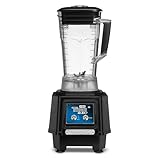
- Motor: 2 Horsepower high-performance motor delivers 24,000 max RPM for consistent blending power in commercial kitchens and bars, ensuring reliable operation during peak service hours
- Container: 64 oz BPA-free copolyester jar with stackable design maximizes storage efficiency while providing durable construction for high-volume blender use in professional settings
- Controls: 2-speed toggle switch provides simple operation with reliable performance for bartenders and kitchen staff in fast-paced commercial environments and busy food service operations
- Drive: Stainless steel user-replaceable drive coupling ensures long-lasting durability and easy maintenance for continuous commercial blender operation in demanding restaurant environments
- Certifications: cULus and NSF approved for commercial food service applications, meeting strict safety and sanitation standards for professional kitchen use in restaurants and bars
4. Add optional ingredients: If you’re using any sweeteners (like stevia or a small amount of maple syrup) or spices (like cinnamon or vanilla extract), add them now.
- What “good” looks like: Any desired additions are in the blender, ready to be incorporated.
- Common mistake: Adding too many sweeteners or overpowering spices. This can mask the coffee and butter flavors. Add these sparingly at first and adjust to taste.
5. Blend on high speed: Secure the lid on the blender and blend on high speed for 30-60 seconds.
- What “good” looks like: The mixture is frothy, creamy, and has a uniform, opaque color, indicating the fats have emulsified.
- Common mistake: Blending for too short a time. This results in oily separation rather than a smooth, latte-like consistency. Blend until you see a consistent froth and no visible oil slick.
6. Check consistency: Once blended, the butter coffee should have a thick, frothy head and a smooth, creamy texture throughout.
- What “good” looks like: A homogenous mixture with no oily separation.
- Common mistake: Not blending long enough, leading to separation. If you see oil pooling, blend for another 15-30 seconds.
7. Pour and serve immediately: Pour the butter coffee into your favorite mug.
- What “good” looks like: A warm, inviting beverage that looks and smells delicious.
- Common mistake: Letting it sit too long. Butter coffee is best enjoyed fresh, as it can separate as it cools.
8. Taste and adjust: Take a sip and adjust any ingredients if needed. You might want more butter, a different sweetener, or a pinch of spice.
- What “good” looks like: A beverage that perfectly suits your taste preferences.
- Common mistake: Settling for a taste you don’t love. Don’t be afraid to experiment with ratios and additions to achieve your ideal butter coffee.
Common mistakes (and what happens if you ignore them)
| Mistake | What it causes | Fix |
|---|---|---|
| Using cold coffee | Butter won’t melt, leading to oily separation and a greasy mouthfeel. | Ensure your coffee is brewed hot (195°F-205°F) and blend immediately after brewing. |
| Not blending long enough | Incomplete emulsification, resulting in an oily layer on top and watery base. | Blend on high speed for at least 30-60 seconds until frothy and uniformly creamy. |
| Using low-quality butter | Off-flavors and less rich texture. | Opt for high-quality, unsalted butter from grass-fed cows for the best taste and texture. |
| Adding too much butter initially | Overly rich, heavy, and potentially nauseating drink. | Start with 1-2 tablespoons per 8 oz of coffee and gradually increase to your preferred richness. |
| Using stale coffee beans | Flat, uninspired flavor that butter cannot mask. | Use freshly roasted and ground coffee beans for the best aroma and taste. |
| Incorrect grind size for brewing method | Under- or over-extraction, leading to bitter or weak coffee. | Match your grind size to your brewing device (e.g., coarse for French press, fine for espresso). |
| Not cleaning the blender thoroughly | Lingering flavors and odors that can affect future brews. | Wash the blender immediately after use, ensuring no residue remains. |
| Adding sweetener too early | Can lead to over-sweetening if you adjust other ingredients later. | Add sweeteners after the initial blend and taste test, adjusting as needed. |
| Using hard tap water | Can impart mineral flavors and affect coffee extraction. | Use filtered or purified water for a cleaner, more consistent coffee taste. |
| Ignoring the coffee-to-water ratio | Too weak a coffee flavor to stand up to the butter, or overly bitter coffee. | Start with a 1:15 ratio (coffee to water) and adjust based on your preference for strength. |
Decision rules (simple if/then)
- If your butter coffee tastes oily and separated, then you likely didn’t blend long enough because the fats didn’t emulsify properly. Blend for an additional 30 seconds on high.
- If your butter coffee tastes weak, then your coffee might be too diluted. Use a stronger coffee-to-water ratio (e.g., 1:15 instead of 1:18) or a more concentrated brew method.
- If your butter coffee has a bitter aftertaste, then your coffee might have been over-extracted or brewed too hot. Check your grind size and water temperature.
- If your butter coffee doesn’t have enough richness, then you need to add more butter. Gradually increase the butter amount by half a tablespoon at a time.
- If you experience digestive discomfort, then you might be sensitive to the amount of fat. Reduce the butter quantity or try a different fat source like ghee.
- If your butter coffee tastes “off” or has an unpleasant flavor, then check the freshness of your coffee beans and the cleanliness of your brewer and blender.
- If you want a smoother, more latte-like texture, then ensure your coffee is very hot before blending. This helps the butter melt and emulsify more easily.
- If your butter coffee separates quickly after blending, then it might be cooling down too fast. Drink it immediately after preparation.
- If you’re new to butter coffee and unsure about the fat amount, then start with 1 tablespoon of butter per 8 oz of coffee and adjust upwards gradually.
- If you find the taste of butter too strong, then you can use less butter and supplement with a small amount of MCT oil (if tolerated) or a dash of cream for creaminess.
- If you want to add flavor without sweetness, then try a pinch of cinnamon, nutmeg, or a drop of vanilla extract during the blending process.
FAQ
Can I use margarine instead of butter?
It’s generally not recommended. Margarine often contains water and other additives that can prevent proper emulsification and alter the taste significantly. Stick to unsalted butter or clarified butter (ghee) for the best results.
What kind of coffee is best for butter coffee?
A medium to dark roast coffee often works well as its bolder flavors can stand up to the richness of the butter. However, the best coffee is one you enjoy drinking on its own, brewed to your preferred strength.
How much butter should I use?
A common starting point is 1 to 2 tablespoons of unsalted butter per 8 ounces of brewed coffee. You can adjust this amount based on your personal preference for richness and texture.
Can I make butter coffee ahead of time?
Butter coffee is best enjoyed immediately after blending. As it cools, the fats can separate, and the texture will change. It’s designed to be a fresh morning beverage.
What if I don’t have a high-powered blender?
While a high-powered blender is ideal for creating a smooth, emulsified texture, you can try using a regular blender or even an immersion blender. You may need to blend for a bit longer and accept a slightly less frothy result.
Are there any health benefits to butter coffee?
Proponents suggest benefits like sustained energy, improved focus, and reduced hunger due to the fat content. However, these claims are largely anecdotal, and it’s important to consider butter coffee as part of a balanced diet.
Can I add sugar or other sweeteners?
Yes, you can add sweeteners to taste. Natural options like a small amount of maple syrup, honey, or stevia are popular choices. Add them during the blending process.
What happens if I use salted butter?
Using salted butter can make your butter coffee taste too salty, especially when combined with the inherent flavors of coffee. It’s best to use unsalted butter to control the saltiness and allow the coffee and butter flavors to shine.
What this page does NOT cover (and where to go next)
- Specific brand recommendations for butter or coffee beans.
- Detailed nutritional breakdowns or health claims associated with butter coffee.
- Advanced techniques for latte art with butter coffee.
Next, you might want to explore:
- Different types of healthy fats that can be used in coffee.
- How to troubleshoot specific brewing issues with various coffee makers.
- The science behind coffee extraction and emulsification.