
Making A Red Eye Coffee At Home: A Strong Brew
Quick answer
- A Red Eye is simply drip coffee with a shot of espresso.
- You need a drip coffee maker and an espresso machine (or a way to make espresso).
- Brew your coffee as usual, then add a shot of espresso.
- Adjust the ratio to your taste. More espresso means a stronger kick.
- Use good quality beans for both the drip and espresso.
- Don’t over-extract your espresso; bitterness is the enemy here.
- Experiment with different coffee beans to find your favorite combo.
Who this is for
- The serious caffeine seeker who needs more than a regular cup.
- Home baristas who already own both a drip coffee maker and an espresso machine.
- Anyone looking to level up their morning routine with a potent, flavorful boost.
What to check first
Brewer type and filter type
You’re likely using a standard automatic drip machine for the base. Check that your filter basket is clean and fits properly. For espresso, make sure your machine is ready to go – portafilter clean, basket seated. Paper, metal, or cloth filters all change the taste slightly. Paper filters give a cleaner cup. Metal filters let more oils through, adding body.
If you’re in the market for a new drip coffee maker, consider this highly-rated model that consistently brews excellent coffee.
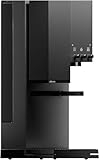
- 1. Three Levels of Automation for Any Skill Level: Choose from Autopilot, Copilot, or Free Solo mode. Autopilot handles the entire brewing process automatically. Copilot provides step-by-step guidance. Free Solo gives you full manual control. This coffee machine works for beginners and professional baristas alike.
- 2. Intuitive User Interface with Tactile Knobs and LED Matrix: The Studio features physical control knobs and a clear LED Matrix display. You can adjust grind size, water temperature, and flow rate in real time without navigating complicated touchscreen menus.
- 3. Full Customization via the xBloom App: Use the xBloom app to create, adjust, save, and share your favorite coffee recipes. Every brewing parameter can be fine-tuned and synced to the machine instantly. Your perfect cup is saved and repeatable.
- 4. Compostable xPod System for Minimal Waste and Maximum Flavor: Each xPod contains carefully selected whole beans and a built-in filter. Tap the recipe card, pour the beans into the grinder, place the pod into the dock, and press start. No capsules, no extra paper filters, no unnecessary waste.
- 5. What Is Included in the Box: The package includes the xBloom Studio, Omni Dripper 2 with Hyperflow Bottom, 10 paper filters, xPod Dock, Magnetic Dosing Cup, default recipe card, quick start guide, cleaning brush, universal power cord, and a 2-Year xbloom brand warranty. Everything you need is included—along with long-term peace of mind.
Water quality and temperature
This is huge. Use filtered water. Tap water can mess with the flavor big time. For drip coffee, aim for around 195-205°F. Your machine should handle this. For espresso, temperature stability is key. Most machines aim for that same 195-205°F range. If your water is too cool, you get weak coffee. Too hot, and it burns.
Grind size and coffee freshness
This is non-negotiable. Drip coffee needs a medium grind, like coarse sand. Espresso needs a fine grind, much finer, like powdered sugar. Freshly ground beans are a game-changer. Pre-ground coffee loses its punch fast. Store beans in an airtight container, away from light and heat.
Coffee-to-water ratio
For drip, a good starting point is 1:15 to 1:18. That means 1 gram of coffee for every 15-18 grams of water. For espresso, it’s typically 1:2 to 1:3 for a double shot (e.g., 18g coffee to 36-54g espresso). You’ll adjust this for your Red Eye.
Cleanliness/descale status
Old coffee oils are nasty. They make your brew taste stale and bitter. Descale your drip machine regularly – check the manual for your model. Clean your espresso machine’s portafilter, basket, and group head after every use. A clean machine makes a clean cup.
Step-by-step (brew workflow)
1. Prep your drip coffee: Grind your beans for drip coffee to a medium consistency. Load your filter and coffee into the basket.
- What “good” looks like: Evenly distributed grounds, no clumps.
- Common mistake: Grinding too fine, which clogs the filter and causes over-extraction. Use a burr grinder for consistency.
2. Start the drip brew: Add your filtered water to the reservoir and start the brew cycle.
- What “good” looks like: Steady flow of hot coffee into the carafe.
- Common mistake: Rushing the brew or using water that’s too cool. Let the machine do its thing.
3. Prep your espresso shot: While the drip coffee brews, grind your beans for espresso to a fine consistency. Dose and tamp into your portafilter.
- What “good” looks like: Even, firm tamp. No loose grounds on the rim.
- Common mistake: Uneven tamping or too much/too little coffee. This leads to channeling or a choked shot.
4. Pull the espresso shot: Lock the portafilter into your espresso machine and start the shot. Aim for 25-30 seconds for a double shot.
- What “good” looks like: A stream of rich, amber liquid, like warm honey, with a nice crema on top.
- Common mistake: Shot runs too fast (under-extracted, sour) or too slow (over-extracted, bitter). Adjust your grind.
5. Pour the drip coffee: Once your drip coffee is ready, pour your desired amount into your mug.
- What “good” looks like: A full mug of hot coffee.
- Common mistake: Not pouring enough to start. You need room for that espresso!
6. Add the espresso shot: Carefully pour or place your freshly pulled espresso shot directly into the mug of drip coffee.
- What “good” looks like: The shot blends into the coffee, creating a richer color.
- Common mistake: Letting the espresso sit too long before adding it. The crema will dissipate.
7. Stir (optional): Give it a gentle stir to fully combine the flavors.
- What “good” looks like: Uniform color and aroma.
- Common mistake: Stirring too vigorously and losing all the crema you worked for.
8. Taste and adjust: Take a sip. Is it strong enough? Too strong? Adjust for your next brew.
- What “good” looks like: A potent, flavorful cup that hits the spot.
- Common mistake: Not tasting and adjusting. Your first attempt might not be perfect.
Common mistakes (and what happens if you ignore them)
| Mistake | What it causes | Fix |
|---|---|---|
| Using stale coffee beans | Flat, lifeless flavor, lack of aroma, weak crema on espresso. | Use freshly roasted beans (within 2-3 weeks of roast date) and grind just before brewing. |
| Incorrect grind size | Drip: muddy, bitter coffee. Espresso: sour or bitter, weak shot. | Use a burr grinder and dial in the grind for each brew method. Medium for drip, fine for espresso. |
| Poor water quality | Off-flavors (chlorine, minerals), dull coffee taste, scale buildup. | Use filtered or bottled water. Avoid tap water if it has a strong taste or mineral content. |
| Wrong coffee-to-water ratio | Too weak or too strong, unbalanced flavors. | Use a scale to measure coffee and water. Start with standard ratios and adjust to taste. |
| Not cleaning equipment | Rancid oils, bitter aftertaste, clogged equipment, poor extraction. | Clean your coffee maker and espresso machine regularly. Rinse portafilter and basket after each use. |
| Over-extracting espresso | Bitter, harsh, astringent taste. | Pay attention to shot time (25-30 seconds) and adjust grind if it’s too slow. |
| Under-extracting espresso | Sour, weak, thin-bodied coffee with little to no crema. | Adjust grind to be finer or increase dose. Ensure water temperature is correct. |
| Using the same beans for both | The flavor profile might clash or one method might overpower the other. | Experiment with different beans. A bold, dark roast for drip and a brighter single-origin for espresso can work well. |
| Not letting the drip coffee finish | Weak base coffee, not enough liquid to properly dilute the espresso. | Wait for the drip brew cycle to complete before pouring your coffee. |
| Incorrect tamping for espresso | Uneven water flow, channeling, leading to bitter or sour shots. | Tamp with consistent pressure, ensuring the coffee bed is level. |
Decision rules (simple if/then)
- If your drip coffee tastes weak, then increase your coffee dose or decrease your water amount because you’re not using enough coffee grounds.
- If your espresso shot runs too fast (under 20 seconds), then grind finer because the coffee particles are too large, allowing water to pass through too quickly.
- If your espresso shot runs too slow (over 35 seconds), then grind coarser because the coffee particles are too small, creating too much resistance.
- If your Red Eye tastes too bitter, then check your espresso extraction first; it might be over-extracted, or use a lighter roast for the espresso shot.
- If your Red Eye tastes too sour, then check your espresso extraction; it might be under-extracted, or use a darker roast for the drip coffee base.
- If you notice sediment in your cup, then check your filter for your drip coffee; it might be too coarse or damaged.
- If your espresso machine is sputtering and not producing good shots, then it’s likely time to descale your machine because mineral buildup is affecting performance.
- If you want a smoother Red Eye, then try using a different coffee bean for the drip portion, perhaps a medium roast with chocolatey notes.
- If you want a more intense Red Eye, then add a second shot of espresso or use a more concentrated espresso ratio.
- If your coffee tastes “off” or stale, then check the freshness of your beans and ensure they are stored properly in an airtight container.
- If your drip coffee is too strong for your liking, then increase the water-to-coffee ratio or use less coffee grounds.
FAQ
What exactly is a Red Eye coffee?
A Red Eye is a coffee drink made by adding a shot of espresso to a standard cup of drip coffee. It’s designed for a serious caffeine boost.
Do I need a special coffee maker for a Red Eye?
No, you just need a standard drip coffee maker for the base and an espresso machine (or a way to make a shot of espresso, like a Moka pot) for the addition.
Can I use any kind of coffee beans?
Yes, but using quality beans for both the drip and espresso will make a huge difference in taste. Experiment to find combinations you like.
How much espresso should I add?
A single shot is standard, but you can add a double shot if you want it extra potent. It’s all about personal preference.
Will this make my coffee taste like espresso?
It will add the intensity and some of the flavor notes of espresso, but the drip coffee base will still be present. The result is a unique, potent blend.
Is a Red Eye healthier than regular coffee?
It’s essentially the same coffee with added espresso. The main difference is the significantly higher caffeine content.
What’s the best way to avoid a bitter Red Eye?
Ensure your espresso shot is properly extracted (not too long) and that your coffee equipment is clean. Bitter flavors often come from over-extraction or stale oils.
Can I make a Red Eye with cold brew?
You absolutely can! This variation is often called a “Black Eye” if you use two shots of espresso, or a “Dead Eye” with three. It’s a potent cold coffee drink.
What this page does NOT cover (and where to go next)
- Specific brand recommendations for coffee makers or espresso machines.
- Detailed guides on dialing in espresso for specific machines.
- Advanced latte art techniques for coffee with espresso.
- Recipes for Red Eye variations beyond the basic drip + espresso.
- The history of the Red Eye coffee drink.